

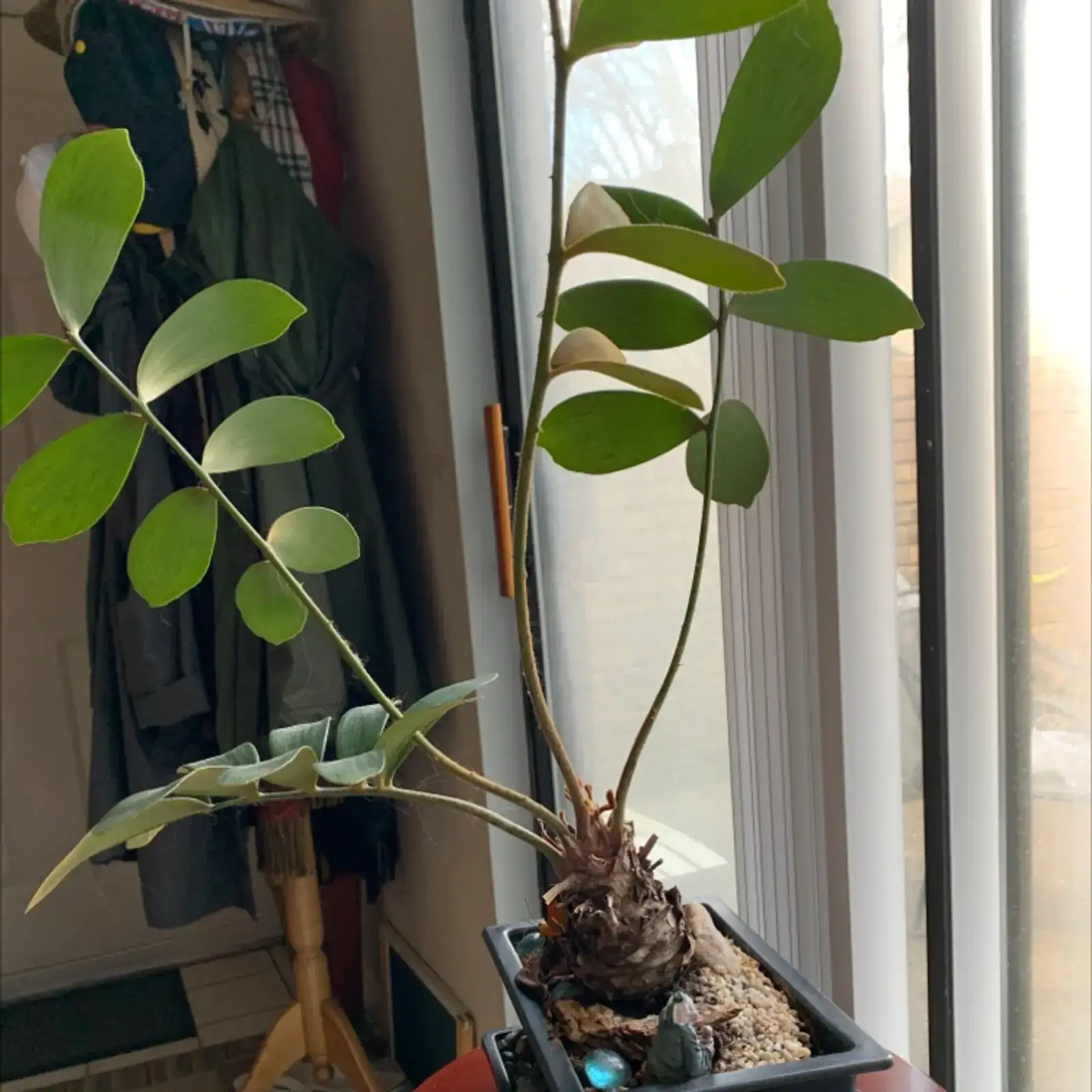
Meet Zamia furfuracea, the Cardboard Palm that isn’t a palm at all—but a slow, evergreen cycad with architectural fronds and cones instead of flowers. Native to the warm coasts of Veracruz, Mexico, it’s famously forgiving, drought-tolerant once established, and easy to live with in bright rooms and sheltered balconies. Use this month-by-month checklist to dial in light, water, feeding, pruning, overwintering—and to spot the cues that signal a new frond flush or the rare, exciting appearance of cones.
Note: Timings below follow a Northern Hemisphere calendar. In the Southern Hemisphere, shift about six months.
The plant at a glance (quick orientation)
- Growth style: Slow-growing, evergreen cycad forming a compact rosette over a thickened base (caudex); may clump with offsets.
- Light: Bright light to full sun indoors; also tolerates bright shade. Shield from harsh midday rays behind glass.
- Temperature: Ideal 13–24°C (55–75°F). Keep above 2°C (36°F); leaf damage can occur below 0°C (32°F).
- Water: Thorough drinks followed by partial dry-down; lightly moist in active growth, drier in winter. Cold + wet roots are the number-one way to get in trouble.
- Soil: Very free-draining mix (e.g., 2 parts peat/leaf-mold–based potting mix to 1 part coarse sand, grit, or perlite). Always use a pot with drainage.
- Feeding: Monthly in the growing season with a balanced fertilizer (e.g., 20-20-20) at label rates; skip winter if growth slows.
- Hardiness: Generally outdoor-suitable only in USDA Zones 9–11 with frost protection.
- Cones, not flowers: Mature plants may cone in warm, bright summer conditions.
Month-by-month checklist
January
- Light: Brightest window you have; excellent ventilation without cold drafts.
- Water: Sparing. Let the top layer of mix dry well; avoid cold, soggy soil.
- Feeding: None.
- Pruning/Grooming: Gently wipe dust off fronds. Remove any fully yellowed, older basal leaves by cutting cleanly at the base.
- Overwintering care: Keep above 2°C (36°F). If the room is cool, keep the soil even drier.
February
- Light: As bright as possible; pivot the pot slightly once this month for even light, but avoid frequent rotating when growth starts.
- Water: Light, spaced-out waterings. Never leave the pot sitting in a saucer of water.
- Feeding: None.
- Pests: Inspect for scale on leaf midribs and on the caudex; treat with horticultural oil or insecticidal soap if needed.
March
- Light: Bright, and start planning a gradual move to stronger spring light if you use a balcony later.
- Water: Slowly increase frequency as days lengthen, but keep mix airy—never soggy.
- Feeding: Resume at month’s end if you see signs of activity.
- Repotting: Prime time if roots are snug and you haven’t repotted in 2–4 years (small plants ~every 2 years; larger ones ~every 3–4).
- Seed propagation: Start seeds indoors in consistently warm conditions (24–30°C / 75–86°F). Cover with ~2 cm (0.8 in) of mix.
April
- Light: Bright to full sun indoors with good airflow; if moving outdoors later, start gentle acclimation.
- Water: Keep lightly moist with full dry-down of the top layer between drinks.
- Feeding: Begin monthly feeding now.
- Offsets: Best window (April–May). Separate pups with minimal wounding; let cuts callus, then root in clean sand at 26–30°C (79–86°F) before potting on.
- Frond flush cues: Look for tight cataphylls or swelling at the crown, followed by emerging “spears.” When a flush starts, avoid moving or rotating the plant and keep conditions steady.

May
- Light: Peak brightness with ventilation; shield from scorch behind hot glass at midday.
- Water: Slightly more frequent in warm rooms; aim for evenly “lightly moist,” never wet.
- Feeding: Continue monthly.
- Frond flush care: During a flush, keep light bright and water steady; avoid wetting the crown late in the day. Allow the new fronds to fully expand and harden before any cleanup pruning.
June
- Light: Brightest placement; outdoor time on a sheltered, sunny balcony is great if nights are mild.
- Water: Consistent, thorough waterings with partial dry-down.
- Feeding: Monthly.
- Coning cues (mature plants): In very warm, bright conditions, a cone may push from the crown. Male and female cones appear on separate plants. Keep airflow excellent and avoid bumping or handling the cone.

July
- Light: Strong light with good airflow.
- Water: Similar to June; don’t let the soil stay wet in heat—free drainage is key.
- Feeding: Monthly.
- Pests/Disease watch: Scale and leaf spot can pop up in warm, stagnant air. Improve ventilation; remove any spotted leaves.
August
- Light: Bright. If heat builds behind glass, provide light midday protection.
- Water: As per July; never waterlog.
- Feeding: Final summer feed this month.
- Growth note: In excellent warmth and light, some plants manage a second, smaller frond flush. Same “don’t move, keep steady” rule applies.
September
- Light: Keep it bright as days shorten.
- Water: Begin spacing out waterings slightly.
- Feeding: Make this your last feed if growth is tapering.
- Transition: If outdoors, plan the return indoors before nights dip much below 13°C (55°F).
October
- Light: Brightest indoor spot; cool and airy is fine.
- Water: Reduce. Let the mix dry more deeply between modest drinks.
- Feeding: None.
- Pruning: Remove any naturally aging yellow basal fronds; cut cleanly at the base without nicking the caudex.
November
- Light: As bright as you can offer.
- Water: Minimal; the cooler the room, the drier it should stay.
- Hygiene: Wipe leaves and check for scale hiding under leaflets and around the base.
December
- Light: Bright and cool. Avoid hot, dry blasts from heaters; gentle airflow wins.
- Water: Sparing sips only when the top layer is fully dry.
- Rest: Expect little to no growth. This quiet period helps prevent stretched, weak fronds later.
How to know what’s coming next: cue-based growth intelligence
- New frond flush is near when:
- The crown looks fuller or slightly swollen and protective cataphylls are visible.
- One to several “spears” emerge tightly from the center before unfurling into a set of stiff, glossy leaflets.
- Timing: Most often late spring through summer when warm and bright. Slow growers may flush just once a year.
- Cones may appear when:
- The plant is mature, kept warm and bright, and well-ventilated in summer.
- A distinct cone (male or female) emerges from the crown rather than a flat spray of leaf spears.
- Note: Plants are male or female. Seeds develop only if both sexes are present and pollination occurs. All parts—especially seeds—are toxic if ingested.
Watering, soil, and pots that set you up for success
- Watering rhythm
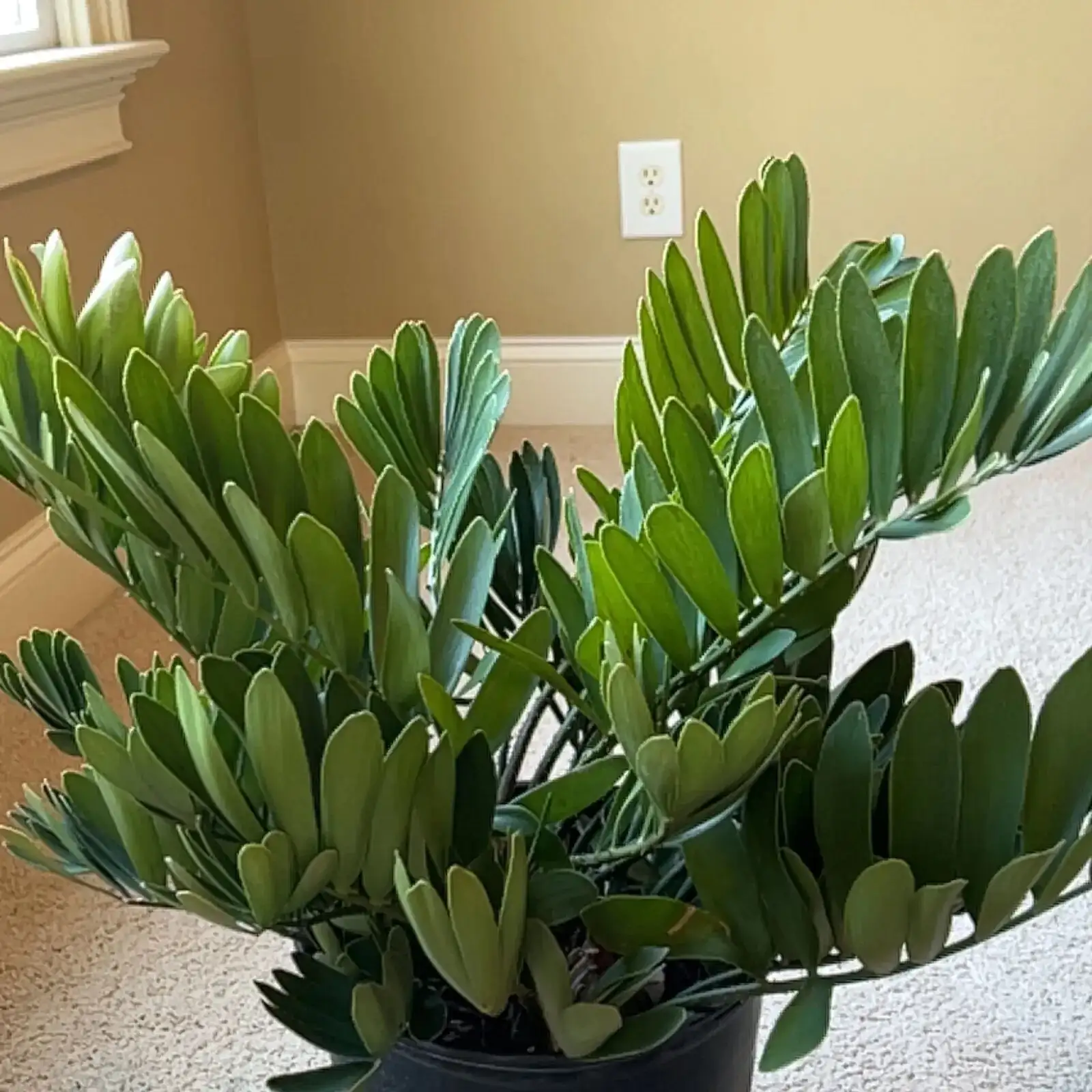
- Active season: Water thoroughly, then let the top layer dry before the next watering. Aim for lightly moist, never soggy.
- Autumn: Gradually reduce.
- Winter: Keep on the dry side; cold + wet = root rot risk.
- Mix recipe and containers
- Use a very free-draining medium: about 2 parts peat/leaf-mold–based potting mix to 1 part coarse sand/grit/perlite.
- Choose pots with generous drainage holes; a shallow, wide container often suits the root system and adds stability.
Pruning and grooming
- No shaping required. Maintain that crisp silhouette by:
- Removing yellowing, damaged, or diseased older leaves individually at the base with clean tools.
- Avoiding cuts or gouges to the caudex, where new buds/offsets may form.
- Wiping leaves in warm seasons to keep them clean and photosynthesizing efficiently.
Overwintering game plan (at a glance)
- Light: Brightest window; move closer to glass as sun weakens, but protect from intense midday magnification on unusually warm days.
- Temperature: Ideal 13–24°C (55–75°F). Never below 2°C (36°F).
- Water: Infrequent, small waterings only when the top layer is dry; ensure superb drainage.
- Air: Fresh, gentle airflow helps prevent leaf spot—avoid trapping moisture in the crown late in the day.
Repotting and propagation
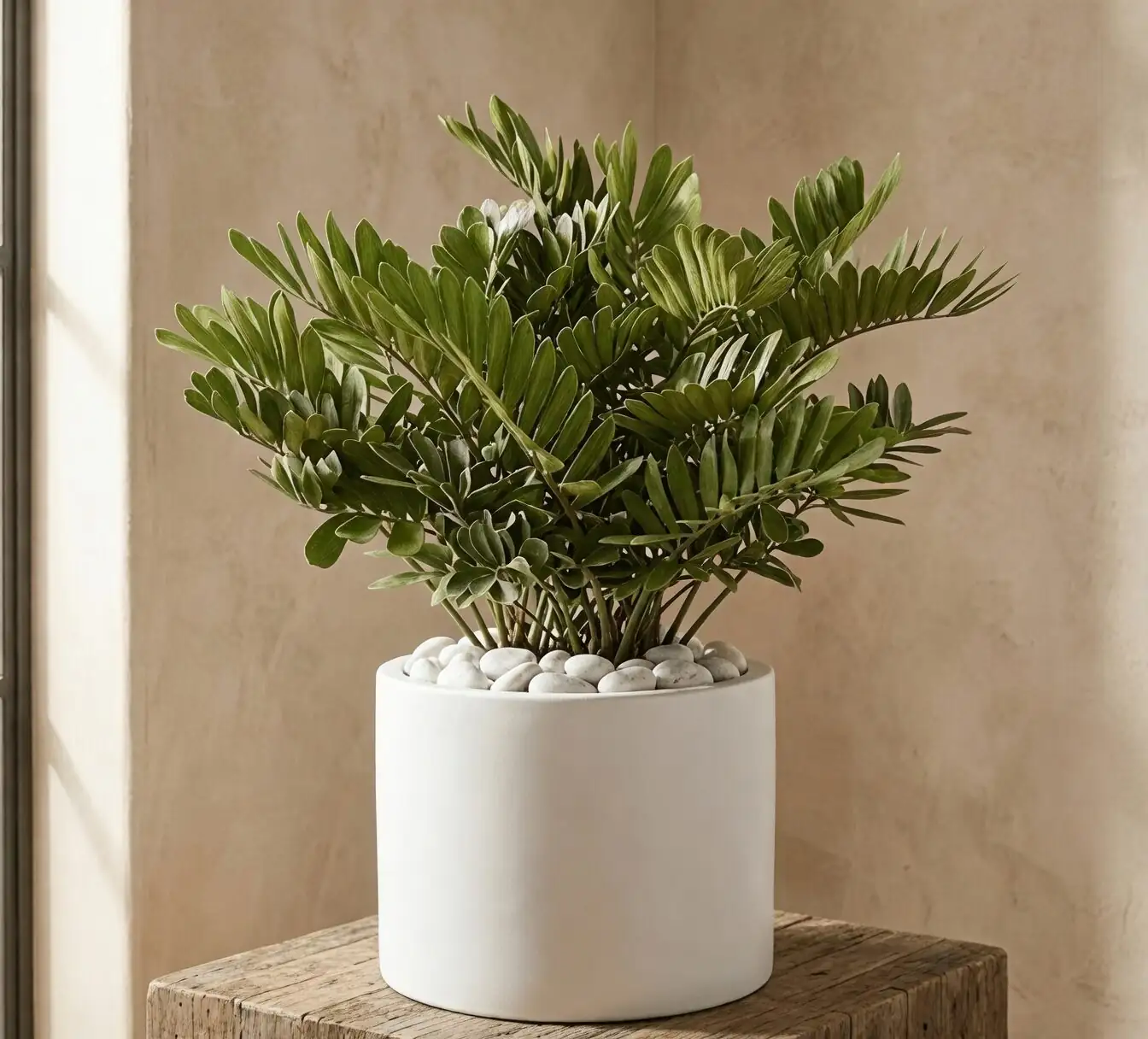
- Repotting cadence: Small plants every ~2 years; larger ones every 3–4. Spring is best.
- Propagation:
- Seeds: Sow indoors in spring; cover ~2 cm (0.8 in). Warmth (24–30°C / 75–86°F) speeds germination—often around two weeks if consistently warm.
- Offsets (April–May): Detach pups, allow the cut to dry/callus, then root in clean sand at 26–30°C (79–86°F) before potting into a fast-draining mix.
Troubleshooting by symptom
- Yellowing leaves:
- Usual culprits: Cold snaps or wide day–night swings, weak light in winter, drafts from vents, overwatering in cool conditions, extreme underwatering, or fertilizer misuse.
- Fix: Stabilize temperatures, brighten light, adjust watering to season, and resume balanced feeding only when growth is steady.
- Limp or browning bases:
- Likely overwatering in cool weather. Unpot to inspect roots if decline continues; trim rot, refresh into sterile, sharper-draining mix.
- Pale, stretched new fronds:
- Light is too weak during a flush. Move brighter immediately (with airflow).
- Speckling, sticky patches, or crusty bumps:
- Suspect scale insects. Wipe off and treat with horticultural oil or insecticidal soap; repeat as needed. Improve ventilation.
Safety note
- Toxic if ingested. Like many cycads, all parts—especially the seeds—contain potent toxins. Keep away from children and pets.
Symbolism and story
- Resilience and longevity: As a “living fossil” lineage that predates flowering plants, this cycad embodies quiet strength and patience. While it doesn’t produce flowers (and thus has no literal flower language), enthusiasts often attribute meanings of endurance, architectural calm, and time-tested grace to Zamia furfuracea—an apt metaphor for a plant that grows deliberately and rewards consistent, thoughtful care.
Buying tip to start strong
- Choose a specimen with a firm, thick caudex and evenly arranged, deep-green fronds free of pests (especially scale) and damage. On arrival, give it your brightest, best-ventilated spot and water lightly while it settles. If it’s pushing new leaves, weak light leads to thin, stretched leaflets—so think sunshine and airflow.
Your year, simplified
- Spring: Warm up care; repot or propagate; resume feeding; expect a frond flush.
- Summer: Brightest light with ventilation; keep lightly moist; monthly feeding; cones may appear on mature plants.
- Autumn: Reduce watering; no more feeding as growth slows.
- Winter: Bright and cool; water sparingly; keep above 2°C (36°F).
Follow this rhythm, and your “Cardboard Palm” will reward you with evergreen poise—and, with time, that thrilling flush of new fronds or a sculptural cone announcing true cycad maturity.