

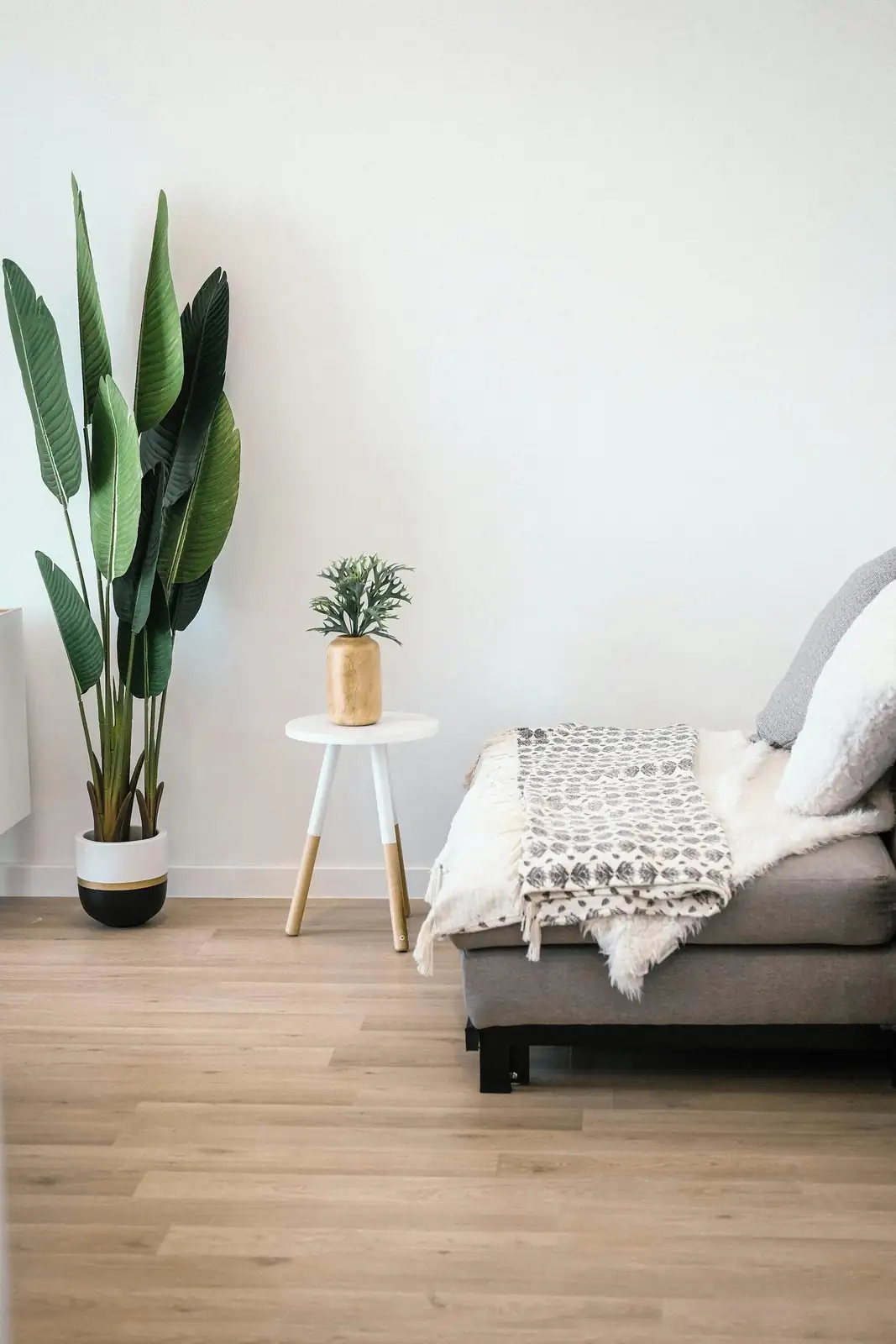
Imagine a sunlit room with a gentle cross-breeze: clean lines, open space, and a few sculptural plants that look as if they were composed by a minimalist painter. At the heart of it all sits Cardboard Palm (Zamia furfuracea)—not a palm at all, but an ancient cycad with thick, feather-like fronds that practically beg for creative company. If you love bright, airy settings, this is your blueprint for pairing textures that pop, watering needs that sync, and containers that keep drainage dialed.
Meet Zamia furfuracea: texture, poise, and patience
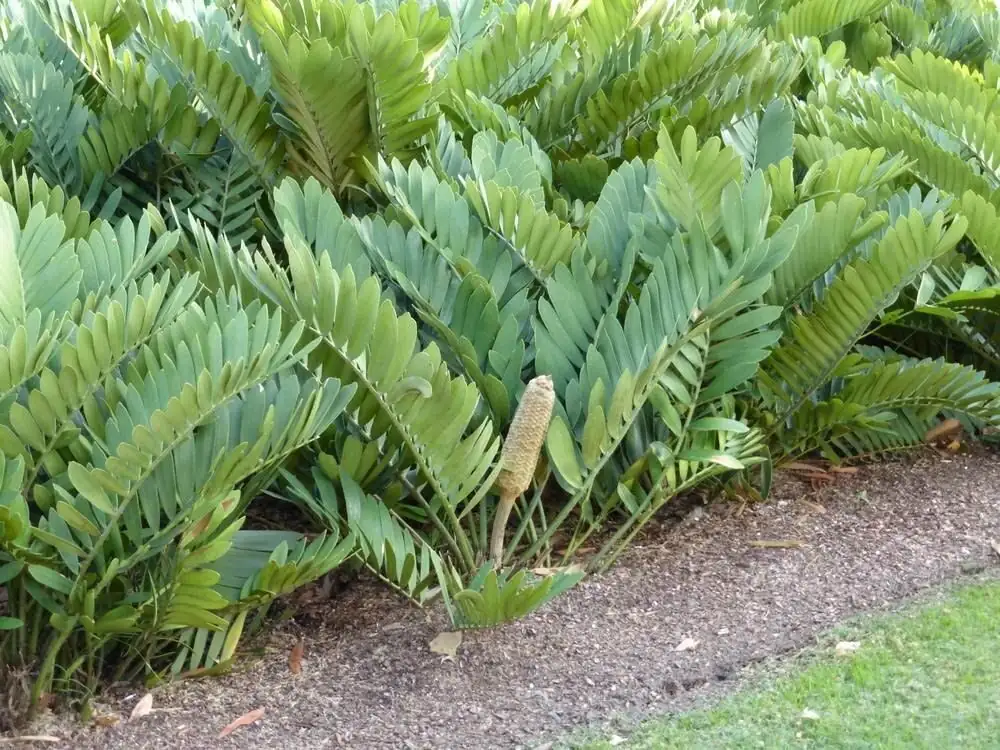
Cardboard Palm is a slow-growing, evergreen cycad native to eastern Mexico (Veracruz). Its neat rosette of stiff, glossy, pinnate fronds reads as “architectural” from across the room and “velvety-cardboard” up close—hence the name.
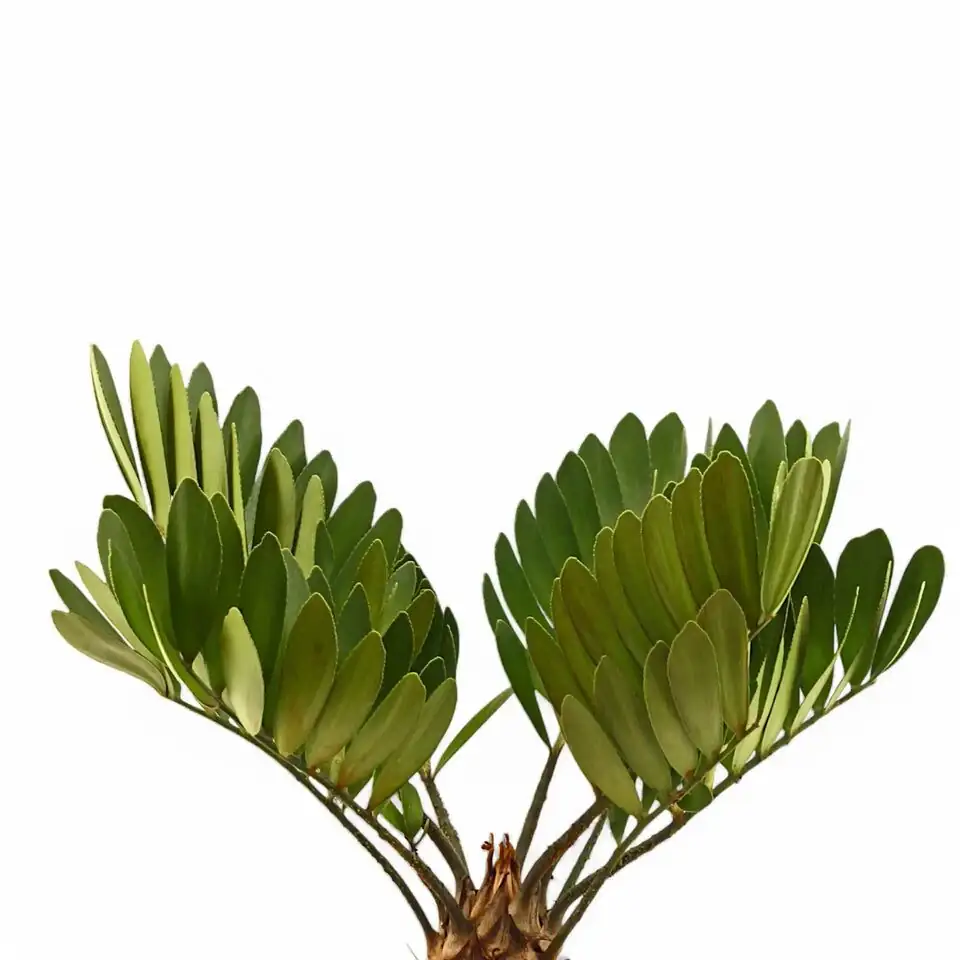
- Light: Thrives in bright light to full sun indoors; also tolerates bright shade. In intense sun behind glass, protect from harsh, scorching midday rays with a sheer curtain.
- Air: Loves a bright, well-ventilated window or a sheltered balcony with free airflow.
- Water: Water thoroughly, then let the top of the mix dry before repeating. Keep lightly moist in the active season but never soggy; reduce in autumn; keep on the dry side in winter. Cold + wet soil is the fast-track to rot.
- Temperature: Ideal 13–24°C (55–75°F). Keep above 2°C (36°F).
- Soil: Very free-draining. Think about 2 parts potting/leaf-mold–based mix to 1 part coarse sand/grit/perlite.
- Habit: Slow, steady, and forgiving. Old basal leaves naturally yellow with age—remove them cleanly to tidy the silhouette.
- Safety: Toxic if ingested—especially the seeds. Keep out of reach of kids and pets.
Design promise: an elegant, low-maintenance anchor plant that loves bright rooms, offices, and sheltered balconies—and sets the stage for striking companions.
How to build a bright, airy “plant ensemble”
Before we pick the players, align three pillars: texture, timing, and containers.
1) Texture: make contrasts intentional
Zamia’s fronds are stiff and feathered. Pair it with:
- Upright “swords” or ribbons for line contrast
- Rosettes for sculptural repetition at different scales
- Fine, trailing stems to soften the base and add motion
2) Synchronized watering
Choose companions that also prefer a soak-then-dry rhythm and dislike wet feet.
- “Happy together” traits: bright light tolerance, drought tolerance, and appreciation for gritty potting mixes.
- “Mismatched” traits to avoid: thirstier ferns, moisture-loving calatheas, or plants that sulk if the soil dries.
3) Containers and airflow
- Use pots with drainage holes, free-draining mix, and good ventilation around the foliage.
- A shallow, wide container often suits Cardboard Palm’s root system and keeps it stable.
- In display groupings, ensure each plant drains independently—no pot should sit in another pot’s runoff.
Perfect partners: curated pairings for modern spaces
A. Sculptural Trio: Cardboard Palm + Snake Plant + Wax Plant
- Plants:
- Dracaena trifasciata (Snake Plant)
- Hoya carnosa (Wax Plant), trailing from a shelf or hoop
- Why it works:
- Compatible light: bright to bright-shade.
- Similar schedule: water well, then dry. All resent soggy soil.
- Texture tension: Zamia’s feathered fans vs. Snake Plant’s vertical blades, softened by Hoya’s glossy vines.
- Potting tips:
- Use gritty, fast-draining mixes for all; terracotta keeps roots airy.
- Keep Hoya in a hanging pot or perched cachepot with a spacer so no one sits in runoff.
B. Desert-Modern Cluster: Cardboard Palm + Ponytail Palm + Pocket Rosettes
- Plants:
- Beaucarnea recurvata (Ponytail Palm)
- Haworthia or Gasteria (small rosettes)
- Why it works:
- All are drought-tolerant, thrive in bright light, and enjoy drying between waterings.
- Visual balance: two caudexed “sculptures” with glossy, small-scale rosettes at the base.
- Potting tips:
- Keep Zamia in a shallow, wide container for stability; Ponytail Palm can live in a slightly deeper terracotta pot.
- Haworthia/Gasteria excel in the same gritty blend and love bright, indirect light near the group.
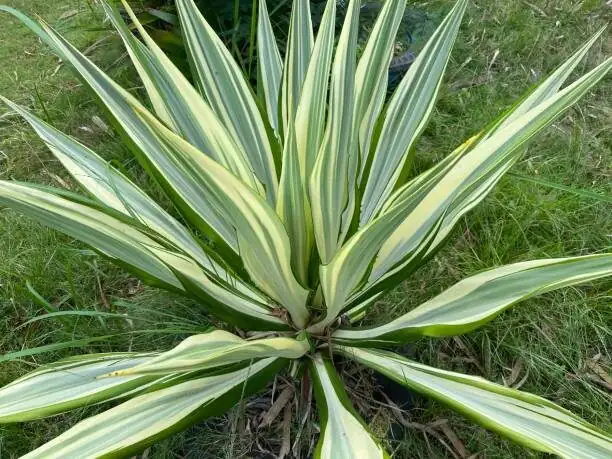
C. Bright Balcony Breeze: Cardboard Palm + Spineless Yucca + A Trailing Succulent
- Plants:
- Yucca elephantipes (Spineless Yucca)
- Sedum morganianum (Burro’s Tail), hanging just off to the side
- Why it works:
- Light-forward trio for a sheltered, sunny balcony or a sunroom with airflow.
- All appreciate drying intervals and excel in containers that drain quickly.
- Potting tips:
- Shield from burning midday glass-magnified sun with a sheer or distance from the pane.
- Hang Sedum so it doesn’t get splashed repeatedly—rotting leaves hate repeated wetting.
D. Minimalist Contrast: Cardboard Palm + Raven ZZ + String of Hearts
- Plants:
- Zamioculcas zamiifolia ‘Raven’ (ZZ Plant)
- Ceropegia woodii (String of Hearts)
- Why it works:
- All tolerate bright light and appreciate a dry spell between waterings.
- Moody, inky ZZ foliage makes Zamia’s deep green fronds read crisper; Ceropegia’s filigree drape adds lightness.
- Potting tips:
- Keep ZZ slightly drier in winter—just like Zamia.
- Use footed pots or pot feet so air circulates under containers.
E. Soft-Edge Statement: Cardboard Palm + Agave attenuata + Hoya linearis
- Plants:
- Agave attenuata (soft, spineless agave for interiors with strong light)
- Hoya linearis (wispy, trailing strands)
- Why it works:
- Three forms: feathered, sculptural rosette, and gossamer cascade.
- Potting tips:
- Match your mix textures—chunky perlite/pumice works beautifully here.
- Space plants so air passes freely—especially important for Zamia’s crown.
Containers that keep drainage on point
Choose the right pot
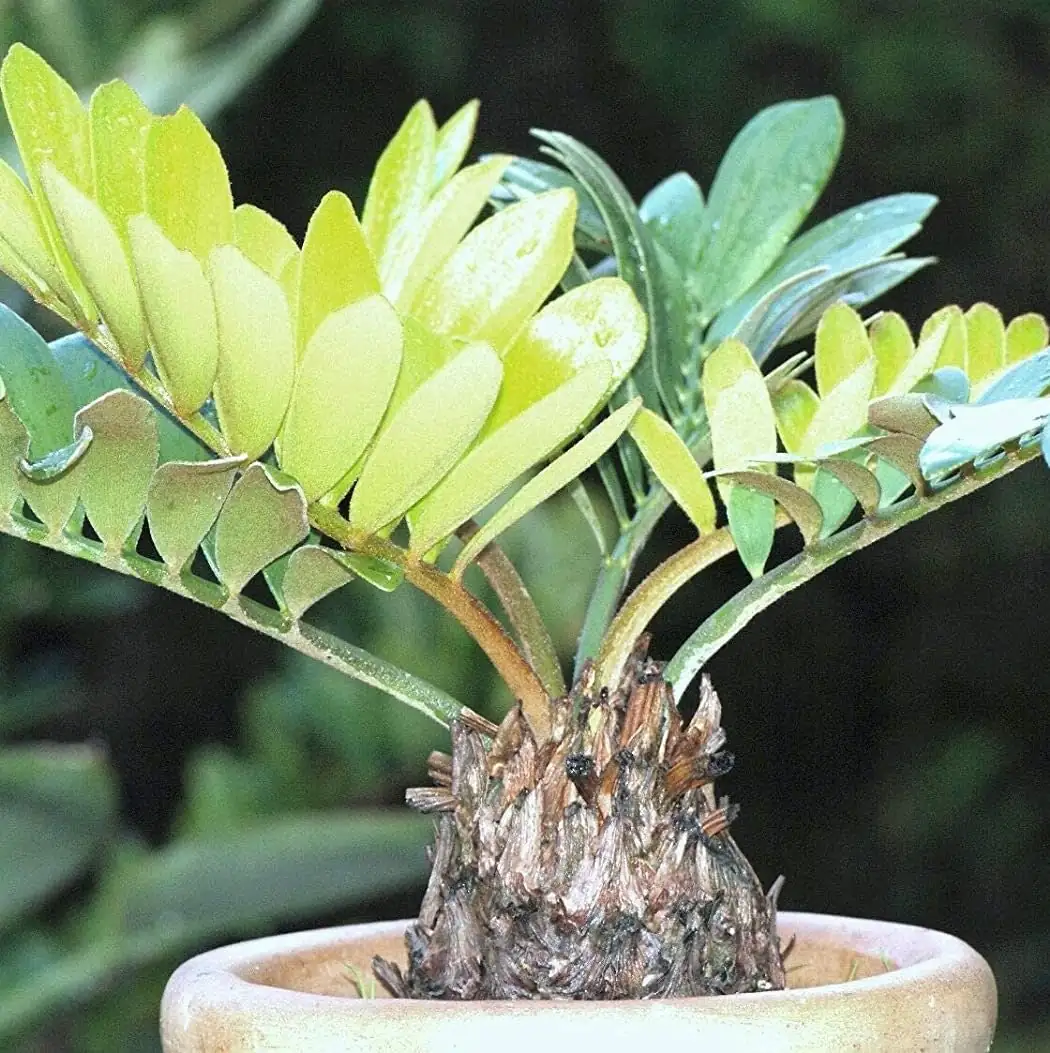
- Terracotta or unglazed clay: naturally breathable and highly forgiving if you overwater once.
- Shallow, wide pots for Zamia: improve stability and match the root architecture.
- Always use drainage holes. Skip “drainage layers” in the bottom of the pot; instead, rely on a uniformly well-draining mix.
Build a smart substrate
- Target blend for Zamia: roughly 2 parts quality potting/leaf-mold–based mix to 1 part coarse sand, grit, or perlite.
- For companions that like it even airier (agaves, haworthias): increase the grit fraction.
- Sit nursery pots on risers/spacers inside cachepots so no roots sit in runoff.
Ventilation matters
- Give each container a bit of space—just enough to let air glide through. This reduces leaf spot risk and keeps the crown dry.
A synced watering rhythm for the whole group
- Growing season:
- Water thoroughly, then let the top layer of mix dry before watering again.
- Zamia likes “lightly moist” but never soggy—its caudex stores reserves, so err slightly dry.
- Autumn shift:
- Gradually lengthen the intervals between waterings as temperatures cool.
- Winter rest:
- Keep it brighter and cooler, water sparingly, and always keep above 2°C (36°F). Cold + wet soil is trouble.
- Pro move:
- Wipe Zamia’s leaves or mist lightly in warm weather to remove dust—great for photosynthesis and gloss without saturating the crown late in the day.
Seasonal snapshot (so you can plan your pairings)
- Spring:
- Resume watering gradually; repot if needed; start monthly feeding with a balanced fertilizer.
- Propagate Zamia by seed indoors or separate offsets in April–May.
- Summer:
- Brightest light with ventilation; fertilize monthly; keep mixes free-draining and lightly moist.
- Cones (not flowers) may appear in warm, bright conditions.
- Autumn:
- Reduce watering as nights cool; maintain airflow.
- Winter:
- Brighter, cooler spot; water sparingly; keep well above frost.
Troubleshooting a chic cluster
- Yellowing leaves on Zamia:
- Common causes: low winter temperatures or big day–night swings, weak light, drafts, overwatering (especially in cool weather), severe underwatering, stress from renovations (off-gassing), or fertilizer mistakes.
- Pests:
- Watch for scale on stiff leaves. Wipe off and treat with horticultural oil or insecticidal soap; repeat as needed.
- Leaf spot:
- Improve airflow, avoid wetting the crown late, and remove affected foliage.
- Root issues:
- Use clean, fast-draining media; never let pots stand in water.
Sourcing and settling in
- Choose a Zamia with a firm, thick base (caudex) and symmetrical, deep-green leaves free of spots or pests.
- After purchase:
- Give it your brightest, best-ventilated spot right away.
- Water lightly at first while it acclimates—this plant tolerates drought better than damp, cool media.
Symbolism corner: quiet strength from an ancient lineage
Cardboard Palm doesn’t produce “flowers” in the usual sense—it forms male and female cones. So if you ever see “flower language,” treat it as poetic license. What it truly symbolizes for many growers is resilience and longevity: a living fossil with a slow, steady tempo that brings calm focus to modern interiors. In a bright, airy vignette, that quiet strength becomes the room’s heartbeat.
Quick safety note
- All parts are toxic if ingested—especially the seeds. Curate your display out of reach of pets and children.
Designing with Zamia furfuracea is about balance: crisp form, breathable light, and companions that share its thirst-for-dry rhythm. Get the drainage right, and your bright, airy ensemble will look effortless for years.