

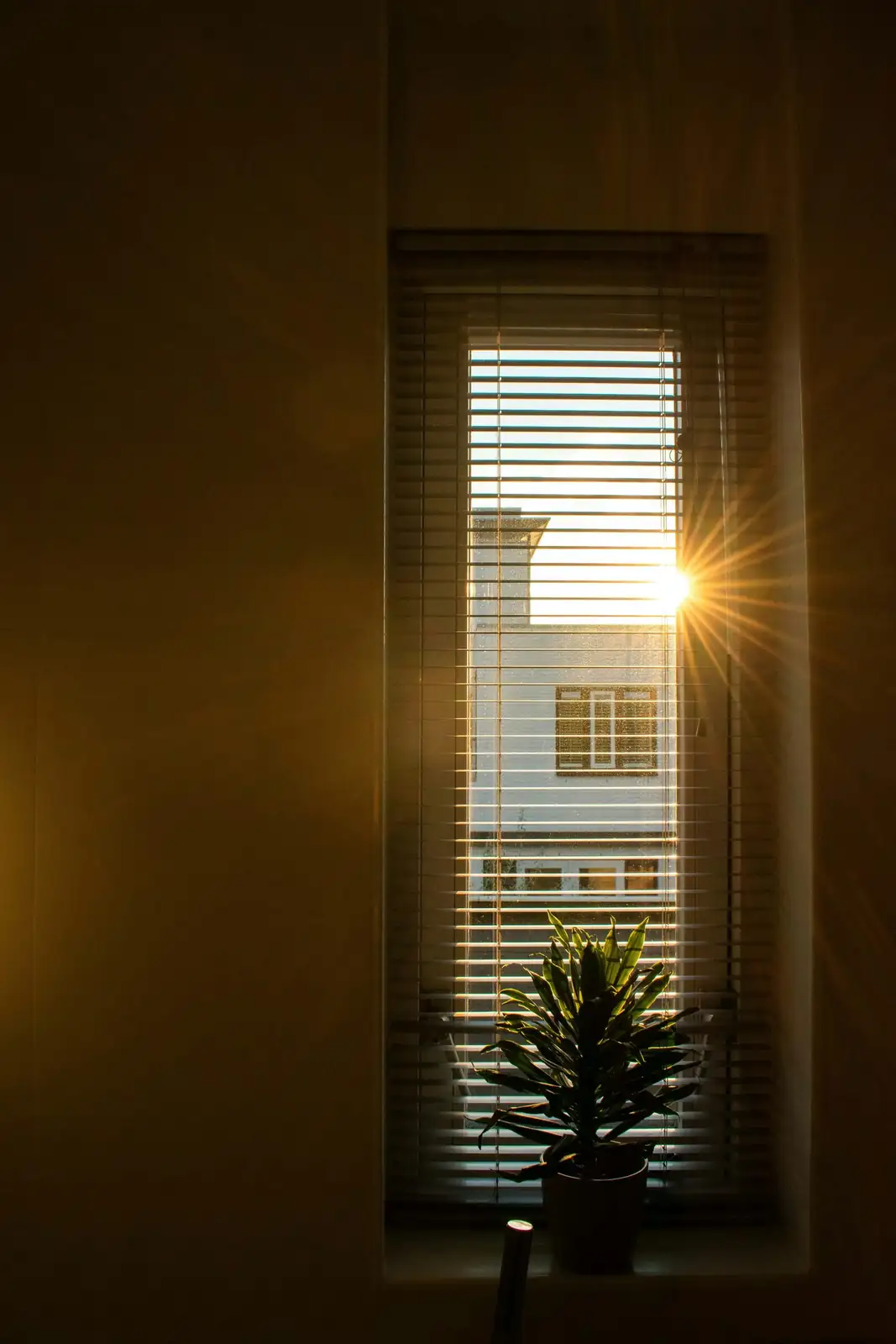
Think of Cardboard Palm (Zamia furfuracea) as a sun-loving minimalist: it craves bright, steady light and clean, moving air—but it doesn’t want to be baked behind a hot pane of glass or parked in a wind tunnel. Decode those needs well, and this ancient cycad rewards you with a tidy, evergreen crown that looks sculptural year-round on a windowsill or balcony.
Bright exposure without the glass-baked scorch
Zamia furfuracea is happiest in bright light to full indoor sun and also copes with bright shade. The nuance is where and how that light reaches the leaves.
- Why midday glass can scorch: Sunlight passing through glass stacks heat on the leaf surface, especially around midday. Without airflow to carry heat away, leaf tissue can overheat and tan.
- The sweet spot: Strong morning sun, luminous afternoons, and good ventilation. Protect from harsh midday rays behind glass in summer.
A window-by-window guide (apartment placement)
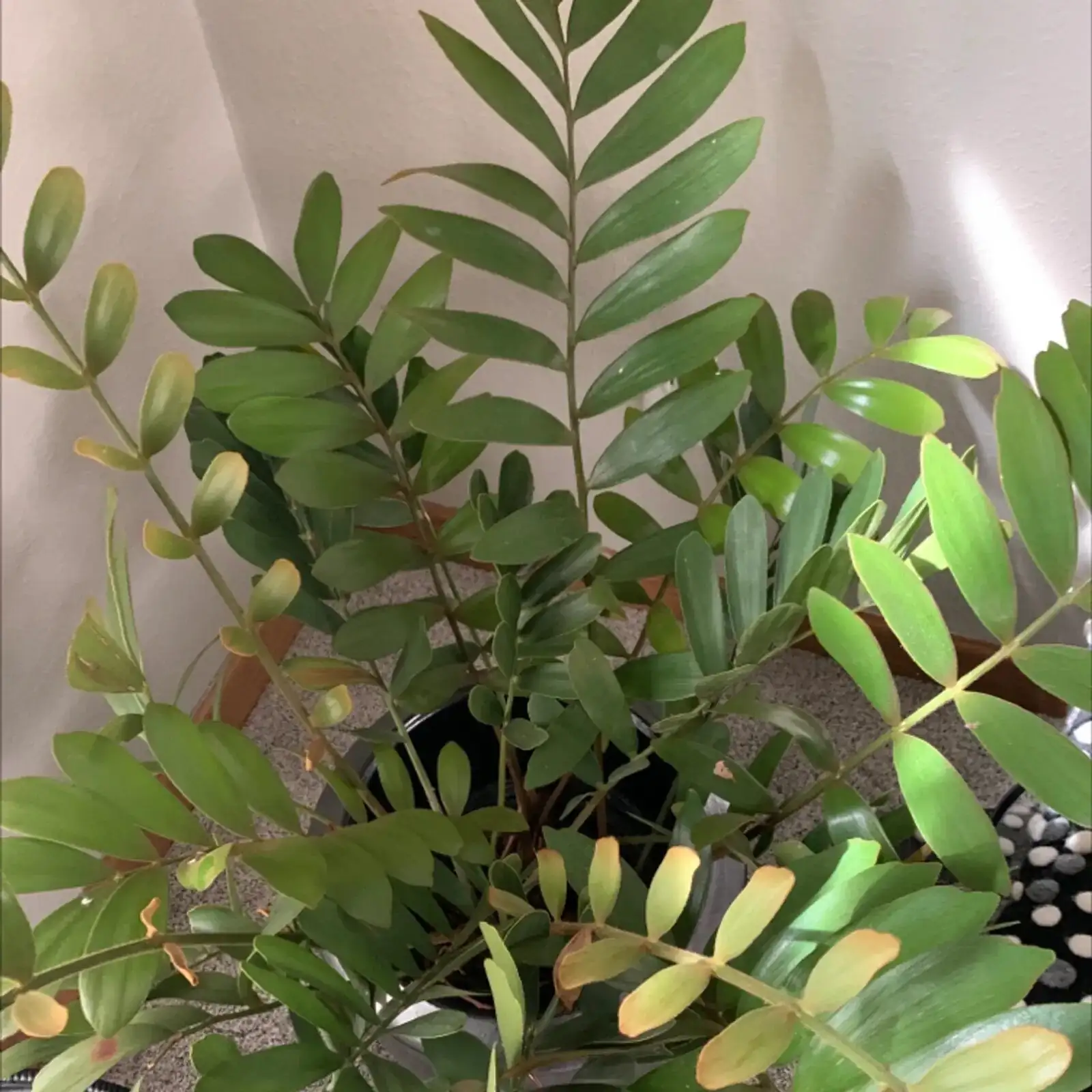
Use these cues to dial in your setup and avoid “sunburn.”
- East-facing window
- Morning sun (2–4 hours) is ideal. Place the plant close to the glass in spring and summer.
- In heatwaves, pull back 15–30 cm or add a sheer curtain at midday if leaflets feel hot to the touch.
- South-facing (NH) / North-facing (SH)
- Bright all day, but midday can be intense in summer. Add a sheer (30–50% filter) from about 11 a.m.–3 p.m., or set the pot 30–60 cm back.
- Crack the window or run a fan on low to keep air moving and leaf temperatures down.
- West-facing
- Afternoon sun arrives with heat. Filter from mid-afternoon in summer and prioritize airflow.
- Watering frequency may increase slightly due to late-day heat and faster drying.
- North-facing (NH) / South-facing (SH)
- Bright shade works, though growth is slower. Keep very close to the window and rotate the pot every few weeks to keep the crown even.
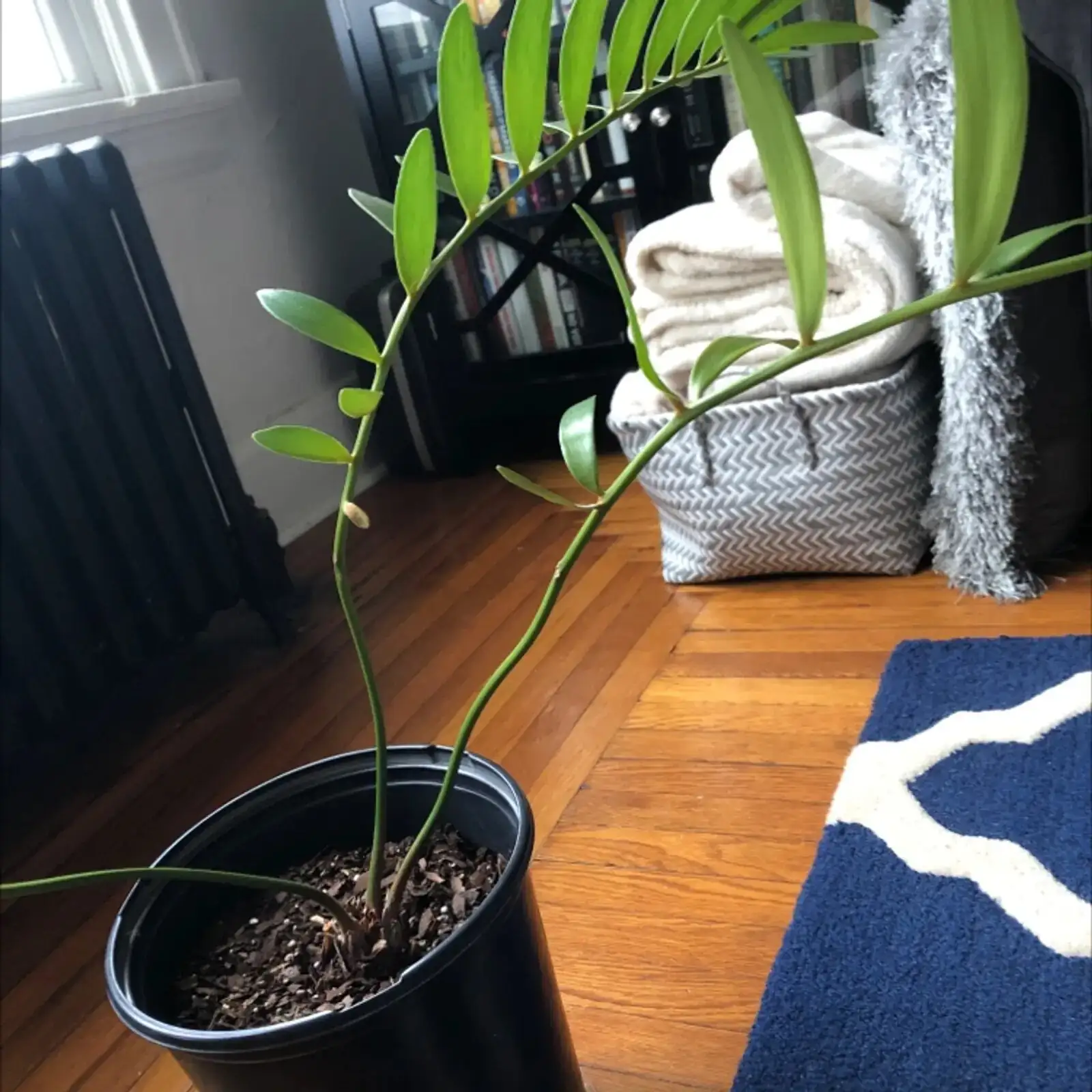
- If pushing new leaves, ensure the light is strong; weak light causes stretched, sparse-looking fronds.
Pro move: Turn the plant a quarter turn every 2–3 weeks for even symmetry.
Reading the leaves: quick light diagnostics
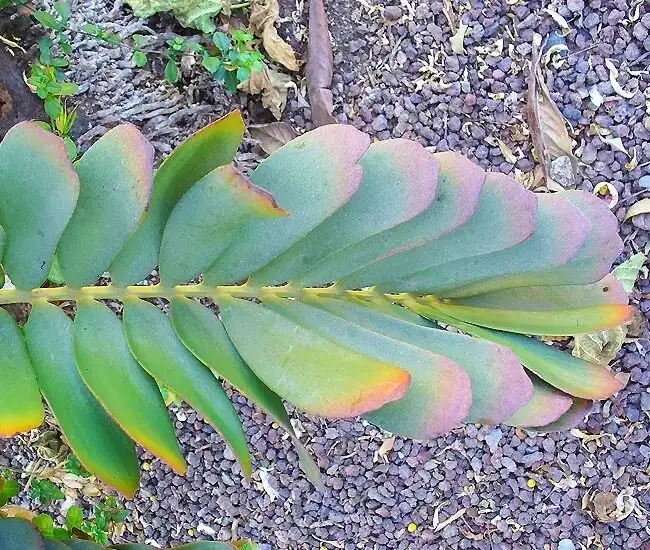
- Too little light: New fronds emerge thin or stretched; the crown looks sparse.
- Too much/too hot: Tan or bleached patches on the sunward side after a hot spell; leaflets feel crispy. Respond by filtering midday sun and boosting airflow.
Ventilation decoded: why moving air matters
Airflow is the unsung hero for Zamia. It:
- Cools sun-warmed leaves and prevents heat build-up behind glass.
- Speeds gentle surface drying, discouraging leaf spot and crown issues—especially if water ever splashes the crown.
- Makes life harder for scale insects and keeps foliage cleaner.
What “good airflow” looks like:
- A gentle, continuous current—open windows, a ceiling fan on low, or an oscillating fan across the room.
- No cold blasts from AC, heater vents, or leaky doors. Aim for stable temperatures: ideal 13–24°C (55–75°F). Keep above 2°C (36°F); freezing can damage leaves.
Air movement checklist:
- Space plants so fronds don’t overlap tightly.
- Wipe leaves occasionally; in warm seasons, a light mist followed by airflow helps clean dust (avoid soaking the crown late in the day).
- If leaf spot appears, remove affected leaves, increase airflow, and keep water off the crown toward evening.
From apartment window to balcony: how placement changes
Zamia looks fabulous outdoors on a sheltered, sunny balcony—if you introduce it thoughtfully and watch temperatures.
Hardening-off: a 10–14 day plan
- Days 1–3: Bright shade only.
- Days 4–7: Add 1–2 hours of early morning sun.
- Days 8–14: Gradually extend morning sun; provide dappled or filtered light near midday.
- Always ensure free airflow; avoid a wind tunnel.
Final balcony site:
- Light: Bright with gentle morning sun; filter or shift out of harsh midday summer sun.
- Air: Breezy, not blustery.
- Pot: A sturdy container with excellent drainage; avoid saucers that hold standing water.
Cold snap rule:
- Bring indoors if forecasts approach 2°C (36°F). Leaf damage can occur at 0°C (32°F), and this plant is not frost-hardy.
Watering and light: how they interact
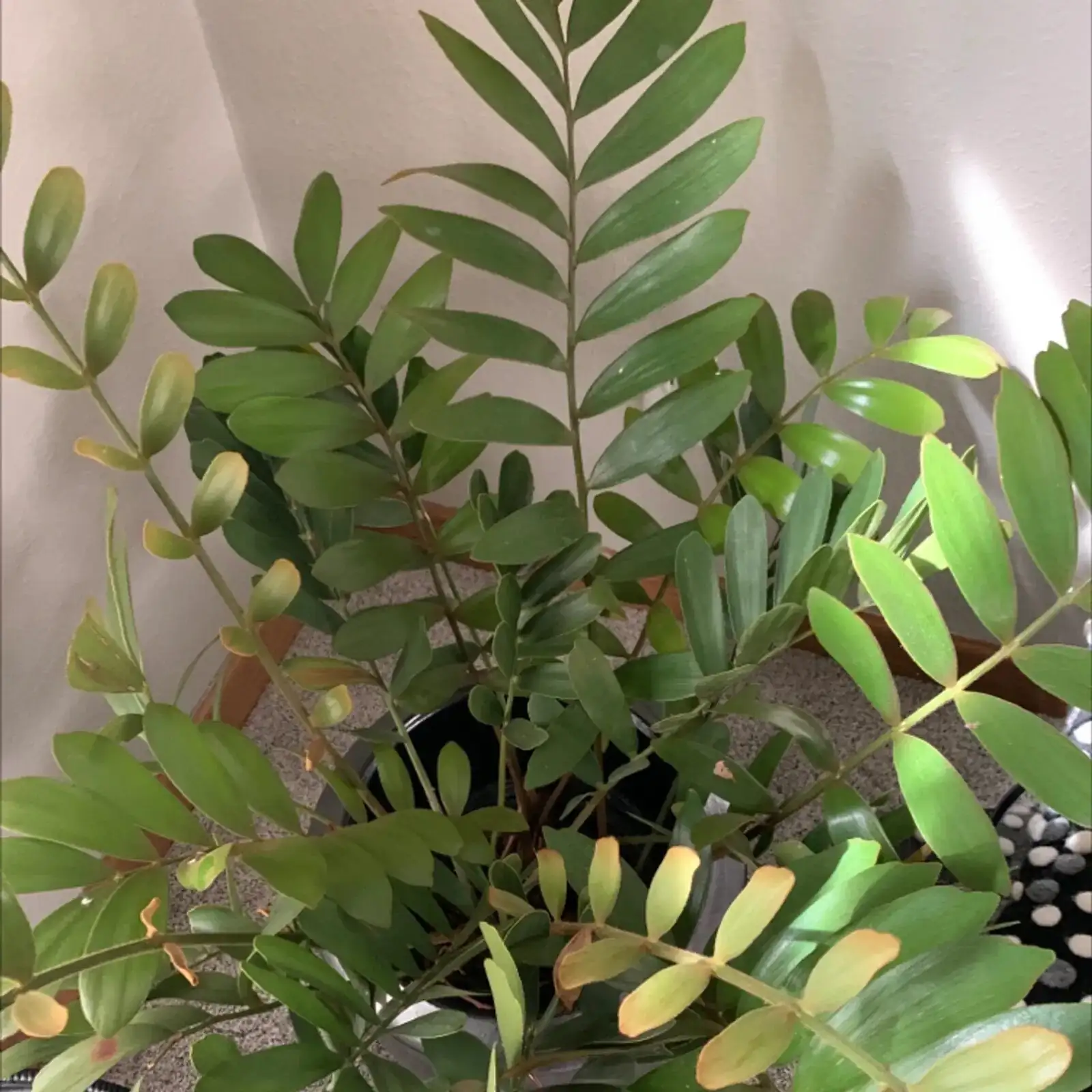
Brighter, warmer placements mean faster drying, but soggy is never OK.
- The baseline: Water thoroughly, then let the top layer of mix dry before watering again. In the active season, keep the mix lightly moist—never waterlogged.
- Seasonal shift: Reduce watering in autumn; in winter, keep it on the dry side. Cold + wet soil is a classic recipe for root rot.
- Balcony note: Expect slightly more frequent watering in wind and sun; still allow the top to dry first.
- Crown care: Try not to wet the crown, and avoid keeping it damp late in the day to minimize leaf spot.
Soil, potting, and airflow below the surface
Roots need air as much as leaves do.
- Mix: Very free-draining—about 2 parts peat/leaf-mold–based potting mix to 1 part coarse sand, grit, or perlite.
- Pot: Must have drainage holes. A shallow, wide container suits the root system and adds stability.
- Repotting: Slow grower—repot small plants every ~2 years, larger ones every 3–4 years, in spring if possible.
- Feeding: Monthly during the growing season with a balanced fertilizer (e.g., NPK 20-20-20) at label rates. Skip winter feeds if growth slows.
Seasonal placement playbook
- Spring
- Gradually increase brightness; resume regular watering and monthly feeding.
- Perfect time to repot if needed or to separate offsets.
- Summer
- Brightest light with protection from scorching midday sun behind glass.
- Keep air moving; lightly moist, never soggy; monthly feed.
- Outdoor balcony? Shelter from the fiercest midday rays and wind.
- Autumn
- Reduce watering as temperatures cool. Keep bright.
- Winter
- Cool, bright spot indoors is ideal. Water sparingly; keep above 2°C (36°F).
- Average indoor humidity is fine; occasional leaf-wiping keeps foliage clean.
Style, structure, and slow-and-steady growth
- Habit: An evergreen, slow-growing cycad forming a compact rosette over a thickened base (caudex). Stiff, deep-green, glossy leaflets give that “cardboard” feel.
- Grooming: No shaping needed. Remove older yellowing leaves individually at the base with clean tools.
Troubleshooting at a glance
- Yellowing leaves by spring:
- Common culprits: low winter light, cold drafts or big day–night swings, overwatering in cool weather, extreme underwatering, misapplied fertilizer, or poor airflow. Stabilize temperature, improve light/ventilation, and reset watering.
- Pests:
- Scale is the headline pest. Wipe off and treat with horticultural oil or insecticidal soap; repeat as needed. Good airflow and clean leaves help deter outbreaks.
- Rot risks:
- Prevent with fast-draining mix, careful winter watering, and avoiding waterlogged crowns or media.
Safety first
All parts are toxic if ingested, especially the seeds. Keep out of reach of children and pets.
Roots and meaning: a living fossil’s quiet charisma
- Provenance: Native to eastern Mexico (Veracruz), this species doesn’t flower—it produces separate male and female cones, most often in warm, bright summer conditions.
- Symbolism:
- Frequently seen as a symbol of resilience and longevity. Its slow pace, ancient lineage, and evergreen poise project a calm, enduring presence.
- About “flower language”:
- Classic floriography focuses on flowering plants; cycads cone, they don’t bloom. So any “flower language” for Cardboard Palm is modern, metaphorical—less Victorian code, more contemporary appreciation of strength, patience, and time.
The final formula
- Light: Bright, with morning sun preferred; filter harsh midday behind glass.
- Air: Gentle, steady movement—never cold blasts.
- Water: Thorough soaks, then allow the top to dry; drier in winter.
- Roots: Free-draining mix and a pot that never holds water.
- Seasons: Adjust placement and watering with temperature and light; bring plants indoors before cold bites.
Get those five right, and your Zamia furfuracea will look effortlessly architectural—from apartment window to sunlit balcony—with leaves as immaculate as its reputation.