

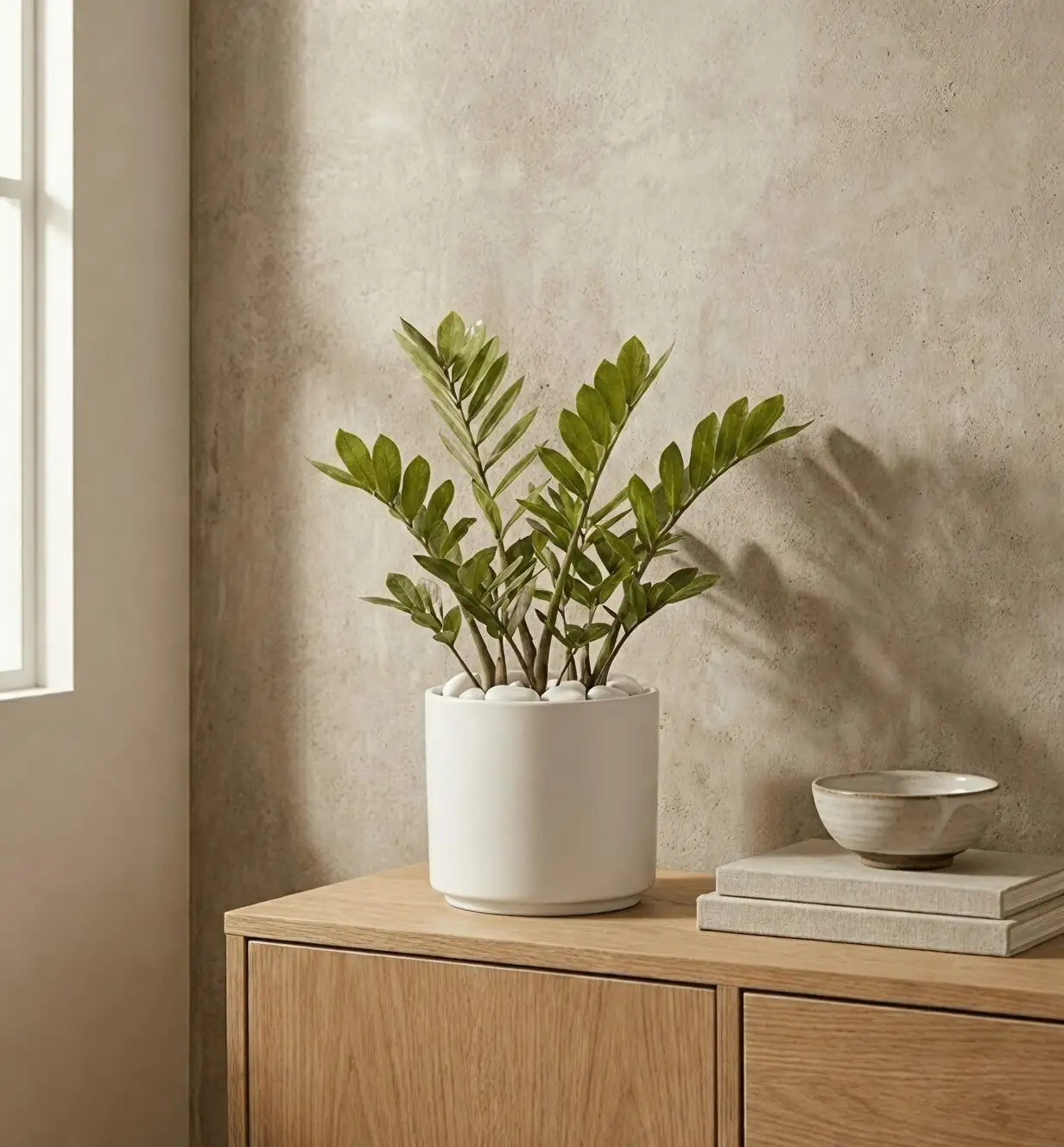
Meet the cardboard palm (Zamia furfuracea): a slow, stoic cycad with a water-storing base and “cardboard” leaflets that stay crisp and architectural year-round. It tolerates a missed watering better than most houseplants—but it has one hard line: cold, wet roots. Nail the seasonal watering, and this ancient beauty will look immaculate for years.
What follows is a practical, confidence-boosting watering game plan for warm, fast-growth months and cool, low-evaporation winters—built expressly to avoid the number-one killer: cold, wet soil.
The plant’s water logic (why it’s easy to keep happy)
- Semi-succulent by design: The thickened base (caudex) and sturdy roots hold reserves. This makes Zamia drought-tolerant once established, but it still looks its best with modest, regular moisture in warm weather.
- Slow metabolism, faster rot: In cool, low light, roots “drink” less. If soil stays wet then, oxygen levels drop and roots fail fast. Keep warm seasons lightly moist; keep winters on the dry side.
- Light and airflow matter: Bright light to full sun indoors with free airflow speeds safe drying. Protect from harsh, scorching midday sun behind glass.
Spring–summer watering playbook (growth season)
Set the scene
- Light: Bright to very bright light; a sunny, well-ventilated window or sheltered balcony is ideal.
- Temperature: 13–24°C (55–75°F) is the sweet spot. Warmer rooms and longer days mean higher evaporation—and slightly more frequent watering.
When to water
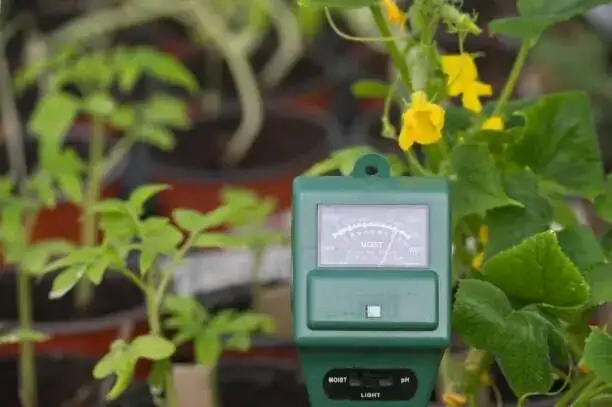
- The finger/chopstick test: Water thoroughly only after the top 2–5 cm (about 1–2 in) of mix has dried. A wooden skewer pushed to mid-depth should come out mostly dry before you water again.
- Lift the pot: Learn the “just-dry” pot weight. Light = time to water; heavy = wait.
- Avoid “daily sips”: They keep the top wet and starve lower roots of oxygen. Go for a full, even soak with proper drying between.
How to water (the safe, thorough method)
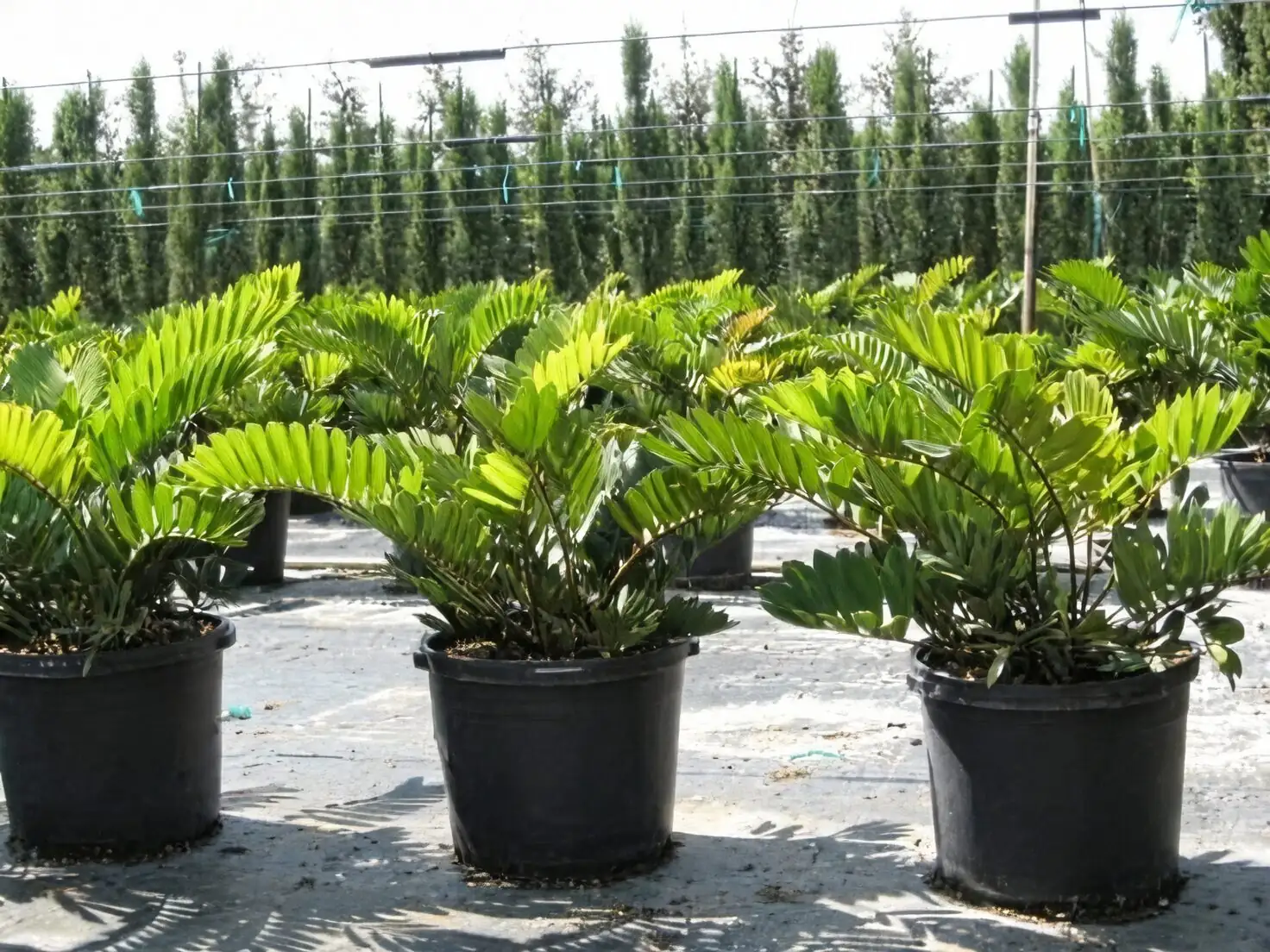
- Water early in the day, with room‑temperature water.
- Pour steadily until water runs from the drainage holes, then let it drain completely. Never leave the pot standing in a saucer of runoff.
- Keep water off the crown and leaves; aim for the potting mix. Zamia dislikes a wet crown.
- Optional bottom-watering: Fine occasionally. Let the plant wick up water from a tray for 10–20 minutes, then drain fully so the mix isn’t left sodden.
How often? Calibrate, don’t calendar
- Typical indoor rhythm: about every 7–14 days in bright, warm conditions. On a hot, airy balcony, it may be a bit more frequent; in bright shade, a bit less.
- Signs it wants water soon: leaflets look a touch cupped, pot feels light, and the mix is dry through the top third.
- In heat waves: Move it back from scorching glass, boost airflow, and water when the same dryness test says “go.” You can mist lightly or simply wipe leaves clean in warm weather to keep dust down—never to replace a proper watering.
Fertilizer and flushing (paired with watering)
- Feed monthly in spring–summer with a balanced fertilizer at label rates. Skip feeding if growth slows.
- Every couple of months in warm season, give a thorough watering that flushes some runoff to reduce salt buildup.
Autumn taper and winter survival (low-evaporation season)
The goal: bright, cool, and mostly dry
- Light: Keep it as bright as you can.
- Temperature: Above 2°C (36°F) at all times; leaf damage can occur below 0°C (32°F). Cool rooms plus wet soil = major risk.
How much and how often

- Reduce drastically as days shorten. Let the top half of the pot fully dry before even considering a light watering.
- Typical indoor rhythm: every 3–5 weeks, sometimes longer. Always test the mix depth and pot weight—do not water by habit.
- The “edge pour”: In winter, when you do water, apply a small, even amount around the pot’s perimeter to moisten the top third to half of the root ball—never to saturation.
- Water temp & timing: Use room‑temperature water, and avoid evening waterings in cool rooms.
Red flags in winter
- Too wet: persistent gnats, sour smell, yellowing that creeps up from older leaves, a softening base.
- Too dry: prolonged crispy tips and a very loose, shrinking root ball. If your mix becomes hydrophobic, set the pot in a basin of water for 10–15 minutes to re-wet, then drain completely—and wait longer before watering next time.
The anti-rot setup (soil, pot, and airflow)
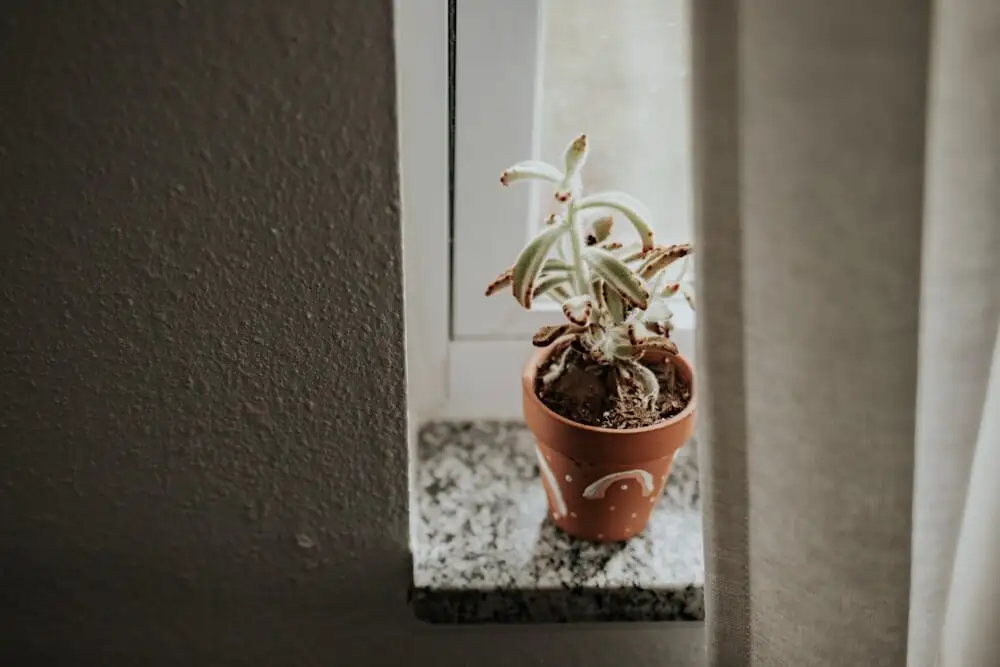
- Mix that breathes: Use a very free‑draining blend—about 2 parts peat/leaf‑mold–based potting mix to 1 part coarse sand/grit/perlite. You can add extra pumice for even more air.
- The right pot: Always use drainage holes. A shallow, wide container stabilizes the crown and suits the root system. Unglazed terracotta speeds drying; plastic retains moisture longer.
- No cachepot traps: If using a decorative cover pot, elevate the grow pot so it never sits in runoff.
- Airflow: A lightly moving airstream (cracked window, small fan across the room) helps leaves stay clean and the mix dry predictably.
Repotting rhythm and what to do afterward
- Slow grower = infrequent repotting: Every ~2 years for small plants; every 3–4 years for larger ones.
- After repotting: Water once to settle the mix, then allow the top layer to dry before the next watering. Keep warm and bright with good airflow.
Troubleshooting: thirsty vs. overwatered
Underwatered
- Signs: leaflets cup upward; fronds feel a bit lax; the mix pulls from the pot sides; pot is very light.
- Fix: Give a thorough soak and drain well. Reassess light and airflow for steadier drying cycles.
Overwatered (especially dangerous in cool rooms)
- Signs: yellowing from older leaves, a sour smell, fungus gnats, soft or mushy caudex, blackened roots.
- Fix, step‑by‑step:
1) Unpot gently and inspect. Trim black, mushy roots with sterile shears.
2) Let the root system air-dry briefly; dust cuts if desired.
3) Repot in fresh, fast‑draining mix and a pot with excellent drainage.
4) Keep warm (ideally 20–24°C / 68–75°F), bright, and airy. Water sparingly until new growth resumes.
Outdoor balcony notes
- Rain is fine in warm weather if the mix drains fast and the pot can dry quickly after showers. In prolonged cold, wet spells, move it under cover.
- Protect from harsh midday sun behind glass; gentle morning sun and bright shade are perfect.
A simple seasonal checklist (ask before you water)
- Is the top 2–5 cm (1–2 in) of mix dry? In winter, is the top half dry?
- Does the pot feel light compared with just-after-watering weight?
- Is the room warm enough for the roots to function (ideally above 13°C / 55°F)?
- Will the plant get good light and airflow in the next few days?
- Am I about to soak thoroughly and then drain fully—no sips, no saucer puddles?
- Is my water room temperature, and am I keeping it off the crown?
Care extras that support smart watering
- Light: Bright light to full sun indoors with ventilation; rotate the pot for even growth.
- Humidity: Average indoor humidity is fine; occasional misting or leaf-wiping in warm seasons keeps foliage clean.
- Pests: Scale can appear—wipe off and treat with horticultural oil or insecticidal soap. Good airflow and avoiding a wet crown (especially late in the day) reduce leaf spot issues.
- Safety: All parts are toxic if ingested—especially the seeds. Keep away from pets and children.
Why this plant rewards restraint
Zamia furfuracea is a living fossil with quiet strength—a symbol of resilience and longevity. Treat its roots like the priceless heirloom they are: keep them warm, bright, and never stewing in cold, wet soil. With that single habit, your cardboard palm will carry its glossy, architectural fronds through many seasons—calm, composed, and beautifully low‑maintenance.
At‑a‑glance watering calendar
- Spring: Resume watering gradually as light and temps rise; begin monthly feeding; repot or divide offsets (April–May) if needed.
- Summer: Brightest light with ventilation. Keep the mix lightly moist—thorough soaks with partial dry‑downs. Feed monthly.
- Autumn: Stretch intervals; reduce volume as temperatures and day length drop.
- Winter: Bright and cool; water sparingly and keep above 2°C (36°F). Cold + wet soil is a recipe for root rot—when in doubt, wait.