

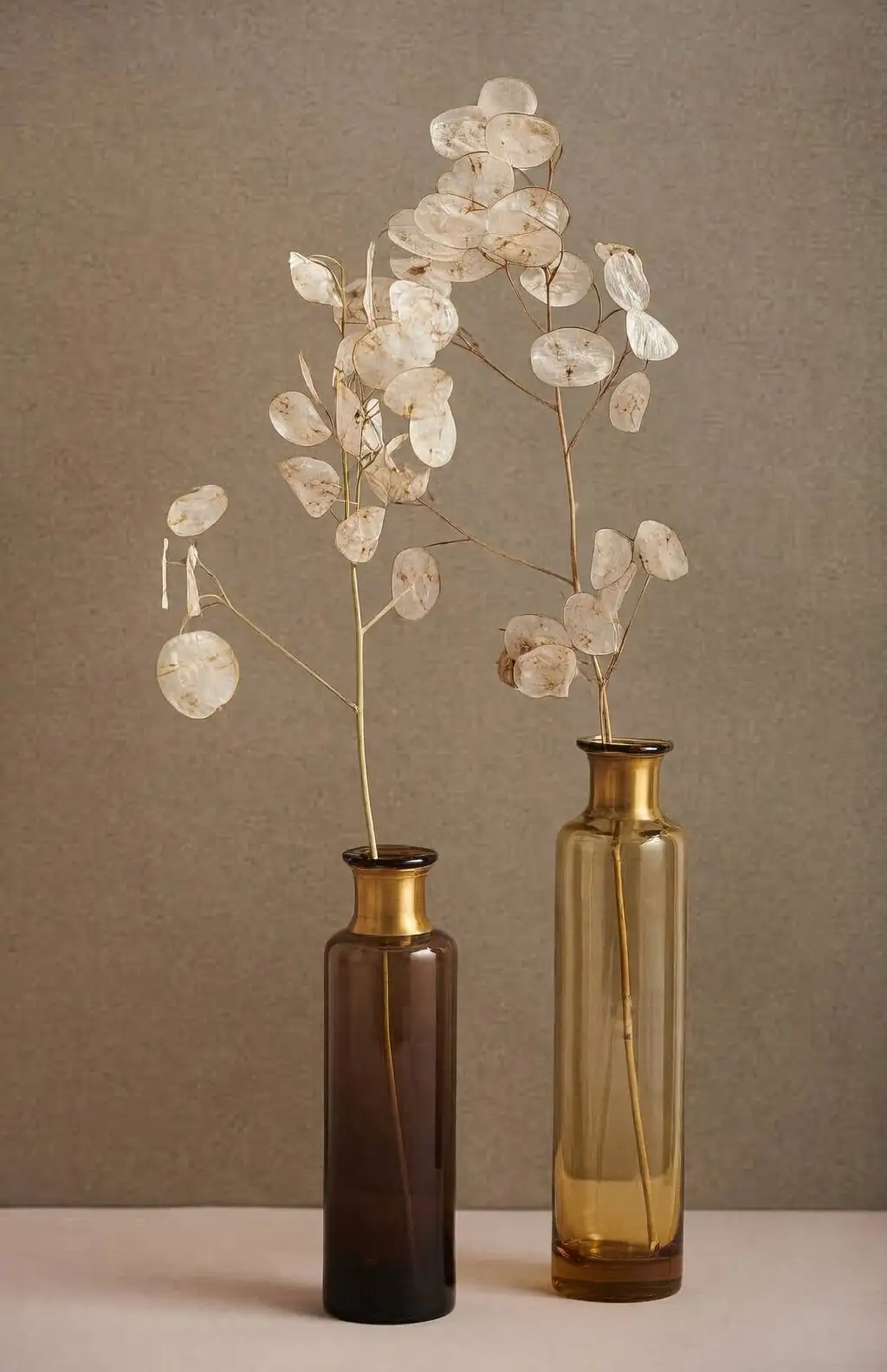
Ready to turn a classic indoor evergreen into a sleek, living science experiment? Buddhist pine (Podocarpus macrophyllus)—aka Japanese yew, Yew Plum Pine, 竹柏—loves a tidy look and adapts beautifully to a glass-and-LECA setup. With bright, gentle light, clean water, and a little curiosity, you’ll watch new “water roots” unfurl like tiny ivory fireworks.
Meet your plant
- Identity: Podocarpus macrophyllus (family Podocarpaceae), native to China and Japan
- Look: Dense, glossy deep‑green leaves on a compact, evergreen shrub
- Light: Bright, indirect light to partial shade; avoid harsh direct sun (an east window is perfect; a south window needs a sheer)
- Temperature sweet spot for water culture: 18–26°C (64–79°F)
- Bonus: Young plants are especially happy in water culture and make a clean, modern desktop showpiece
What you’ll need
- A healthy, seed-grown young plant, about 15–20 cm (6–8 in) tall
- A clear glass container (straight-sided cylinder or vase)
- Large LECA (clay pebbles) or smooth decorative stones
- Clean water (tap water that rests overnight is fine; avoid softened water)
- Hydroponic nutrient solution (balanced, for foliage plants)
- Scissors/pruners sterilized with alcohol
- Soft brush or bottle brush for scrubbing glass
- Optional: an opaque sleeve or paper wrap for the lower half of the glass to discourage algae, a small squeeze bottle for tidy refills
Prep the LECA and plant
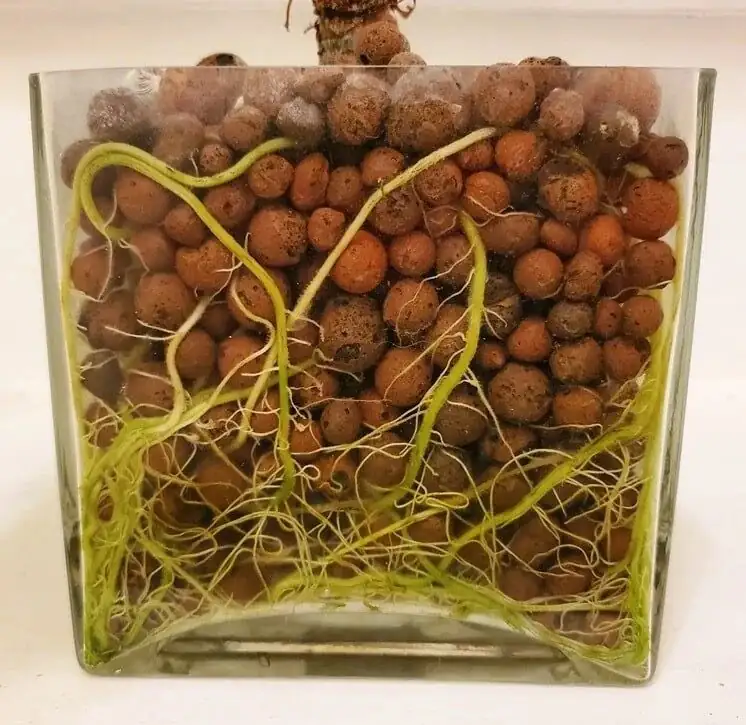
- Rinse the LECA thoroughly until the water runs clear. Soak for several hours to help it sink.
- Unpot the plant and gently tease away all soil. Rinse roots under lukewarm water. Trim only mushy or blackened roots.
- Give the glass a quick scrub and rinse so you’re starting spotless.
Set up in 10 minutes
- Add a base layer of LECA (2–3 cm / ~1 in).
- Nestle the plant so the root mass sits slightly above the base layer.
- Backfill with LECA to anchor the plant upright. Keep the crown (where stem meets roots) above the pebbles.
- Add water so the level just kisses the bottom of the root zone or the lowest LECA layer—enough for capillary contact, not a deep soak.
- Place in bright, indirect light. Keep the temperature at 18–26°C (64–79°F).
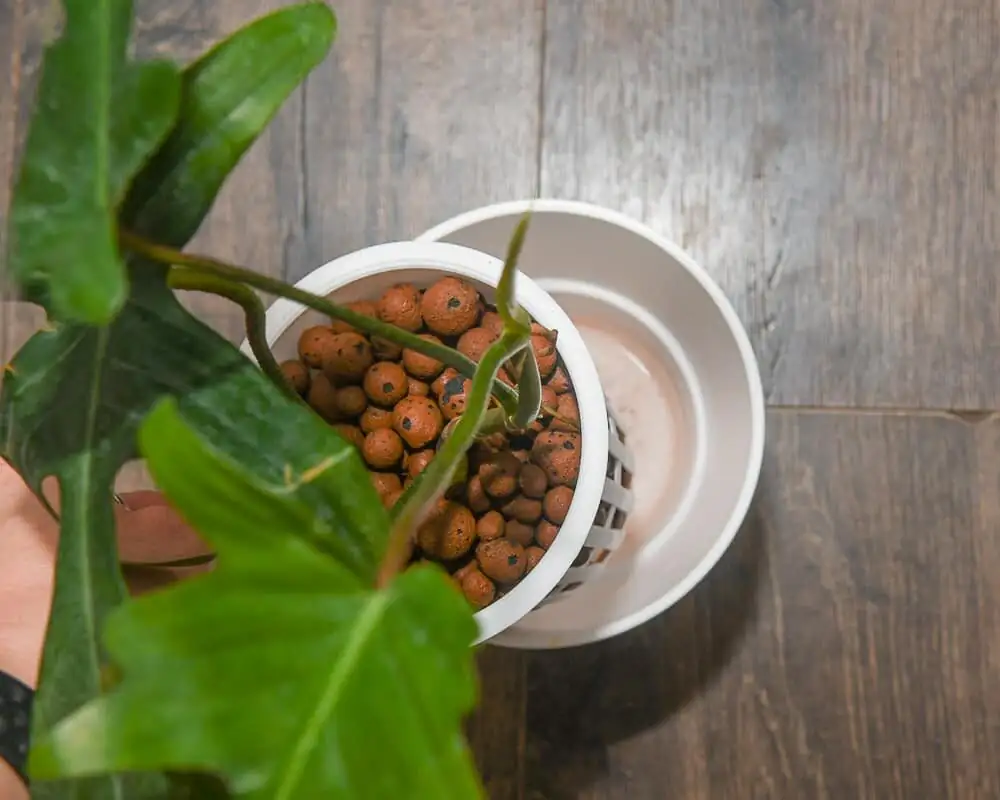
Tip: Roots grow better in dimness. If algae starts early, slip an opaque sleeve around the lower glass while leaving the canopy in bright light.
Your simple rhythm
- Every 3–5 days: Change the water completely and rinse the glass. Top up only with plain water between full changes.
- Monthly during active growth (spring and autumn): Add hydroponic nutrients to fresh water following label directions, starting at 1/4–1/2 strength. Do not fertilize in winter.
- Always: Keep the setup at 18–26°C, in bright, indirect light, away from hot sun, cold drafts, and heating vents.
Track root growth like a pro (make it a mini lab!)
- Take a weekly photo at the same angle. Mark a tiny dot on the glass to align shots.
- Note dates you see:
- Root nubs: pearly bumps on existing roots (often weeks 2–4)
- Water roots: smooth, pale roots that elongate into the LECA and water column (weeks 4–8+)
- Healthy water roots look firm and creamy white; new tips may be translucent. Mushy, brown, or foul-smelling roots need trimming.
Light, humidity, and styling
- Light: Bright, indirect or filtered sun; an east-facing window is ideal. Avoid harsh midday rays that heat the glass and spike algae.
- Humidity: 50–60% keeps foliage pristine; occasional misting in very dry rooms is fine (avoid late-evening drenching).
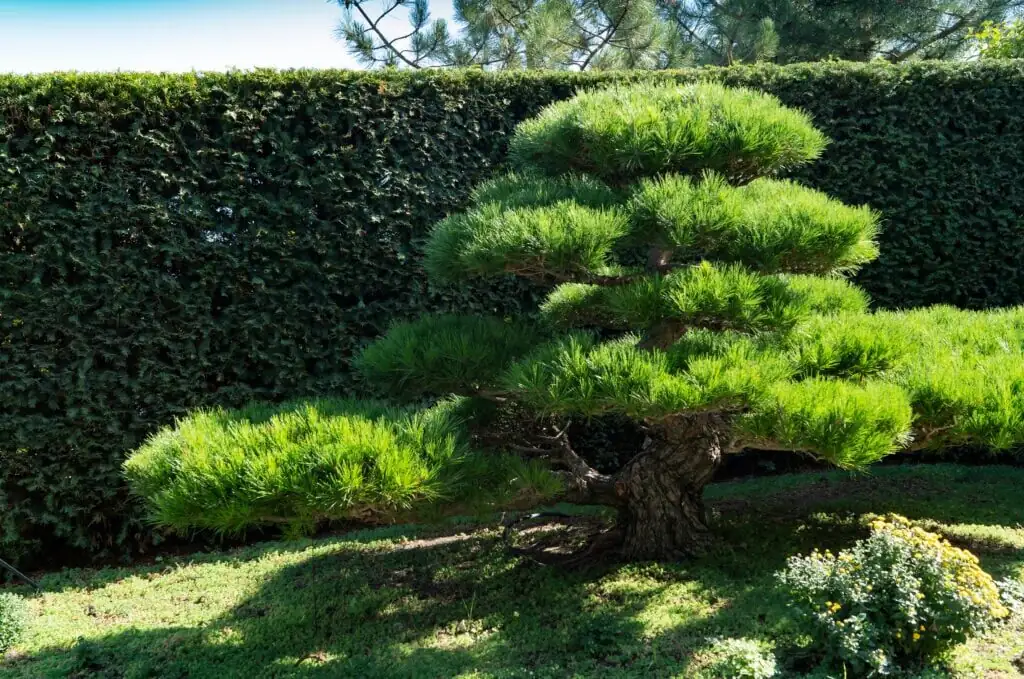
- Shape: Pinch or trim to keep proportions neat; the plant responds well with fuller branching.
Troubleshooting: clear water, clean roots
Cloudy water (milky or gray)
- Likely cause: Bacterial bloom or residual organics
- Fix fast:
- Rinse roots and LECA; scrub the glass
- Shorten the interval—change water every 2–3 days until stable
- Keep water a little cooler within the 18–26°C band (around 20–24°C)
- Avoid overfeeding; fertilize only monthly
- Optional: After a full water change, you can add a tiny splash of 3% H2O2 (about 1–2 mL per 250 mL water) to discourage microbes, then resume plain water
Green film or strings (algae)
- Cause: Light + nutrients on the glass
- Fix & prevent:
- Scrub the glass; rinse LECA
- Shade the lower glass with an opaque sleeve or paper wrap
- Pull the setup 30–60 cm (1–2 ft) back from the window or add a sheer curtain
- Keep nutrients to once a month and do thorough water changes
Smelly, brown, or mushy roots
- Action plan:
- Remove plant, trim all soft or black roots with sterile scissors
- Rinse well; reassemble with slightly lower water level (just touching LECA)
- Change water every 2–3 days for two weeks
- Maintain 18–26°C and bright, gentle light
Yellowing lower leaves
- A little shedding is normal during transition. If it continues:
- Increase light (still indirect)
- Confirm temperature is above 10°C (50°F) in winter
- Ensure you’re not skipping water changes
Pests (especially scale)
- Look for brown, shell-like bumps on stems and leaves
- Wipe off manually, then treat with horticultural oil or insecticidal soap; repeat per label until gone
Safety check
- Podocarpus species are widely reported as toxic if ingested, especially to pets. Keep out of reach of curious mouths and hands.
Level up: when to size up or switch to soil
- If roots crowd the glass or growth slows after 6–12 months, either:
- Move to a larger glass with fresh, clean LECA, or
- Transition to a free-draining soil mix (leaf mold/compost + loam + coarse sand) in a 15–20 cm pot with excellent drainage. Repot in late spring, then water to keep the mix evenly moist—not soggy.
Why this experiment works
Buddhist pine is an adaptable, shade-tolerant evergreen. Young plants readily produce specialized “water roots” when given steady moisture, oxygen around the root zone (thanks, large LECA!), bright, indirect light, and clean, frequently refreshed water. Your 3–5 day change cycle is the secret sauce: it keeps oxygen high and keeps biofilm, algae, and salt build-up low.
Symbolism and the so-called “flower language”
You’ll often see Buddhist pine sold under “lucky” names in markets. This reputation leans more on evergreen poise, longevity, and tidy prosperity vibes than on any ancient, specific flower-language phrase—its flowers are quite inconspicuous, and the plant is cherished mainly for foliage. Think of its symbolism as a modern, houseplant-culture nod to resilience and good fortune rather than a strict historical doctrine.
Quick cheat sheet
- Light: Bright, indirect; avoid harsh direct sun
- Temperature: 18–26°C for water culture; keep above 10°C in winter for best foliage
- Water: Change every 3–5 days; keep level just touching the lowest LECA/root tips
- Feed: Hydroponic nutrients monthly in active seasons; pause in winter
- Groom: Prune to shape; wipe leaves; treat scale promptly
- Safety: Toxic if ingested—keep away from pets and children
Set it up today, jot a few notes, and watch those elegant water roots chart their course. It’s science you can see—and a little piece of living calm for your desk.