


Buddhist pine has a calm, composed way of growing—give it a little guidance at the right moments and it answers with plush, full foliage and a beautifully balanced silhouette. Here’s how to shape Podocarpus macrophyllus without stress: by tip‑pinching for density, cutting back lanky leaders to wake side shoots, keeping neat proportions in water culture, and timing your trims to catch those spring and autumn growth pulses.
Meet Buddhist pine (Podocarpus macrophyllus)
- Also known as Japanese yew, Yew Plum Pine, and simply Podocarpus; Chinese name: 竹柏
- Origin: China and Japan
- Habit: Evergreen, woody shrub to small tree; indoors it’s typically maintained compact and tidy
- Foliage: Dense, glossy, deep‑green leaves that stay lush year‑round
- Flowers/fruit: Flowers are inconspicuous; male plants bear small pollen cones, and female plants can form fleshy, berry‑like arils after pollination
- Typical indoor size: Often sold as compact pots up to about 60 cm (24 in) tall; common nursery pots are 12–15 cm (4.7–5.9 in) and around 25 cm (9.8 in)
- Fun twist: Young plants can be grown in water culture for a clean, modern desktop display—as long as the water stays fresh and the light is bright but gentle
Shape without stress: the pruning rhythm
Think of shaping Podocarpus like steady, mindful editing. Small, well‑timed touches do more than big cuts done at the wrong moment.
When to trim: spring and autumn sweet spots
- Best windows: Spring and autumn, when the plant is actively growing and rebounds quickly.
- Light touch in winter: Growth slows; avoid heavy pruning. Keep foliage above 10°C (50°F) for best looks.
- Post‑trim support: Bright, filtered light and steady moisture (never soggy) help new shoots form quickly.
Tip‑pinching for instant fullness
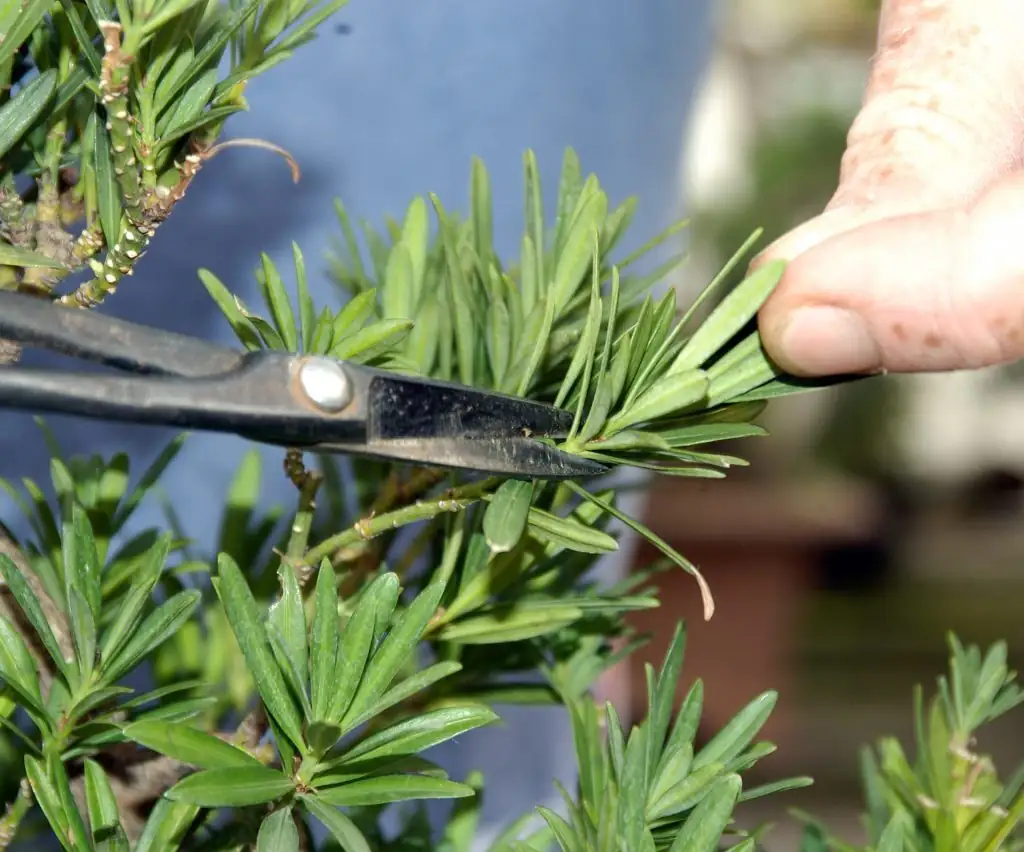
Pinching is your secret to plush, close‑set foliage—especially on small container plants and water‑grown juveniles.
- What to do
- With clean fingers or fine snips, remove the soft, newest tip of a shoot (about 0.5–1 cm).
- Work evenly around the plant so light and energy are shared, preventing one‑sided growth.
- Why it works
- Removing the tip suppresses apical dominance and nudges dormant side buds to break, creating a denser, fuller canopy.
- How often
- In spring and autumn, pinch lightly every few weeks on the most vigorous shoots. Skip deep cuts; frequent little pinches beat occasional big chops.
Cutting back leggy leaders to spark side shoots
If stems stretch and the lower leaves thin or yellow, it’s time for a reset cut.
- Diagnose legginess
- Long internodes, sparse leaves down low, and a thin “giraffe‑neck” leader are classic signs of insufficient light or skipped pinching.
- How to cut
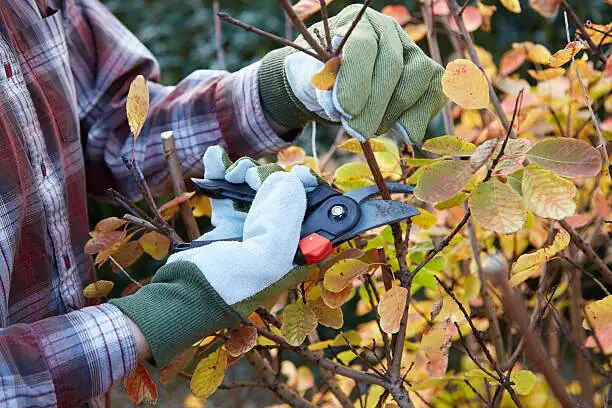
- Choose a leader and trace down to a point just above a healthy cluster of leaves.
- Reduce that leader by roughly one‑third with clean, sharp shears.
- On very lanky plants, stage it: shape the top third one week, the middle third a week or two later.
- Aftercare
- Move to bright, indirect light (an east window is ideal; south works if filtered by a sheer curtain).
- Keep the mix evenly moist, not wet; resume feeding monthly in spring/autumn.
- New side shoots typically emerge with the next growth flush, filling out the silhouette.
Pro tip: Avoid removing more than 20–30% of total foliage at once. The goal is guidance, not a drastic haircut.
Keeping perfect proportions in water culture
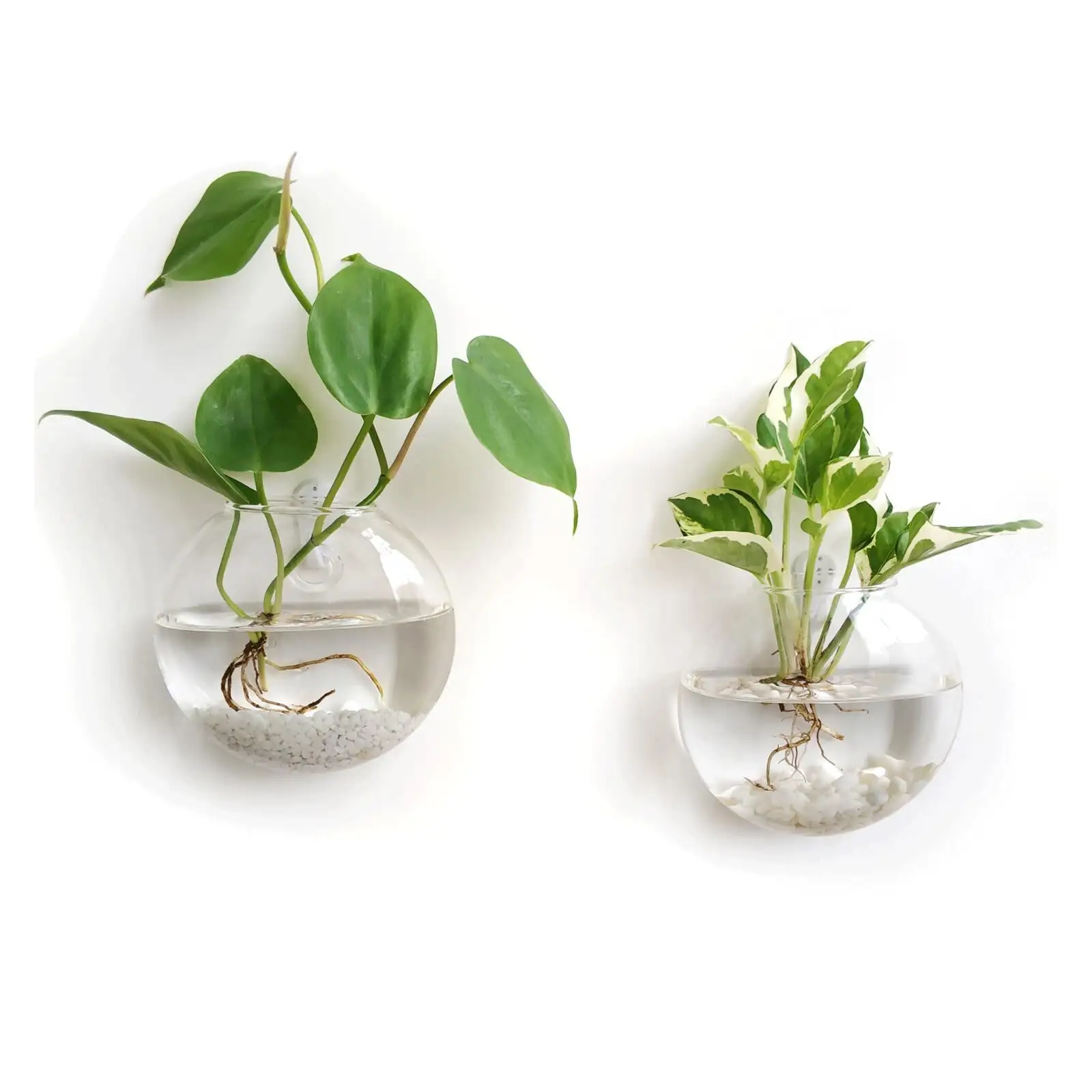
Water‑grown Podocarpus is a showpiece when the top matches the roots and vessel.
- Vessel and anchoring
- Rinse roots clean and anchor with large LECA/clay pebbles or smooth stones in a glass, ceramic, or metal container.
- Keep the stem base above the waterline; only roots should sit in water.
- Root care rhythm
- Change water every 3–5 days to keep roots oxygenated and clear of biofilm.
- During water changes, gently remove any dead, slimy, brown roots; keep healthy white/tan roots intact.
- Add a hydroponic nutrient solution about once per month.
- Top growth management
- Use frequent tip‑pinching to maintain a compact canopy that matches the root mass and vessel size.
- If a leader races ahead, cut it back above a leafy node to cue side branching and keep the outline crisp.
Care that supports good shaping
Shaping is easier when the plant’s environment is dialed in.
Light and placement
- Bright, indirect light to partial shade is best.
- Indoors, an east‑facing window is ideal; a south window is fine if filtered through a sheer curtain.
- Avoid harsh direct sun, hot drafts, and heat vents. Shade‑tolerant, but fuller with bright, gentle light.
Temperature and humidity
- Ideal: 13–25°C (55–77°F).
- For best winter foliage: keep above 10°C (50°F).
- Young plants may be damaged below about 5°C (41°F). Mature plants can tolerate brief dips to around -5°C (23°F) with protection.
- Humidity: Prefers moderate levels around 60–70%; indoors, 50–60% is good. Mist occasionally in very dry air.
Watering and feeding
- Potted plants in mix
- Keep evenly moist—never soggy, never bone‑dry. Weekly watering is common, but adjust for light, pot size, and your home’s conditions.
- Always empty water from saucers.
- Feed monthly in spring and autumn with a balanced fertilizer (e.g., 20‑20‑20). Stop feeding in winter.
- Water culture (young plants)
- Bright, indirect light; 18–26°C (64–79°F).
- Change water every 3–5 days; add nutrients monthly.
- Prune to control height; mist in dry air.
Soil, repotting, and drainage
- Potting mix: Free‑draining, airy blend—leaf mold/compost + garden loam + coarse sand.
- Pot base: Add a gritty drainage layer.
- Repot: Every 2–3 years in late spring, stepping up to a 15–20 cm (5.9–7.9 in) pot or the next size up.
Safety, health, and quick fixes
- Toxicity: Podocarpus species are widely reported as toxic if ingested—especially for pets. Keep out of reach and seek veterinary/medical help if eaten.
- Pests: Scale is the classic culprit indoors. Wipe off and treat with horticultural oil or insecticidal soap; repeat as needed.
- Leaf spot: Improve airflow, avoid wetting foliage late in the day, remove affected leaves.
- Yellowing lower leaves + stretch: Usually light‑related or from letting the plant run tall without pinching. Correct light, then cut back leaders to encourage side shoots.
Styling inspiration for containers and water culture
- Compact cone: Pinch all around and shorten any dominant leader by one‑third to keep a soft, pyramidal form.
- Soft column: Stake lightly while repeatedly pinching side shoots to create a sleek, upright “green column” that fits tight spaces.
- Mini‑tree: Clean the lowest 5–8 cm (2–3 in) of side twigs for a visible trunk, then pinch the canopy for a rounded crown.
- Paired planting: Two small, water‑grown plants in matching cylinders bring a serene, contemporary note to a desk or console.
Buying smart
- Choose a plant with a full, balanced silhouette and dense branching.
- Leaves should be deep green, glossy, and free from tears, spots, or scale.
- After purchase, give bright filtered light, keep the mix evenly moist (not waterlogged), and mist lightly if the air is very dry until fresh growth appears.
Symbolism: why it’s often sold as “lucky”
Buddhist pine is frequently marketed under auspicious, “good fortune” trade names in plant shops. The association with luck isn’t tied to traditional flower language—its flowers are inconspicuous—but rather to cultural marketing that celebrates its evergreen poise, longevity, and serene presence indoors. In other words, the “good luck” label reflects how people feel around its calm greenery as much as any historic symbolism.
Quick start checklist
- Light: Bright, indirect; avoid harsh direct sun.
- Water: Keep evenly moist in pots; change water every 3–5 days for water culture.
- Feed: Monthly in spring and autumn; pause in winter.
- Trim:
- Spring and autumn: pinch tips for fullness every few weeks.
- Cut back leggy leaders by about one‑third to spark side shoots.
- Water‑grown plants: keep canopy proportionate to vessel and roots.
- Temperature: Above 10°C (50°F) in winter for best foliage.
- Safety: Keep out of reach of pets and children.
Shape little and often, and your Podocarpus will repay you with year‑round polish—lush, glossy, and perfectly proportioned whether it lives in a pot of airy mix or a clear vessel of sparkling water.