

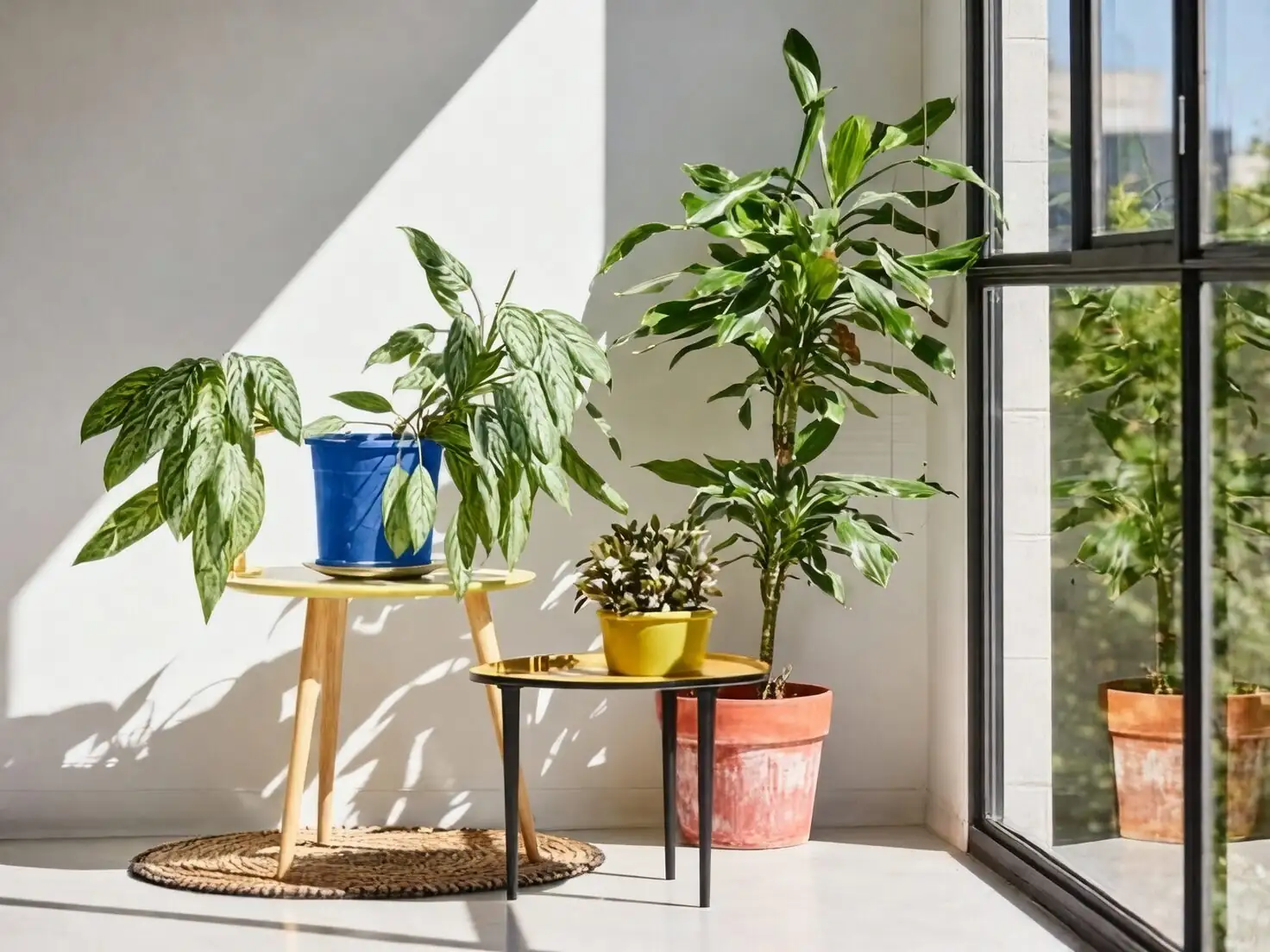
Imagine a glossy, deep-green evergreen that stays neat through the seasons, shrugs off city grime, and is perfectly happy in a pot. That’s Podocarpus macrophyllus—Buddhist pine, Japanese yew, yew plum pine—an adaptable, dignified shrub-to-small-tree from China and Japan that thrives on bright, gentle light and steady, careful care. On a bright, sheltered balcony it can be a year‑round anchor—provided you think like a microclimate maker: insulate the roots, calm the wind, pace winter watering, and sidestep cold drafts.
Below is your container strategy—practical, balcony‑tested techniques to keep Podocarpus poised and polished.
H2: Light and placement on bright, sheltered balconies
- Light: Bright, indirect light to partial shade is the sweet spot. Morning sun with light afternoon shade is ideal; avoid harsh midday beams that can scorch leaves.
- Where to park the pot:
- Snug up to a wind-sheltered wall or inside a recessed corner to avoid gusts.
- Use a sheer screen (30–40% shade cloth or a light bamboo panel) if your balcony bakes at midday.
- Indoors for winter? An east window or a filtered south exposure works well. Keep a little distance from cold glass at night.
H2: The container is your climate: insulating pots that protect roots
Roots feel temperature swings first. Stable roots = stable foliage.
H3: Smart pot choices
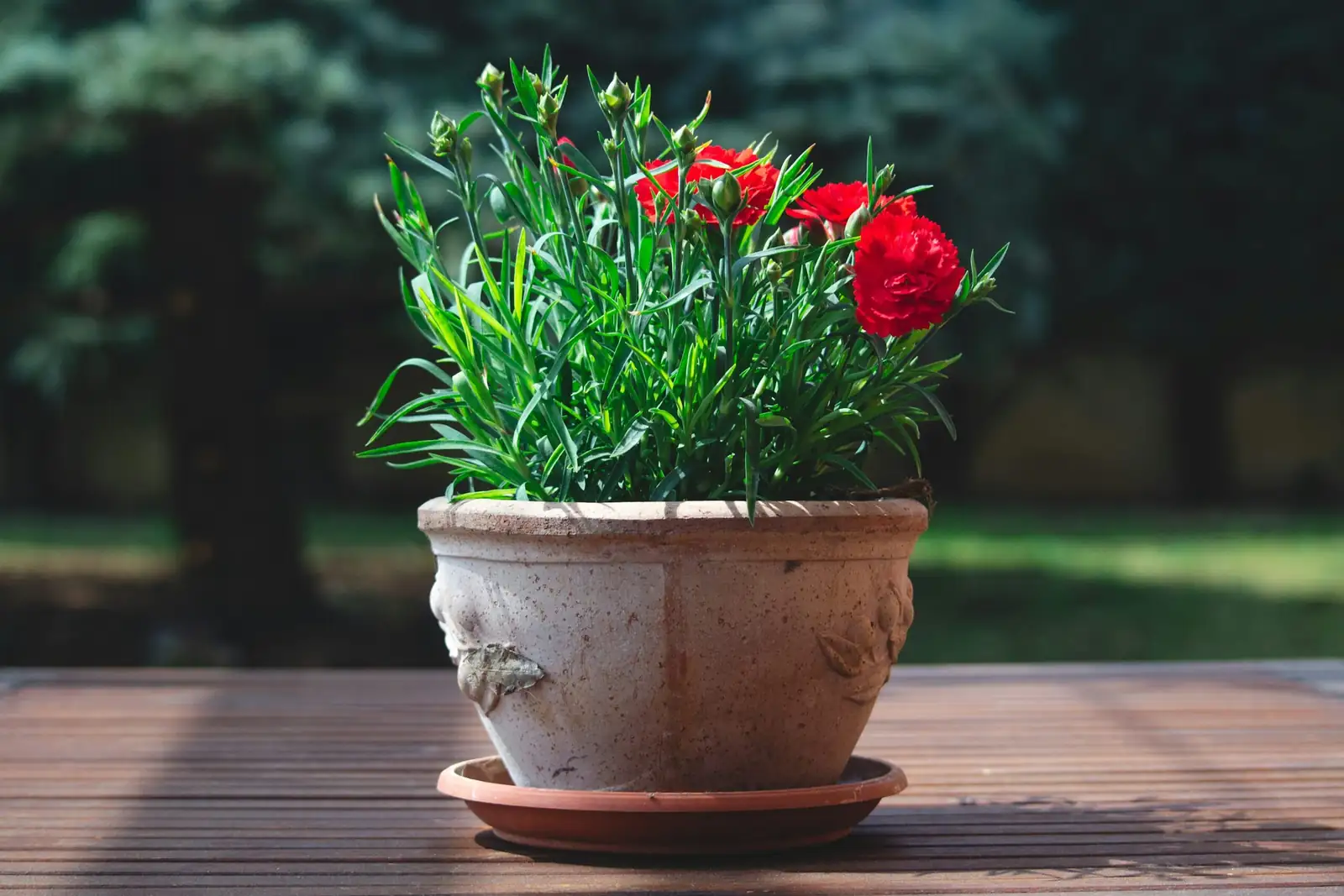
- Double-walled resin or thick, frost-proof ceramic: insulate better than thin metal or single-wall plastic.
- Pot-in-pot: slip your nursery pot into a slightly larger decorative cachepot. The air gap buffers cold and heat.
- Wood planters lined with breathable fabric: naturally insulating and handsome.
- Avoid thin metal planters in winter—metal conducts cold quickly.
H3: Simple insulation upgrades (seasonal add-ons)
- Wraps: burlap, coir mats, or horticultural fleece around the pot in winter. Under wrap, a discreet layer of bubble wrap adds real R‑value.
- Footing: raise pots on wooden or rubber feet to keep them off icy concrete and to improve drainage.
- Mulch: 3–5 cm of bark or pine needles on the soil surface to even out temperature and slow evaporation.
H2: Wind shields without losing light
Balcony winds desiccate foliage and rock rootballs. Reduce wind speed, not daylight.
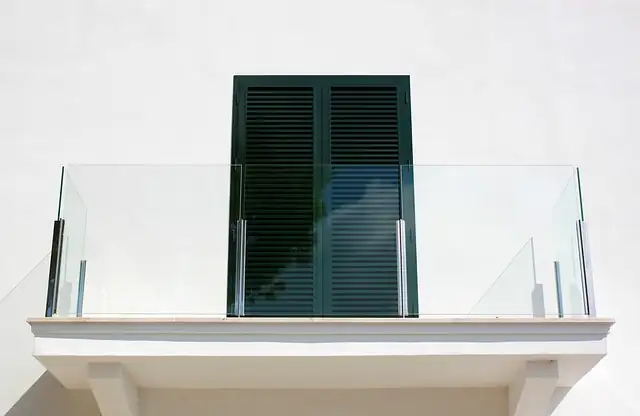
- Clear acrylic panels or plexiglass along the rail preserve light while cutting drafts.
- Lattice or bamboo screens angled across the prevailing wind.
- Plant grouping: cluster containers so they shelter each other; put Podocarpus slightly leeward of bulkier pots.
- Stabilize: stake young plants and anchor tall containers; rocking damages fine feeder roots.
H2: Cold‑snap playbook: how mature plants can ride out brief dips to about −5°C
Podocarpus looks its best above 10°C, and young plants can be nipped below about 5°C. Mature, well-rooted specimens, however, can handle short, protected dips to roughly −5°C.
H3: When a cold night is forecast
- Prior evening:
- Water lightly if the mix is dry at knuckle depth; slightly moist soil holds warmth better than dust-dry or soggy soil.
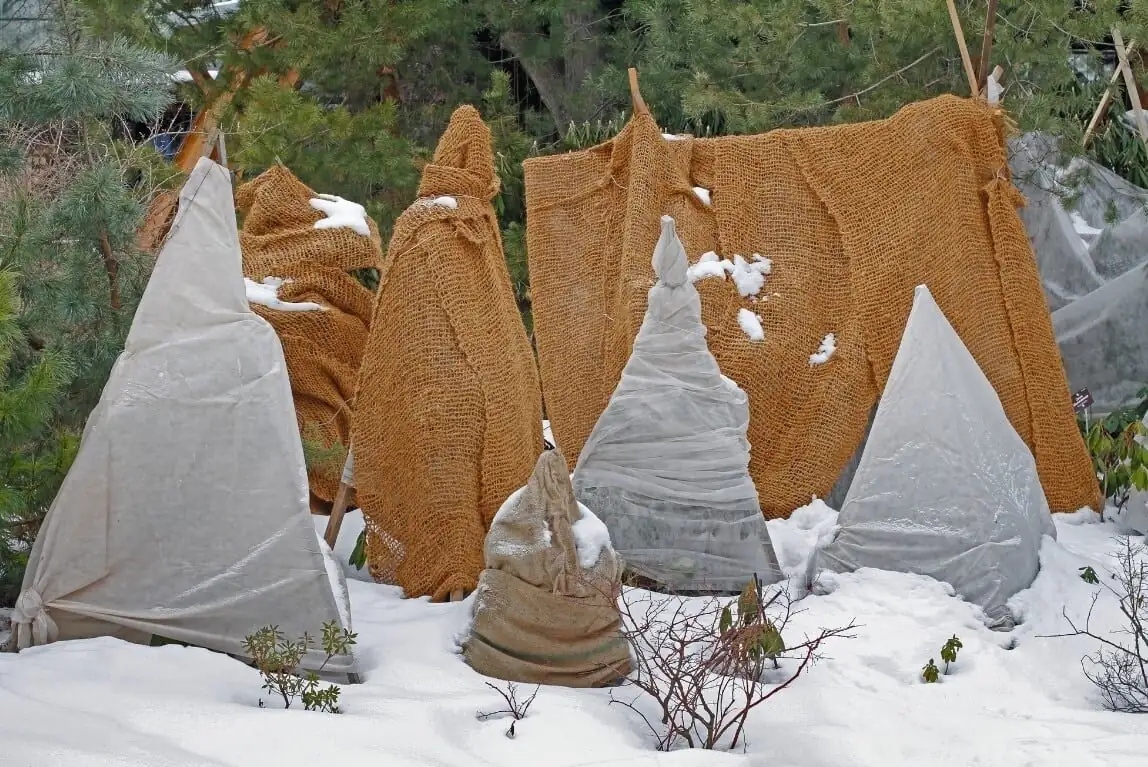
- Wrap the container (not just the top) with fleece or burlap.
- Drape a breathable frost cloth over the canopy; secure it so it doesn’t flap.
- Pull the pot against a building wall to capture residual heat; group plants close.
- During the event:
- Keep covers taut and vents minimal. Avoid plastic directly on foliage; if using plastic as an outer layer, keep a fabric layer underneath and vent as sun returns.
- Next morning:
- Uncover promptly once temperatures rise to avoid heat build-up and condensation.
- Inspect leaves; trim only clearly mushy tissue after a few days, not immediately.
Note: Repeated freezing nights or prolonged subfreezing stretches are different from a brief dip. If a multi‑night freeze is coming, move young plants indoors; even mature ones will appreciate the hallway, garage, or a bright indoor spot.
H2: Winter watering that keeps roots safe
The golden rule for Podocarpus: evenly moist, never soggy, never bone-dry.
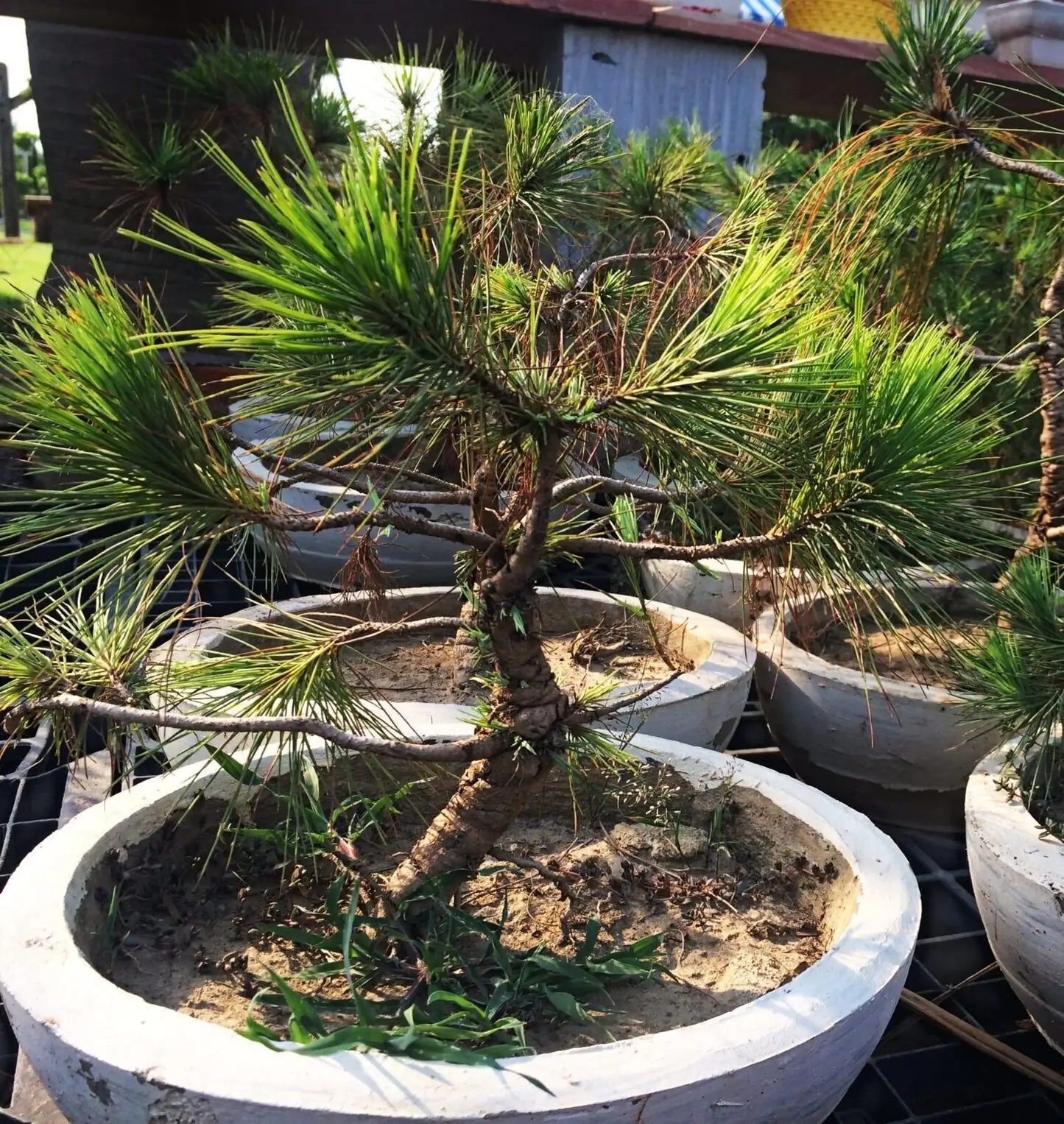
H3: Pacing in cool weather
- Slow the cadence: in winter, expect longer intervals between waterings. Check moisture 3–4 cm below the surface; water only when this zone is just barely dry.
- Timing: water on a milder midday so the root zone warms and dries slightly before nightfall.
- Volume: water thoroughly but stop once you see the first steady drip from the drainage holes; empty saucers immediately.
- Draft avoidance: don’t park the plant in the line of a howling winter draft or near an AC/heat exhaust. Cold, moving air accelerates moisture loss and leaf stress.
- Freezing caution: never leave water standing in saucers during freezes, and don’t saturate the mix right before a freeze. Waterlogged, cold roots are the fastest route to leaf yellowing and root trouble.
H2: Soil mix and drainage that match balcony life
- Mix recipe: a free-draining, airy blend such as leaf mold or compost + garden loam + coarse sand or grit. You can mimic this with high-quality potting mix cut 20–30% with coarse sand, pumice, or fine gravel.
- Pot base: add a gritty drainage layer and ensure generous drainage holes.
- Pot size: step up to a 15–20 cm diameter pot (or the next size up) when roots fill the current one; repot in late spring.
H2: Temperature and humidity, at a glance
- Best growth: 13–25°C. For the nicest winter foliage, keep above 10°C.
- Young plants: protect below 5°C.
- Mature plants: with shelter and protection, brief dips to about −5°C can be tolerable.
- Humidity: moderate suits them—around 50–60% indoors keeps leaves sleek. On windy balconies, the wind shield and mulch help offset dryness.
H2: Feeding and growth rhythm
- Spring and autumn: feed about once per month with a balanced fertilizer (e.g., 20‑20‑20) or well‑rotted organic cakes.
- Winter: pause fertilizing.
- Growth habit: a tidy, evergreen woody shrub/small tree; slow and steady is normal.
H2: Pruning, shaping, and keeping it compact
- Trim to shape when it gets too tall or leggy; a light tip‑prune encourages side shoots and a fuller look.
- If the main stem stretches and lower leaves yellow indoors, cut back to prompt branching.
- Remove any frost‑damaged leaves once the plant declares what’s truly dead (usually a week or two post‑event).
H2: Buying smart for balcony success
- Look for a dense, well-balanced silhouette with deep green, glossy leaves free of spots, tears, or scale insects.
- After purchase, give bright filtered light, keep the mix evenly moist (not waterlogged), and mist lightly if your indoor air is very dry until new growth appears.
H2: Troubleshooting on balconies
- Yellowing leaves from the inside out:
- Often inconsistent watering—too dry, then too wet. Reset to “evenly moist,” improve drainage, and check that winds aren’t wicking moisture faster than you expect.
- Browning tips or scorch:
- Harsh sun or wind burn. Add a light shade screen and a wind break; check watering cadence.
- Leaf spot:
- Improve airflow, avoid wetting foliage late in the day, and remove affected leaves.
- Scale insects (most common indoor pest):
- Wipe off and treat with horticultural oil or appropriate insecticidal soap; repeat as needed.
H2: Safety, symbolism, and side notes
- Safety: Podocarpus species are widely reported as toxic if ingested, especially to pets. Keep out of reach and consult a professional if eaten.
- “Lucky” reputation: Often sold under auspicious trade names, it’s marketed as a prosperity symbol—more a modern retail story than ancient doctrine. The real fortune lies in its composure: clean lines, glossy leaves, and calm, architectural presence.
H2: Seasonal balcony checklist
- Late spring:
- Repot if rootbound; refresh the gritty drainage layer.
- Resume monthly feeding.
- Summer:
- Maintain bright, indirect light; add a light shade if afternoons blaze.
- Water as needed—often weekly—adjusting for heat and wind.
- Autumn:
- Continue monthly feeding; begin staging wind shields and pot wraps.
- Winter:
- Aim to keep above 10°C for best looks.
- Protect young plants below 5°C.
- For mature, sheltered plants, use wraps and frost cloth to ride out brief dips near −5°C.
- Slow watering, avoid drafts, empty saucers promptly.
A quick indoor twist
Young Podocarpus can even be grown in water culture for a sleek desktop display—just keep it indoors in bright, indirect light at 18–26°C, change the water every 3–5 days, and add a hydroponic nutrient monthly. This is a warm‑season, indoor show—save the balcony for soil‑grown plants.
With the right pot, a few thoughtful wind and cold defenses, and a dialed‑in winter watering rhythm, Podocarpus macrophyllus becomes the evergreen backbone of a bright, sheltered balcony—glossy, compact, and quietly elegant all year.