

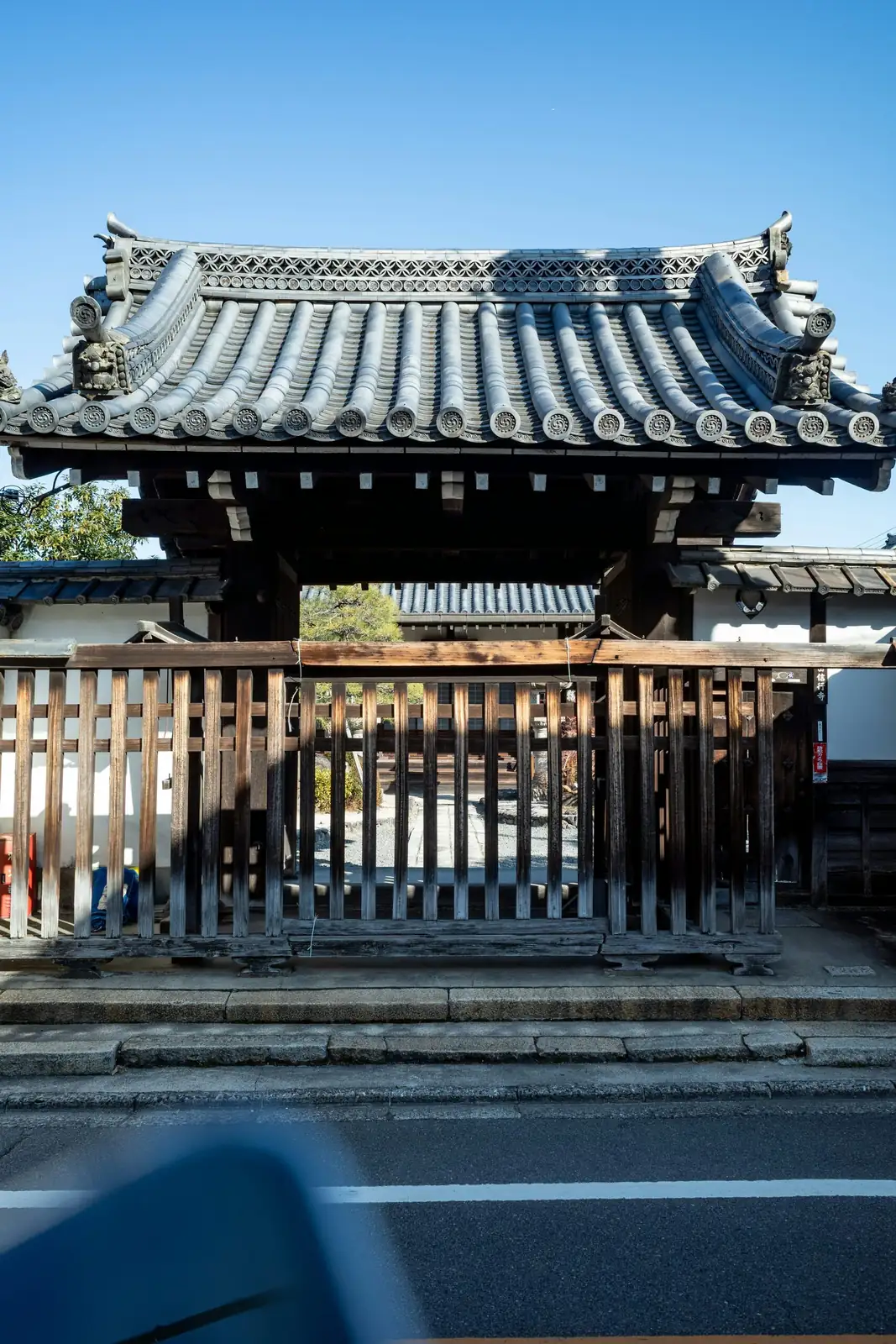
Imagine a deep-green sentinel standing beside a shrine gate on a misty morning in Kyoto or a hillside temple in Fujian—then imagine that same calm presence, miniaturized, glowing on your apartment windowsill. That’s the quiet charisma of Podocarpus macrophyllus, better known as Buddhist pine or Japanese yew: a temple-side evergreen turned chic indoor foliage icon.
From mountains and shrines to modern apartments
Native to China and Japan, Podocarpus macrophyllus is the northernmost member of the conifer genus Podocarpus. In the wild it inhabits forests and thickets from near sea level up to about 1000 meters, where its glossy, strap-shaped leaves keep their poise through seasons that would rattle fussier evergreens. That steady, orderly look—dense, tidy, evergreen—made it a natural for courtyards, gateways, and shrine gardens. In recent decades, those same qualities have made it a star in containers, lobbies, and living rooms worldwide.
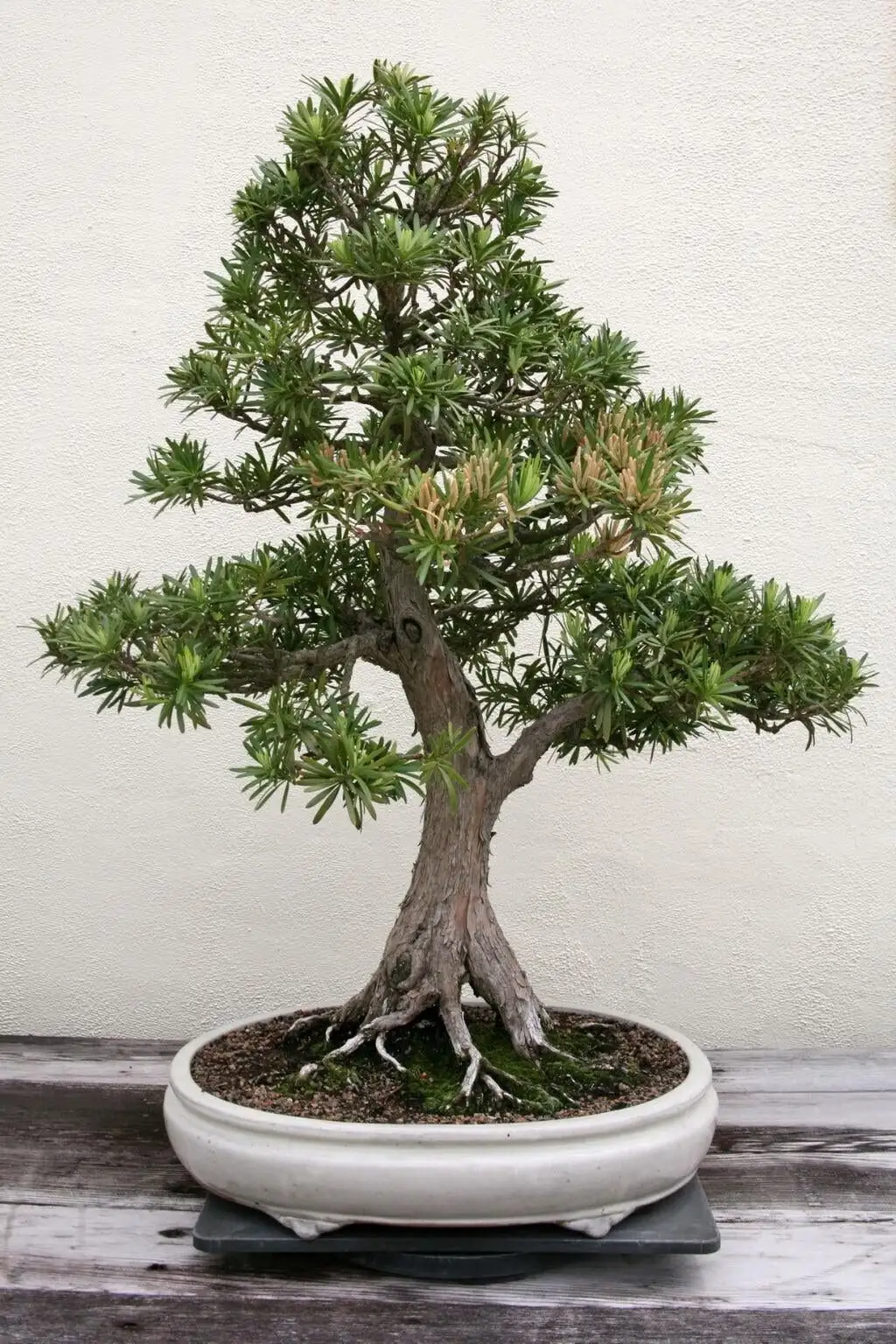
- Botanical family: Podocarpaceae (not a true pine or yew)
- Native range: China and Japan
- Habit: Evergreen woody shrub to small tree; indoors, commonly kept compact
Why “Buddhist pine” and “Japanese yew”?
Names tell stories—and sometimes start confusion.
- Buddhist pine: In Chinese it’s long been associated with serene, temple-adjacent plantings and with “arhat” imagery (the term luohan evokes enlightened disciples). Evergreen calm plus a monkish neatness? The name stuck.
- Japanese yew: Look closely and you’ll see why—its narrow, glossy leaves echo the look of true yews (Taxus). Botanically, though, it’s Podocarpus, not Taxus. Think “style twin,” not “close cousin.”
The ‘lucky’ label: marketing magic and misdirection
Walk any plant market from Guangzhou to Tokyo to New York and you’ll spot this plant under a carousel of auspicious, luck-coded trade names. The promise is the same: fortune, calm, prosperity. That marketing shimmer means many people recognize the plant without ever learning its true name. It also helps explain the current craze for minimalist “water-culture” displays—a modern twist that turns a shrine-side evergreen into a desktop talisman.
Why it thrives indoors (and looks so good doing it)
Buddhist pine brings a suite of apartment-friendly traits:
- Evergreen elegance, year-round
- Shade tolerance and a forgiving nature
- Compact form (often sold up to about 60 cm tall), with tidy branching
- An ability to grow in either a potting mix or water culture for a sleek, contemporary look
Light, water, and comfort: set the scene
- Light: Bright, indirect light to partial shade. An east-facing window is perfect; a south window is fine if you soften it with a sheer curtain. It tolerates lower light, but foliage is fuller and glossier with generous filtered light.
- Temperature: Sweet spot is 13–25°C (55–77°F). Keep above 10°C (50°F) in winter for the nicest foliage. Young plants can be nipped by cold below about 5°C (41°F); mature, sheltered plants may shrug off brief dips to around -5°C (23°F).
- Humidity: Moderate suits it best—aim for roughly 50–60% indoors (60–70% is luxurious). Light misting helps during dry spells.
Watering wisdom
- In pots: Keep the mix evenly moist—never soggy, never bone-dry. Weekly is a common rhythm during active growth, but always adjust to your light, pot size, and indoor climate. Empty any water from the saucer.
- Water culture (for young plants): Use a clean, healthy seed-grown seedling about 15–20 cm (6–8 in) tall. Rinse the roots, anchor with large LECA/clay pebbles or decorative stones, and keep in bright, indirect light at 18–26°C (64–79°F). Change the water every 3–5 days; add a hydroponic nutrient solution about once per month.
Soil and pots (for the classic look)
- Mix: Free-draining and airy—think leaf mold/compost + garden loam + coarse sand.
- Drainage: Excellent drainage is non-negotiable. Add a gritty layer at the pot base.
- Pot sizes: Common nursery pots are 12–15 cm (4.7–5.9 in) and around 25 cm (9.8 in) diameter; step up to 15–20 cm (5.9–7.9 in) when repotting.
Feeding, pruning, and repotting
- Fertilizer: Feed about once per month in spring and autumn with a balanced formula (e.g., 20-20-20) or a well-rotted organic cake fertilizer. Pause in winter. For water culture, add a hydroponic nutrient monthly.
- Pruning: Trim to shape when it stretches. If the main stem elongates and lower leaves yellow or drop, cut back to encourage side shoots and a denser silhouette. Water-grown minis respond well to the same touch-ups.
- Repotting: Every 2–3 years in late spring, into a fresh, free-draining mix.
Buying well: what a great plant looks like
- A full, balanced silhouette with dense branching
- Deep-green, glossy leaves with no tears, spots, or sticky residue (check carefully for scale insects)
- Compact, upright growth for minis; avoid leggy or lopsided plants
- After you bring it home: give bright filtered light (no harsh sun), keep soil evenly moist (not waterlogged), and mist lightly in very dry air until fresh growth appears
Cones, “berries,” and seasons
You won’t buy Buddhist pine for flowers—they’re modest. In spring, male plants form small pollen cones, while pollinated females can produce fleshy, berry-like arils. They’re handsome curiosities up close, but the plant remains primarily a foliage star indoors.
Propagation pathways
- Seed: Sow fresh whenever possible—viability drops quickly. If you must store, keep in moist sand and sow in spring. With good handling, germination often runs around 50–70%.
- Cuttings: Take semi-ripe cuttings in early summer from vigorous, youthful growth; younger wood roots more readily than older, woody stems.
Safety, pests, and peace of mind
- Toxicity: Treat Podocarpus species as potentially toxic if ingested—especially for pets. Keep plants out of reach and seek veterinary/medical advice if any part is eaten.
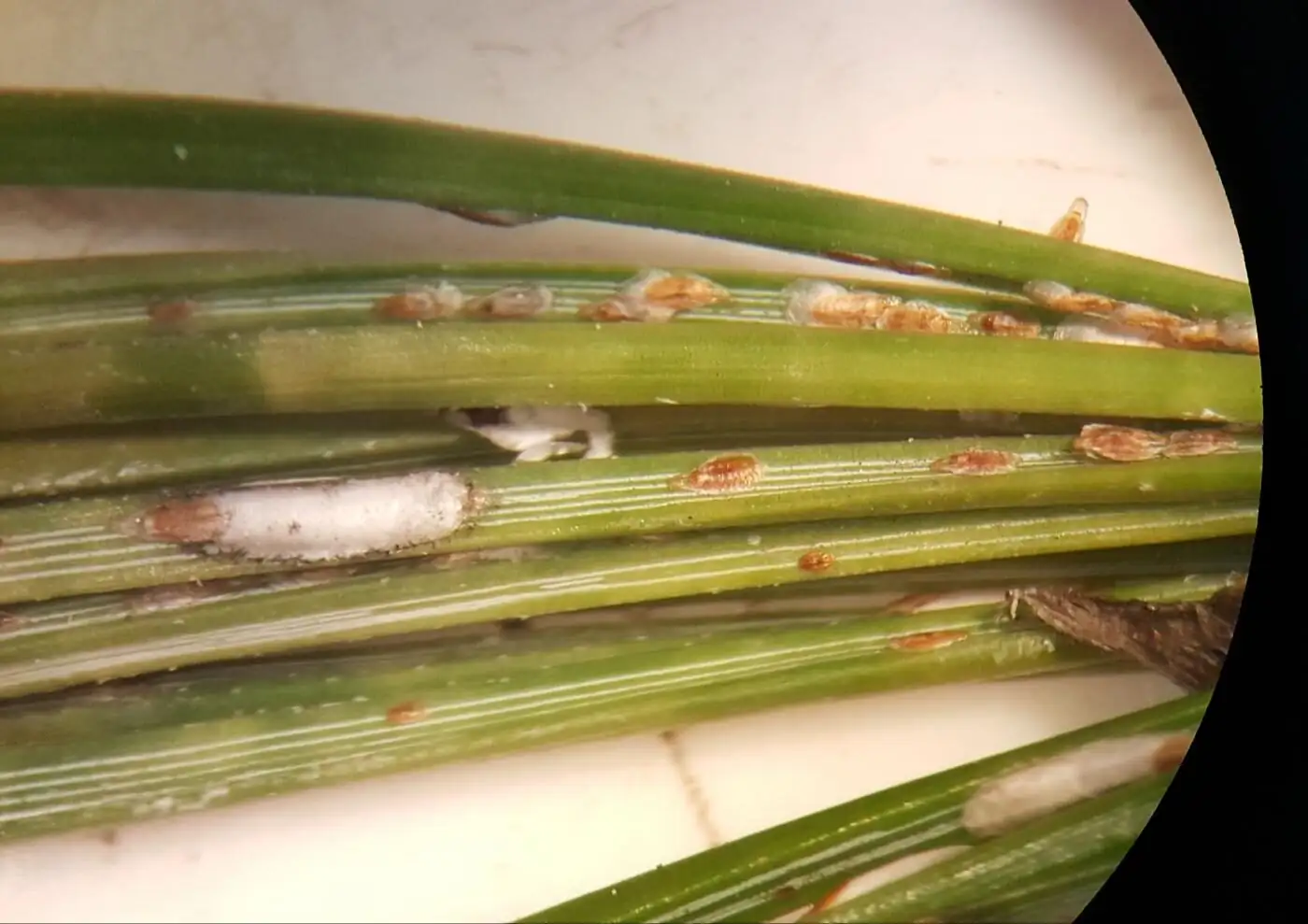
- Pests: Scale insects are the usual indoor culprits—wipe them off and follow up with horticultural oil or insecticidal soap, repeating as needed. Leaf spot can occur; improve airflow, avoid late-day leaf wetting, and remove affected leaves.
Styling notes: from bonsai to boardroom
- Container chic: Dense, glossy foliage reads “tailored” in modern interiors. Keep it near a bright window but out of hot sun; avoid heating vents and cold drafts.
- Desktop zen: Young plants in water culture make striking glass-and-green sculptures—just remember those every-3–5-day water changes.
A realistic “flower language” for a foliage icon
Traditional “flower language” (hanakotoba/huayu) usually leans on petals and perfume—neither of which apply here. Buddhist pine’s symbolism in today’s houseplant world is largely a modern, market-made blend of:
- Good luck and prosperity: a nod to those auspicious trade names and its calm, orderly presence
- Steadfastness and longevity: evergreen fronds that stay composed year-round
If you want meaning with roots, pick “quiet endurance” over claims of ancient fortune lore.
Your simple, seasonal game plan
- Spring–Autumn: Bright filtered light; water as needed (often weekly); feed monthly
- Late Spring (every 2–3 years): Repot into a slightly larger, free-draining home
- Winter: Keep above 10°C (50°F) for pristine foliage; stop feeding; protect young plants from temps below about 5°C (41°F)
- Water culture all year: 18–26°C (64–79°F); change water every 3–5 days; add nutrients monthly
Fast facts to drop into conversation
- A temple favorite turned apartment icon—glossy, evergreen, and impeccably tidy
- Native to China and Japan; the northernmost Podocarpus species
- Indoors it’s often sold compact (to ~60 cm/24 in), perfect for tight spaces
- Tolerates shade, but truly shines in bright, indirect light
- Mature plants can ride out brief cold snaps near -5°C (23°F) if sheltered; keep youngsters warmer
- Water-culture minis are both trendy and viable—provided you refresh the water religiously
From shrine gate to city window, Buddhist pine brings the same message in any setting: clear the visual noise, keep your form, and let calm, glossy green do the talking.