

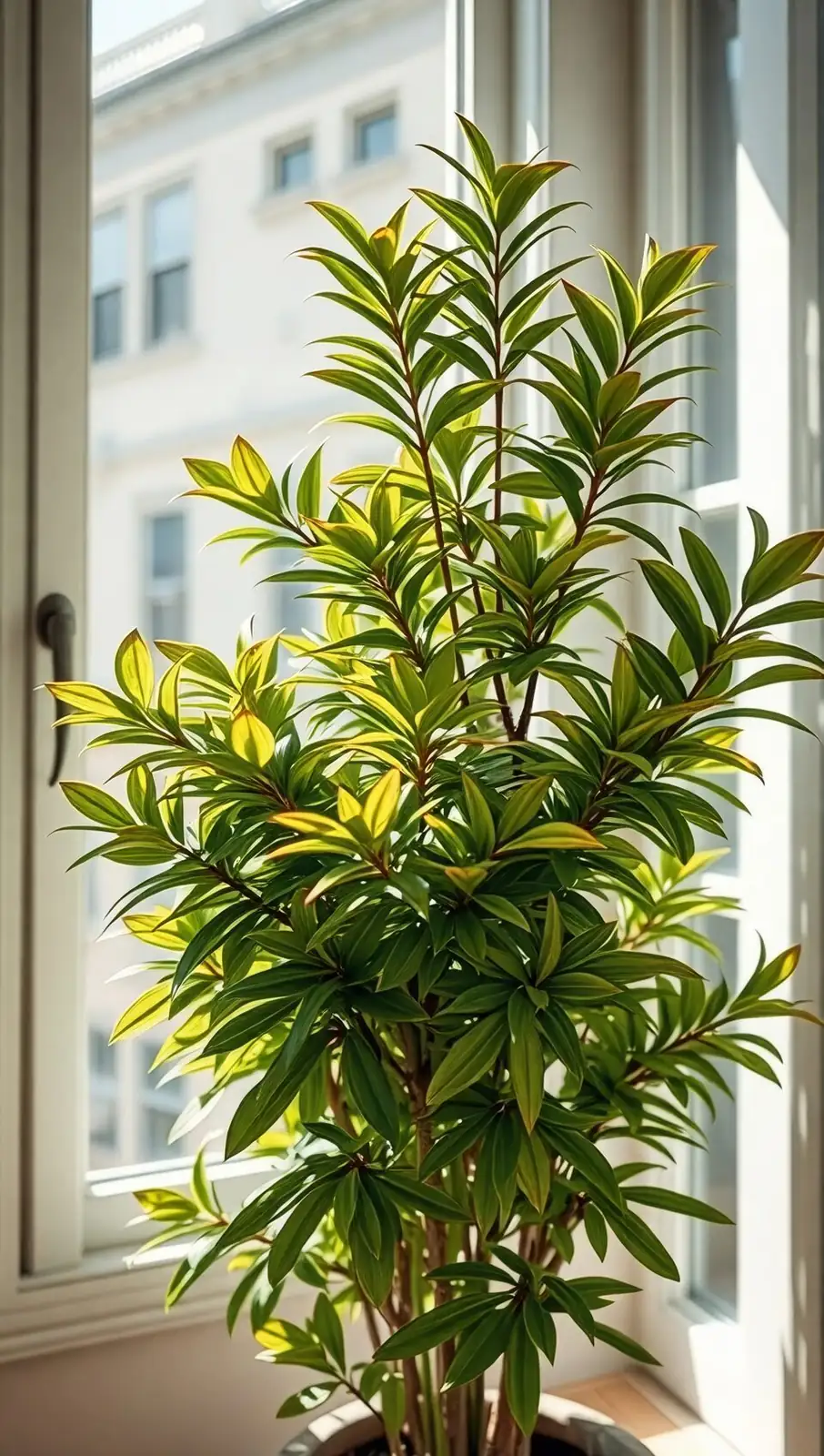
Meet Buddhist Pine (Podocarpus macrophyllus)—the evergreen with glossy, deep-green poise that can look immaculate year-round… until it suddenly doesn’t. If your plant is sticky, spotty, yellowing, stretched, or sulking near a chilly window, use this fast, field-tested diagnostic to find the issue and fix it quickly.
The 60-second snapshot
- Identity: Podocarpus macrophyllus (aka Buddhist Pine, Japanese Yew, Yew Plum Pine), an evergreen woody shrub/small tree from China and Japan.
- Light: Bright, indirect light to partial shade. East window is ideal; south works with a sheer curtain. Avoid harsh direct sun.
- Water: Keep the mix evenly moist—never soggy, never bone-dry. Empty any saucer.
- Comfort zone: 13–25°C (55–77°F). Keep above 10°C (50°F) for best winter foliage. Young plants can be damaged below about 5°C (41°F).
- Humidity: Moderate (about 50–60% indoors is fine).
- Safety: Podocarpus species are widely reported as toxic if ingested—keep away from pets and children.
Fast diagnostic flow: what you see, what it means, what to do
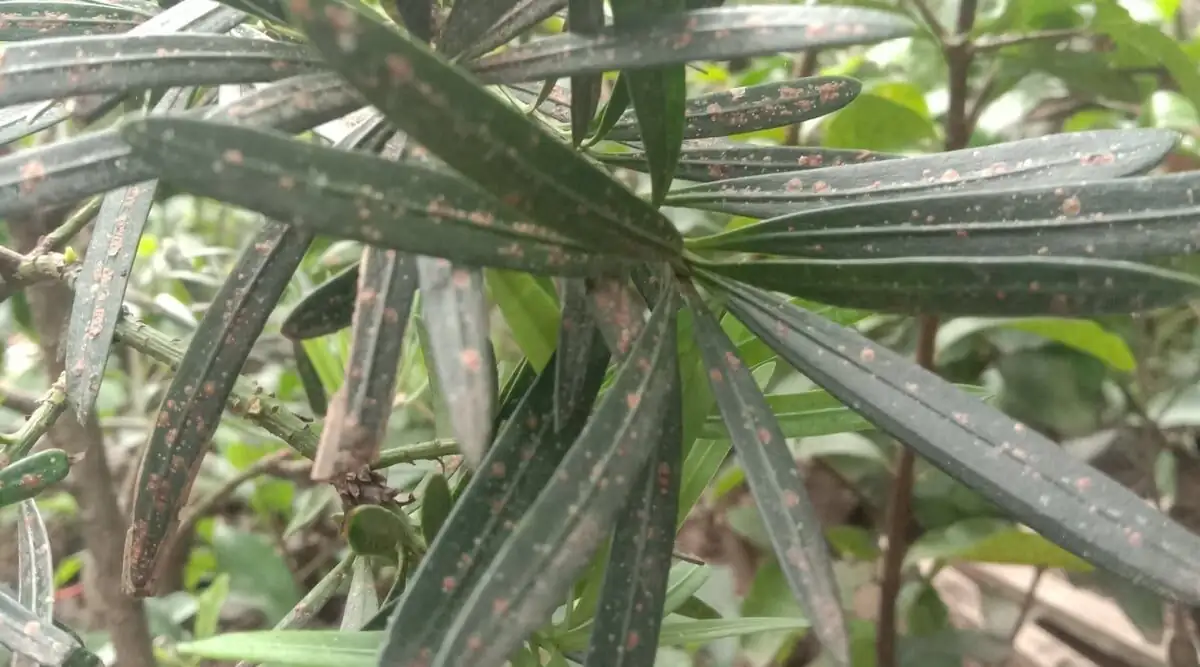
1) Sticky leaves, honeydew, or little brown bumps on stems and leaf midribs
- Likely: Scale insects (a common indoor pest on Podocarpus).
- Do this now:
- Isolate the plant. Wipe off visible scale and honeydew with a cotton pad.
- Treat with horticultural oil or an appropriate insecticidal soap, coating stems and both leaf surfaces.
- Repeat every 7–10 days for 3–4 rounds to catch new hatchlings (“crawlers”).
- Rinse surfaces below the plant; scale excretions can attract sooty mold.
- Prevention: Quarantine new plants, dust foliage monthly, and keep the canopy airy so you can see and reach stems easily.
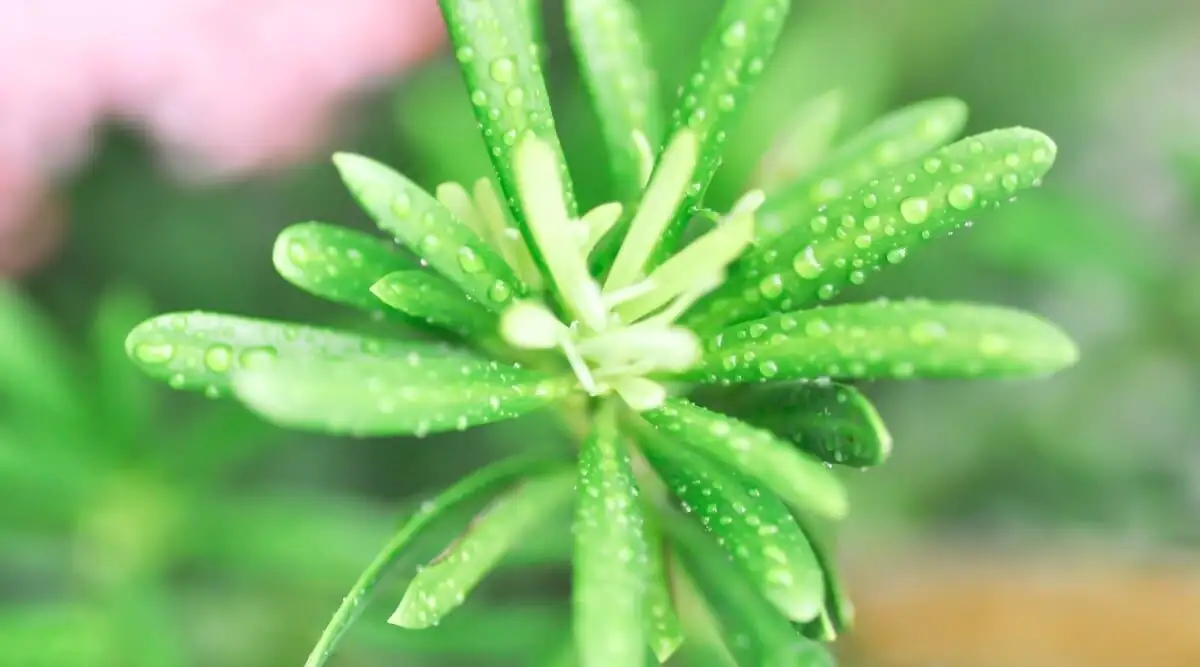
2) Round or irregular dark spots on leaves; spots may expand in humid spells
- Likely: Leaf spot.
- Do this now:
- Prune away affected leaves and any visibly diseased tips; make clean cuts back to healthy green wood.
- Improve airflow: thin congested interior stems, space the plant from walls, and consider a gentle fan on low.
- Water at soil level and keep leaves dry by night. If you mist in dry homes, do it in the morning only and allow foliage to dry fully.
- Collect and bin fallen leaves; don’t compost.
- Prevention: Avoid overhead watering late in the day, sanitize shears between cuts, and keep the plant in bright, filtered light where leaves dry promptly.
3) Leaves turning yellow
- Pattern A: Overall paling, especially on older, shaded leaves; stems elongate toward the window
- Likely: Low light.
- Fix: Move to brighter, indirect light—an east window or a south window filtered by a sheer. Rotate the pot weekly for even light and growth.
- Pattern B: Yellowing with soft, limp leaves; pot feels heavy for days; soil smells sour
- Likely: Overwatering or poor drainage.
- Fix: Let the top 2–3 cm (about 1 in) of mix dry before rewatering; empty saucers promptly. If drainage is suspect, repot into a free‑draining mix (leaf mold/compost + loam + coarse sand) and be sure the container has a clear drainage hole with a gritty layer at the base.
4) Stretched, sparse, or “leggy” growth with leaf drop low on the stem
- Likely: Insufficient light and/or overdue pruning.
- Do this now:
- Prune to shape: In late spring or during active growth, cut back lanky stems just above a leaf base or side branch to trigger bushier shoots. Avoid removing more than 25–30% at once.
- Pinch soft tips on new growth to encourage side branching.
- Upgrade the light (brighter, indirect). A sheer‑filtered south exposure or an east window works beautifully.
- Aftercare: Keep moisture steady (evenly moist, not soggy), and feed monthly in spring and autumn with a balanced fertilizer. Pause feeding in winter.
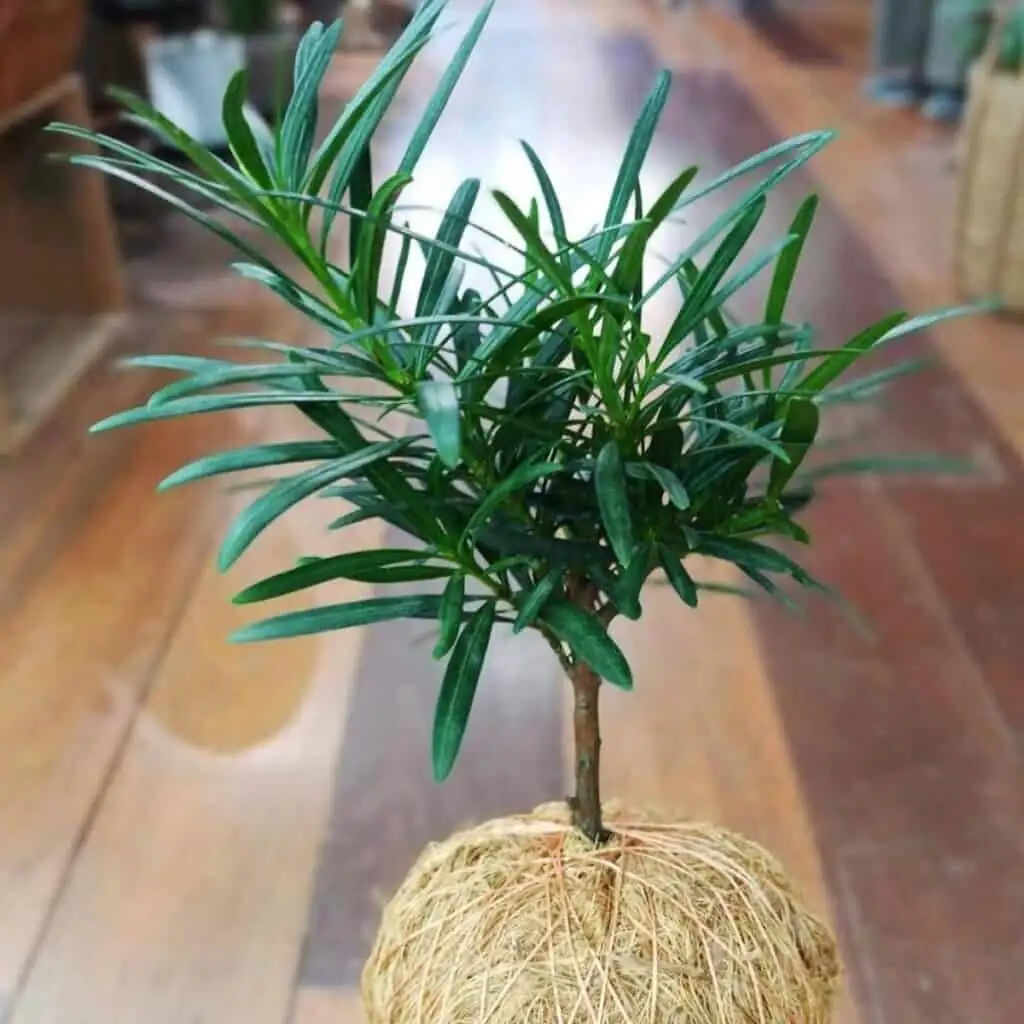
5) Sudden browning, edge scorch, or leaf drop after a cold snap or near a draft
- Likely: Cold-draft or low-temperature damage (young plants are especially sensitive below ~5°C / 41°F).
- Do this now:
- Relocate away from exterior doors, wintery window glass, and AC/heating vents. Nighttime window chill can bite—move the plant 30–60 cm (1–2 ft) inward or use a sheer/insulating curtain.
- Keep above 10°C (50°F) for the best winter foliage; protect young plants from colder spells.
- Trim off any dead tips back to healthy green tissue.
- Prevention: Elevate pots off cold floors, avoid transport on freezing days, and buffer balcony plants from wind.
Targeted protocols (quick, effective, repeatable)
Scale insects: wipe + horticultural oil
- Tools: Cotton pads, gentle cloth, horticultural oil or insecticidal soap, gloves.
- Steps:
1) Manually wipe off adult scale and honeydew.
2) Spray oil/soap thoroughly, including stems and leaf undersides. Test-spray a small section first.
3) Repeat every 7–10 days, 3–4 cycles.
4) Keep the plant in bright, indirect light and avoid harsh sun immediately after oil applications.
Leaf spot: airflow + clean cuts + dry leaves by night
- Tools: Sharp shears, disinfectant (70% alcohol), bin bag.
- Steps:
1) Remove spotted leaves and any blighted tips; disinfect blades between cuts.
2) Thin crowded interior stems to open the canopy.
3) Water the soil directly in the morning; avoid wetting foliage late in the day.
4) Increase spacing from walls and neighbors; a gentle fan on low helps in stagnant corners.
Yellowing: separate light issues from water issues
- Low light tell: Long internodes, leaves lean toward window, older interior leaves yellow first.
- Move closer to bright, indirect light; rotate weekly.
- Overwatering tell: Persistently wet, heavy pot; sour smell; limp yellowing leaves.
- Extend intervals between waterings; ensure fast drainage; repot if needed into an airy mix and a pot with a clear drain hole.
Leggy growth: prune smart for fullness
- Where to cut: Just above a leaf base or side shoot. New buds below the cut will branch and fill in.
- When to cut: Late spring or during active growth for quickest rebound; light tip-pinching can happen anytime the plant is growing.
- How much: Up to 25–30% per session. Shape over a few rounds instead of one big chop.
Cold-draft damage: anticipate and buffer
- Winter setup checklist:
- Keep above 10°C (50°F); protect young plants from <5°C (41°F).
- Shift pots away from glass at night; use a sheer curtain as a thermal buffer.
- Avoid HVAC blasts and door drafts; don’t park the plant on a frigid floor.
Baseline care that prevents most problems
- Light: Bright, indirect to partial shade. East-facing is excellent; filter strong south light with a sheer.
- Water: Evenly moist, never waterlogged; empty saucers. In active growth, weekly watering is typical—adjust to your home and pot size.
- Humidity: Moderate (50–60% indoors keeps leaves looking their best).
- Feeding: Monthly in spring and autumn with a balanced fertilizer; stop in winter.
- Repotting: Every 2–3 years in late spring into a free‑draining mix (leaf mold/compost + loam + coarse sand) with a gritty drainage layer at the base.
- Pruning: Trim when tall or leggy to encourage side shoots. Rotate the plant for even light.
- Placement: Bright window with filtered light; keep away from harsh sun, heating vents, and cold drafts.
- Safety: Keep out of reach—reported toxic if ingested by pets or children.
Bonus: water-culture option for young plants
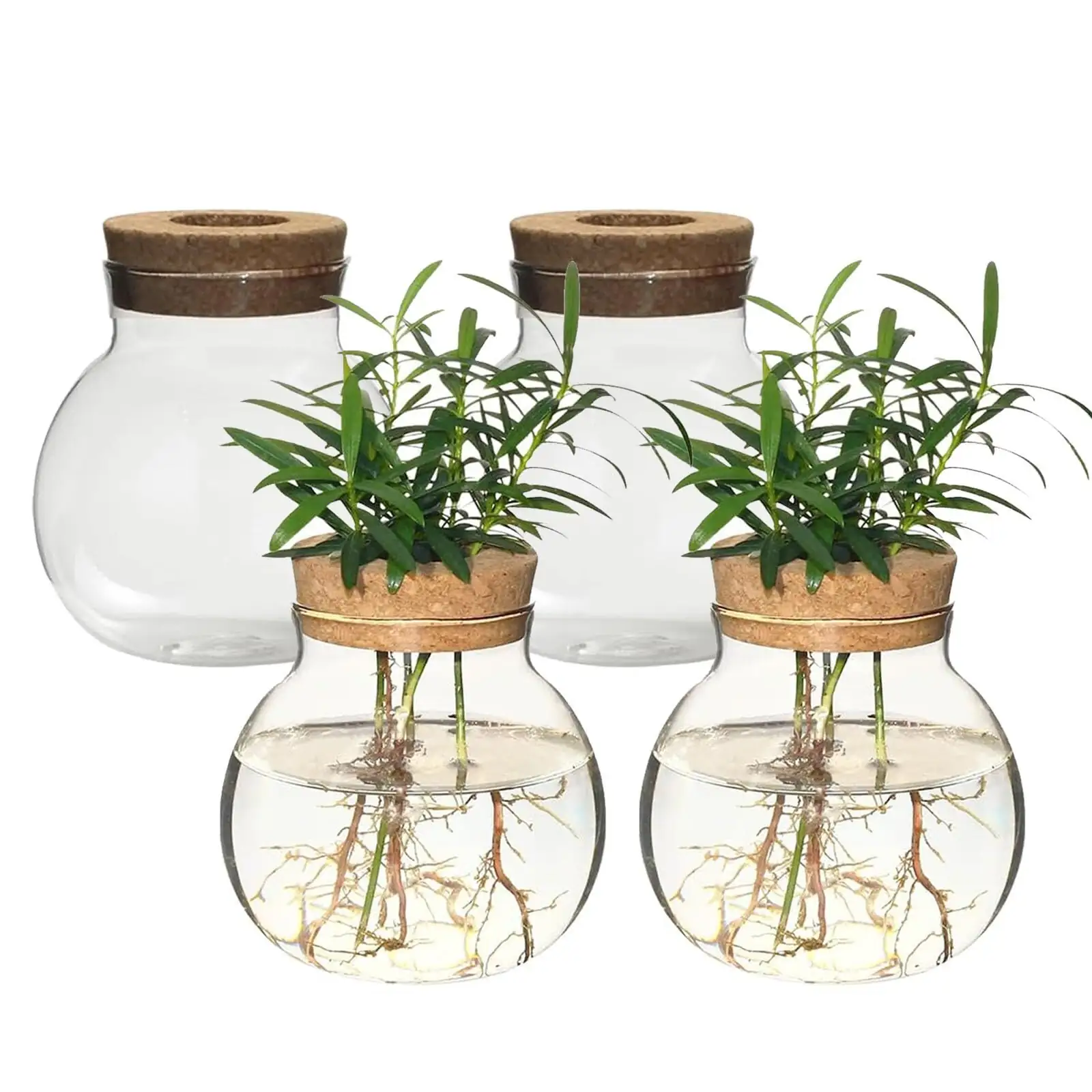
- Yes, Buddhist Pine can be grown in water when young for a sleek, modern look.
- Essentials: Rinse soil from roots, anchor with large LECA or stones in a glass/ceramic container, keep in bright indirect light at 18–26°C (64–79°F), change water every 3–5 days, and add a hydroponic nutrient solution about once per month.
Quick reference cheat sheet
- Sticky leaves + brown bumps → Scale → Wipe + horticultural oil, repeat weekly x3–4.
- Spots on leaves → Leaf spot → Remove, improve airflow, water at soil line, leaves dry by night.
- Yellow leaves + stretched stems → Low light → Move to brighter, indirect light; rotate.
- Yellow leaves + soggy mix → Overwatering → Let top dry, improve drainage, repot if needed.
- Sudden browning/drop near windows/vents in winter → Cold draft → Warm, draft-free site above 10°C.
With bright, gentle light, steady moisture, and a little strategic pruning, Podocarpus macrophyllus stays that tidy, glossy green sculpture you fell for—no drama required.