

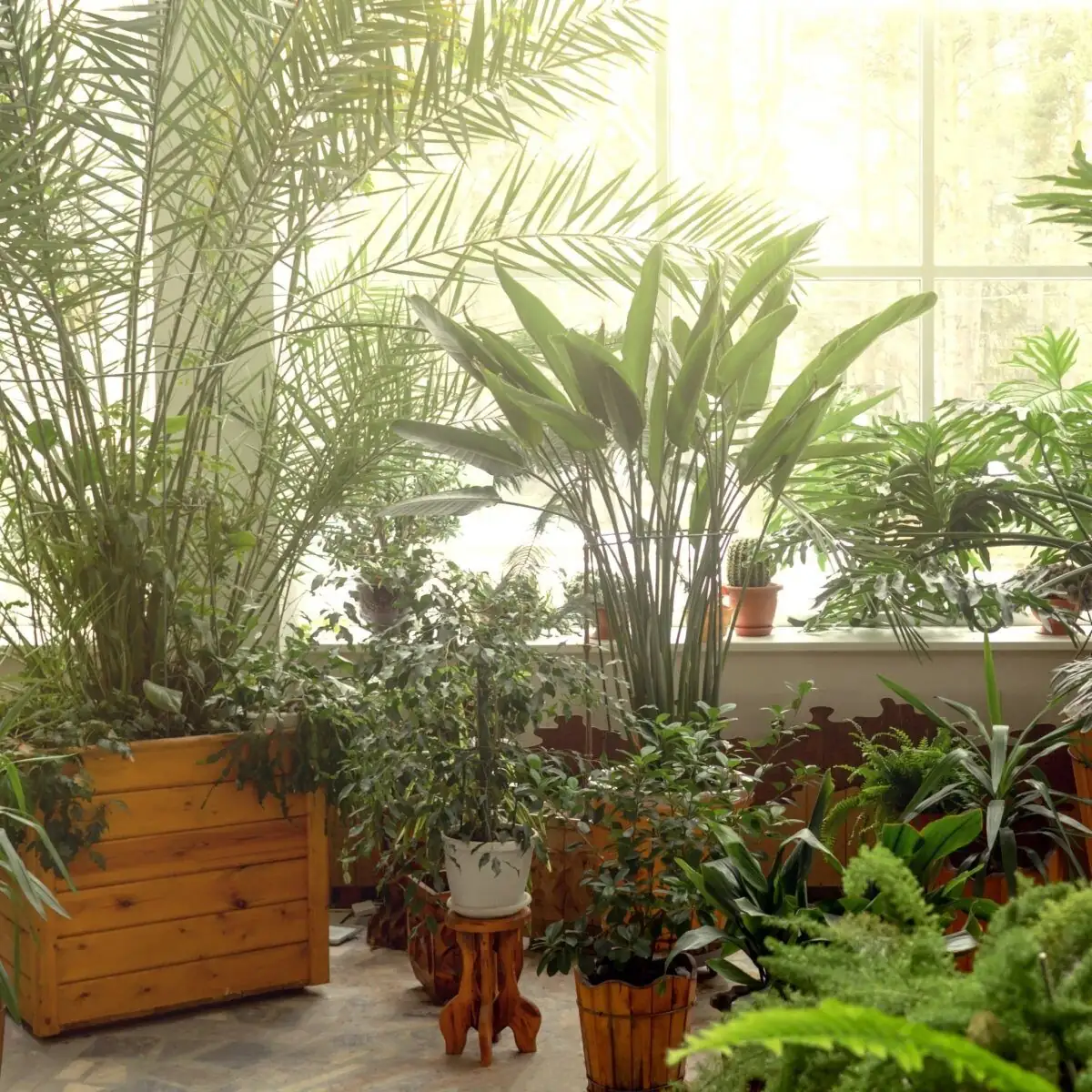
If you’ve ever wished for a houseplant that looks impeccably groomed all year without fussy theatrics, meet Buddhist Pine (Podocarpus macrophyllus). This evergreen from China and Japan keeps its deep-green, glossy leaves through every season and takes beautifully to life in a pot—sometimes even in water for a clean, modern look. Here’s a friendly, foolproof, season-by-season routine that keeps it lush: bright, filtered light; evenly moist but never soggy soil; weekly-ish watering; and a smart pause on feeding in winter. Plus, a beginner-friendly water-culture (LECA) setup you can start this weekend.
Meet Your Plant (and Its Sweet Spots)
- What it is: Podocarpus macrophyllus, an evergreen woody shrub/small tree with dense, glossy foliage. Often sold as a compact indoor plant around 60 cm (24 in) tall.
- Light: Bright, indirect light to partial shade. An east-facing window is ideal. A south window works if you filter with a sheer curtain. Avoid harsh direct sun.
- Temperature: 13–25°C (55–77°F) is its happy place. For winter foliage that stays pristine, keep above 10°C (50°F). Young plants can be damaged below ~5°C (41°F). Mature specimens may tolerate brief dips to about -5°C (23°F) if sheltered.
- Humidity: Prefers moderate humidity—aim for 50–60% indoors, with a sweet spot around 60–70% if you can manage it. Light misting helps in dry air.
- Soil: Use a free-draining, airy mix—think leaf mold or compost + garden loam + coarse sand—with excellent drainage (a gritty layer at the pot base helps).
- Personality: Shade-tolerant and adaptable, but it looks its absolute best with steady moisture, bright filtered light, and zero cold drafts.
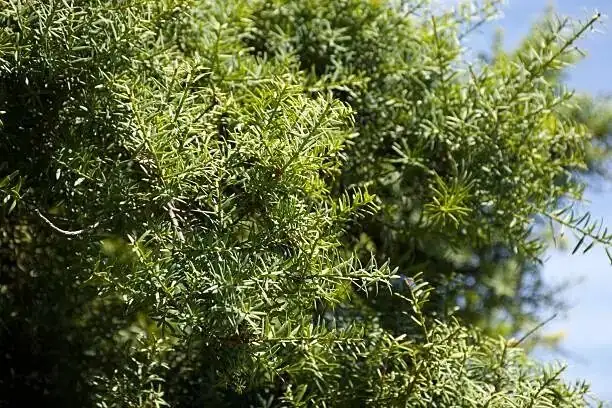
The Golden Rules (All Year)
- Light: Bright, filtered light; protect from scorching direct rays.
- Water: Keep the mix evenly moist—never soggy, never bone-dry. “Weekly-ish” is common, but adjust to your pot size, light, and indoor climate. Always empty the saucer.
- Feeding: Light feeder. Once per month in spring and again in autumn with a balanced fertilizer (e.g., 20-20-20) or a mild organic cake fertilizer. Stop in winter.
- Air: Moderate humidity suits it; keep away from heating vents and cold drafts.
A Season-by-Season Routine
Spring: Wake-Up and Shape-Up
- Light: Give it prime real estate—east-facing is perfect. If moving from dimmer spots, increase light gradually.
- Water: Resume steady, even moisture. Weekly-ish is typical; use pot weight and the top of the mix as guides (it should never feel bone-dry).
- Feed: Start monthly feeding now (balanced liquid or organic cake). One dose per month is plenty.
- Groom & Prune: Trim back any leggy top growth to encourage side shoots and a fuller silhouette.
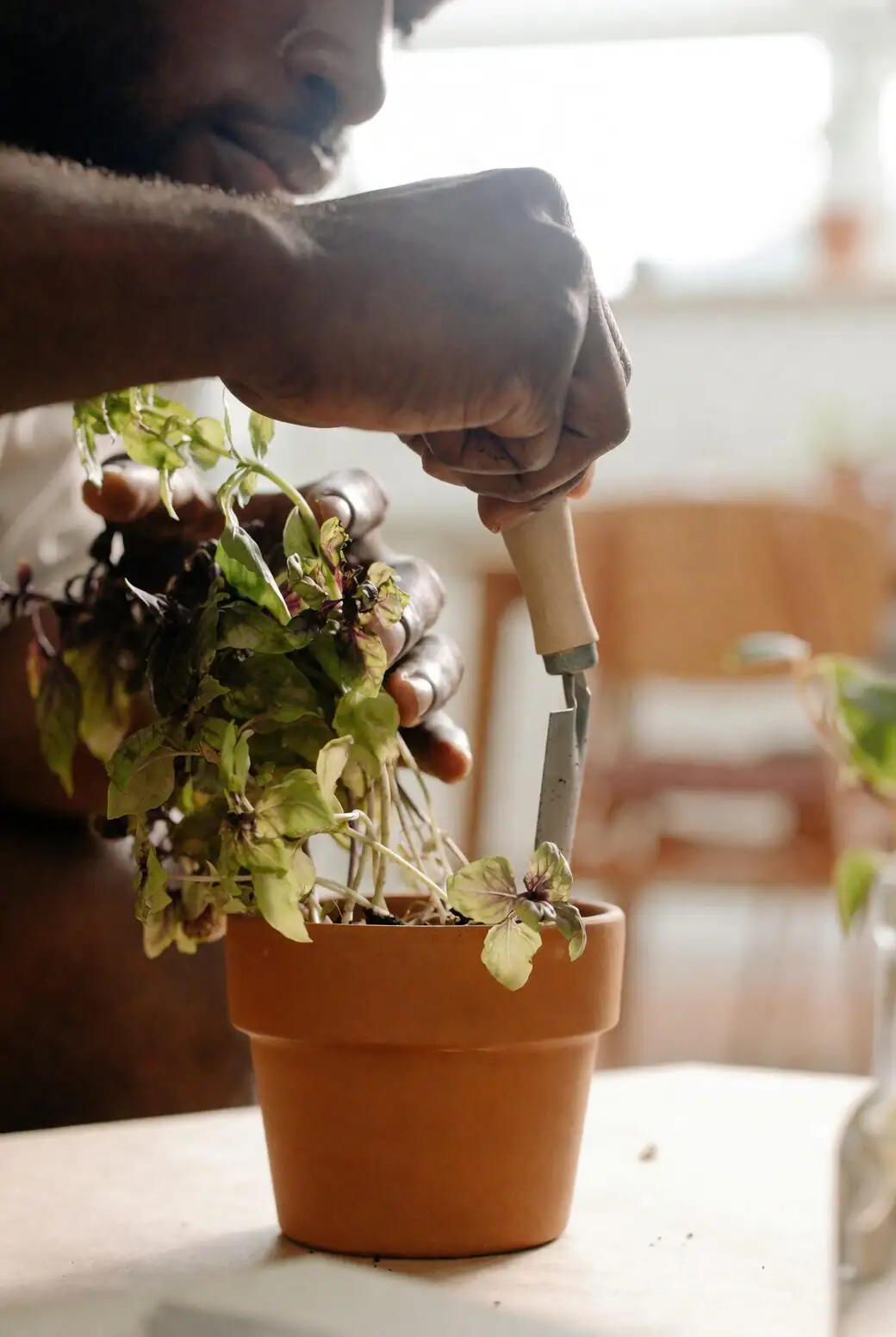
- Repot (late spring): Every 2–3 years, step up to a 15–20 cm (6–8 in) pot, using that airy loam/compost/sand blend. Add a gritty drainage layer at the bottom.
- Pest check: Scale insects love woody foliage—wipe leaves, inspect stems, and treat early if needed.
Summer: Steady, Lush, Protected From Harsh Sun
- Light: Bright but gentle. Use a sheer curtain on strong south windows, or pull it slightly back from the glass. Partial shade is fine.
- Water: Warmer rooms may nudge you to water a touch more often than weekly. Keep it evenly moist, never waterlogged.
- Humidity: Aim for 50–60% minimum; 60–70% is even better. Use a room humidifier, a pebble tray, and occasional misting.
- Feed: This plant is a light eater—save regular feeding for spring and autumn. If growth is strong and you’d like to maintain momentum, keep it very mild and infrequent; otherwise, skip midsummer feeding altogether.
- Rotate: Quarter-turn the pot every 1–2 weeks for even growth.
Autumn: Cool-Down Without the Slump
- Light: As days shorten, nudge it closer to your brightest filtered window.
- Water: Keep to evenly moist. As growth slows, watering will edge back toward that once-a-week rhythm (sometimes a bit less).
- Feed: Monthly feeding continues through autumn. This is your last call before the winter pause.
- Move/Protect: If yours summered outdoors, bring it in before nights dip below 10°C (50°F). Young plants especially dislike chills below ~5°C (41°F).
- Light Tidying: Prune lightly to keep form neat.
Winter: Rest Easy, Stay Handsome
- Light: Give it your brightest filtered spot. East windows shine in winter; on a strong south window, keep that sheer curtain in place.
- Water: Less frequent, but never let it dry to dust. Keep the mix evenly moist—just not soggy. Always empty standing water.
- Feed: Stop feeding entirely in winter.
- Temperature: Best above 10°C (50°F). Protect from drafts and cold windowpanes.
- Humidity: Indoor air gets dry—try to hold ~50–60% with a humidifier or pebble tray; mist sparingly.
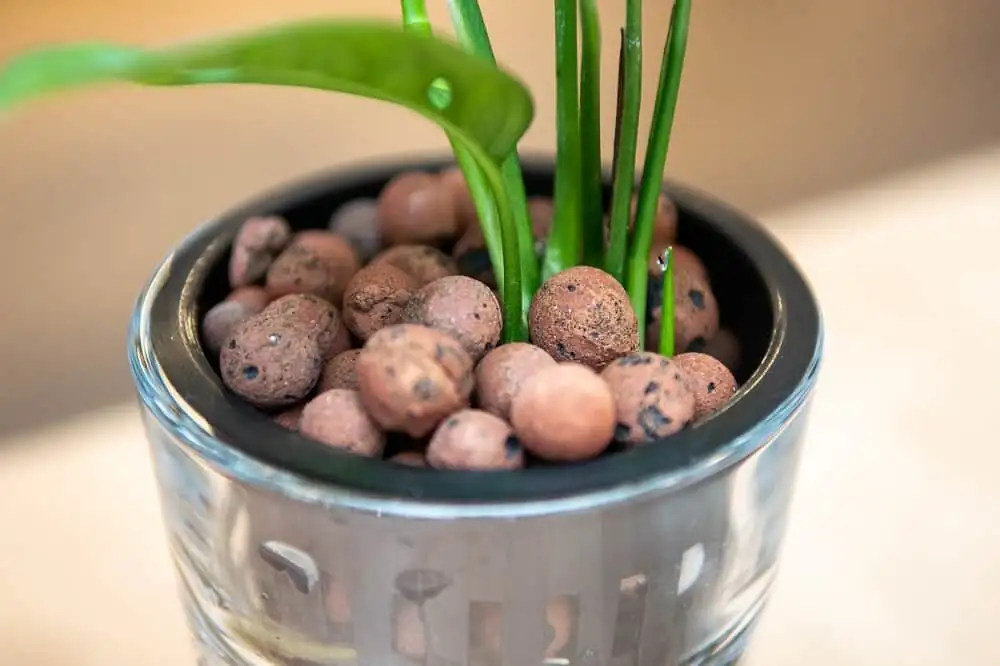
Beginner-Friendly Water-Culture (LECA) Setup
Buddhist Pine juveniles look sleek in water culture—as long as the water stays fresh and light is gentle.
What You’ll Need
- A healthy seed-grown seedling, about 15–20 cm (6–8 in) tall
- A glass, ceramic, or metal vessel
- Large LECA/clay pebbles or smooth decorative stones (inert and clean)
- Fresh water and a hydroponic nutrient solution
Step-by-Step
- Rinse Roots: Gently wash all soil from the roots. Trim away any mushy or dead bits.
- Anchor: Add a base layer of rinsed LECA/stones, set the seedling in place, then backfill to hold it upright.
- Water Line: Add water to submerge the roots but keep the stem base above the water. Leaving a small air gap encourages oxygen to the roots.
- Placement: Bright, indirect light; 18–26°C (64–79°F).
- Maintenance:
- Change the water every 3–5 days (non-negotiable for clear water and healthy roots).
- Add a hydroponic nutrient solution once per month.
- Rinse the vessel and pebbles if algae builds up.
- Mist in very dry air and prune to keep proportions neat.
When to Transition Back to Potting Mix
If the plant outgrows its vessel or you want a more forgiving routine, shift it back to soil in late spring. Use the airy loam/compost/coarse sand mix with a gritty drainage layer, water lightly to settle, and resume bright, filtered light.
Troubleshooting at a Glance
- Stretched stems, sparse lower leaves: It wants more light. Move to an east window or brighten with a sheer-filtered south window. Prune to encourage side shoots.
- Yellowing from the bottom up: Often uneven moisture. Re-establish “evenly moist, never soggy” and always empty the saucer.
- Brown tips/crisp edges: Check humidity and watering consistency. Aim for 50–60% humidity and avoid letting the mix go bone-dry.
- Mushy roots or sour smell (in soil): The mix is too wet or poorly drained. Refresh with a free-draining blend and ensure excess water can escape.
- Leaf spot: Improve airflow, avoid wetting leaves late in the day, and remove affected foliage.
- Scale insects: Wipe off and treat with horticultural oil or an appropriate insecticidal soap; repeat as needed.
Safety and Smart Placement
- Toxicity: Use caution around pets and children—Podocarpus species are reported toxic if ingested. Keep out of reach and seek medical/veterinary advice if eaten.
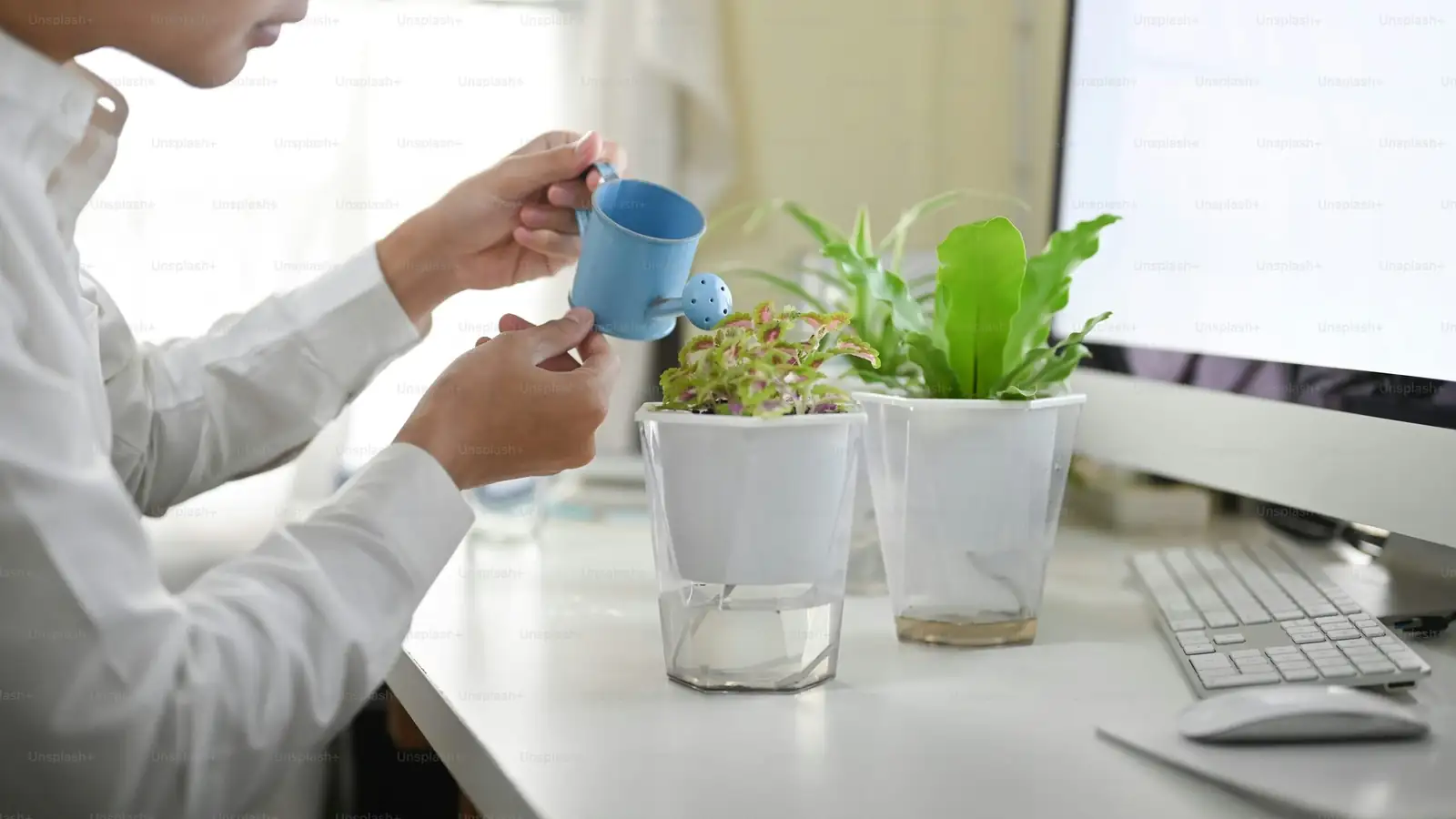
- Placement: Indoors near a bright, filtered window is perfect. Keep away from heating vents and cold drafts. Water-grown juveniles look great on desks (even near computers) if light is adequate.
Little Botanical Extras
- Growth habit: Evergreen, with inconspicuous flowers. Male plants produce small pollen cones; female plants may set fleshy, berry-like arils after pollination.
- Propagation: Sow fresh seed when possible (viability drops fast), or take semi-ripe cuttings in early summer from young, vigorous growth.
Symbolism and Name Lore
In the modern houseplant trade, Buddhist Pine is frequently marketed under auspicious “lucky” names—hence its reputation as a bringer of prosperity. This luck-branded symbolism is more a creation of contemporary marketing and retail culture than a deep historical “flower language,” but it stuck because the plant itself feels serene and enduring. With its poised, evergreen elegance and long-lived nature, it certainly looks the part.
—
Treat your Podocarpus to bright, filtered light, steady-but-sensible moisture, and a winter feeding pause, and it will reward you with year-round polish. Whether you grow it in a classic pot or try that minimalist LECA look with 3–5 day water changes and monthly nutrients, this is a plant that quietly makes your space feel calm, composed, and alive.