

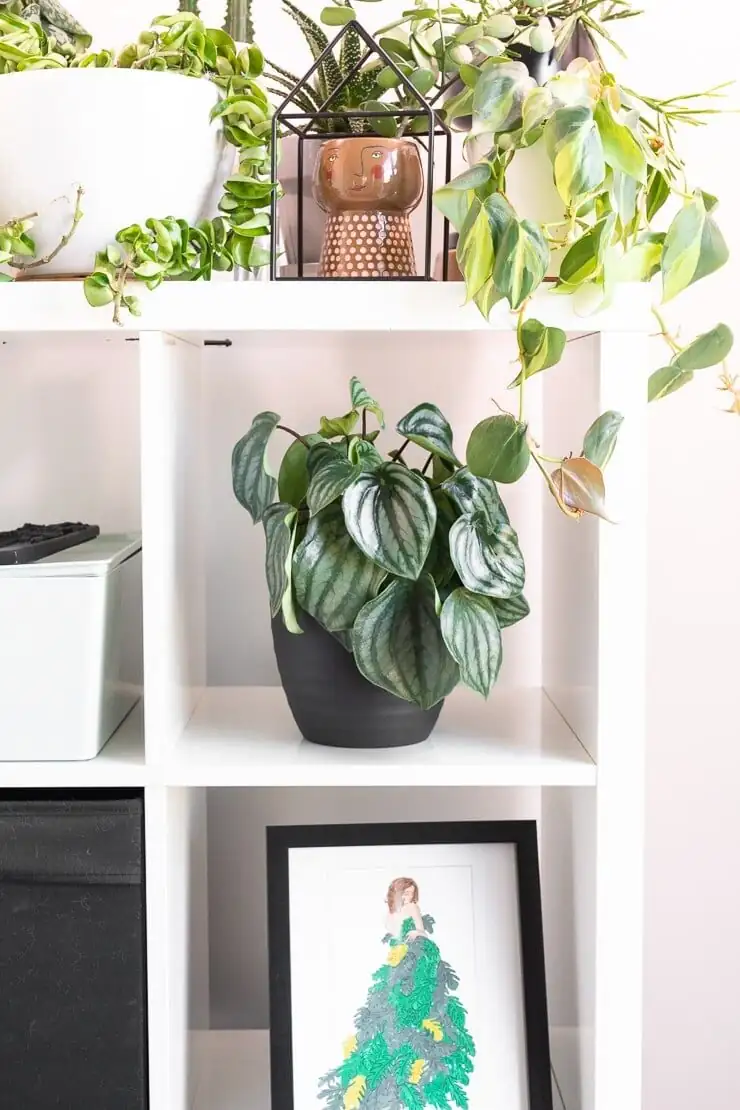
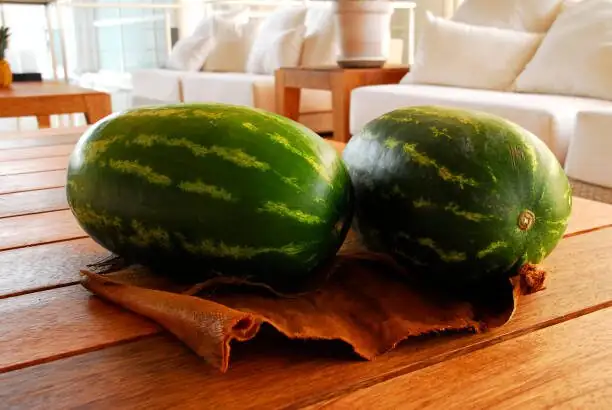
Think of Watermelon Peperomia (Peperomia argyreia) as the graphic T‑shirt of your plant collection: bold stripes, compact silhouette, instantly fresh. The design trick is to give those silver-green bands a stage that flatters them—through pot choices, layered heights, safe light placement, and small-but-thoughtful vignettes in bright‑indirect corners.
Read the leaf: what the pattern wants
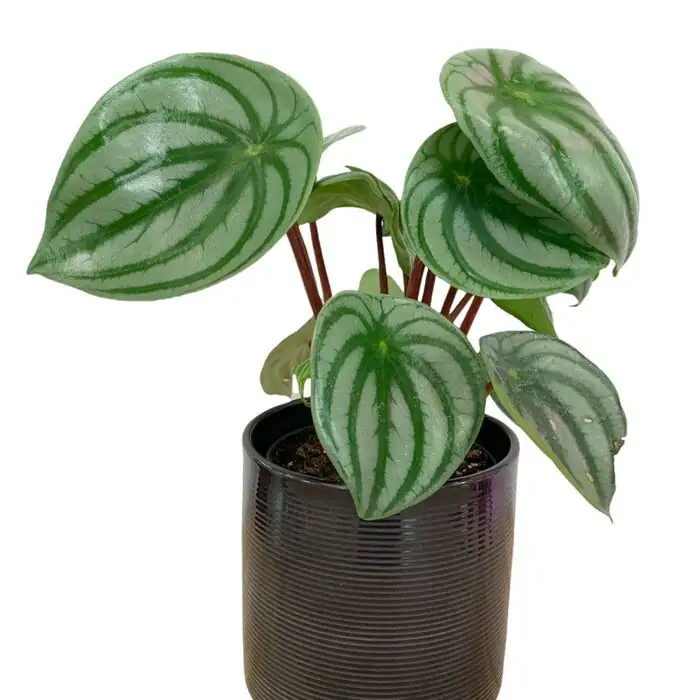
- Light: Bright, indirect light to partial shade keeps the striping crisp. Avoid harsh direct sun; it can scorch and fade leaves. East windows are ideal; bright north works; set back from hot south/west glass.
- Scale: Mature plants are typically 6–12 in tall with a similar spread—perfect for shelves, desks, and windowsills.
- Style cue: Round, slightly succulent leaves on slender reddish petioles give a sculptural, modern feel that pairs well with clean lines and tactile surfaces.
Pot shapes that amplify the stripes
The rosette sits low and reads circular from above. Choose containers that echo or frame that geometry.
Shapes that flatter
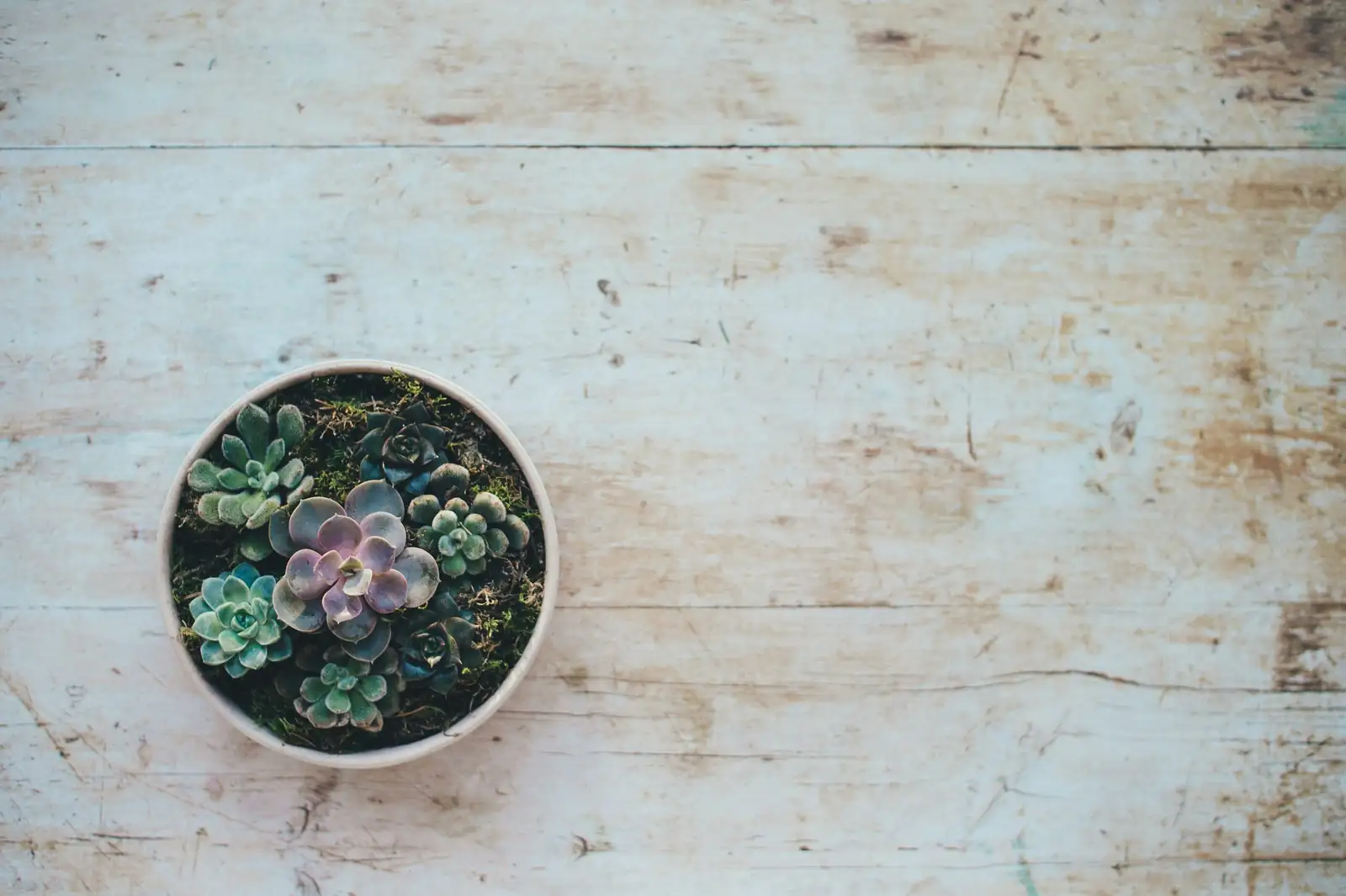
- Low, wide cylinders (or shallow “bowl” planters): Showcase the round canopy without swallowing it. A 4–5 in (10–12.5 cm) pot suits many plants; go only one size up when needed.
- Footed planters/pedestal bowls: Lift the foliage just enough to accent the undersides of the leaves and those reddish petioles.
- Straight-sided planters with a narrow lip: Create a crisp edge that sets off the leaf disks like a gallery frame.
Avoid deep, narrow pots that push the crown too high above the rim—this plant prefers being slightly pot‑bound in a fast‑draining mix, not lost in excess soil.
Materials and textures
- Matte stoneware or satin ceramic: Soft sheen contrasts beautifully with glossy leaves, making silver bands pop.
- Lightly speckled clay or terrazzo: Adds quiet texture without competing with the leaf pattern.
- Ribbed/fluted planters: Subtle verticals play nicely against the leaf’s radial stripes.
- Terracotta: Lovely and airy, but it wicks moisture—water a bit more attentively in warm months to avoid prolonged dryness.
Tip: Metallic cachepots can overheat near sunny glass; if you love the look, keep them off hot windows or use them as decorative covers around a plastic grow pot with airflow.
Color pairing
- High-contrast neutrals: Charcoal, soft black, or crisp white make the silver sing.
- Earthy café tones: Sand, mushroom, and putty warm the vignette without stealing attention.
- Soft greens and smoky blues: Harmonize with the foliage; choose muted hues so the stripes remain the star.
Finishing the surface
- Top-dress with pale pumice or fine gravel to bounce light into the rosette.
- Skip moisture-holding moss in the growing season unless you water carefully—this plant dislikes soggy roots.
Height layering: build a scene, not just a spot
Think in tiers to create a visually rich corner that still feels airy.
- The anchor: Place your peperomia on a low riser, stack of design books, or a petite pedestal to bring leaves to eye level.
- The cast: Flank with one taller, airy plant (e.g., a slender cane or a ferny silhouette) and one trailing companion (a petite, pet‑safe peperomia variety works beautifully) to create a loose triangle composition.
- Negative space: Leave breathing room around the leaf discs so each stripe reads cleanly—clutter dulls impact as surely as low light.
- Echo the circle: A round mirror, orb vase, or dome lamp shade nearby repeats the leaf shape for effortless cohesion.
Bright‑indirect corners: ready‑made vignette ideas
East‑window breakfast nook
- Place the plant 8–18 in behind a sheer curtain on a footed ceramic bowl.
- Add a ribbed glass carafe and a linen runner for soft textures that complement the sheen of the leaves.
North‑facing desk vignette
- Use a matte black cylinder on a small oak riser.
- Style with a graphite pencil cup and a stone coaster; rotate the plant a half‑turn weekly for even growth.
Bookshelf spotlight
- Tuck it on an open shelf set back from the edge, in a speckled bowl planter.
- Pair with a small round picture frame and a single sculptural object to keep the scene calm but curated.
Entry console with bounce light
- Position near a bright wall or mirror that reflects indirect light.
- A pedestal planter plus a small catchall tray (in sand or putty) keeps it minimal and modern.
Bright bathroom (no harsh sun)
- Great in average humidity with gentle airflow.
- Use fluted white ceramic, a pale gravel top-dress, and a rounded soap dish to mirror the leaf form.
Safe distances from hot glass (and other heat sources)
Watermelon peperomia loves bright, filtered brightness but not scorching heat.
- Summer afternoons: Keep 12–24 in (30–60 cm) back from sun‑struck south/west windows, or filter with a sheer. Avoid pressed-against‑glass placements that cook leaves.
- Winter: Move it brighter, but still skip strong midday rays. A spot just behind a sheer or slightly set back on an east sill works well.
- Heat/AC etiquette: Keep away from radiators, heat vents, and cold drafts; steady, mild temperatures (59–75°F / 15–24°C) keep foliage crisp.
Rule of thumb: If the glass or the pot feels hot to the touch in afternoon sun, the plant is too close.
Care quick hits to keep the look flawless
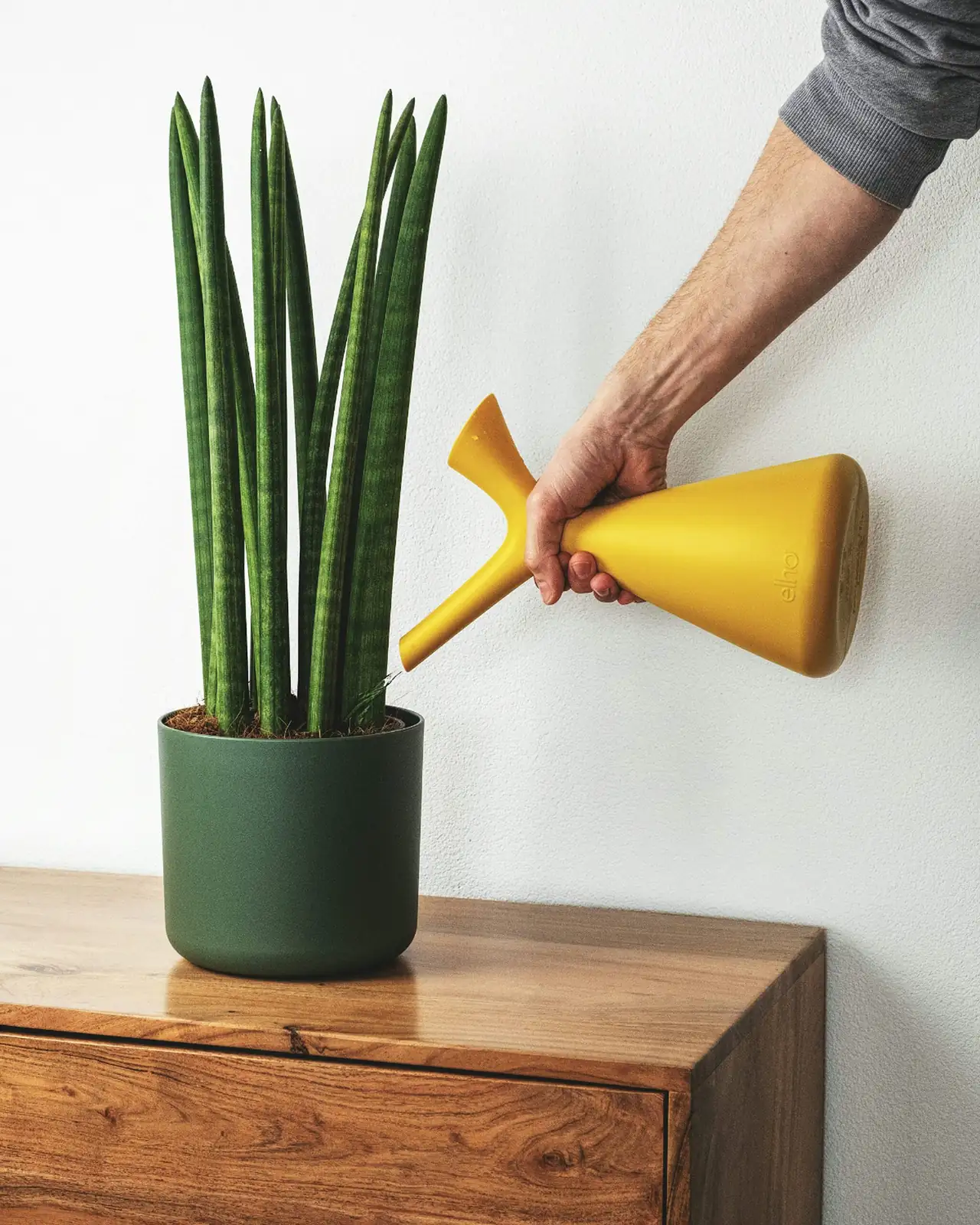
- Watering: Water thoroughly, then let the top portion of mix dry before the next drink. Often weekly in spring–summer; about every 2 weeks in winter. Never leave it sitting in water.
- Soil and potting: Use a loose, fast‑draining mix (quality houseplant base with perlite/coarse sand). Ensure drainage and keep slightly pot‑bound; repot every 2–3 years, only one size up.
- Feeding: During active growth, feed monthly at half‑strength—or use a more diluted, every‑2‑weeks routine in peak season. Ease off in winter; avoid heavy nitrogen that blurs the leaf contrast.
- Light: Bright, indirect to part shade. Dull striping often means it needs a brighter but still filtered spot.
- Air and humidity: Average indoor humidity is fine; add a pebble tray in very dry air. Gentle airflow helps discourage pests.
Troubleshooting the aesthetic
- Yellow, soft leaves, or droop with wet mix: Overwatering. Dry the top layer more between waterings and check drainage.
- Droop without yellowing: Likely underwatering or very dry air. Water thoroughly; consider a pebble tray away from heat sources.
- Faded stripes/elongated petioles: Light too low. Shift to a brighter indirect position.
- Scorched/faded patches: Too much direct sun or hot glass exposure. Increase distance or add a sheer filter.
Common indoor pests (mealybugs, scale, mites, whitefly) prefer stale, dry air—catch early with insecticidal soap or horticultural oil and improve airflow.
Pet‑friendly styling confidence
Generally considered non‑toxic to cats, dogs, and people, Watermelon Peperomia is an easy choice for low shelves and desktops. Still, discourage chewing—any plant can cause mild stomach upset if munched.
A note on symbolism
Rather than ancient folklore, this plant’s “language” is mostly modern: its perennial, cheerful stripes signal freshness and playfulness—an all‑season pop of optimism that reads like a little slice of summer on a shelf.
—
Design takeaway: Treat Peperomia argyreia like a small artwork—give it the right frame (a low, textured pot), the right lighting (bright but softened), and a bit of stagecraft (height layering and thoughtful props). Do that, and its watermelon stripes will do the rest.