

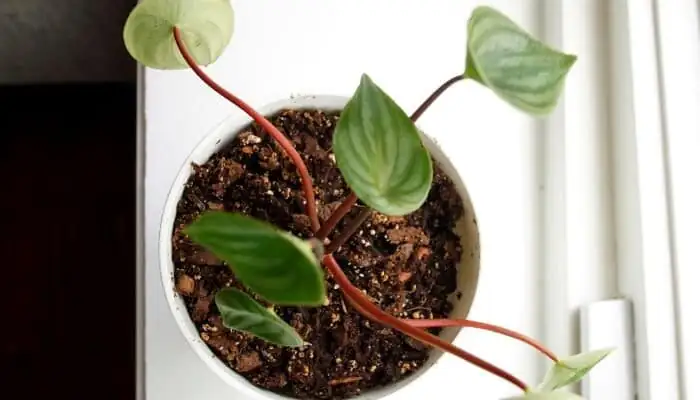
Picture a slice of summer on a stem: round, slightly succulent leaves banded in silver and green like tiny watermelon rinds, held up on ruby-tinged petioles. Peperomia argyreia (Watermelon Peperomia) is a compact, desk-friendly plant that loves bright, gentle light and a pot that fits like a favorite pair of jeans—snug, never sloppy. Here’s a seasonal, step-by-step plan to keep those leaves vivid and perky all year.
Quick profile
- Botanical name: Peperomia argyreia (family Piperaceae)
- Common names: Watermelon Peperomia, Silver-Leaf Peperomia, Watermelon Begonia
- Origin: Northern South America, especially Brazil
- Size: Typically 15–30 cm (6–12 in) tall and wide; neat, mound-forming
- Grown for: Ornamental foliage; tiny “rat-tail” flower spikes may appear summer to late summer indoors
The “slightly pot‑bound” rule (the secret to vivid, perky leaves)
Watermelon Peperomia looks its crispest when its roots gently fill the pot.
- Why it works: A snug rootball sips water steadily without sitting in soggy soil. This keeps color contrast sharp and petioles sturdy.
- Pot size: Most plants are happy in 10–12.5 cm (4–5 in) pots; established clumps may move to 12–15 cm (4.7–5.9 in).
- When to repot: Every 2–3 years, only one pot size up. Refresh or top-dress the mix annually instead of frequent upsizing.
- Soil mix: Loose and fast-draining (quality peat/coco houseplant mix + perlite/coarse sand). Always use a pot with drainage.
Tip: If the mix stays wet for many days or leaves yellow and soften, switch to a lighter, airier mix before you switch to a larger pot.

Light: precise placement by window direction (and season)
Bright, indirect light to part shade keeps the “watermelon” striping crisp. Avoid harsh direct sun that can fade or scorch.
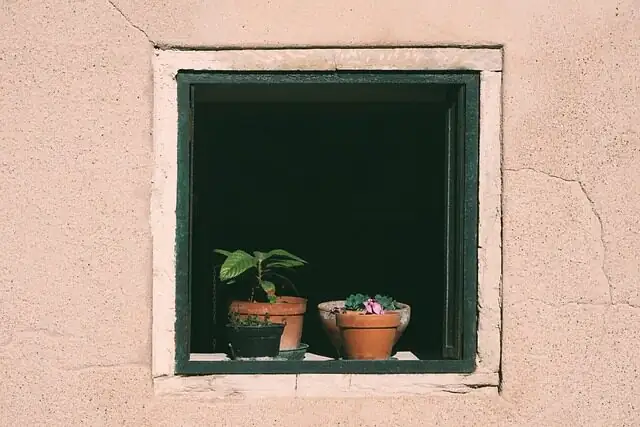
East window
- Spring–Autumn: Excellent. Morning sun is gentle; position near the glass or just back from it.
- Summer heatwave: Pull back 20–60 cm (8–24 in) or use a sheer curtain if the glass gets hot.
- Winter: Move closer to the glass for extra brightness.
North window (bright north)
- Year-round: Works if the window is bright; keep close to the glass.
- Winter: Growth can slow and striping may dull—consider supplemental brightness (move to a brighter room or closer to an east exposure).
South window
- Spring–Autumn: Set back 0.6–1.5 m (2–5 ft) or filter with a sheer curtain to dodge midday scorch.
- Winter: You can slide it nearer to the window, still avoiding prolonged midday direct rays.
West window
- Spring–Summer: Afternoon sun through west glass can be intense—use sheers and/or set back 0.6–1 m (2–3 ft).
- Autumn–Winter: Closer is fine if the light is gentle.
Good habit: Rotate the pot a half turn weekly to keep the clump symmetrical.
Temperature and humidity targets
- Ideal range: 15–24°C (59–75°F)
- Caution: Stress increases above ~30°C (86°F) and below ~13°C (55°F). Avoid below ~10°C (50°F) and cold drafts.
- Humidity: Moderate suits it well. If your air is very dry, add a pebble tray or light, occasional misting and ensure gentle airflow.
Watering: a seasonal, step‑by‑step plan
This plant dislikes two extremes: soggy roots and bone-dry spells. Water thoroughly, then allow the top portion of the mix to dry before watering again.
General how-to each time you water:
1) Check dryness: Press a finger into the mix; the surface (top 1–2 cm / 0.5–1 in) should feel dry before rewatering.
2) Soak and drain: Water until it runs from the drainage holes; empty the saucer.
3) Adjust to light and heat: Brighter, warmer placements dry faster; shadier, cooler spots dry slower.

Seasonal rhythm (typical indoor home):
- Spring: About weekly once the surface dries. New growth = slightly quicker dry-down.
- Summer: Keep evenly moist but never soggy; often every 5–9 days depending on light and heat. Never let it sit in water.
- Autumn: Back toward weekly, allowing the surface to dry between drinks.
- Winter: Sparingly—often about every 2 weeks. Let the mix dry a bit more to prevent rot in cooler, darker conditions.
Signs of trouble:
- Overwatered: Yellowing, soft leaves; sour smell; blackened leaf bases. Let the top dry further and improve drainage/airflow.
- Underwatered/dry air: Leaves curl or droop without yellowing. Water thoroughly and consider a pebble tray away from heat vents.
Feeding for crisp contrast
- During active growth, choose one:
- Monthly at half strength, spring through autumn
- Or every 2 weeks at a more diluted rate during peak growth (roughly May–August)
- Ease off or stop in winter.
- Avoid heavy nitrogen that can soften growth, stretch petioles, and mute the silver-green pattern.
A year of care: season-by-season checklist
Spring (reset and grow)
- Light: Brighter filtered light (east window is prime).
- Water: When the surface dries—often weekly.
- Tasks:
- Top-dress or refresh the upper mix layer; repot only if tightly rootbound (one size up).
- Begin feeding schedule.
- Best time for leaf or stem propagation and for dividing crowded clumps.
- Rotate weekly for even growth.
Summer (protect and balance)
- Light: Out of harsh midday sun; set back from hot south/west glass or use sheers.
- Water: Keep evenly moist without sogginess; ensure the pot drains freely.
- Airflow: Gentle circulation helps deter pests and leaf issues.
- Watch heat: Move away from hot windows if temps spike above 30°C (86°F).
Autumn (steady and simplify)
- Light: Maintain bright-indirect; days shorten, so avoid deep shade.
- Water: Moderate—usually about weekly as growth slows.
- Feeding: Reduce frequency as growth tapers.
- Grooming: Thin crowded leaves to keep a tidy mound.
Winter (brighten and go easy)
- Light: Brightest safe spot; closer to an east/south window, still avoiding strong direct midday sun.
- Water: Sparingly—about every 2 weeks, allowing more dry-down.
- Feeding: Pause.
- Warmth: Keep away from cold drafts and chilly panes.
Grooming and shape
- Pruning: Minimal. Snip yellowing or damaged leaves at the base. Pinch any leggy growth to maintain the compact, domed habit.
- Clean leaves: Wipe gently to keep the silver stripes gleaming and to discourage pests.
Propagation that feels like magic
Grow a new plant from a single leaf in spring or summer.
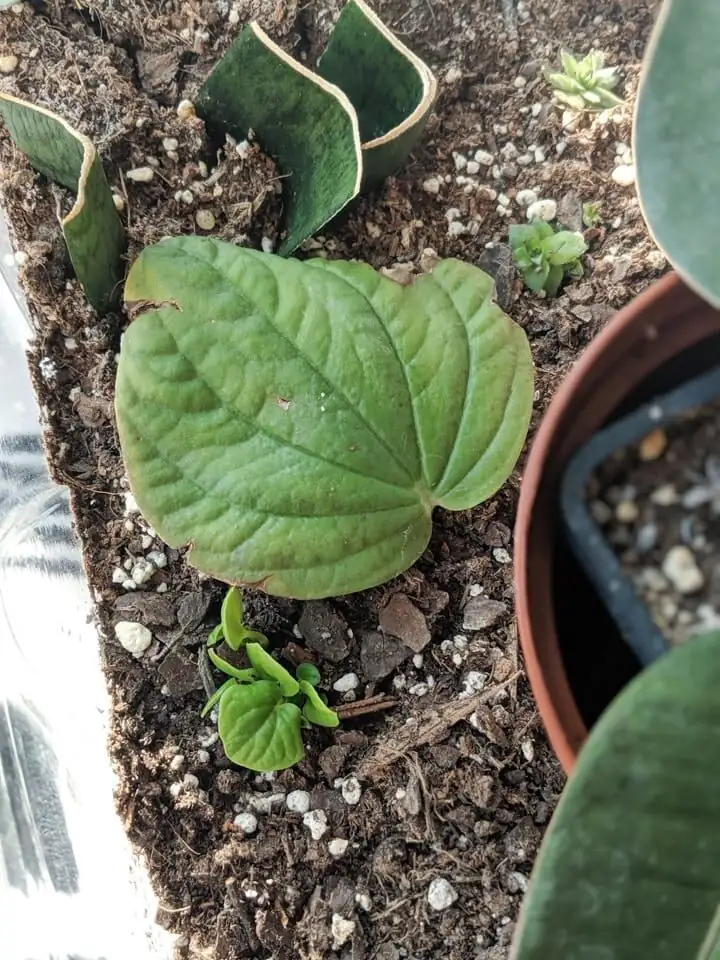
- Leaf-cutting method:
- Take a mature leaf with 1–2 cm (0.4–0.8 in) of petiole.
- Insert the petiole and about one-third of the leaf into a lightly moist, airy medium (perlite/sand mix).
- Keep bright, indirect light and lightly moist—not wet.
- Roots often form in 3–4 weeks; tiny plantlets may appear in 4–6 weeks.
- Stem cuttings: Root in water or a well-draining mix.
- Division: Split a crowded clump at spring repotting; keep divisions in bright shade while they re-establish.
Troubleshooting: quick diagnoses
- Yellowing, droopy petioles: Usually overwatering or a mix that stays wet; also too much direct sun or cold drafts.
- Curling/drooping without yellowing: Often underwatering or very dry air; water thoroughly and increase humidity slightly.
- Faded striping, slow growth: Light is too low; move to brighter, indirect light.
- Scorched or bleached patches: Too much direct sun, especially at hot glass; add sheer curtains or move back.
- Pests: Mealybugs, scale, spider mites, and whitefly can appear in warm, dry air. Treat early with insecticidal soap or horticultural oil, repeating as needed. Improve airflow and keep leaves clean.
- Root rot risk: Avoid waterlogged media; let the top dry between waterings; ensure drainage.
Safety and placement perks
- Pet-friendly: Generally considered non-toxic to cats, dogs, and people. Still, discourage nibbling.
- Perfect spots: Desks, shelves, windowsills, and hanging planters in bright shade—anywhere you want cheer without a space hog.
Flowering (a side note)
- Expect thin, pale green to cream “rat-tail” spikes, summer to late summer indoors. Interesting up close, but the foliage is the main event.
Symbolism and modern meaning
This plant is often linked with freshness and playfulness—its sparkling “watermelon” pattern reads as lighthearted joy on a windowsill. There isn’t deep historical folklore attached to it; its meaning is modern and visual, born from the delight of those candy-striped leaves brightening homes year-round.
—
If you remember only four rules, make them these:
- Bright, indirect light; avoid harsh midday sun.
- Water thoroughly, then wait for the top to dry—weekly-ish in growing season, about every 2 weeks in winter.
- Keep it slightly pot‑bound in a fast-draining mix.
- Warm, draft-free air with modest humidity and gentle airflow.
Follow that, and your Watermelon Peperomia will stay as crisp and perky as a freshly sliced rind.