

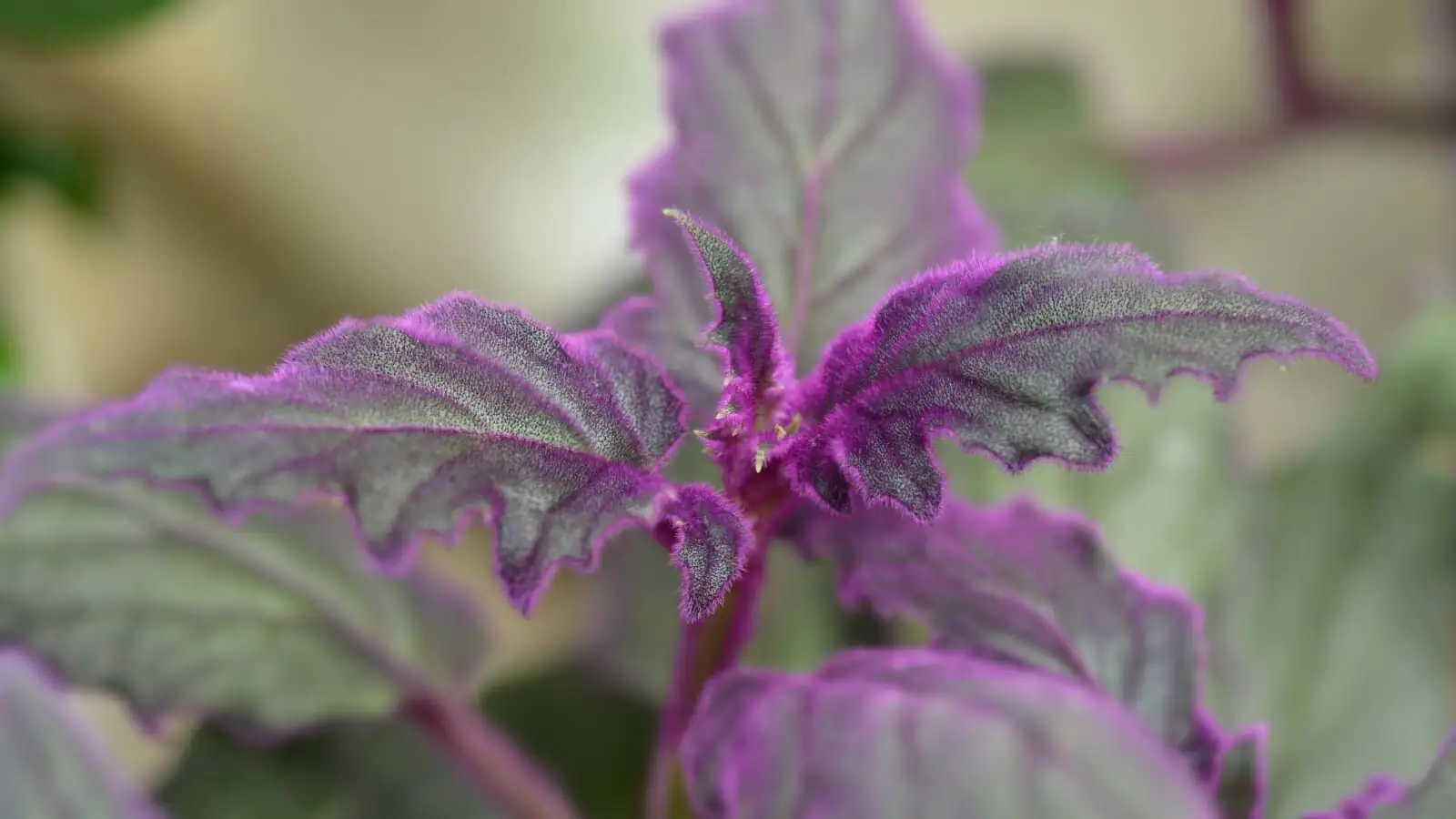
If you’ve ever brushed your hand over a Purple Passion Plant and watched those velvety purple hairs glow in the light, you already know: this one is irresistible. Luckily, Gynura aurantiaca is just as generous as it is glamorous—tip cuttings root fast, branch eagerly, and can be arranged for instant fullness. Here’s a hands-on propagation deep dive that respects its one big rule: never mist those fuzzy leaves.
Why propagate this plant now?
- It’s built for it: soft stems root readily at nodes, especially in warm, humid air.
- It stays prettiest when young: when older stems get leggy or after it tries to flower with yellow-orange blooms (often not pleasantly scented), refresh it with new plants.
- You can create a cascading, dense basket in weeks, not months.
Propagation at a glance (the sweet spot)
- Cutting size: 7–10 cm (3–4 in) soft tip cuttings, usually with 4–5 leaves
- Prep: remove the lowest 1–2 leaves to expose nodes
- Temperature: 20–25°C (68–77°F)
- Light: bright, indirect (keep out of harsh midday sun)
- Humidity: moderate, around 40–60%, plus gentle airflow
- Rooting time: often about 2 weeks
- Golden rule: keep the foliage dry—no misting
What you’ll need
- Clean snips or a razor
- A light, airy rooting medium (options below) or a jar of clean water
- Small pots or plug cells with drainage
- Optional: rooting hormone (use sparingly on the cut end only)
- Labels, a gentle fan or good room airflow, and bottom heat if your space runs cool
Choose and prepare perfect cuttings
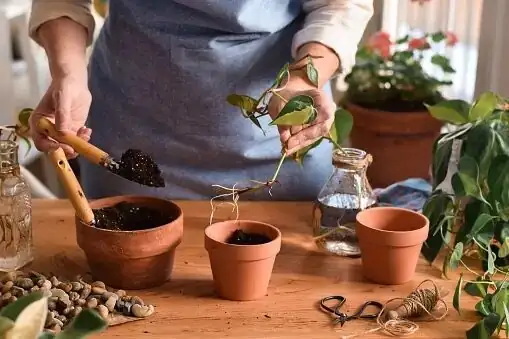
1) Pick vigorous tips: soft, non-woody ends with vivid purple fuzz. Avoid flowering tips (pinch off any buds first).
2) Cut 7–10 cm (3–4 in) just below a node.
3) Strip lower leaves: remove the bottom set(s) so at least one bare node will be in water or mix.
4) Reduce leaf load if needed: on very large leaves, trim a third off the blade to limit wilting—don’t wet or crush the hairs.
5) Optional hormone: dip the cut surface lightly; avoid touching the fuzzy leaves.
Your rooting medium: airy is everything
- Potting mix route (easy, reliable)
- Houseplant mix boosted with extra drainage: add 30–50% perlite.
- Or a blend for fast rooting: roughly 50% peat/leaf mold or compost + 25% fine bark + 25% perlite/coarse sand.
- Pre-moisten so it’s evenly damp but never soggy.
- Water route (great visibility)
- Use room‑temperature water in a narrow jar.
- Submerge only the bare nodes—keep leaves dry above the rim.
- Change water regularly; in hot spells, change more often. Once roots reach about 10 cm (4 in), you can add a very diluted nutrient solution if you’re keeping them in water longer.
Rooting methods, step by step
Soil method (fast transition to pots)
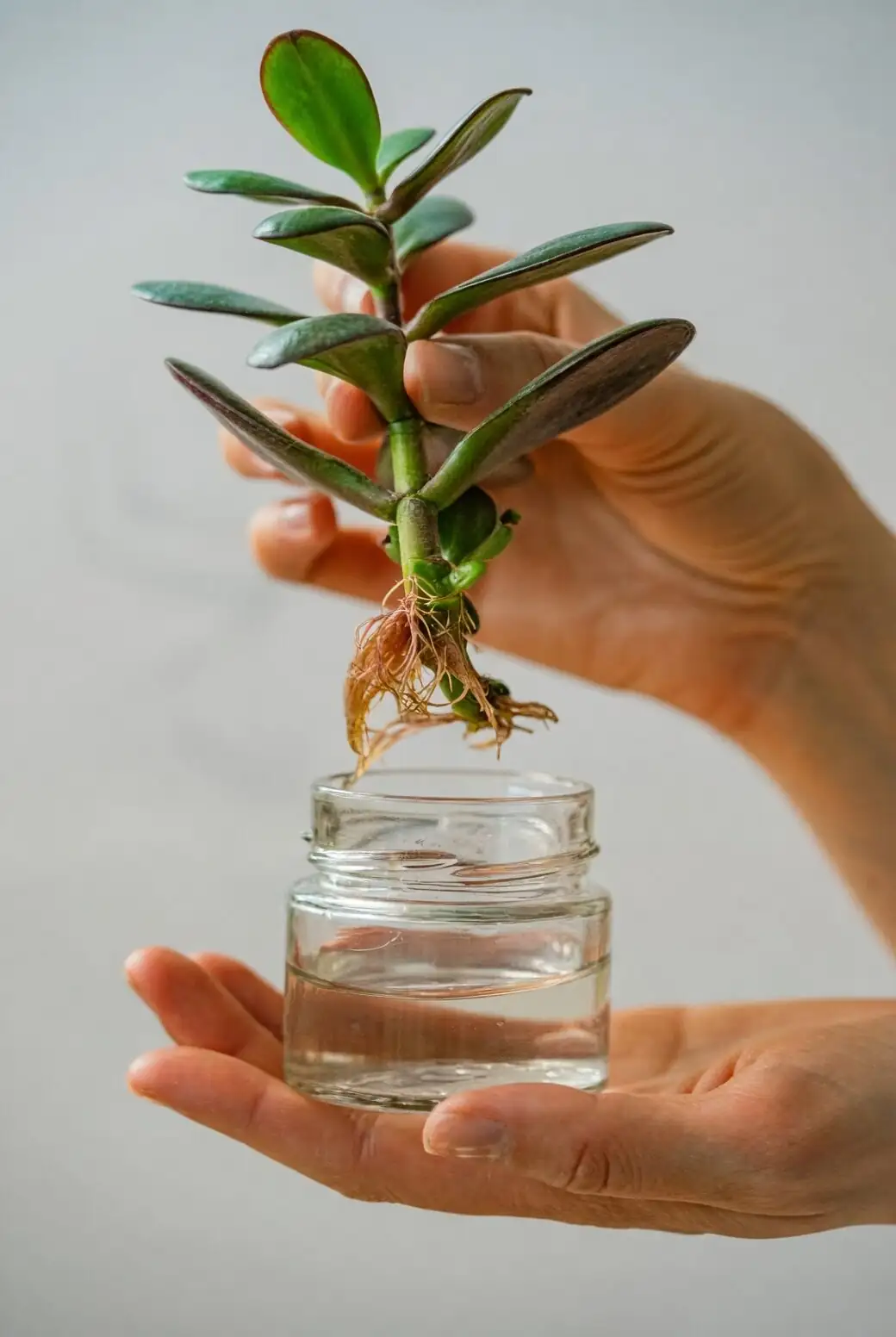
1) Stick cuttings so 1–2 nodes are buried, leaves held above the surface.
2) Cluster for fullness: 3 cuttings per 12–15 cm (4.7–5.9 in) pot, or root in plugs to transplant later.
3) Provide bright, indirect light at 20–25°C (68–77°F). Bottom heat set near 23–24°C helps in cool rooms.
4) Humidity without wet leaves:
- Use a vented dome or a loose, clear bag supported so it never touches the foliage.
- Vent daily; pair with gentle airflow to prevent stagnation and rust.
5) Check moisture: keep mix lightly, evenly moist—never saturated.
Water method (watch roots form)
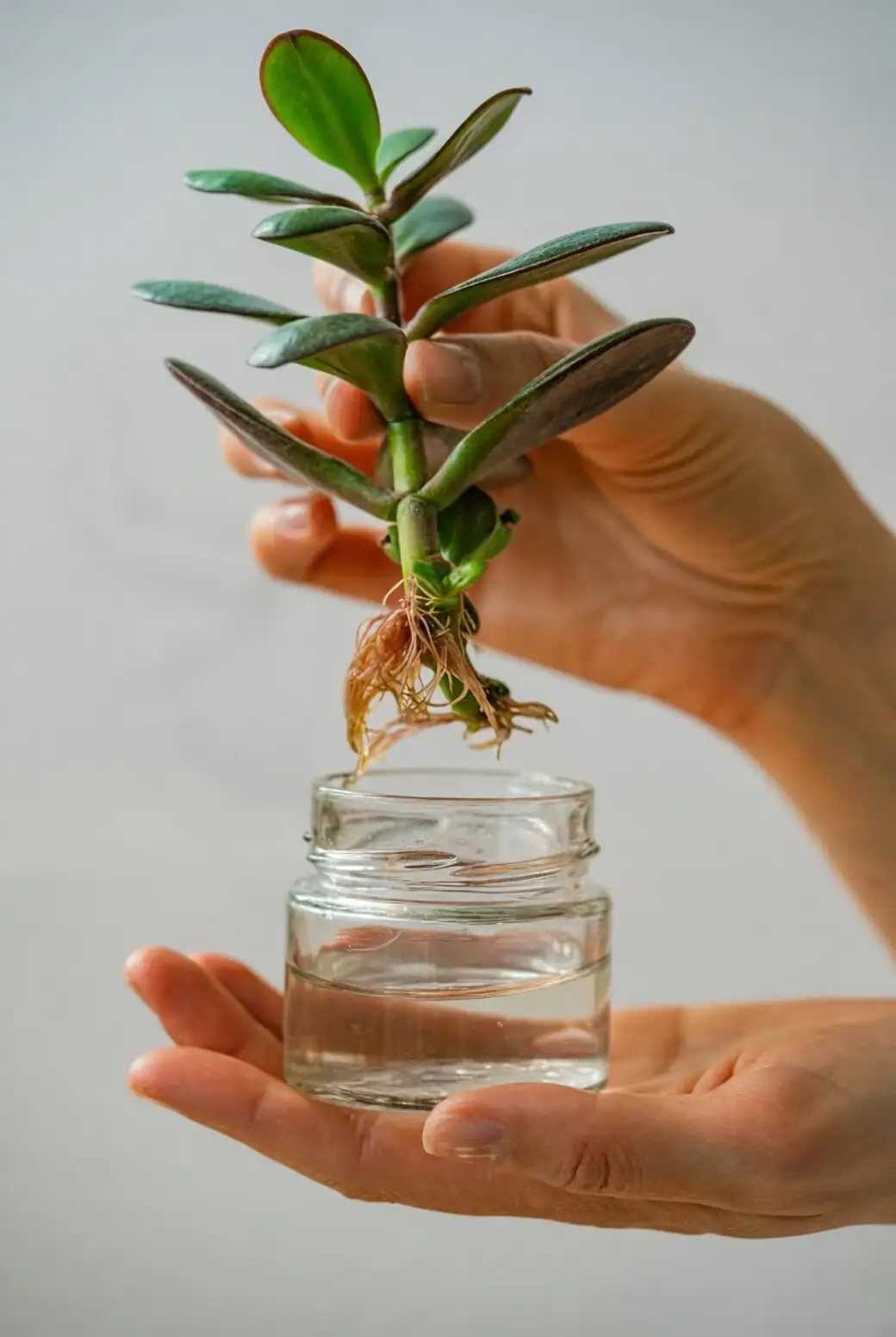
1) Place cuttings so nodes are submerged, leaves high and dry.
2) Keep in bright, indirect light and warmth.
3) Refresh water often. Avoid adding fertilizer during heat waves. If you keep cuttings in water longer-term, only add dilute nutrients once roots reach about 10 cm (4 in).
Reading the rooting timeline (typical cues around 2 weeks)
- Days 3–6: stem feels turgid; a slight callus may form.
- Days 7–10: root nubs appear at nodes.
- Days 10–14: roots extend and branch; a gentle tug meets resistance in mix.
If stems blacken at the base or leaves collapse, your medium was too wet, air too stagnant, or temperatures too cool. Trim to clean tissue and retry in fresher, airier conditions.
When to pot up
- From mix: once you feel resistance and can see/assume 2–5 cm (1–2 in) of active roots, transplant gently. Gynura roots are fibrous and delicate; handle with care.
- From water: pot up when roots are a few centimeters long and beginning to branch. If you prefer to hold longer, you can keep in plain water and transition later; just know soil roots adapt faster to pot life.
Potting for instant fullness
- Pot size: 12–15 cm (4.7–5.9 in) pots suit young plants; 15–20 cm (6–8 in) for a fuller display.
- The classic trick: plant 3 rooted cuttings together in one pot for an immediate bushy look.
- Position stems so several nodes sit just at or barely below the surface—those nodes will throw extra roots and stabilize the cascade.
- First pinch: when stems reach about 20 cm (8 in), pinch tips to spark branching and a plush, trailing silhouette.
Leverage adventitious roots for a “done-in-a-day” basket
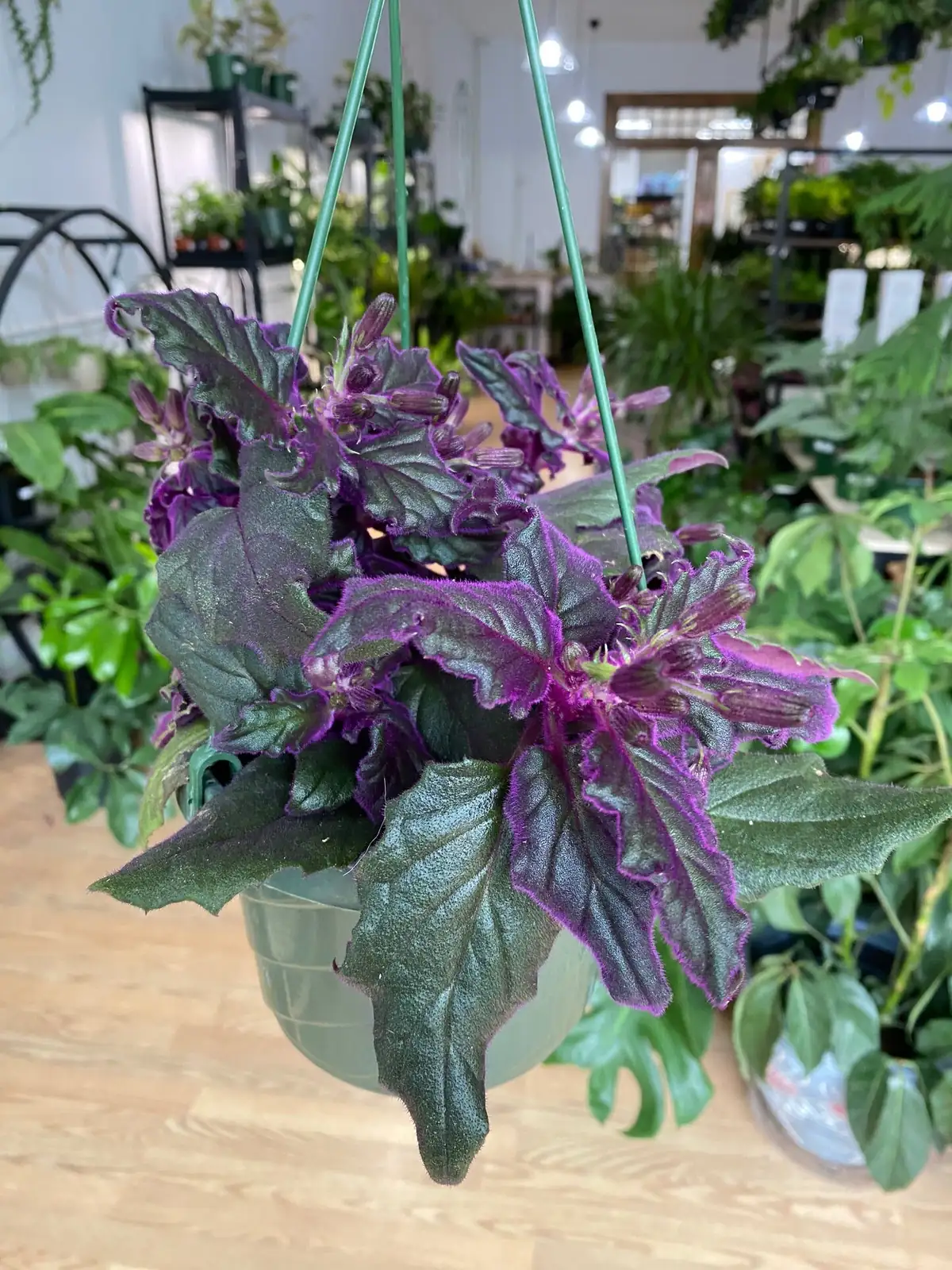
Gynura loves to sprout little roots at nodes in humid air. Use that to your advantage:
- Surface layering in the same pot
- Coil a long, healthy stem onto the soil surface.
- Pin nodes down with U‑shaped wire or hairpins; keep leaves above the mix and dry.
- Keep the surface lightly moist with good airflow. In about 1–2 weeks, nodes anchor and root. Snip between rooted nodes to create a cluster of instantly established starts.
- “Pot‑and‑peg” method for baskets
- Set your main plant in a hanging basket with fresh, airy mix.
- Drape several cuttings around the rim and peg their nodes to the surface.
- Within two weeks, you’ll have a ring of rooted shoots that look like you planted a dozen liners—without misting once.
The humidity–airflow balance (no misting, ever)
- Aim for 40–60% relative humidity with steady, gentle airflow.
- Use a pebble tray or group plants to raise ambient humidity.
- If you tent, keep plastic off leaves and vent daily so condensation can’t sit on the fuzz.
- Keep watering at the soil line only; water droplets cling to the hairs and can cause spotting, rust, or rot.
Light, temperature, and placement during propagation
- Light: bright, indirect is best—east or west exposure, or filtered south light. Low light = greener, leggier growth and faded purple.
- Temperature: 20–25°C (68–77°F) speeds rooting; protect from chills and keep above 10°C (50°F).
- Placement: bright shelf or windowsill out of harsh midday sun. Keep foliage dry and away from cold drafts.
Aftercare for newly potted cuttings
- Watering: keep the mix evenly, lightly moist—never waterlogged. In winter, ease back and keep just barely moist.
- Feeding: during active growth (spring–fall), use a balanced houseplant fertilizer either monthly at normal strength or every two weeks at half strength. Go easy on nitrogen to avoid spindly growth.
- Grooming: pinch tips regularly; remove any yellowing leaves. Many growers remove flower buds indoors because the scent can be unpleasant and the leaves are the star anyway.
Troubleshooting quick fixes
- Cuttings wilting fast: reduce leaf area slightly, improve airflow, and stabilize temperatures at 20–25°C.
- Base of stem turning mushy: medium is too wet; restart in a fresher, airier mix and sanitize tools.
- Purple color fading: increase bright, indirect light; new growth will regain vibrancy.
- Rusty/orange spotting: improve airflow, lower leaf wetness, and remove affected parts.
A note on why this plant shines
Native to Indonesia (notably Java), Purple Passion Plant glows thanks to a dense coat of fine purple hairs over green leaves—like velvet catching stage light. Indoors it starts compact, then trails elegantly, perfect for shelves and hanging baskets where stems can spill and shimmer.
Symbolism
Often associated with bold individuality and vibrant energy, it’s a plant that doesn’t whisper; it glows. While there’s no ancient “flower language” tradition attached here, modern growers celebrate it as a statement of flair and confidence—fitting for foliage that looks lit from within.
Your propagation checklist (print-and-do)
- Take 7–10 cm tip cuttings; remove lower leaves.
- Root at 20–25°C in bright, indirect light.
- Keep humidity moderate with airflow—no misting.
- Expect roots in around 2 weeks.
- Pot up gently; cluster 3 per 12–15 cm pot for fullness.
- Pinch at 20 cm to branch; layer nodes for instant baskets.
Handle the fuzz with respect, and Gynura aurantiaca will reward you with fast, forgiving propagation and a velvet cascade of purple that looks high-maintenance—but isn’t.