

Imagine a houseplant that looks like it slipped out of a glam-rock concert and onto your windowsill—leaves wrapped in plush purple velvet, edges glowing as if lit from within. That’s Gynura aurantiaca, the Purple Passion (also called Purple Velvet Plant), a foliage star that trades petals for personality. Its message in today’s “flower language”? Bold individuality and vibrant energy.
Meet Gynura aurantiaca, the purple velvet original
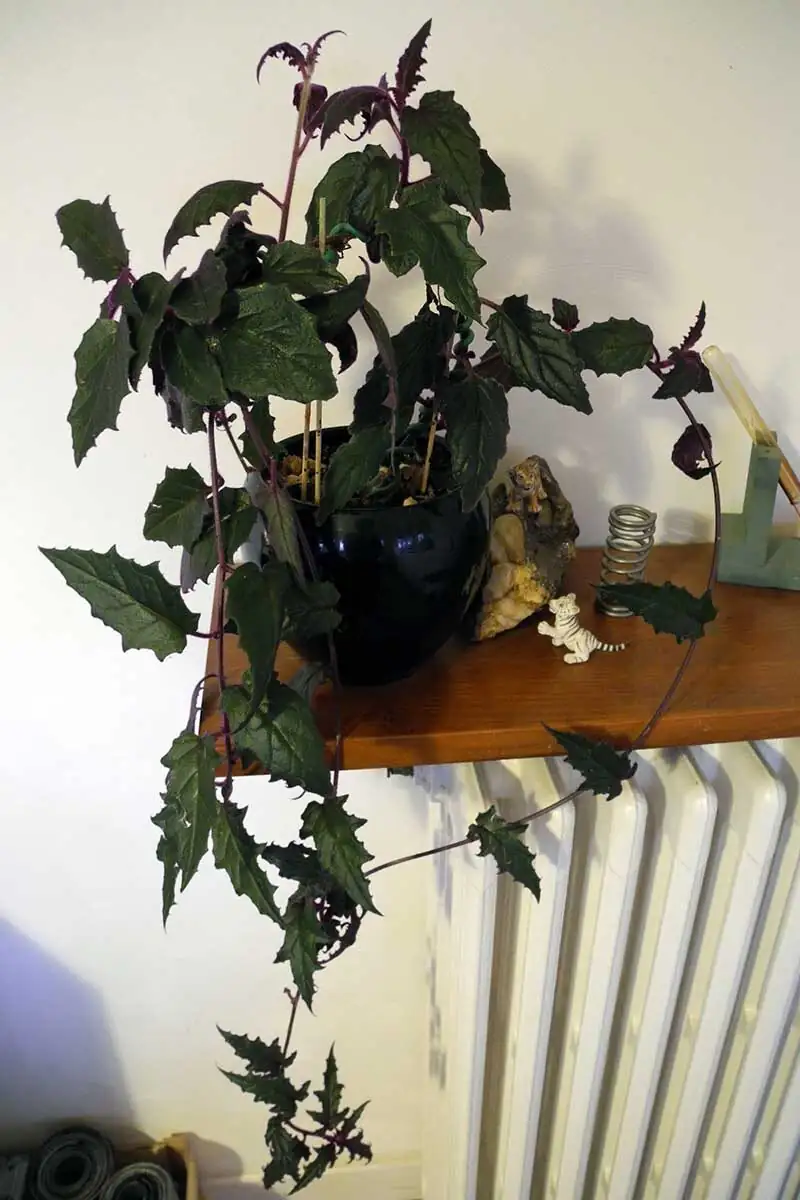
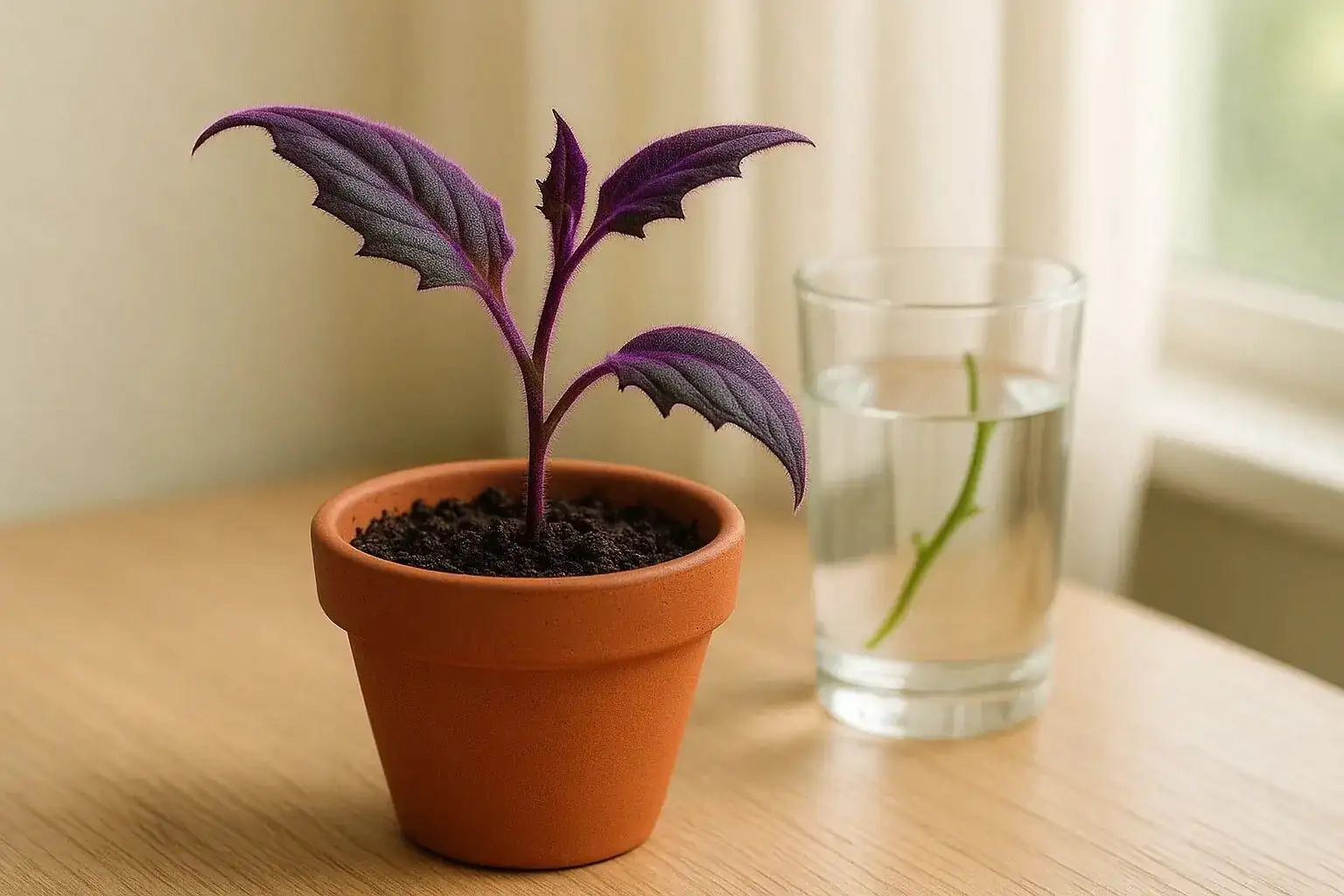
Native to Indonesia (especially Java), this Asteraceae family member is grown worldwide as a houseplant for one irresistible reason: texture and color. The green leaves are blanketed in fine purple hairs, creating a soft, velvety sheen that looks almost metallic in bright, indirect light. Young plants stay compact; as they mature, stems trail gracefully—perfect for pots, mixed planters, and hanging baskets. It can produce small yellow to orange, daisy-like flowers in cooler seasons, though many indoor growers pinch them off because they’re less showy than the foliage and can smell unpleasant.
Does Purple Passion have a traditional flower-language meaning?
The short answer: no classical entry
If you flip through Victorian floriography dictionaries—the classic “language of flowers”—you won’t find Gynura aurantiaca. It simply wasn’t part of the old poetic code where roses declared devotion and violets whispered modesty.
Where its modern symbolism comes from
Instead, its meaning emerges from:
- Color symbolism: Purple has long been linked to creativity, luxury, and a touch of the mystical. Think royal robes, artistic daring, and spiritual depth.
- Tactile opulence: Those velvet hairs read as lush and luxe—glamorous without trying.
- Visual electricity: In good light, the plant seems to hum with color, so “vibrant energy” feels spot-on.
- Unconventional beauty: Loved for leaves rather than flowers, it celebrates standing out from the crowd—hence “bold individuality.”
So while Purple Passion lacks a traditional floriographic definition, contemporary houseplant culture has crowned it a symbol of creative confidence and vivid, stand-apart charisma.
Cultural significance in decor and modern feng shui
Décor: a jewel-toned exclamation point
Purple Passion is a natural statement piece.
- Where it shines: Bright, indirect light near an east or west window—or filtered south light—brings out that signature glow.
- Style notes: Let stems spill from a hanging basket, or mass three young plants in a single pot for a fuller, cascading look. Pair with matte ceramics or brass to echo its luxe vibe.
- Care that preserves the “velvet”: Keep leaves dry (water at the soil line only). Overhead splashes dull the sheen and can spot the foliage. Aim for warm rooms and moderate humidity with good airflow.
Feng shui: purple for prosperity (with modern nuance)
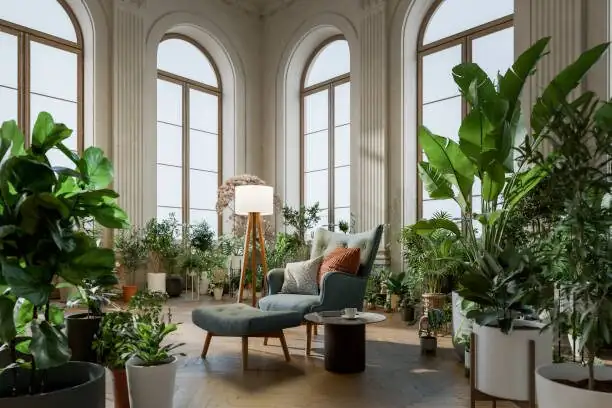
In many contemporary feng shui practices, purple is associated with wealth and abundance. If you enjoy working with the bagua map, a healthy Purple Passion can be placed in the wealth/abundance area (often mapped to the southeast in some schools) or wherever you want to invite creative momentum.
- Supportive placement ideas:
- Wealth intentions: A bright shelf in your home office or living room’s “wealth corner.”
- Creative flow: A studio or workspace where its color can spark ideas.
- Practical feng shui tip: Vitality matters. Keep the plant warm (ideally 59–75°F / 15–24°C), in bright, indirect light, and lightly moist—healthy growth is the best “activation.”
Note: Feng shui has different schools and interpretations; treat these placements as inspiring guidelines rather than hard rules.
Thoughtful gift-giving with meaning
Purple Passion makes a memorable gift when you want to say “Be boldly you” or “May your creativity—and prosperity—grow.”
Great occasions
- A promotion, new business launch, or graduation
- Housewarming for someone who loves modern, eclectic, or maximalist interiors
- A “you’ve got this” present before a big artistic debut or new project
Match it to the recipient
- Creatives who thrive on color and texture
- Entrepreneurs or anyone setting abundance intentions
- Plant lovers who enjoy unique foliage and easy propagation
Presentation tips
- Choose dense, vividly purple plants with firm, unstretched stems (a sign of good light).
- Consider a hanging basket or a pot with three starts for a lush, overflowing look.
- Include a small care card:
- Light: bright, indirect
- Water: keep lightly moist, water at soil line only
- Temperature: keep warm; protect from chills below 50°F (10°C)
- Grooming: pinch tips for fullness; remove buds if the flower scent bothers you
- Safety note: Not considered highly toxic, but can cause mild stomach upset if ingested and may irritate sensitive skin—keep away from pets and children, and wash hands after handling if you’re sensitive.
The symbolism, distilled
- Bold individuality: Celebrates unconventional beauty and the confidence to stand out.
- Vibrant energy: That electric purple reads as high-voltage vitality.
- Creative spark: A color long tied to imagination and artistry.
- Luxe whimsy: Velvet texture meets jewel tone—opulent yet playful.
- Prosperity intentions: In modern feng shui and décor, purple often nods to abundance.
- Renewal and resilience: Easy to refresh from cuttings, embodying reinvention.
Note: These are modern interpretations rooted in color symbolism and contemporary plant culture—not classical floriography.
Keep the glow alive: a few essentials
- Light: Bright, indirect light is key. Too little light = greener, leggier growth and fading purple.
- Water: Keep the mix evenly, lightly moist in spring–fall; reduce in winter. Always water at the soil line—no misting.
- Temperature: Best around 55–81°F (13–27°C); avoid chills below ~50°F (10°C).
- Humidity & airflow: Moderate humidity (around 40–60%) with decent airflow; keep foliage dry to prevent spotting or rust.
- Pinch and refresh: Tip-pinching encourages a dense, trailing display. After 2–3 years, take cuttings to renew a compact, vibrant plant.
- Flowers: Small yellow–orange blooms often appear in late fall to winter; many growers remove them indoors due to the scent.
A modern emblem of color, confidence, and joy
Gynura aurantiaca may not carry a Victorian secret code, but it speaks fluently in the language of now. On a shelf or in a sunlit window, its purple velvet says: Be vivid. Be original. Grow in the direction of your brightest light.