

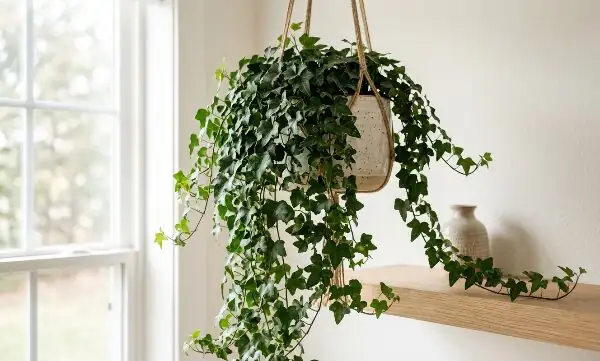
English ivy (Hedera helix L.) is the marathoner of houseplants: steady, evergreen, and happiest with a cool head and even moisture. Keep it trim, fed, and protected at the right moments, and it will trail or climb with polished poise all year. Use this concise, month-by-month calendar to tune watering, feeding, pruning, repotting, heat-wave pauses, and winter protections for both indoor pots and outdoor plantings.
Year‑round quick cues
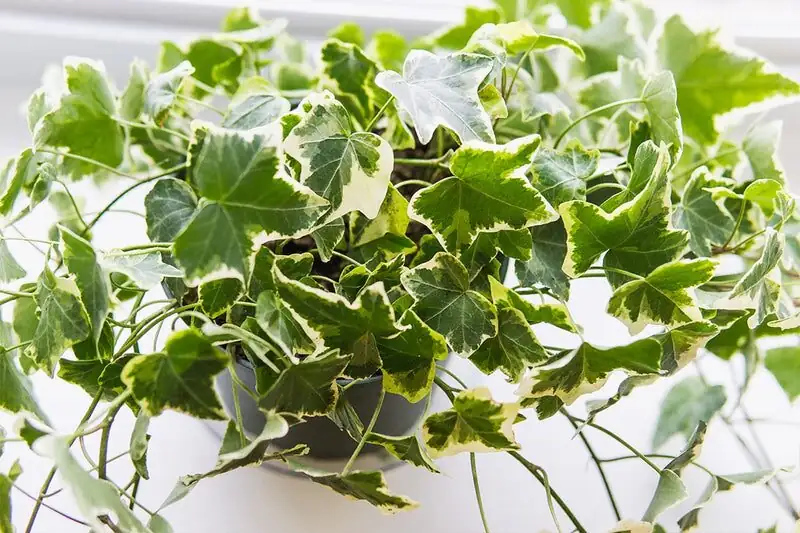
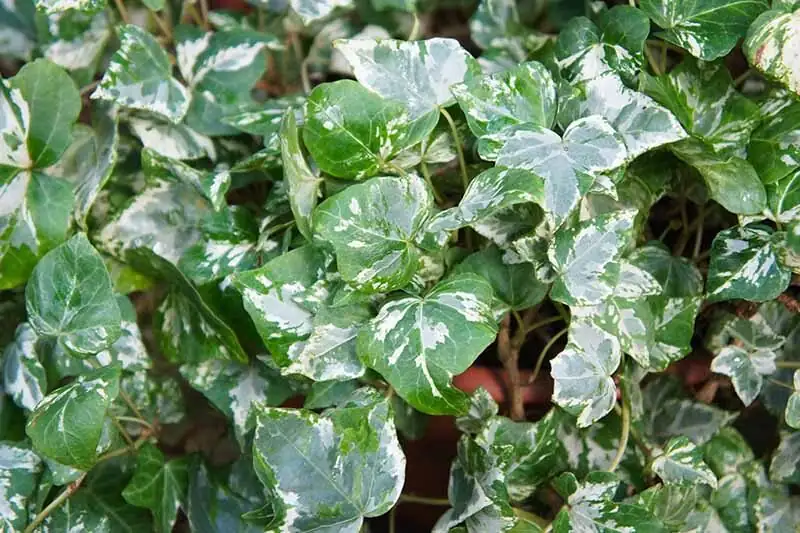
- Light: Bright, indirect light indoors; part to full shade outdoors. Variegated forms need more light to keep color, but still avoid hot afternoon sun.
- Temperature: Comfortable growth around 21–32°C (70–90°F); indoors, cooler nights are welcome. Growth slows and stress rises in prolonged heat above 32°C (90°F).
- Moisture: Keep evenly moist, never soggy. Indoors, let the top ~2.5 cm (1 in) dry before watering again. Outdoors, aim for ~1.3–2.5 cm (0.5–1 in) of water weekly, adjusting for rainfall and heat.
- Feeding: Balanced fertilizer every 2 weeks in spring–summer; pause in winter and whenever plants are heat‑, cold‑, or drought‑stressed.
- Safety: Toxic if ingested; sap can irritate skin. Wear gloves when pruning.
The month‑by‑month care calendar
January | Rest and protect
- Indoors
- Water lightly but steadily: allow top 2.5 cm (1 in) to dry, then soak and drain.
- No fertilizer. Boost humidity (tray or occasional mist) to discourage spider mites.
- Keep above 10°C (50°F), away from cold drafts and heater blasts.
- Outdoors (zones where ivy is hardy)
- Minimal watering unless an extended dry spell (frozen soils excepted).
- Avoid pruning now; wait for spring.
February | Light tune‑ups
- Indoors
- Rotate pots for even growth; clean leaves to deter pests.
- Hold fertilizer; maintain moderate humidity and bright, filtered light.
- Outdoors
- Inspect for winter damage but defer major cuts. Plan spring clean‑up.
March | Spring wake‑up
- Indoors
- Prune to shape and pinch tips for a bushier plant.
- Repot if root‑bound or drying out fast (move up one size; refresh mix).
- Begin feeding every 2 weeks with a balanced fertilizer (e.g., 20‑20‑20 or gentle organic equivalent).
- Outdoors
- Prime pruning month: tidy runners, thin dense mats for airflow; heavy groundcover trim is ideal now.
- Resume regular watering as soils thaw; check drainage.
April | Growth in gear
- Indoors
- Keep the “evenly moist” rhythm; growth speeds up, so monitor drying.
- Continue biweekly feeding; train vines on a trellis if desired.
- Outdoors
- Water consistently to equal ~1.3–2.5 cm (0.5–1 in) weekly including rain.
- Layer or take cuttings for easy propagation.
May | Lush and steady
- Indoors
- Maintain bright, indirect light (variegates especially).
- Watch for spider mites as temperatures rise; increase humidity/airflow if needed.
- Outdoors
- Trim wayward runners anytime; maintain shade to prevent scorch.
- Fertilize container ivy lightly if actively growing; in‑ground plants often need little if soil is fertile.
June | Early summer, mindful moisture
- Indoors
- Water a bit more frequently as rooms warm; keep draining thoroughly.
- Feed every 2 weeks unless a heat wave starts (see pause protocol below).
- Outdoors
- Morning watering is best; mulch groundcover edges to retain moisture.
- Protect from hot afternoon sun; provide dappled shade.
July | Heat‑wave watch

- Indoors
- If temperatures push above 32°C (90°F), pause fertilizer and avoid repotting/pruning.
- Raise humidity, increase airflow, and water early in the day.
- Outdoors
- Deep, less‑frequent soakings to reach roots; shade cloth in exposed sites.
- Hold fertilizer during heat spikes; scout for mites, aphids, and scale.
August | Sustain, don’t stress
- Indoors
- Maintain the heat‑pause rules if conditions remain hot.
- Clean foliage; keep light bright but indirect.
- Outdoors
- Keep soil evenly moist but never sodden; avoid heavy pruning in peak heat.
- Continue pest checks; treat promptly with insecticidal soap or neem if needed.
September | Gentle reset
- Indoors
- Resume regular feeding if heat breaks; light pruning to neaten.
- Great month to propagate tip cuttings (roots form in 2–4 weeks).
- Outdoors
- Another excellent propagation window (cuttings or simple layering).
- Water consistently as nights cool; light shaping prunes are fine.
October | Ease toward rest
- Indoors
- Begin tapering fertilizer; aim to stop by late month.
- Watering frequency gradually decreases as growth slows.
- Outdoors
- Final tidy of runners; avoid heavy cuts that could invite cold damage.
- Maintain moderate moisture if autumn is dry.
November | Winter set‑up
- Indoors
- Stop fertilizing. Maintain bright, filtered light; avoid heat vents.
- Water when the top 2.5 cm (1 in) dries; don’t let pots sit in runoff.
- Outdoors
- In cold regions, allow natural dormancy; water only during prolonged dry spells before ground freeze.
- Keep ivy off vulnerable trees/structures; check local guidance where ivy is invasive.
December | Quiet care
- Indoors
- Steady, lighter watering; monitor humidity to deter mites.
- No repotting, no feeding. Enjoy the evergreen drape.
- Outdoors
- Hands‑off except for safety or storm damage. Ivy generally weathers cold once established.
Heat‑wave pause protocol (any month)
- Move out of hot direct sun; provide bright, indirect light or deep shade outdoors.
- Pause all fertilizer until nights cool.
- Water early morning; keep evenly moist but not waterlogged.
- Boost humidity and airflow; rinse foliage to deter mites.
- Avoid repotting and major pruning until temperatures ease.
Winter protections at a glance
- Indoors: Keep above 10°C (50°F), away from drafts; reduce watering but never let the root ball fully desiccate; no fertilizer.
- Outdoors: Hardy across many climates once established (check your local zone and cultivar). Limit irrigation to dry spells before freeze; avoid pruning until spring. In containers, insulate pots or move to sheltered shade to prevent freeze‑thaw root stress.
Light, water, and feed cheat sheet
- Light: Bright, indirect indoors; part to full shade outdoors. Variegated cultivars need brighter conditions to hold color, but still avoid harsh sun.
- Water: Indoors, let the top ~2.5 cm (1 in) dry, then water thoroughly; often about twice weekly in active growth, less in winter. Outdoors, target 1.3–2.5 cm (0.5–1 in) weekly, adjusting for rain and heat.
- Feed: Spring–summer, every 2 weeks with a balanced formula (e.g., 20‑20‑20 or a comparable organic); pause in winter and during stress (very hot, very cold, or very dry).
Pruning, repotting, and propagation notes
- Pruning: Spring is prime for shaping and encouraging a fuller habit; pinch tips routinely. Trim stray runners anytime. For outdoor groundcover, a heavy spring trim keeps mats neat.
- Repotting: Small plants about yearly; larger plants every 2 years or when root‑bound, top‑heavy, or drying out quickly. Step up one pot size and refresh mix; keep evenly moist and slightly shaded while settling in.
- Propagation: Exceptionally easy from stem cuttings in spring and fall; roots in 2–4 weeks in water or moist mix. Layering is near foolproof where stems touch soil.
Smart cautions
- Invasiveness: English ivy can be invasive outdoors in many regions; check local guidance, contain responsibly, and dispose of trimmings so they can’t re‑root.
- Pests and disease: Dry air invites spider mites; sap‑suckers like aphids, scale, and mealybugs may appear. Improve humidity/airflow, rinse foliage, and treat with insecticidal soap or neem. Avoid soggy soil to prevent rot and leaf spots.
- Toxicity: Keep away from children and pets; wear gloves when pruning to avoid sap irritation.
A brief note on symbolism (flower language)
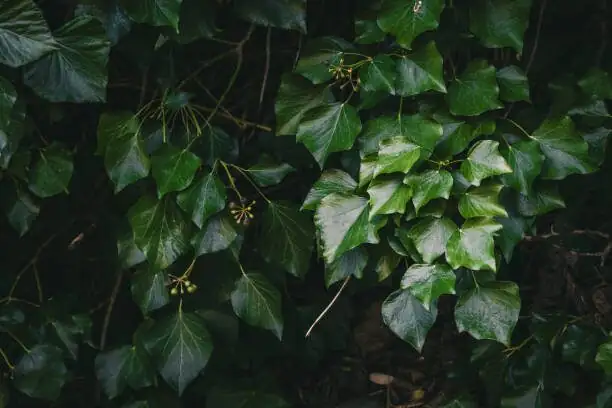
Ivy’s perennial green and clinging habit made it a longstanding emblem of fidelity, friendship, and enduring love—especially in Victorian floriography, where it signified constancy and marriage. The meaning stems less from flowers (which are modest and appear on mature plants in fall) than from the vine’s steadfast grip and year‑round foliage—an emblem of attachment that doesn’t let go.