

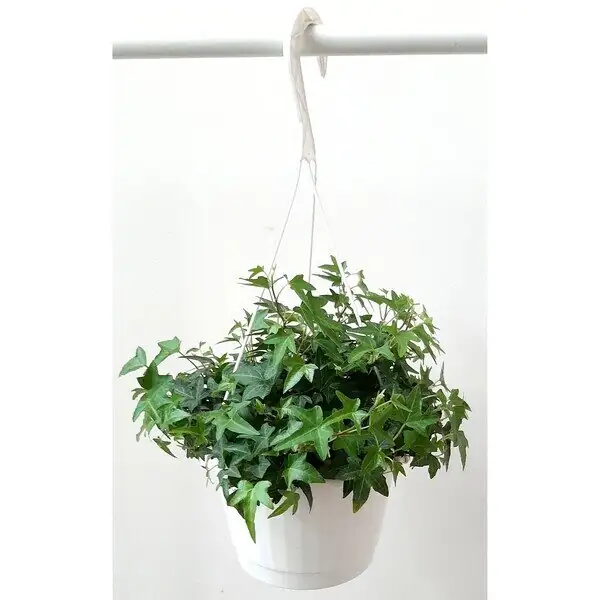
English ivy may have started its career as a romantic wall-clinger, but in the last few decades it’s been cast as a “natural air purifier.” Does Hedera helix L. really scrub indoor air, or is that just green wishful thinking? Here’s an evidence-based tour through the lab hype, what actually happens in lived-in homes, and how to get healthier indoor air without accidentally creating a mold farm or a pest magnet.
Meet English ivy, the plant behind the claims
- Botanical name: Hedera helix L. (Araliaceae)
- Origin: Native to Europe, Scandinavia east to Russia, and North Africa
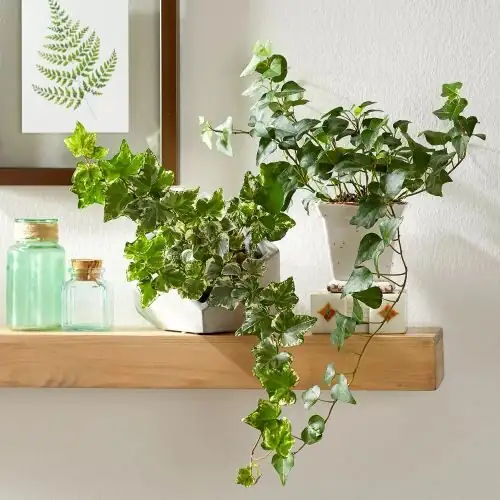
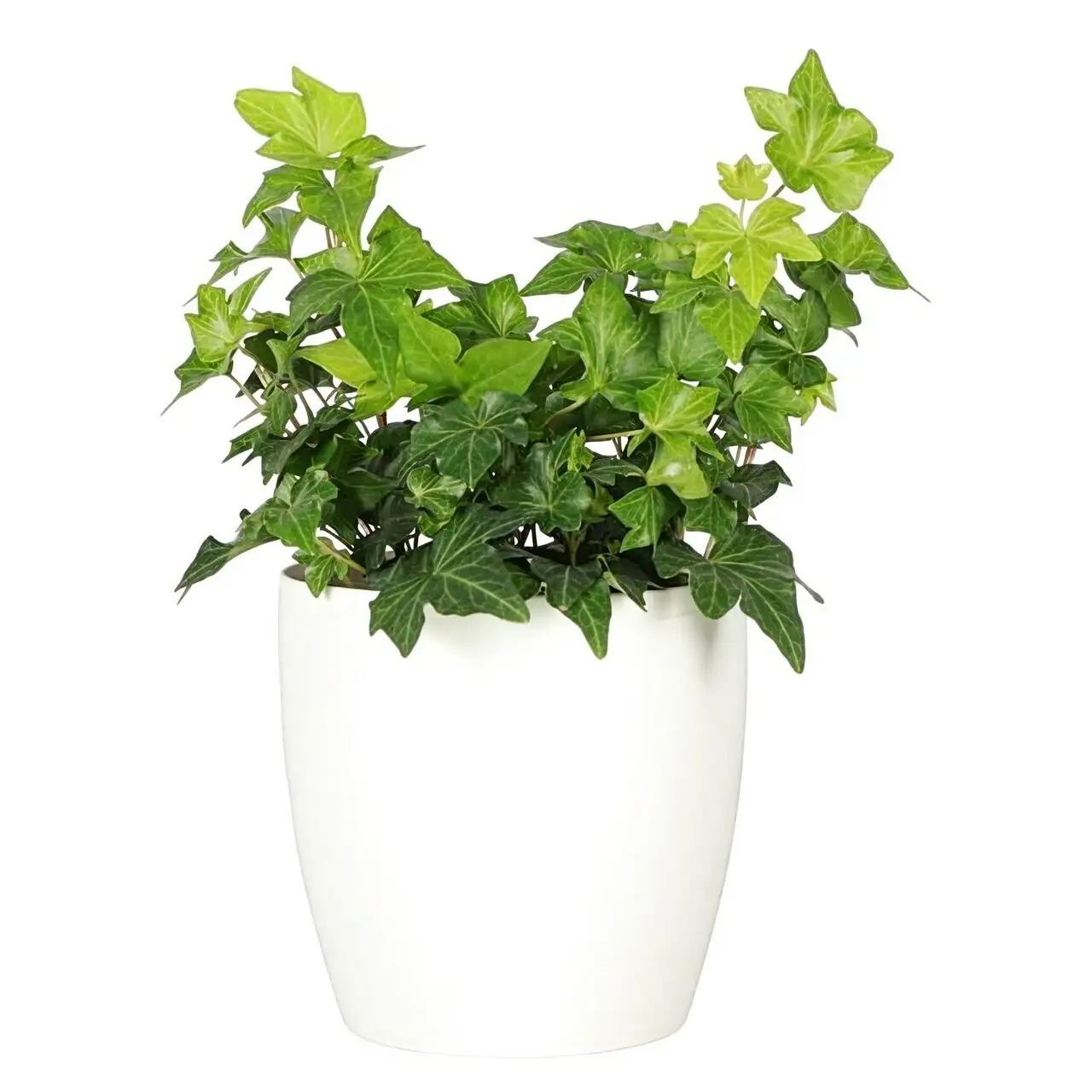
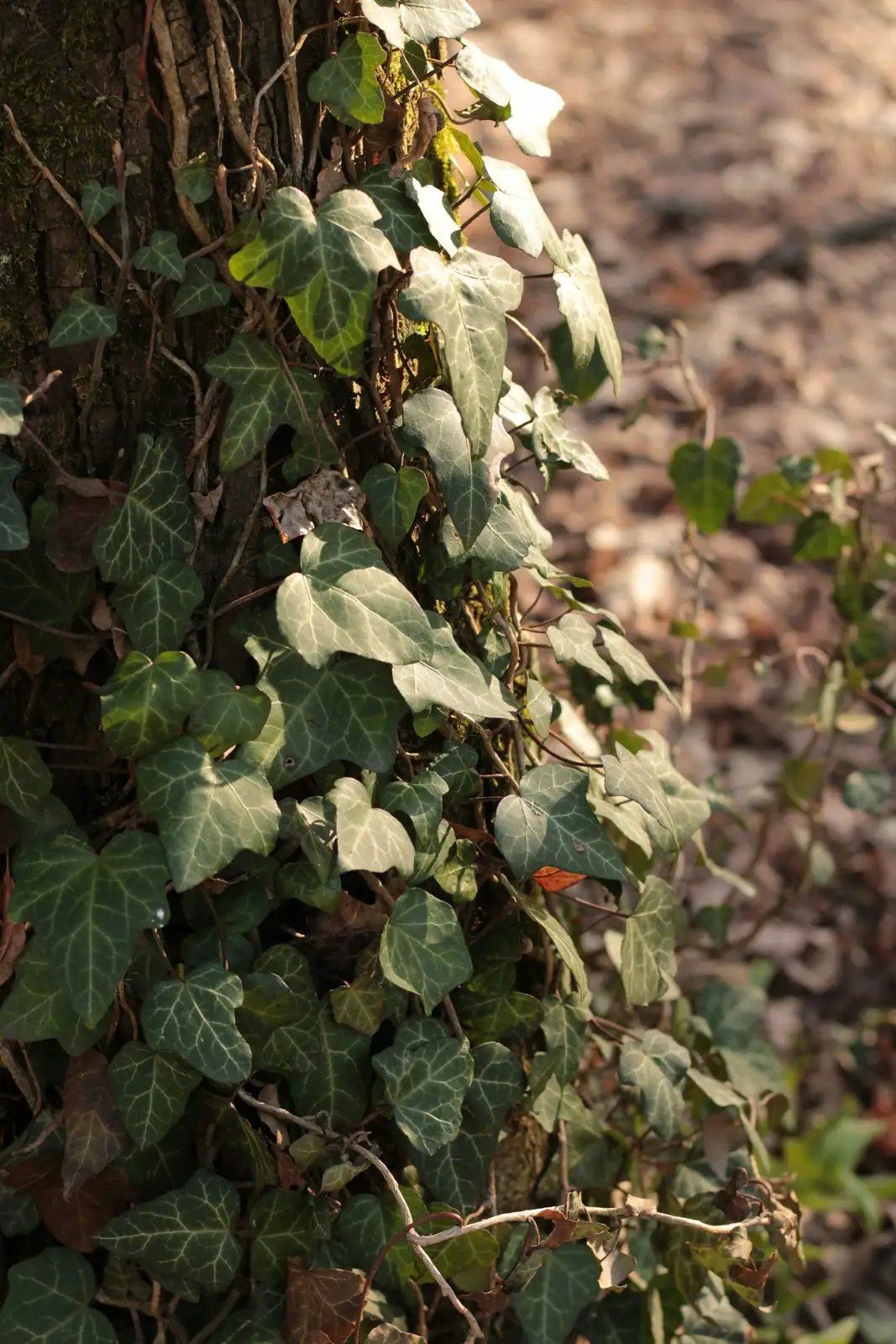
- Look: Glossy, dark green leaves on trailing or climbing stems. Juvenile growth shows 3–5 lobed leaves; mature flowering shoots switch to more oval or diamond-shaped, unlobed leaves. Many cultivars flaunt white, cream, or yellow variegation.
- Habit and size: An evergreen woody vine that climbs with tiny aerial rootlets or sprawls as dense groundcover. Indoors, it’s commonly 3–6 ft (0.9–1.8 m) as a trailing houseplant; outdoors it can reach 80 ft (24 m) up a surface.
Indoors it’s elegant and draping; outdoors it’s powerful—sometimes too powerful. In many regions it’s considered invasive; check local guidance before planting it outside.
The air-purifying storyline: Lab promise vs. real-home reality
What the labs found
- Classic sealed-chamber studies in the late 1980s (commonly dubbed the “NASA clean air” research) tested several houseplants—including English ivy—for their ability to remove specific volatile organic compounds (VOCs) such as benzene, formaldehyde, and trichloroethylene in small, airtight environments.
- Follow-up work showed that not just the leaves, but also microbes in the potting soil, can help break down some VOCs under controlled conditions.
In other words: yes, in a tiny sealed box with a single pollutant, English ivy and some other plants can reduce measured VOC levels.
Why those results don’t translate to your living room
- Real homes and offices aren’t sealed boxes; they have air exchange with the outdoors. Multiple independent reviews have calculated that you’d need on the order of 10–1000 plants per square meter of floor space to match the VOC removal achieved by normal ventilation in typical buildings.
- A 2019 meta-analysis that standardized results across decades of plant–VOC studies concluded that houseplants, charming as they are, do not meaningfully improve indoor air quality at realistic, livable plant densities.
- Public health guidance today reflects this: houseplants are wonderful for aesthetics and well-being, but they’re not an effective air-cleaning strategy in everyday conditions.
Bottom line: In labs, English ivy can remove certain pollutants. In real homes with normal ventilation, it’s essentially a decorative extra—not an air purifier.
So…should you keep English ivy for cleaner air?
Keep it for beauty, texture, and the way greenery can lift a room. Don’t keep it expecting measurable air-cleaning. Think of ivy as a stylish supporting actor in your indoor environment, not the HVAC department.
If cleaner air is your goal, prioritize the strategies below. If joyfully green shelves are your goal, English ivy delivers—provided you care for it in ways that don’t invite mold or pests.
How to actually improve indoor air quality (without courting mold or bugs)
1) Control sources first
- Choose low/zero-VOC paints, sealants, and furnishings when you can.
- Store solvents, adhesives, and cleaners tightly sealed and outside living spaces.
- Use fragrance-free products and skip indoor incense/candles if air quality is a priority.
2) Ventilate smartly
- Open windows when outdoor air is good; cross-ventilate after painting, cleaning, or bringing in new furniture.
- Always run kitchen and bathroom exhaust fans that vent outdoors; use the range hood while cooking.
- Consider a heat-recovery or energy-recovery ventilator in tight homes.
3) Filter effectively
- Use a portable air purifier with a true HEPA filter for particles (dust, smoke, pollen, pet dander). For odors and VOCs, choose a unit that also includes a meaningful amount of activated carbon (or other sorbents) and replace filters as directed.
- Vacuum with a sealed HEPA vacuum; dust with damp cloths to capture, not recirculate, particles.
4) Manage moisture to prevent mold
- Keep indoor relative humidity around 30–50%. Use a dehumidifier in damp areas; fix leaks quickly.
- Dry bathrooms and kitchens promptly; leave the shower door/curtain open to air-dry, then close.
- Avoid overwatering houseplants and never let pots sit in saucers of water.
5) Clean strategically
- Wash bedding in hot water weekly; use doormats and consider a shoes-off policy.
- Launder or freeze soft items (like pet bedding) to reduce dust mites.
6) Monitor and adjust
- If you’re serious about IAQ, use simple sensors to track PM2.5 and CO2 for ventilation needs; test for radon if you live in a risk zone.
Enjoying English ivy without inviting problems
English ivy can be a low-fuss indoor companion if you give it the right conditions—and it can become a pest or mold magnet if you don’t. Here’s how to keep it on the right side of that line.
Light and placement
- Light: Bright, indirect light is best; east or north windows are great. Variegated cultivars need brighter light to keep their color. Avoid hot afternoon sun through glass.
- Placement: Let it trail from shelves, hanging baskets, or a small trellis. If you train it on a wall indoors, protect painted surfaces—those clinging rootlets can scuff paint or cling to porous finishes.
Watering and humidity (the mold-avoidance edition)
- Watering: Aim for evenly moist, never soggy. Let the top 1 inch (about 2.5 cm) of potting mix dry before watering, then water thoroughly and drain the excess. Overwatering is the fastest route to root/stem rot and fungus gnats.
- Potting mix and pot: Use a loose, well-draining indoor mix in a pot with drainage holes. Empty saucers after 10–15 minutes.
- Humidity: Prefers moderate to high humidity, but resist daily misting if you’re mold-wary. Instead, cluster plants, use a nearby humidifier on a 40–50% setting, and keep air moving gently with a small fan.
Temperature
- Comfortable in typical room temperatures and grows best around 70–90°F (21–32°C). It appreciates cooler nights. Prolonged heat above 90°F (32°C) can stress it. Keep indoor plants above 50°F (10°C).
Feeding, pruning, repotting
- Fertilizer: Feed every two weeks in spring and summer with a balanced fertilizer (e.g., 20-20-20 or a gentle organic 2-2-2). Pause in winter and during heat or drought stress.
- Pruning: Pinch tips to encourage bushiness; trim runners anytime to shape. Remove dead leaves promptly to improve airflow.
- Repotting: Refresh the mix yearly for small plants and every two years for larger ones, or sooner if rootbound.
Pests and diseases: prevent, scout, respond
- Common pests: Spider mites (especially in dry air), aphids, scale, mealybugs.
- First steps: Rinse leaves, raise humidity moderately, improve airflow.
- Treatments: Insecticidal soap or neem oil on repeat, following label directions.
- Diseases often stem from excess moisture and stale air: root/stem rot, bacterial and fungal leaf spots, anthracnose, powdery mildew, and sooty mold (from pest honeydew).
- Prevention: Don’t overwater, avoid constantly wet leaves, space plants for airflow, and clean dust from foliage.
- Action: Improve drainage and airflow; copper-based fungicides can help with some leaf diseases if needed.
Safety and outdoor caution
- Toxicity: Leaves, berries, and sap are toxic to humans and pets and may irritate skin. Keep out of reach; wear gloves if you’re sensitive.
- Invasiveness outdoors: In many regions Ivy can spread aggressively and smother other plants. Keep it contained or choose alternatives outside, and always check local guidance before planting.
What about mold and “air cleaning” together?
Here’s a nuance worth noting: poorly managed houseplants can work against your air-quality goals. Soggy soil fosters fungus gnats and mold growth; aphids and scale excrete sticky honeydew that supports sooty mold on leaves. If your ivy develops pests or mildew, you’re adding allergens and spores to the very air you hoped to improve. The fix is simple: right-size watering, good airflow, and quick treatment at the first sign of trouble.
Symbolism and “flower language”: why ivy feels so right indoors
In European traditions, ivy has long stood for fidelity, devotion, and enduring love—evergreen foliage that clings and persists made it an easy metaphor. The Victorians codified this in their “language of flowers,” where gifting ivy whispered marriage, friendship, and faithfulness. Earlier still, Greek and Roman revelers crowned celebrations of Dionysus/Bacchus with ivy, linking it to vitality and the cycles of life. None of this cleans your air, of course—but the symbolism explains why ivy feels emotionally resonant at home: it’s a living emblem of staying power and connection, quietly draping our spaces through the seasons.
Quick care snapshot (for healthy plant, healthy home)
- Light: Bright, indirect; a bit more for variegates.
- Water: Let top 1 inch dry; then water and drain well.
- Humidity: Moderate (40–50%) with airflow; skip heavy misting.
- Temperature: Comfortable at 70–90°F; protect from heat spikes and chills.
- Feed: Balanced fertilizer every 2 weeks in spring/summer; pause in winter.
- Pest watch: Spider mites in dry air—rinse leaves, boost humidity moderately, treat early.
- Safety: Toxic if ingested; sap can irritate skin.
- Outdoor use: Check invasive-plant advisories before planting.
The final word
Hedera helix is gorgeous, tough, and timeless—worth keeping for beauty, texture, and the quiet lift it brings to a room. But when it comes to cleaner air, lean on source control, ventilation, and filtration. Let English ivy play to its strengths as a graceful companion plant, while you tackle indoor air quality with tools that actually move the needle.