

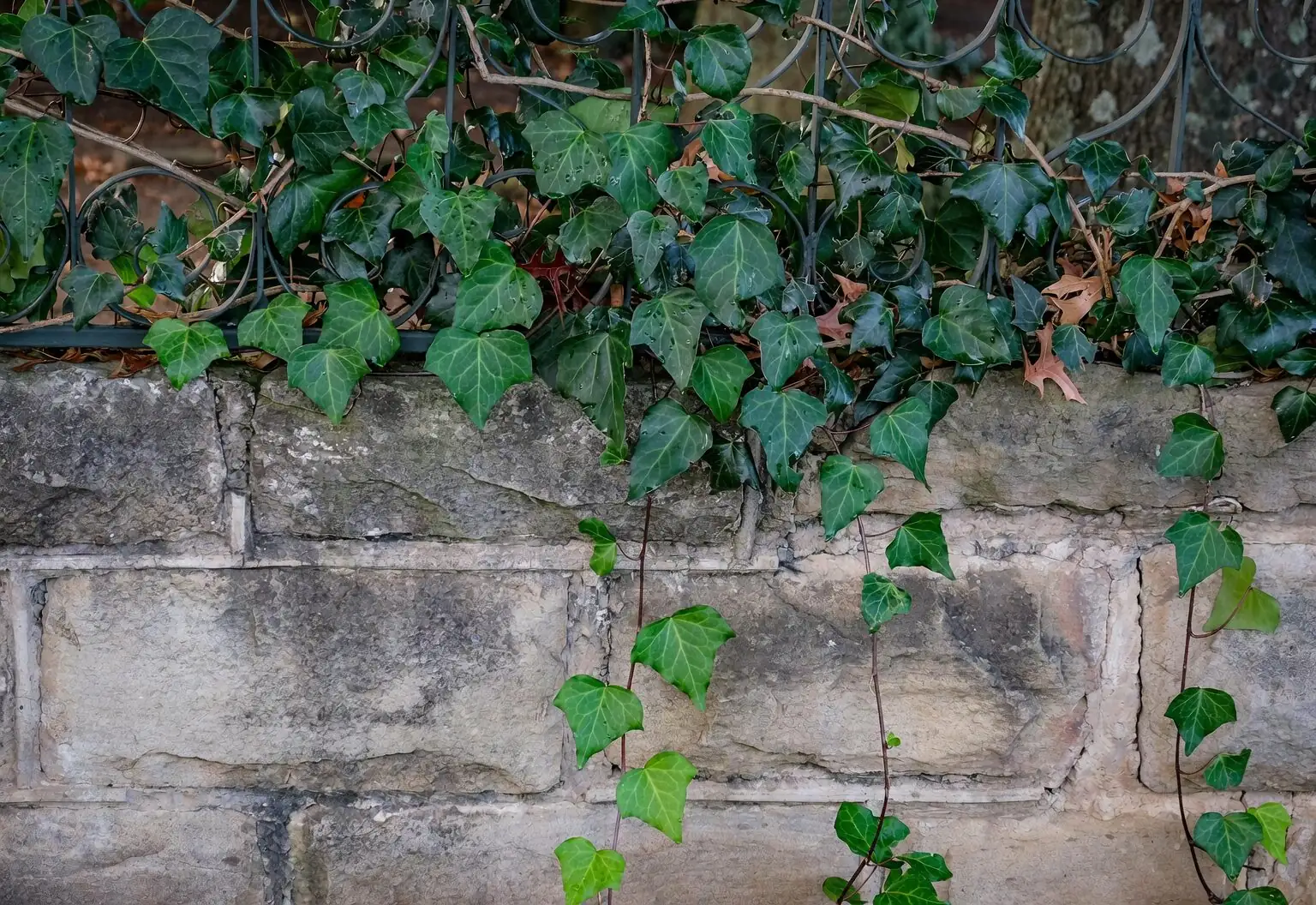
It’s hard to think of a plant that whispers “stay” more persuasively than ivy. Evergreen through winter, clasping to stone and limb, Hedera helix L.—English ivy—became one of the Victorian era’s most eloquent emblems of marriage, fidelity, and the kind of friendship that doesn’t let go. But those meanings didn’t appear out of thin air; they twine through classical myth, medieval customs, and the spirited code of floriography that turned bouquets into secret letters.
Before the Victorians: the deep roots of a clinging vine
Long before flower dictionaries hit parlors and pockets, ivy was already a cultural constant across Europe and North Africa (its native range, from Scandinavia east to Russia and south into North Africa).
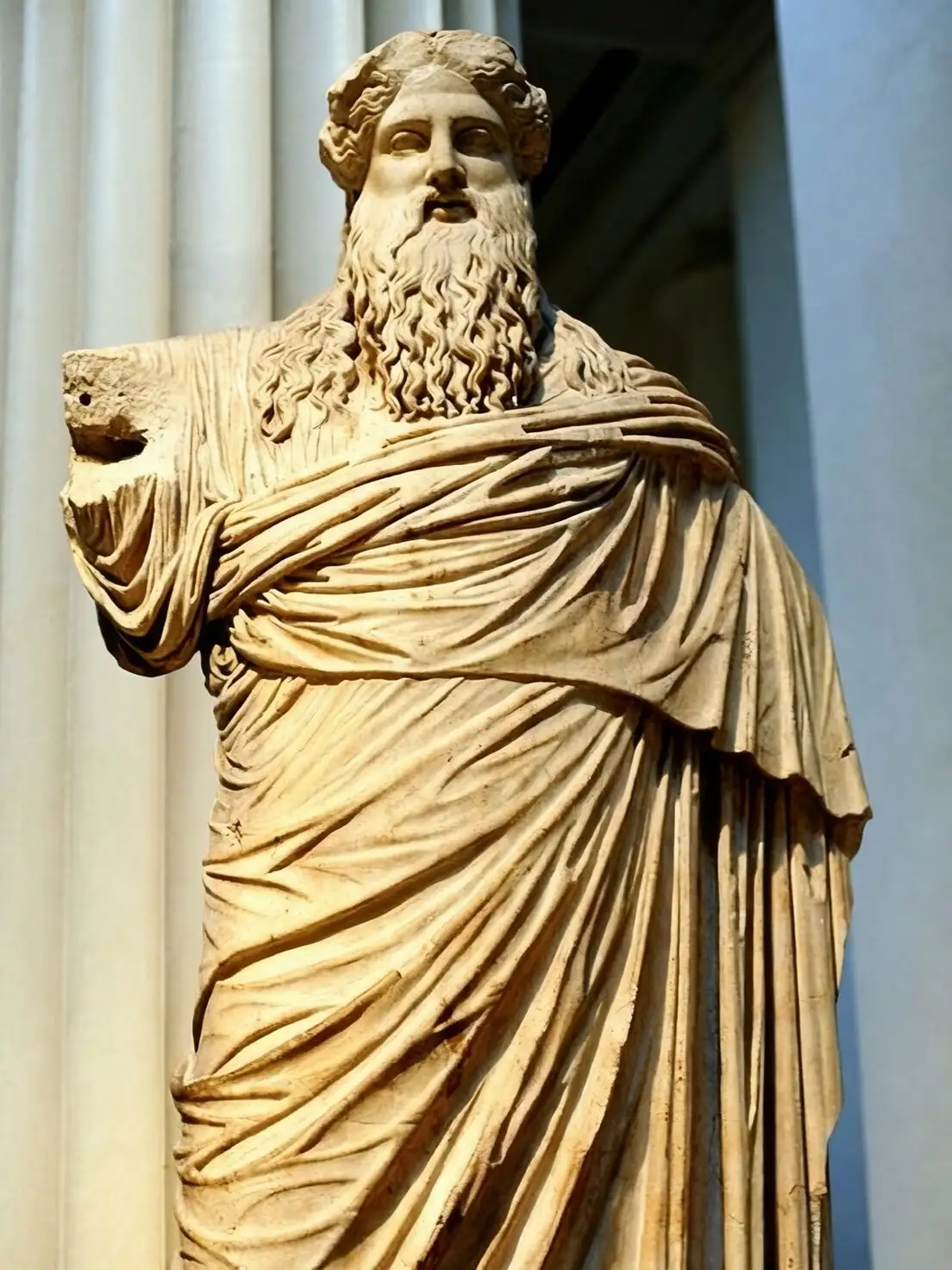
- Classical garlands: In Greek and Roman tradition, ivy was sacred to Dionysus/Bacchus. Revelers, poets, and even newlyweds could be crowned with ivy wreaths—an emblem of vitality and joy, but also of steadfast attachment, since ivy binds as it grows.
- Celtic threads: In Celtic symbolism, evergreen ivy suggested eternity and the soul’s continuity—life persisting through the dark season.
- Medieval thresholds: Ivy and other evergreens dressed doorways and halls in midwinter, promising endurance when food stores and daylight ran low. The plant’s tenacity made it a natural signpost of perseverance.
- Everyday craft and brew: Historically, ivy even appeared in brewing practices before hops became dominant in the 16th century, further stitching it into the fabric of European life.
By the time Victorians went looking for old symbols to codify, ivy’s reputation as a faithful companion plant was centuries old.
How floriography blossomed—and why ivy meant “stay”
Victorian floriography didn’t start the conversation between people and plants—it amplified it. Eighteenth- and nineteenth‑century Europe and America saw a craze for “flower language” guides, inspired by older Mediterranean and Middle Eastern practices and a general Romantic fascination with nature and sentiment. Tussie‑mussies (small posies) and buttonholes became elegant ciphers; a handful of leaves could say what etiquette would not.
Crucially, there was no single, universally accepted code—different handbooks sometimes disagreed. But ivy’s meaning was remarkably consistent:
- Marriage and fidelity: Ivy’s clinging habit and evergreen leaves made it a tidy metaphor for vows that hold fast. In Victorian flower language, it famously signified marriage and faithfulness.
- Enduring friendship and affection: A trailing sprig tucked into a posy spoke of bonds that withstand seasons and storms.
- Devotion through adversity: Ivy thrives in shade and poor soils, holding to stone when little else will—an image Victorians found irresistible.
In other words, people didn’t just project romance onto ivy; they read its biology. A plant that grips, roots where it touches, and keeps its color year‑round feels like natural shorthand for constancy.
From aisle to hearth: ivy in weddings and holiday lore
Wedding motifs that last
Because it symbolizes fidelity and friendship, English ivy has wandered gracefully into weddings for generations.
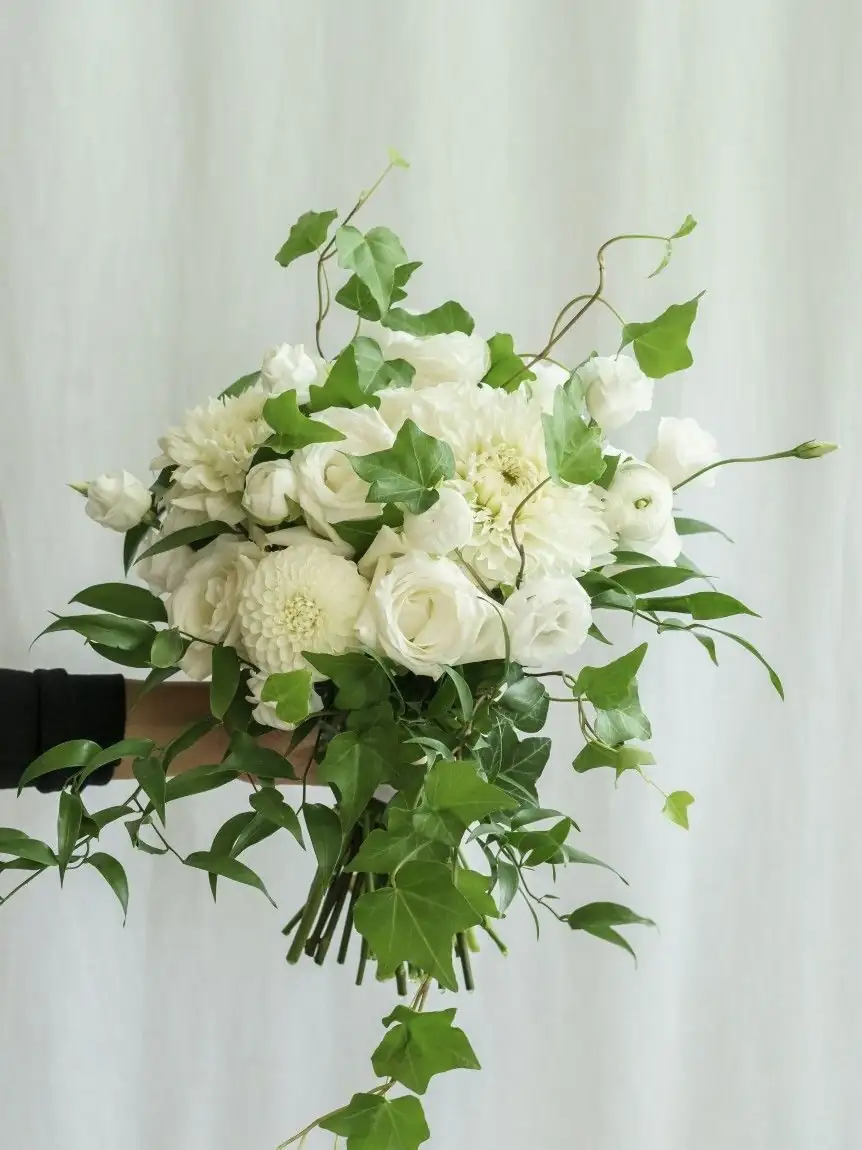
- Bouquets and crowns: A twist of ivy softens formal bouquets and echoes the classical wreaths of antiquity. Modern bridal arrangements sometimes include ivy expressly to signal steadfast love.
- Arches, pew ends, and tables: Ivy’s drape turns architecture into poetry—easy to weave through arches and across trestles for a sense of living continuity.
- Pairings that speak: Florally “literate” pairings might braid ivy with myrtle (long a symbol of love and marriage), lily of the valley (happiness), or white roses (unity).
A practical note: English ivy is toxic if ingested and its sap can irritate skin. Keep it out of reach of curious children and pets, and handle it with care when wiring or weaving stems.
“The Holly and the Ivy”: a winter duet
In British custom, holly and ivy have long been midwinter companions—one prickly and bright-berried, the other soft-leaved and persistently green. Carols and folklore often cast holly as the “male” and ivy as the “female,” a symbolic balancing of forces brought indoors to steady the household through winter.
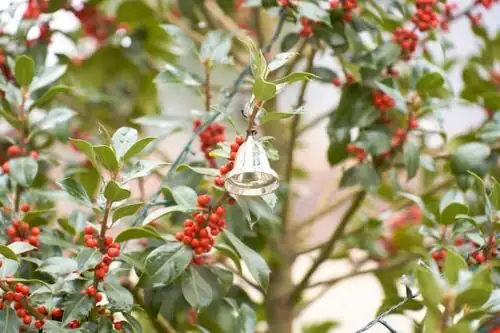
- Midwinter greenery: Ivy trimmed hearths and mantelpieces when fields lay fallow, a promise that life continues.
- Folklore nuances: Some traditions called ivy good luck only when paired with holly. Others simply celebrated its persistence. Either way, the pairing underscored harmony—two evergreens, different in character, keeping company.
Botanical interlude: meet Hedera helix L.
Understanding the plant behind the poetry makes the symbolism richer.
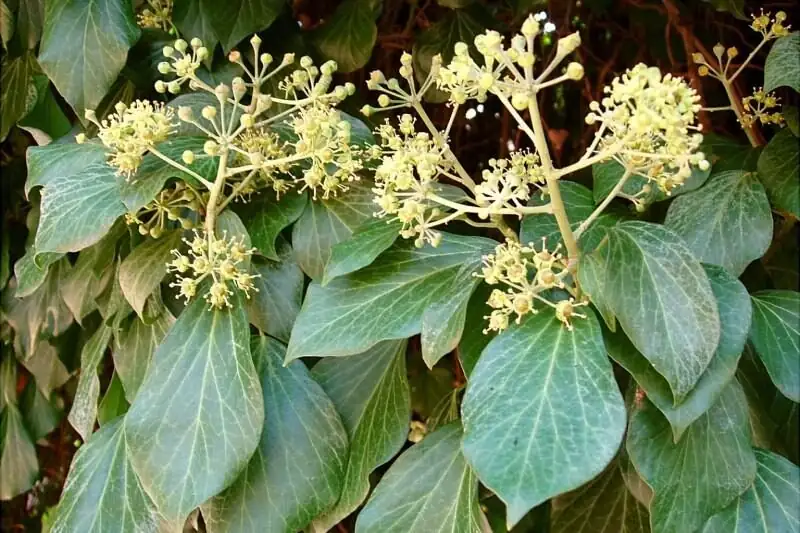
- Family and form: English ivy belongs to Araliaceae (the ginseng family). It’s an evergreen woody vine that climbs with tiny aerial rootlets or carpets the ground in dense mats.
- Two faces of ivy: Juvenile shoots bear glossy, dark green, often 3–5‑lobed leaves; mature, flowering shoots shift to more oval or diamond-shaped, generally unlobed leaves. This duality is so pronounced it can look like two species on one plant.
- Flowers and season: Small greenish-white to greenish-yellow blooms appear in rounded clusters in fall. They’re not showy, but they’re nectar-rich for insects when allowed to mature.
- Size and habit: Outdoors, ivy can reach about 24 m (80 ft) high or spread widely as groundcover; indoors it’s typically trained or trailed to 0.9–1.8 m (3–6 ft).
- Light and temperament: A shade-tolerant classic that thrives in part to full shade outdoors; indoors it prefers bright, filtered light. Variegated cultivars (splashed with white, cream, or yellow) need a bit more light to hold their color.
- Safety and stewardship:
- Toxicity: Leaves, berries, and sap can cause stomach upset if eaten; sap may irritate skin. Keep away from children and pets.
- Invasiveness: In some regions outside its native range, English ivy can be invasive. Before planting outdoors, check local guidance; consider using cut stems for décor or growing it contained in pots.
- Longevity: As a groundcover or climber, ivy is long-lived—another botanical reason it stands for endurance.
Why ivy’s meaning endures
Ivy’s symbolism persists because it marries narrative with nature:
- It clings, so it stands for fidelity.
- It stays green through winter, so it promises constancy.
- It roots as it travels, so it evokes friendship that makes new anchors as life changes.
- It blooms as the year wanes, offering late-season nectar—a quiet act of generosity.
Victorians loved that kind of botanical metaphor, and they weren’t wrong. The plant’s life story and our human stories fuse neatly.
Bringing floriography into modern life
You don’t need a Victorian dictionary to speak through flowers today—just a thoughtful hand.
- Tussie-mussies revisited: Try a pocket-sized posy of ivy (fidelity), rosemary (remembrance), and myrtle (marriage). It’s a wearable vow.
- Wedding styling with care:
- Choose contained or cut ivy rather than planting where it might naturalize.
- Favor variegated cultivars indoors for brightness; they trail elegantly in arches and on tabletops.
- Keep stems off cake surfaces and away from food, children, and pets due to toxicity.
- Winter gatherings: A strand of ivy paired with holly over a mantel nods to centuries of midwinter tradition—green hope against grey days.
Quick symbolism at a glance
- Core meanings: fidelity, marriage, enduring friendship, devotion
- Cultural anchors: Dionysian garlands; Celtic eternity; British holly‑and‑ivy customs
- Victorian floriography: a near-universal emblem of faithfulness and wedded love
- Botanical echoes: evergreen, clinging, long-lived, and late‑flowering
English ivy is more than backdrop; it’s a living metaphor. Whether woven through a bridal bouquet or paired with holly at the hearth, it tells the same steady story: through shade and season, I’m still here.