

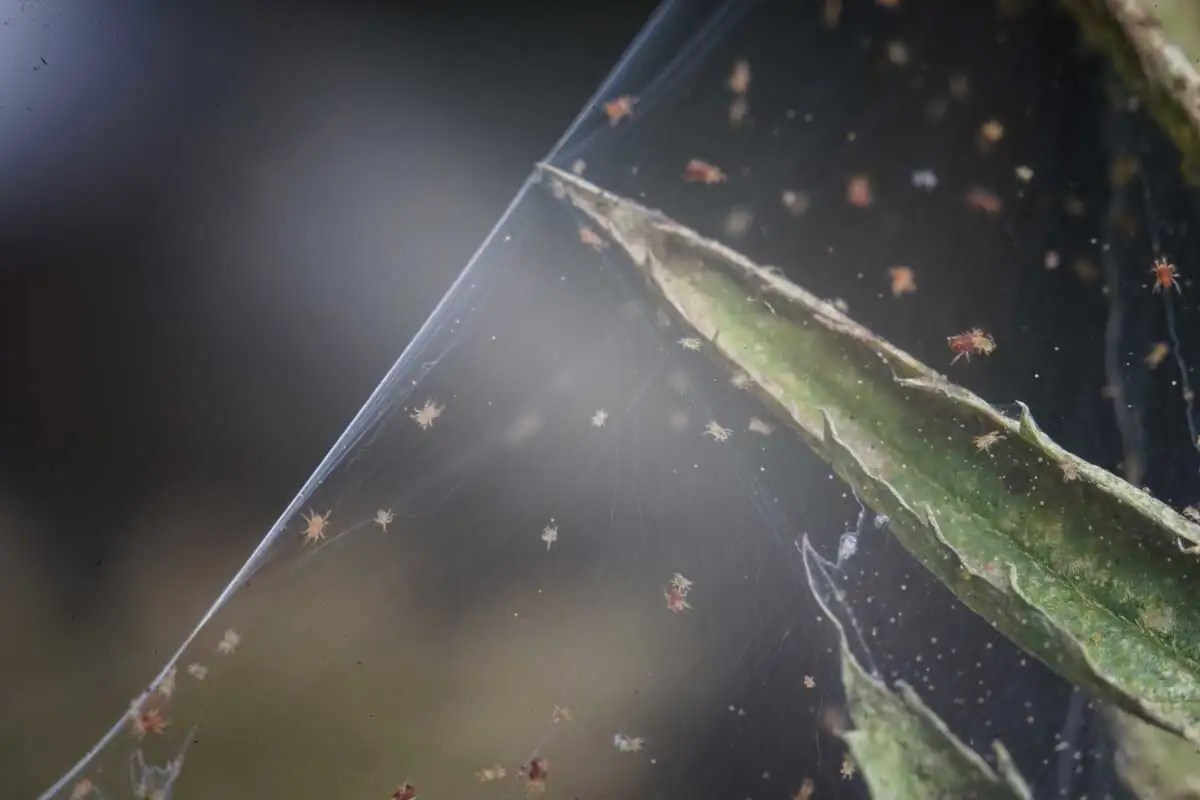
If your English ivy (Hedera helix L.) suddenly looks tired—stippled leaves, sticky residue, black sooty smudges, or a dusting of white—don’t panic. Ivy is resilient, but it does demand quick, targeted action when pests or diseases show up. This is your action-first, integrated plan to fix the five most common problems fast: spider mites, aphids, scale, leaf spots, and powdery mildew. We’ll lean on IPM (integrated pest management), smart humidity and airflow, and safe, effective treatments.
Note: English ivy prefers bright, filtered light, steady moisture (not soggy), and medium to high humidity. Low humidity fuels spider mites; chronically wet leaves and poorly drained soil invite diseases. Variegated cultivars need a bit more light to maintain color.
The 30‑Minute Triage (Do This First)
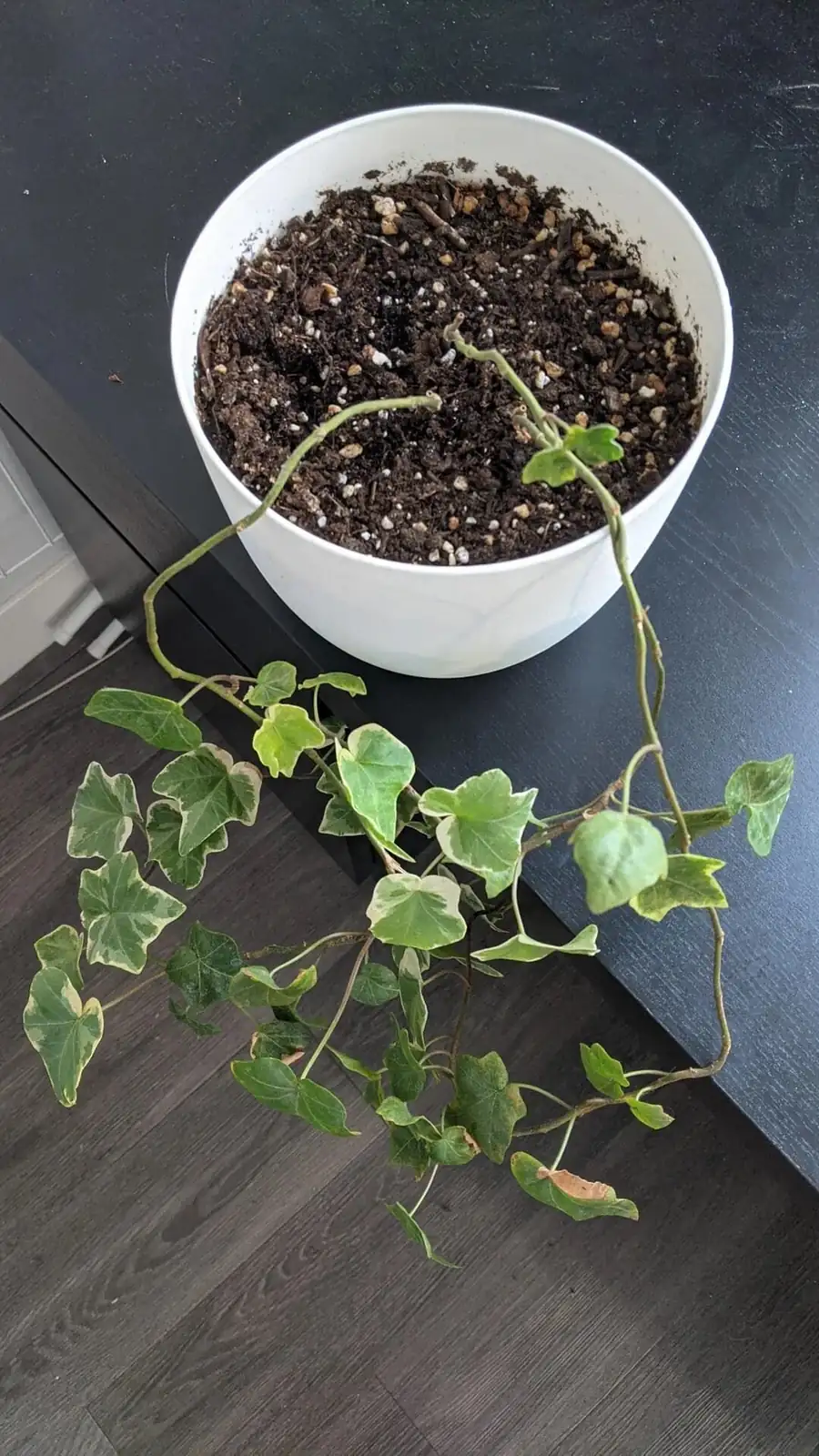
- Isolate the plant. Keep it away from your collection to prevent hitchhikers.
- Shower rinse: Take the pot to a sink or shower and rinse both sides of leaves with a gentle but thorough spray. This alone knocks down mites and aphids dramatically.
- Inspect with intent:
- Tap a suspect stem over white paper. Moving dust-like specks that smear red/green = mites.
- Sticky leaves or furniture = honeydew from aphids/scale; black smudges on that honeydew = sooty mold.
- Spots on leaves: tan/brown with halos (fungal/bacterial leaf spots) or a white, talc-like film (powdery mildew).
- Adjust the environment:
- Raise humidity (humidity tray or small humidifier) and boost gentle airflow.
- Water correctly: keep the mix evenly moist but never waterlogged; ensure the pot drains freely.
- Gather supplies:
- Insecticidal soap, neem oil (or a horticultural oil labeled for houseplants).
- Cotton swabs + 70% isopropyl alcohol (for scale).
- Clean shears, paper towels, a trash bag.
- Optional outdoors/greenhouse: predatory mites for spider mites.
Tip: Avoid spraying any product when plants are water‑stressed or in high heat. Always test on a small leaf section first.
Know Your Enemy (Fast ID Cues)
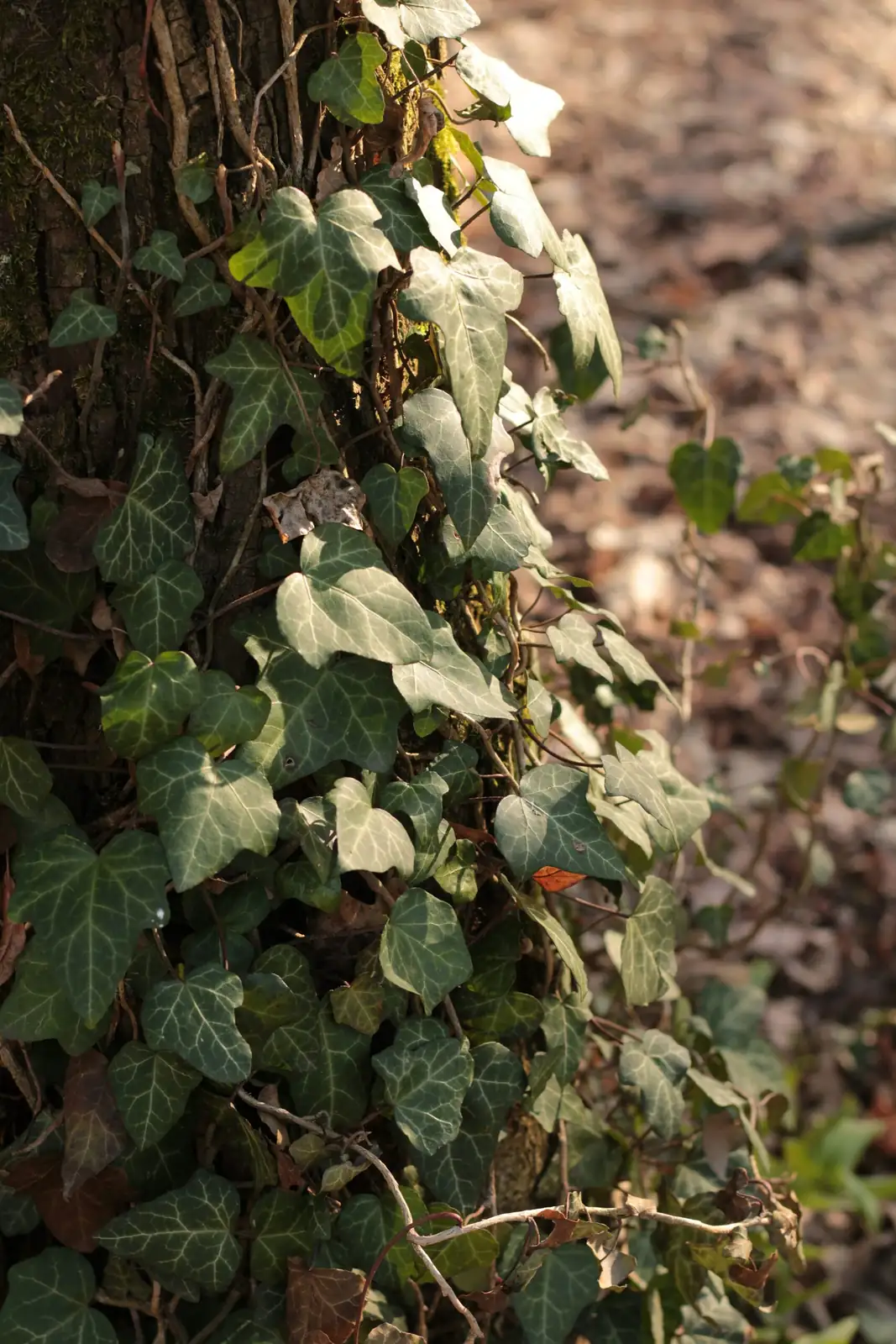
- Spider mites
- Symptoms: fine stippling on leaves, dusty look, very fine webbing under leaves and between petioles; worst in hot, dry, dusty air.
- Confirm: tap test over white paper; look for tiny moving dots.
- Aphids
- Symptoms: clustered soft-bodied insects on tender tips/undersides; curled/distorted new growth; sticky honeydew; ants may appear.
- Scale (soft or armored)
- Symptoms: dome-like, stuck-on bumps along stems/veins; honeydew and sooty mold common with soft scale; leaves may yellow/drop.
- Leaf spots and blights
- Symptoms: tan to brown spots, sometimes with darker borders or yellow halos; irregular blotches; severe cases can defoliate. Often tied to splashing water, overcrowding, or soggy soil and stale air.
- Powdery mildew
- Symptoms: white, powdery coating on leaves and stems; leaves may yellow, wrinkle, or dull out. Thrives in stagnant air and shade with humidity swings.
Action Plans, Problem by Problem
Spider mites: stop the dust-up
- Environment reset
- Raise humidity (tray/humidifier), improve airflow, and keep the potting mix evenly moist (not soggy). Dry air + drought stress = mite party.
- Keep dust down: gently wipe leaves; dust fosters outbreaks.
- Physical knockdown
- Rinse undersides and tops of leaves thoroughly every 1–2 days for a week. This alone can crash populations.
- Least‑toxic treatments
- Insecticidal soap or a neem/horticultural oil spray. Thorough coverage of leaf undersides is essential. Repeat every 4–7 days for 2–3 cycles.
- Don’t spray in heat or full sun; avoid treating water‑stressed plants.
- Biological allies (outdoors/greenhouse)
- Predatory mites and other natural enemies can help keep mites in check. Avoid broad‑spectrum insecticides that kill these helpers and can make mites worse.
- Monitor
- Continue the white‑paper tap test weekly. If numbers rebound, repeat the spray cycle.
Aphids: clear the crowd
- Blast and wipe
- Hose/shower to dislodge colonies. Pinch off badly infested tips.
- Soap/neem rotation
- Spray with insecticidal soap, ensuring full coverage (especially tender tips). Follow up with neem 4–7 days later if needed. Repeat until no new honeydew appears.
- Ant management (outdoors)
- If ants are farming aphids, deter them (barriers on pots, remove ant bridges) so predators can do their job.
- Prune and feed sensibly
- Avoid heavy nitrogen flushes that produce soft, aphid-magnet growth.
Scale: the stuck-on stealth pest
- Manual removal
- Dab individual scale with alcohol on a cotton swab and gently lift off. Dispose of fallen pests.
- Smothering sprays
- Follow with a horticultural oil or neem oil spray, covering stems and leaf undersides. Repeat 2–3 times at 7–10 day intervals to catch hatchlings.
- Sanitation and pruning
- Remove heavily infested stems. Clean sticky honeydew to prevent sooty mold.
- Persistence
- Scale requires multiple passes; keep inspecting nodes and leaf midribs.
Leaf spots (fungal/bacterial): stop the splash cycle
- Culture first
- Improve airflow and spacing; avoid overhead watering. Water the soil, not the leaves.
- Check drainage; soggy mix invites trouble. Refresh compacted soil and ensure a free-draining pot with drainage holes.
- Sanitation
- Remove affected leaves (bag and discard). Sterilize shears between cuts.
- Targeted fungicide if needed
- For persistent or spreading spots, use a fungicide labeled for ornamental leaf spots; copper-based options are commonly used. Follow label directions.
- Aftercare
- Keep foliage dry during cool evenings. Resume normal watering once top ~1 inch of mix dries.
Powdery mildew: break the stale-air loop
- Air + light
- Improve air movement and provide bright, indirect light. Avoid overcrowding plants.
- Hygiene
- Remove heavily dusted leaves; do not compost.
- Safe fungicidal options
- Neem oil (clarified extracts) can suppress powdery mildew. Apply in the morning or evening, never in hot sun, and repeat per label.
- Copper-based fungicides are another option when labeled for ornamentals.
- Consistency
- Keep humidity moderate to high for ivy vigor, but ensure airflow so leaf surfaces don’t stay stagnant.
Humidity and Watering: Your Invisible IPM Tools
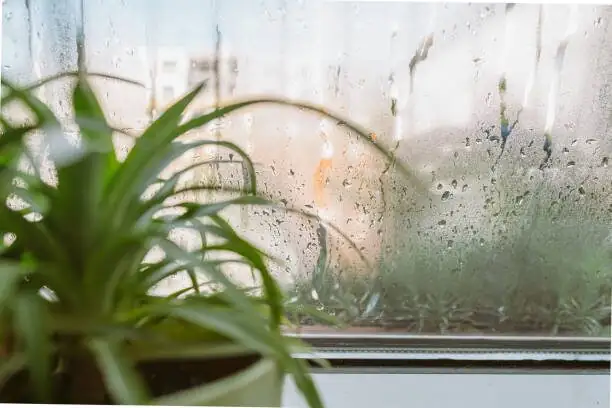
- Aim for medium to high humidity indoors. Use a humidity tray or small humidifier; occasional light misting is fine, but constant wet leaves promote disease.
- Water when the top ~2.5 cm (1 in) is dry, then water thoroughly and drain. Overwatering breeds rot and leaf-spot diseases; underwatering plus dry air invites spider mites.
- Keep temperatures comfortable for ivy growth and avoid hot, direct afternoon sun. Variegated forms need brighter light to hold color, but still avoid scorch.
A Four‑Week Recovery Schedule
- Days 0–2
- Isolate, rinse thoroughly, remove worst-affected leaves, adjust humidity/airflow, correct watering.
- First application of insecticidal soap or oil (as appropriate).
- Days 4–7
- Inspect with tap test and by eye; repeat treatment if live pests remain.
- Weeks 2–3
- Continue weekly inspections; repeat sprays at label intervals until two clean checks in a row.
- For leaf spots/mildew, apply follow-up fungicide only if new lesions appear.
- Week 4
- Reintroduce to your plant group if clean. Resume normal feeding (lightly, in active growth) and prune for shape.
Prevention Playbook (Worth Its Weight in Clean Leaves)
- Quarantine new plants for 2–3 weeks and inspect under leaves with a hand lens.
- Dust leaves monthly; clean foliage deters mites and lets you spot problems early.
- Tap-test weekly during warm, dry spells.
- Feed modestly in spring/summer; pause during stress or winter downtime.
- Prune to open dense growth; bag and bin trimmings.
- Outdoors, site ivy in partial to full shade with moisture-retentive, well‑drained soil; check local guidance before planting, as English ivy can be invasive in some regions.
Safety First
- English ivy is toxic if ingested and its sap can irritate skin. Wear gloves, keep plants and products away from children and pets, and wash up after handling.
- Use labeled products only, follow directions, and avoid spraying in heat or full sun. Protect floors and finishes when you spray indoors.
A quick note on symbolism
English ivy has long symbolized fidelity and steadfast devotion—fitting for a plant that clings and stays evergreen. In Victorian flower language, ivy’s message was marital faithfulness and enduring friendship. It’s a poetic counterpoint to pest management: when you devote steady, thoughtful care, the plant returns the favor with lasting, year‑round grace.
With a clear ID, smart environment tweaks, and gentle but persistent treatments, Hedera helix bounces back fast. Think of this plan as your ivy’s pit crew—swift, clean, and always two steps ahead of trouble.