

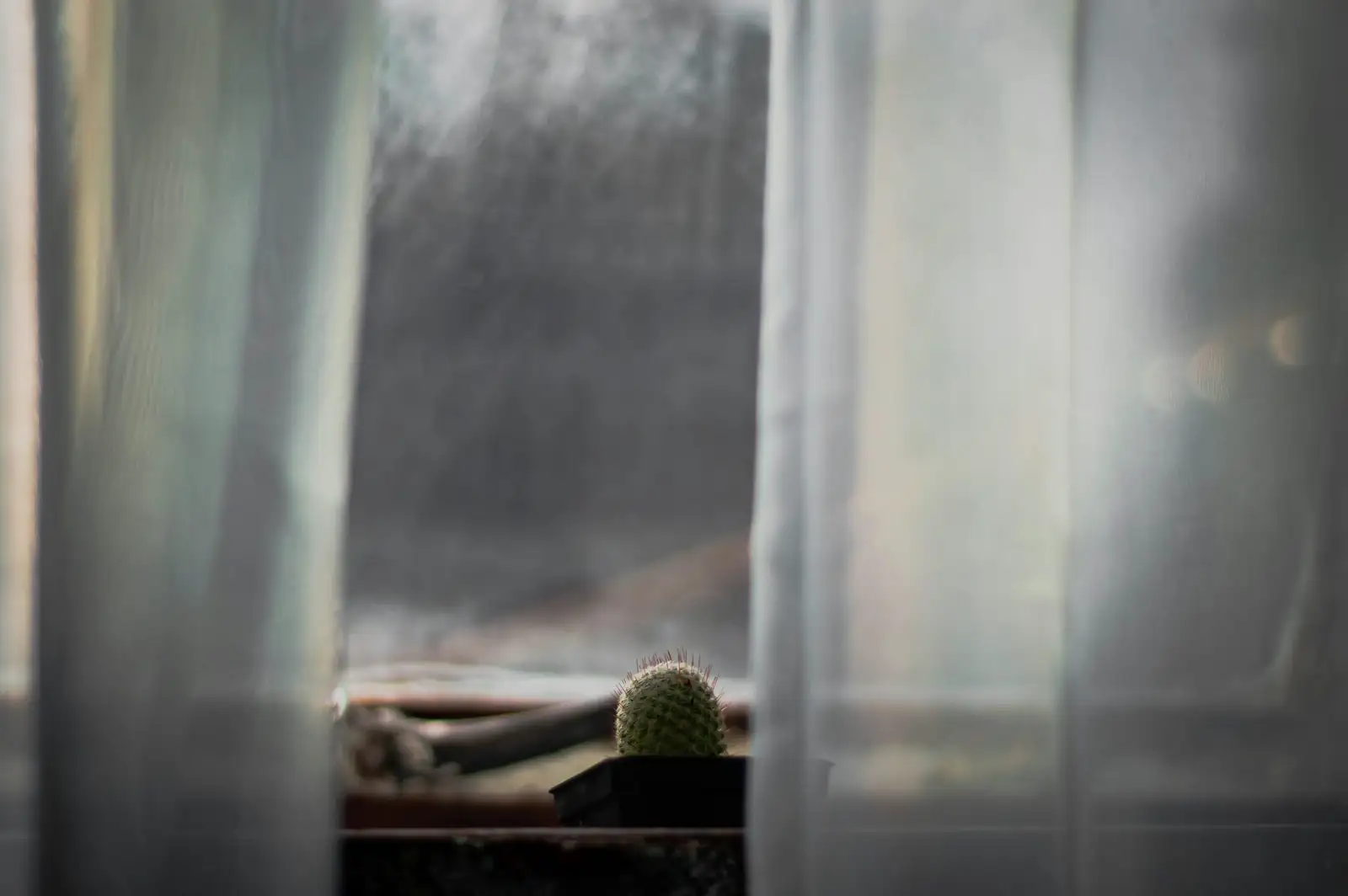
Imagine a little elder standing quietly on your windowsill—silver hair flowing, posture upright, unhurried, and enduring. That’s the charm of Cephalocereus senilis, the Old Man Cactus: a living symbol of longevity, resilience, and quiet wisdom that has found a new voice in modern East Asian flower language, all because it so convincingly looks the part.
Meet the Old Man Cactus (Cephalocereus senilis)
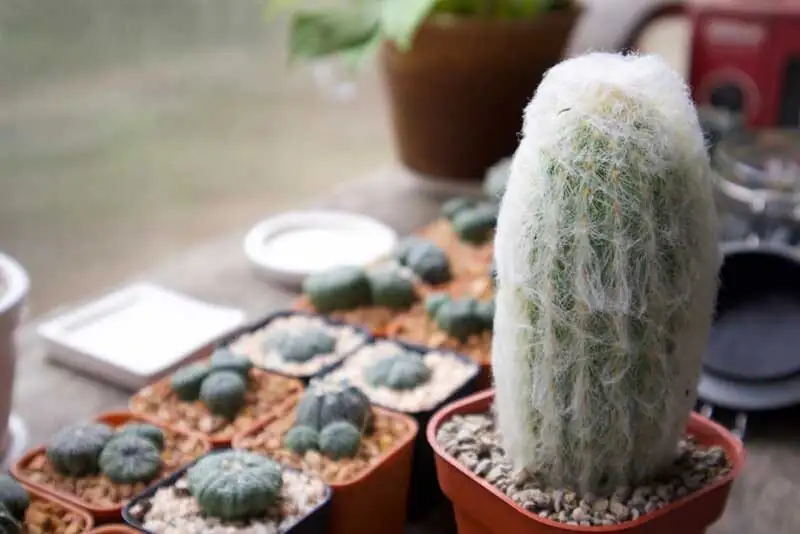
Native to arid limestone slopes in east‑central Mexico—especially Hidalgo and Veracruz—this columnar cactus carries a trademark coat of long, silky white hairs. The “beard” is more than a visual wink; it’s a built‑in sunshade that helps protect the green stem from harsh desert light. Indoors, that soft-looking halo hides real spines, so handle it with care.
- Habit: Upright, usually unbranched columns that may clump from the base with age
- Size: About 30 × 10 cm (12 × 4 in) in a typical pot; can grow much taller in greenhouses or ideal outdoor climates
- Flowers: Red, yellow, or white in nature, typically in summer—but blooming is uncommon in containers and especially rare indoors
Its silver-white “wool” is thickest on younger growth, creating an endearing, age‑reversed illusion: the top of the plant looks the oldest. That visual joke fuels much of its modern symbolism.

Why it whispers longevity, resilience, and quiet wisdom
Longevity
The Old Man Cactus grows slowly and steadily, aging into a tall pillar over many years. In East Asian gift culture, that calm, time‑tested presence resonates as a wish for long life—an elegant, everyday stand‑in for the thousand‑year cranes and ancient pines of traditional imagery.
Resilience
Beneath the white hair is a desert survivor. It conserves water, tolerates heat and sun, and asks little—qualities that now read as life lessons: toughness without noise, persistence without spectacle. The hair’s “parasol” function poetically doubles as a shield against hardship.
Quiet wisdom
The combination of an upright, monk‑like silhouette and a serene silver crown suggests inner composure. In offices and study corners, it feels like a gentle mentor—a plant that “listens” more than it speaks.
The rise of modern East Asian huayu for Old Man Cactus
Flower language (花语, huayu) is not a fixed canon. For succulents and cacti, especially, meanings often emerge from how a plant looks and behaves, not from historical lists. That’s precisely the case for Cephalocereus senilis.
- Contemporary origin: In China, Japan, and Korea, the Old Man Cactus’s “elder” aesthetic sparked new associations—longevity, resilience, and quiet wisdom—shared by plant shops, cafés, and design accounts. Its Chinese name, 翁柱 (literally “old man pillar”), clinches the metaphor: a reliable pillar of the home or team.
- Not classical floriography: You’ll sometimes see generalized cactus entries in older or popularized lists (e.g., strength, protection, even attraction in some Japanese hanakotoba interpretations). Those do not specifically address Old Man Cactus. The modern huayu for this species is a fresh, appearance‑based reading rather than a hand‑me‑down from historical floras.
- Why it stuck: Minimalist interiors love sculptural shapes. The silver hair photographs beautifully. And the symbolism dovetails with contemporary values—wellness, endurance through challenges, and respect for elders and mentors.
In short: the Old Man Cactus didn’t inherit its meaning; it earned it—with that unmistakable white beard.
Gifting guide: when this “elder” says exactly the right thing
This cactus has become a thoughtful gift across East Asia and beyond—not for romance, but for encouragement, gratitude, and milestone moments.
Great occasions
- Retirement or work anniversaries: “You’ve been our steady pillar—wishing you long, flourishing years ahead.”
- Teacher appreciation: “Thank you for your wisdom and patience.”
- Housewarming: “A calm guardian for a bright new home.”
- Recovery and exams: “Resilience and quiet strength—one steady day at a time.”
- Parents’ or grandparents’ birthdays: “Longevity with serenity.”
Card message ideas
- “To long life, steady growth, and a silver lining in every season.”
- “Quiet strength is the strongest kind.”
- “A small pillar for your space; a big wish for your future.”
Practical gifting notes
- Choose a firm, upright plant with clean, dry hair—no damp, matted patches or soft spots at the base.
- Include a note about hidden spines and easy care.
- Pair with a breathable, slightly heavy pot (for stability) that complements the silver hair: warm terracotta, matte charcoal, or pale stoneware.
Décor notes: styling the silver halo
The Old Man Cactus is an instant focal point. Think of it as a vertical brushstroke—crisp, calm, and textural.
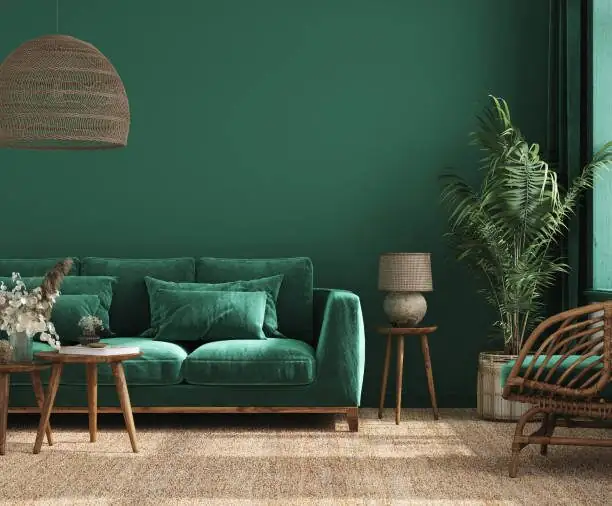
- Light sculptor: Place it in your brightest window or sunroom. Full sun encourages a dense, luminous “beard.”
- Palette pairings: Terracotta for warmth; concrete for minimalism; light wood for wabi‑sabi ease. A low pedestal elevates the column and dramatizes the hair.
- Groupings: Let it star alone or flank it with smooth‑leaf companions (snake plant, ZZ plant) to heighten the hair’s contrast.
- Keep the hair dry: Mist may mat the fibers and invite pests. Dust gently with a soft brush if needed.
Care in a cultural nutshell (for the grateful recipient)
This is the rare gift that’s both symbolic and easy to keep happy—as long as you keep it bright and dry.
Light
- Full sun is best. In very hot summers, offer bright light with a touch of afternoon shade, especially after moving it outdoors.
Water
- Water thoroughly, then wait until the top 1–2 cm (0.4–0.8 in) of soil is bone dry before watering again.
- Winter rest: Water only 1–2 times for the whole season (or not at all if kept cool). Cold + wet = rot.
Soil and pot
- Use very fast‑draining cactus mix. A good DIY: equal parts potting soil, coarse sand, and perlite or pumice.
- Start small: a pot around 10 cm (4 in) wide for young plants. Size up only slightly when repotting.
Temperature and humidity
- Ideal range: 10–32°C (50–90°F). Protect from frost; aim to keep above 5°C (41°F).
- Prefers low humidity with good airflow. Keep the hair dry.
Feeding
- Monthly in spring and summer with a cactus fertilizer. Stop in fall and winter.
Repotting
- Young plants: each spring. Mature plants: about every 2 years.
Health and safety
- Overwatering is the main risk; rot and root mealybugs love soggy soil.
- Watch for mealybugs, scale, and spider mites; treat early with insecticidal soap or horticultural oil and improve airflow.
- Not known to be poisonous, but hidden spines can injure. Keep away from curious hands and paws, and handle with gloves.
Bloom expectations
- In habitat, plants may produce red, yellow, or white flowers in summer, but flowering is rare in pots—enjoy it for the form and “beard,” not the blooms.
Mexican roots, global stories
Though its modern East Asian huayu is new, the plant itself is unmistakably Mexican. Endemic to Hidalgo and Veracruz, Cephalocereus senilis evolved that long white hair as a natural parasol for punishing sun on arid limestone slopes. Its popular names—Old Man Cactus, Old Man of Mexico—tip the hat to that heritage. While Mexico’s national emblem famously features a prickly pear cactus (not this species), the broader cactus family is woven into the region’s identity and landscape. Choosing sustainably nursery‑grown plants honors that origin story while bringing a sliver of desert wisdom home.
A note on cactus meanings old and new
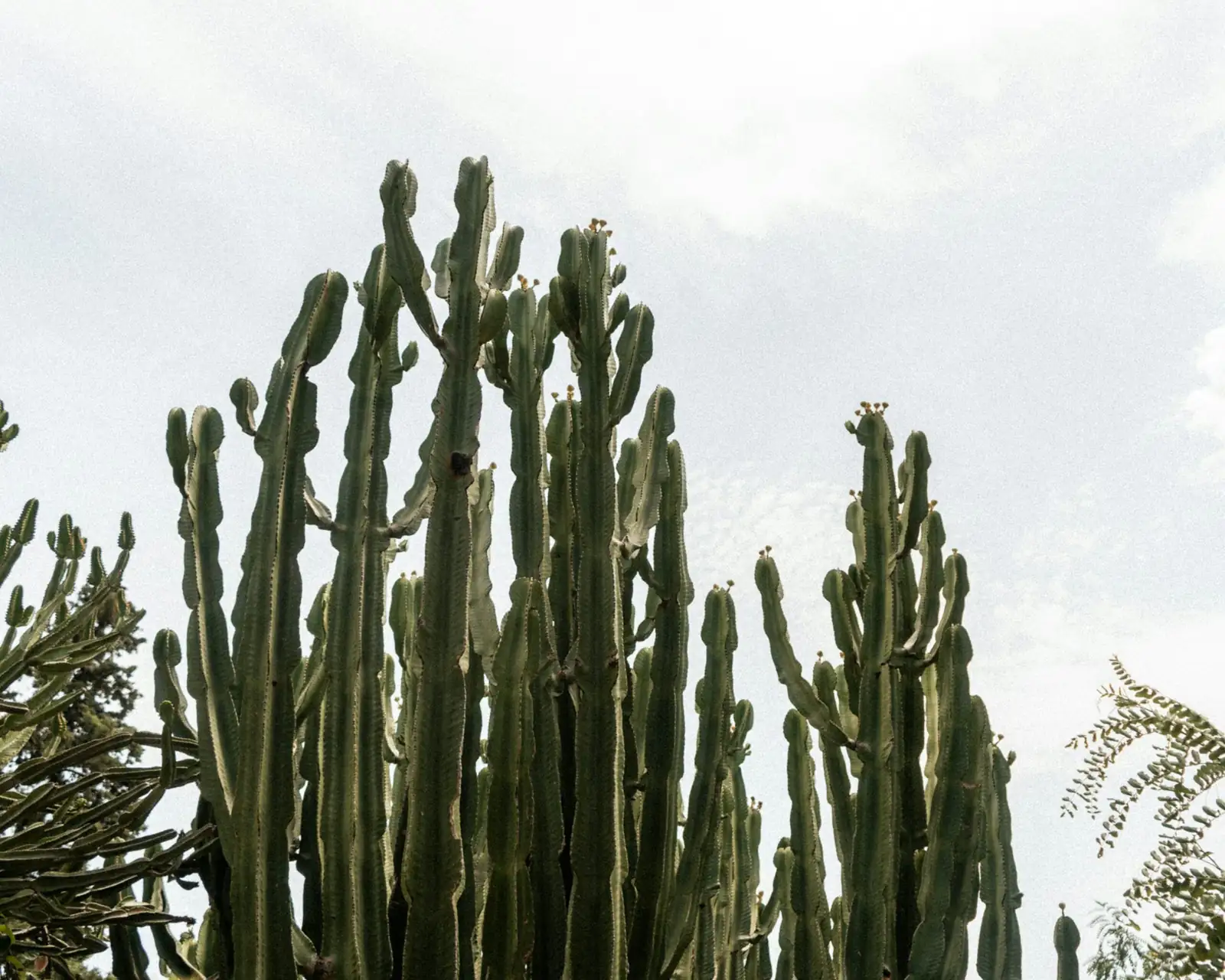
- Broad cactus symbolism—endurance, protection, inner strength—has circulated for generations in many cultures.
- Some Japanese hanakotoba lists attach attraction or lust to “cactus” in general. That lens does not neatly fit the Old Man Cactus.
- The modern East Asian huayu for Cephalocereus senilis centers on what you see: an elder’s silver hair, a steadfast pillar, a quiet teacher. It’s contemporary, image‑driven, and surprisingly moving.
The gentle elder you’ll actually keep alive
Cephalocereus senilis brings the gravitas of age to a side table without demanding much in return. It stands, it endures, it softens the room with a silver halo—and it nudges us to grow steadily, to weather bright days and lean ones, and to listen more than we speak. In gifting and in living with it, the message is the same: longevity with grace, resilience without drama, and a quiet wisdom that makes a space feel complete.