

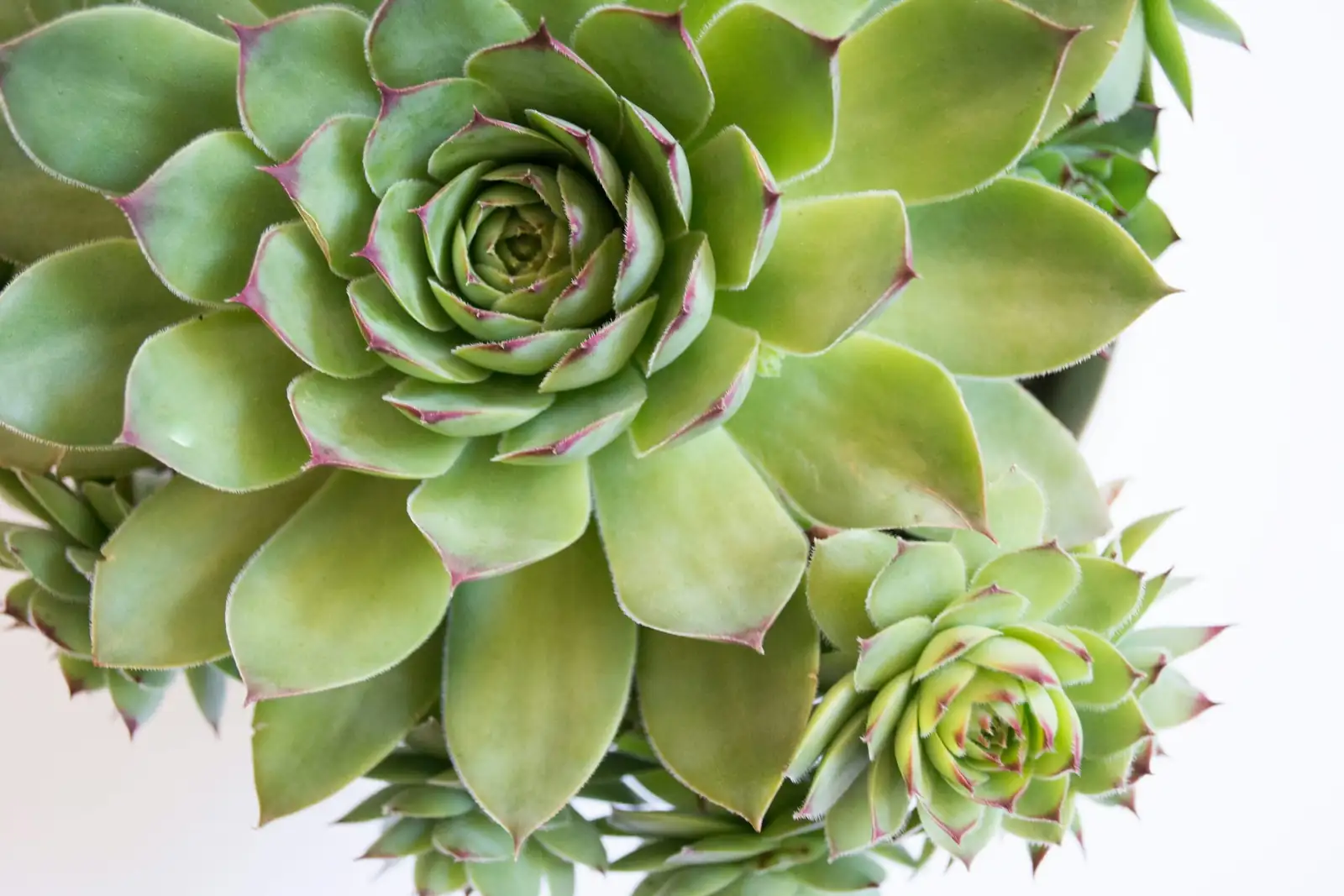
Imagine a lotus carved from moon-gray stone, perfectly balanced, quietly resilient—and then, in spring, it tosses up airy fireworks of pink-red stars. That is the charm of Echeveria “Meililian” (美丽莲): a modern, lotus-like rosette whose flower language in contemporary Chinese culture speaks of resilience, calm balance, and enduring affection.
Meet “Meililian” (美丽莲): the lotus-like Echeveria
- Family: Crassulaceae
- Genus: Echeveria
- Origin: Cultivated selection; the genus is native mainly to Mexico and Central America
- Also known as: Meililian, Beautiful Echeveria, Black Prince-Type Echeveria (trade usage)
What it looks like:
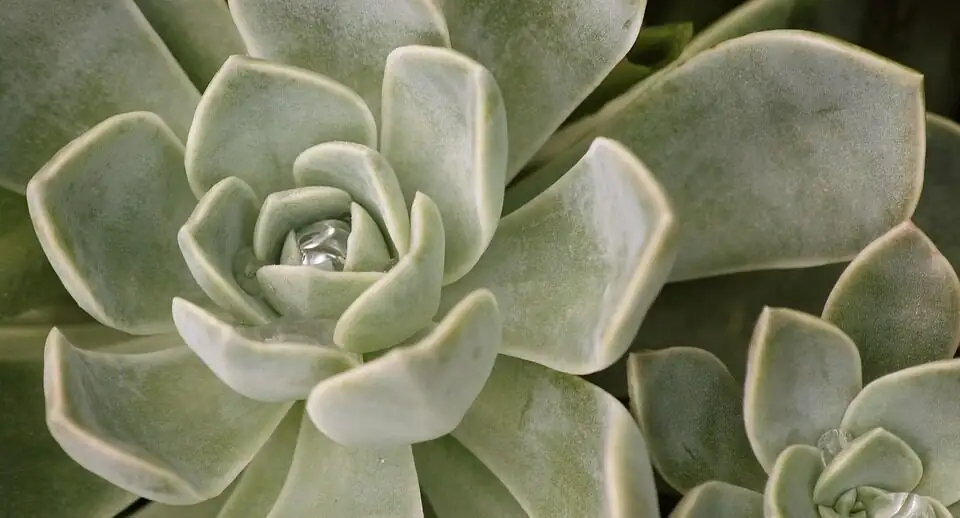
- A tidy, compact rosette with thick, fleshy leaves in gray to deep gray, often edged in paler margins. Under high light, the color deepens and looks wonderfully sculptural.
- Size: about 6 in tall and 4 in across (flower stalks can rise several times taller than the rosette).
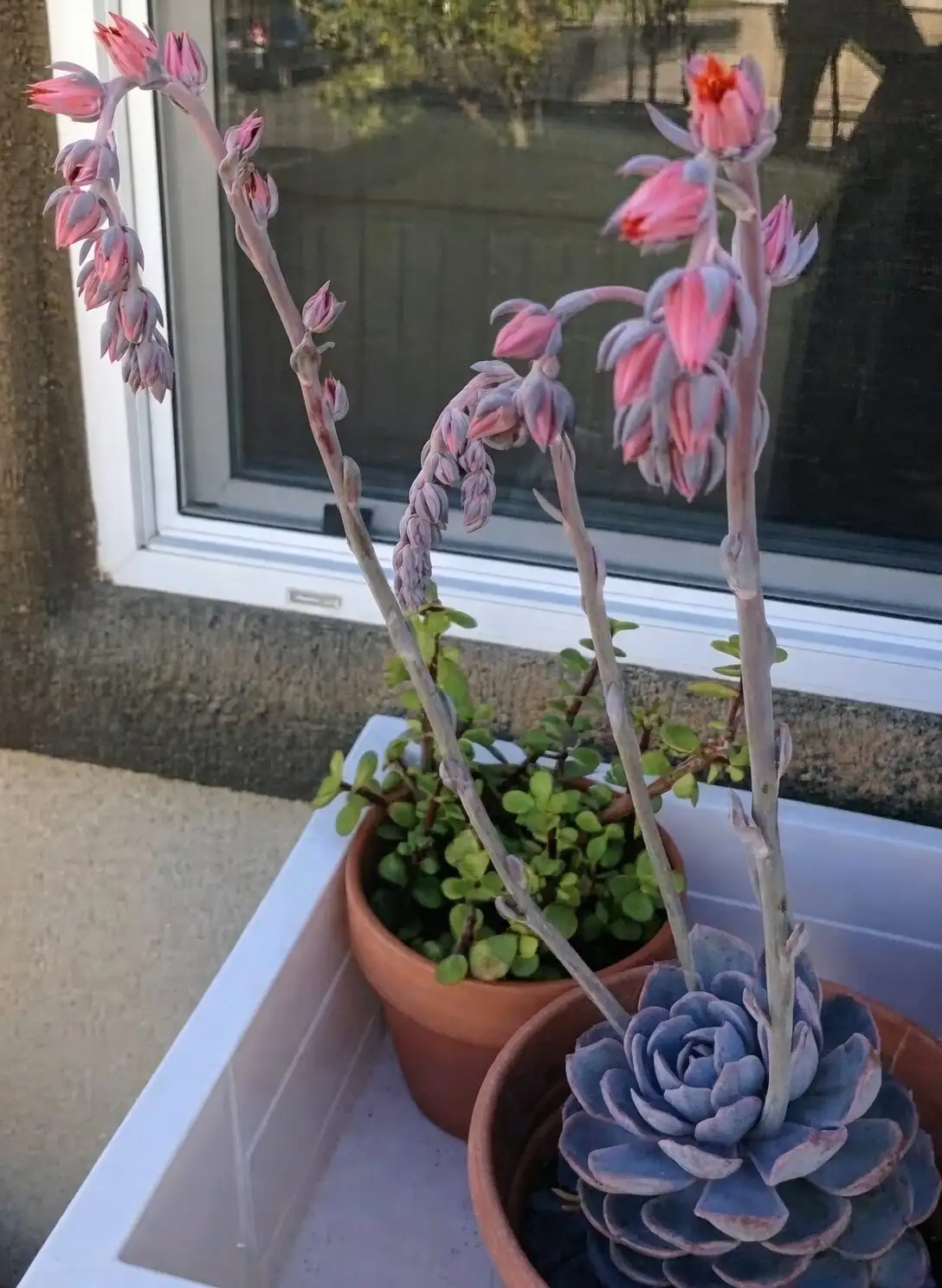
- Flowers: in spring to early summer, it sends up long, branched stems topped with bright pink-to-red, star-shaped blooms—like tiny fireworks floating above the plant.
- Habit: slow-growing, rosette-forming, drought-tolerant.
The modern Chinese “flower language” (花语): why a rosette means resilience, balance, and lasting love
Where these meanings come from
In today’s Chinese nursery and florist trade, evocative names give plants an instant personality. The word “lian” (莲) in “Meililian” literally nods to the lotus, a potent visual in East Asian aesthetics for purity, balance, and poised calm. As rosette succulents surged in popularity, sellers, stylists, and social media posts (think gift tags and product pages) paired these lotus-like forms with messages of steady affection and inner strength. Over time, that marketing shorthand—simple care, long life, neat symmetry—became the plant’s commonly shared “flower language.”
It’s contemporary rather than ancient: a modern blend of trade naming, florist culture, and the wider symbolism people already associate with succulents.
The core themes
- Resilience: Thick, water-storing leaves and drought tolerance make Meililian a living emblem of “quiet toughness.”
- Calm balance: The near-perfect symmetry of a rosette mirrors tranquil order—like a lotus floating on still water.
- Enduring affection: Succulents grow steadily and can thrive for years with minimal fuss, fitting gifts that promise durable, unshowy love.
Gifting significance: when Meililian says the most with the least
- For love that lasts: Anniversaries, long-distance relationships, and weddings appreciate Meililian’s message of steady, enduring affection without showiness.
- For fresh starts: Housewarmings, new jobs, and graduations—where resilience and composure are just the right wishes.
- For sympathy or support: Its calm, even form offers a gentle, grounding presence.
Presentation ideas:
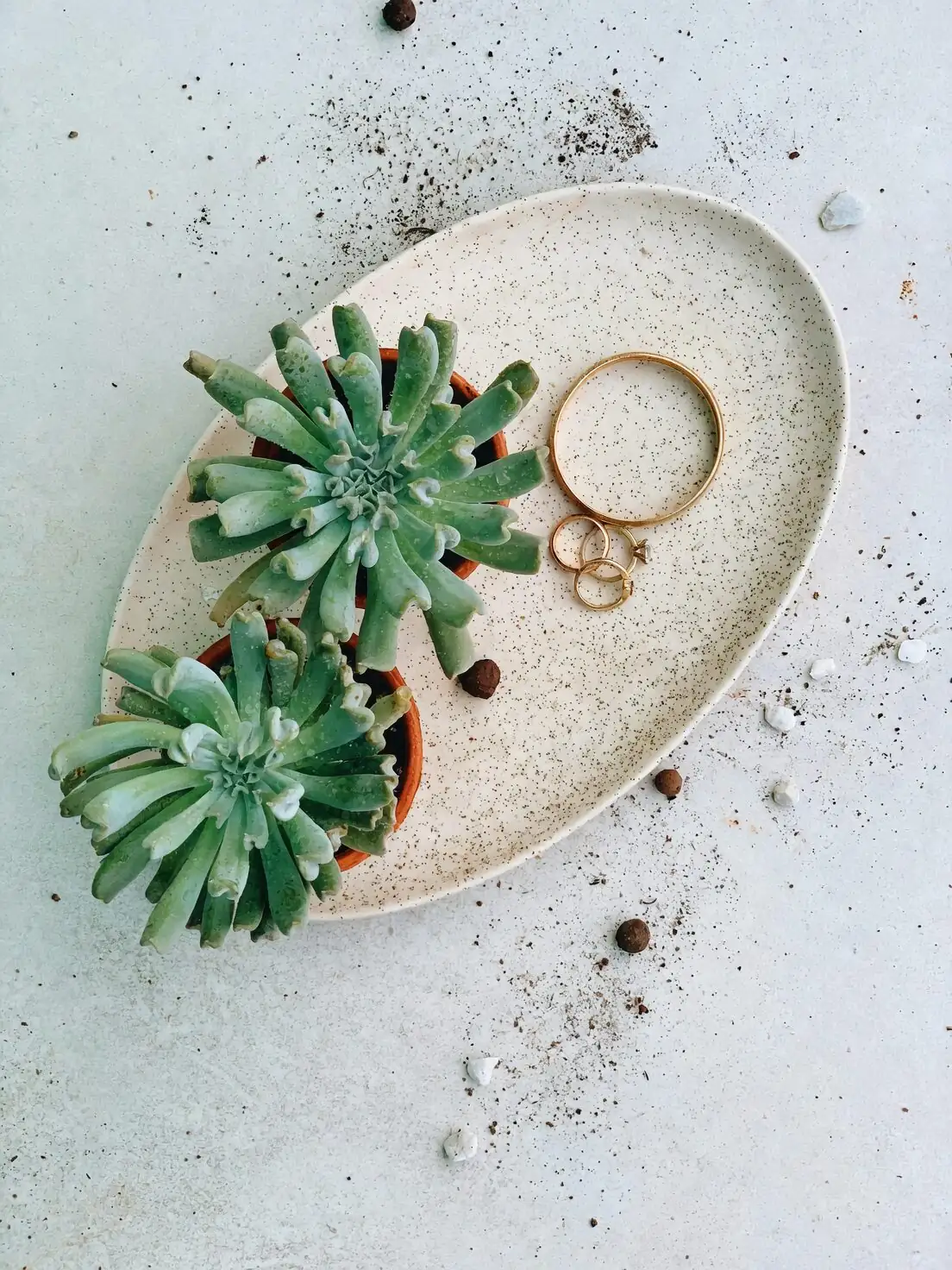
- Pair one plant with a minimalist ceramic pot and a short note: “Resilient heart, balanced days.”
- Arrange three rosettes in a shallow dish garden for harmony (three reads as balanced and auspicious in many design traditions).
- Add a gravel topdress for a modern, lotus-on-stone look.
Practical etiquette:
- Include a bright-light care card (it’s happiest on a sunny windowsill).
- Generally non-toxic; still, keep nibbling pets and small children from chewing the leaves.
Feng shui–friendly placement ideas (that also please the plant)
Succulents are often used in feng shui for their steady, protective energy and prosperity symbolism. Meililian, with its soft geometry and balanced rosette, is especially easy to place.
Best spots—aligned with energy and horticulture:
- Sun-kissed entrance console: Near a bright foyer window, it offers a resilient “welcome” and a grounded first impression. (Avoid dim entries; it needs strong light.)
- Southeast (wealth corner): On a sunny shelf, its enduring growth can stand in for long-term abundance.
- West or south-facing window: Great for creativity (west) or vitality (south)—and ideal light for deep leaf color and flowers.
- Work desk, left side (the supportive “Green Dragon” side in some feng shui schools): Encourages calm focus and steady momentum.
- Meditation or reading nook: A single, centered rosette anchors attention and breath—just keep it in bright partial sun.

What to skip:
- Bathrooms (too humid and often low light).
- Dark corners (poor energy and poor plant health).
- Drafty, freezing windows in winter (it’s frost-tender).
Feng shui maintenance:
- Keep the rosette clean, remove spent flower stalks, and avoid clutter around the pot—visual order supports energetic clarity.
Bloom magic and what it says
When Meililian flowers, the effect is wonderfully airy: tall, branched wands crowned with clusters of pink-to-red, star-shaped blooms. It feels like a “quiet type” stepping into spotlight—another reason it’s linked with inner potential and unexpected delight. Strong light helps produce those spring-to-early-summer fireworks.
Care snapshot: simple routines, meaningful returns
Light
- Full sun to bright partial sun. Acclimate gradually to avoid sun scorch.
- More light = deeper leaf color and better flowering.
Water
- Soak thoroughly, then let the mix dry out completely before the next drink.
- Spring–autumn: water only after full dry-down.
- Winter: very sparing—just prevent extreme shriveling.
- Don’t leave water sitting in the rosette.
Soil and pot
- Very fast-draining cactus/succulent mix.
- Amend regular potting soil heavily with grit, pumice, or coarse sand if needed.
- Use a small pot (about 4–5 in wide) with drainage holes.
Temperature and humidity
- Prefers 10–27°C (50–81°F). Keep warm and bright in growth; cooler and drier in winter.
- Low humidity is ideal; ensure good airflow.
- Frost-tender (best outdoors year-round only in USDA Zones 10–11).
Feeding and grooming
- Feed 2–3 times from spring to autumn with a balanced liquid fertilizer at 1/2 strength or a low-nitrogen succulent formula.
- No feeding in winter.
- Snip off spent flower stalks after blooming.
Propagation and repotting
- Leaf cuttings or offsets (if produced). Let cut edges callus before setting on dry, gritty mix; water lightly after roots form.
- Repot every 2–3 years or when root-bound.
Pests and pitfalls
- Watch for mealybugs and scale; dab with alcohol or use insecticidal soap.
- Overwatering and dense soil cause root rot—err on the dry, gritty side.
Safety
- Generally considered non-toxic; sap may mildly irritate sensitive skin.
Buying and styling tips
- Choose a firm, symmetrical rosette with tightly arranged leaves; avoid mushy bases, black spots, or visible mealybugs.
- Style with:
- Pale or charcoal ceramic to echo its gray leaves.
- A shallow bowl for a “lotus on stone” vignette.
- Mixed succulent arrangements—Meililian is a quiet anchor that sets off more colorful companions.
Quick Q&A
- Why are my leaves turning soft or dropping from the bottom?
- A few lower leaves shedding is normal. Widespread softness or sudden drop points to overwatering or poor drainage. Let the soil dry fully, improve airflow, and repot into a grittier mix if needed.
- How can I get better color and flowers?
- Increase light gradually to bright sun/very bright conditions, stick to a soak-and-dry schedule, and avoid heavy fertilizer. Strong light is the biggest driver of deeper leaf color and reliable blooming.
—
In short, Echeveria “Meililian” blends a lotus-like calm with succulent stamina. As a gift, it whispers “I’m here for the long run.” In a room, it gathers the light, centers the eye, and—when the season turns—sets off tiny red-pink starbursts that feel like joy released.