

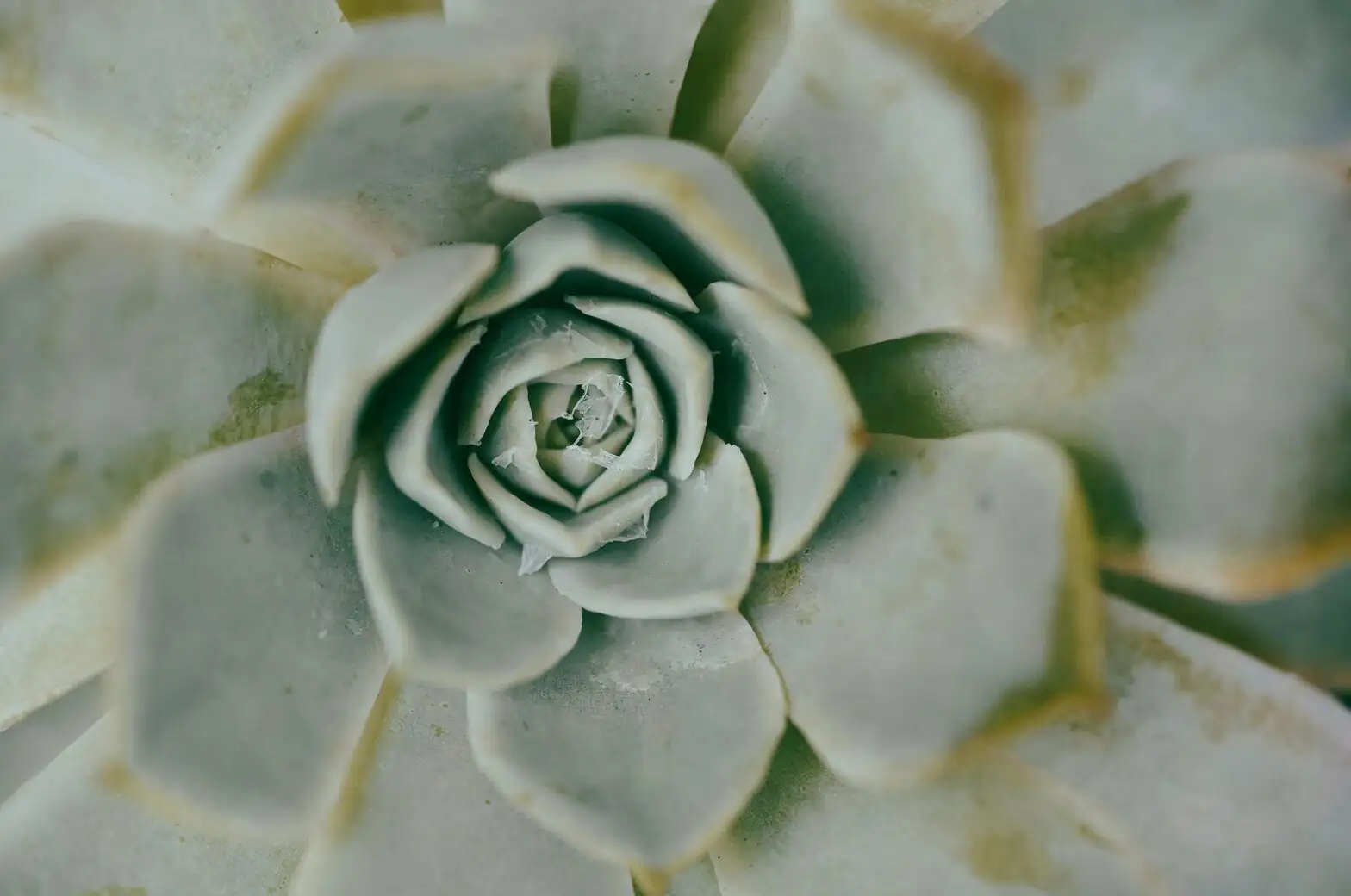
Imagine a perfect, palm-sized rosette polished in soft gray—then one day it launches pink-to-red “fireworks” on tall branching stalks. That’s Echeveria ‘Meililian’ (美丽莲): compact, tidy, slow-growing, and at its most dramatic when you treat it to bright light, a smart soak-and-dry watering rhythm, and a cool-dry winter rest. Here’s your step-by-step, season-by-season guide to keep those leaves tight, gray tones deep, and blooms coming—without ever drowning the rosette.
Meet ‘Meililian’ at a Glance
- What it is: An ornamental Echeveria (family Crassulaceae), cultivated origin; the genus is native mainly to Mexico and Central America. Sometimes marketed as “Beautiful Echeveria” or “Black Prince-type” Echeveria.
- Look and size: A neat, symmetrical rosette of thick, gray to dark-gray leaves with paler margins, about 6 × 4 in (15 × 10 cm) H × W. Slow-growing and compact.
- Bloom: Spring to early summer, with airy, branched stalks bearing bright pink-to-red, star-shaped flowers—the effect is like little fireworks floating above the plant.
- Preferred conditions:
- Light: Full sun to bright partial sun (acclimate gradually).
- Temperature: 50–81°F (10–27°C); keep cooler and much drier in winter.
- Humidity: Low, with good airflow.
- Soil: Very fast-draining succulent/cactus mix.
- Hardiness: Frost-tender; outdoors year-round only in USDA Zones 10–11.
Pro tip: Stronger light deepens the gray leaf tones and boosts flowering—but ease into it to avoid scorch.
The Light Game: How to Safely Deepen Those Gray Tones
Light is your paintbrush here. To coax deeper gray (sometimes even smoky, dark-gray edges), build up sun exposure slowly.
A simple two- to three-week acclimation plan
- Days 1–4: Bright indirect light plus 1–2 hours of gentle morning sun.
- Days 5–10: 3–4 hours of morning sun; avoid harsh midday beams at first.
- Days 11–14: Half-day sun or bright partial sun. If leaves stay firm and color improves, you can try longer sun windows.
- Always watch for warning signs: pale patches turning tan/brown (sunburn), sudden softness, or curling. Dial back if you see them.
Indoors, a south- or west-facing windowsill is prime real estate. Rotate the pot weekly for an even, symmetrical rosette.
Water Like a Pro: Soak-and-Dry—And Never in the Rosette
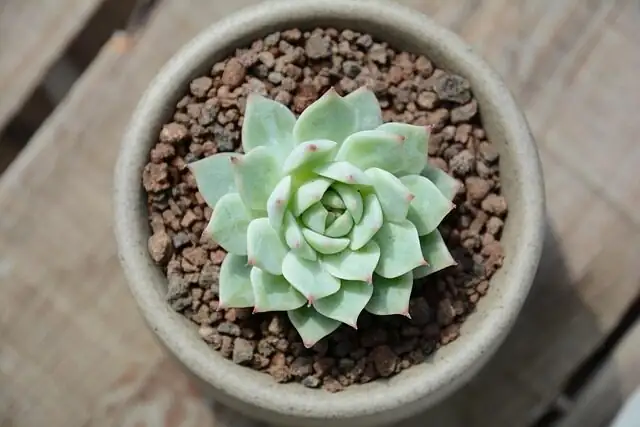
‘Meililian’ thrives on deep drinks followed by a full, honest dry-down.
- The method:
- Water thoroughly until it drains from the holes.
- Then wait—don’t water again until the mix is fully dry throughout. Check by:
- Feeling through the drainage hole, or
- Using a wooden skewer; if it comes out dry and clean, it’s time.
- Seasonal shift:
- Spring–autumn: Soak-and-dry on repeat.
- Winter: Much sparser watering—just enough to prevent extreme shriveling.
- The big rule: Never leave water in the rosette. Water trapped among those tightly packed leaves can rot the crown (the growth center) and invite fungal problems—especially in cool weather. If a splash lands in the rosette, tip the plant to drain it or wick it out with the corner of a paper towel. Bottom-watering is fine if you allow the pot to drain completely and the crown stays dry.
Potting Mix and Pot Choice
Fast drainage is non-negotiable.
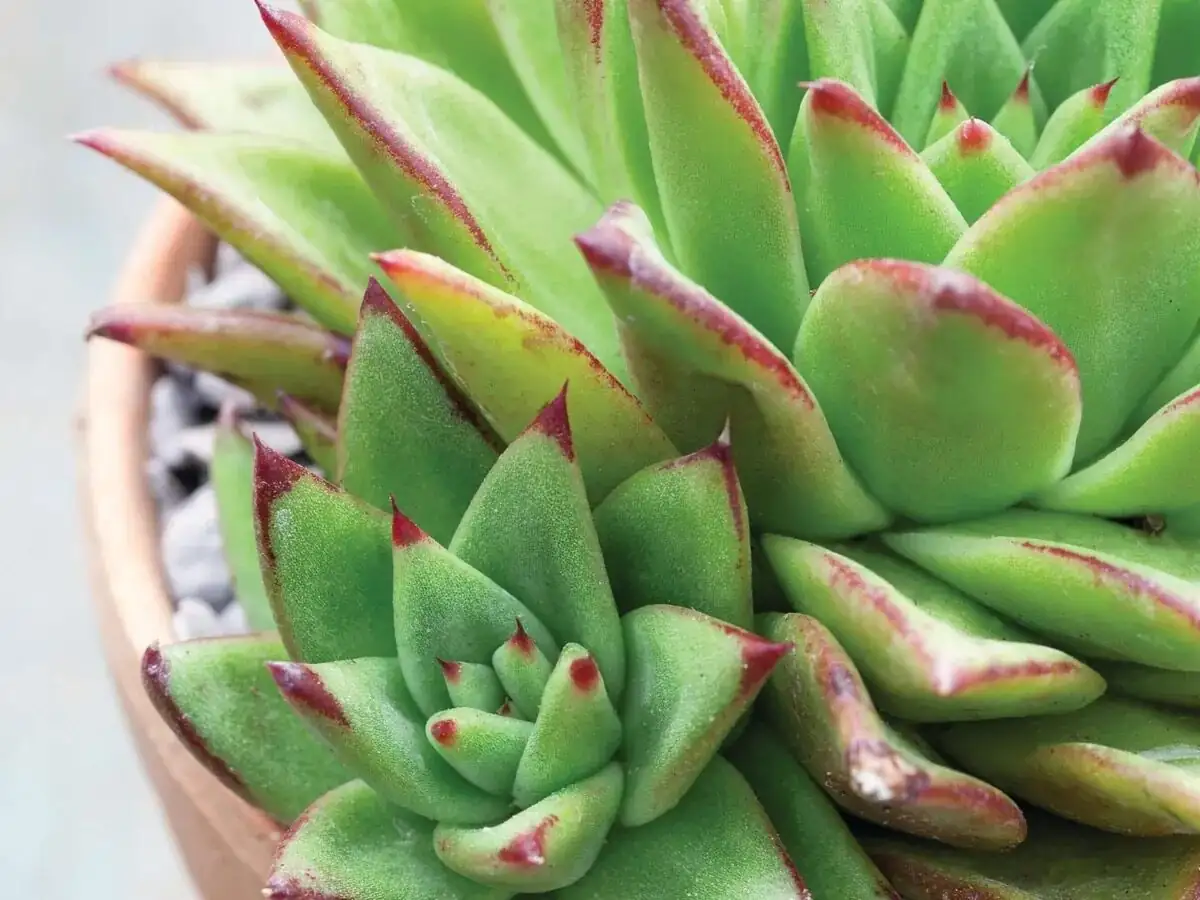
- Use a gritty succulent/cactus mix or amend standard potting soil heavily with pumice, grit, or coarse sand.
- Handy DIY idea: roughly equal parts high-quality potting soil, pumice/perlite, and coarse sand/grit.
- Pot: A small pot (4–5 in wide) with drainage holes maintains tighter rosettes and dries faster.
- Top-dress with gravel to keep leaves clean and dry at the soil line.
- Repot only when root-bound (about every 2–3 years). Handle roots gently and avoid watering for a few days after repotting to let any bumps callus.
Feeding for Strength (Not Flop)
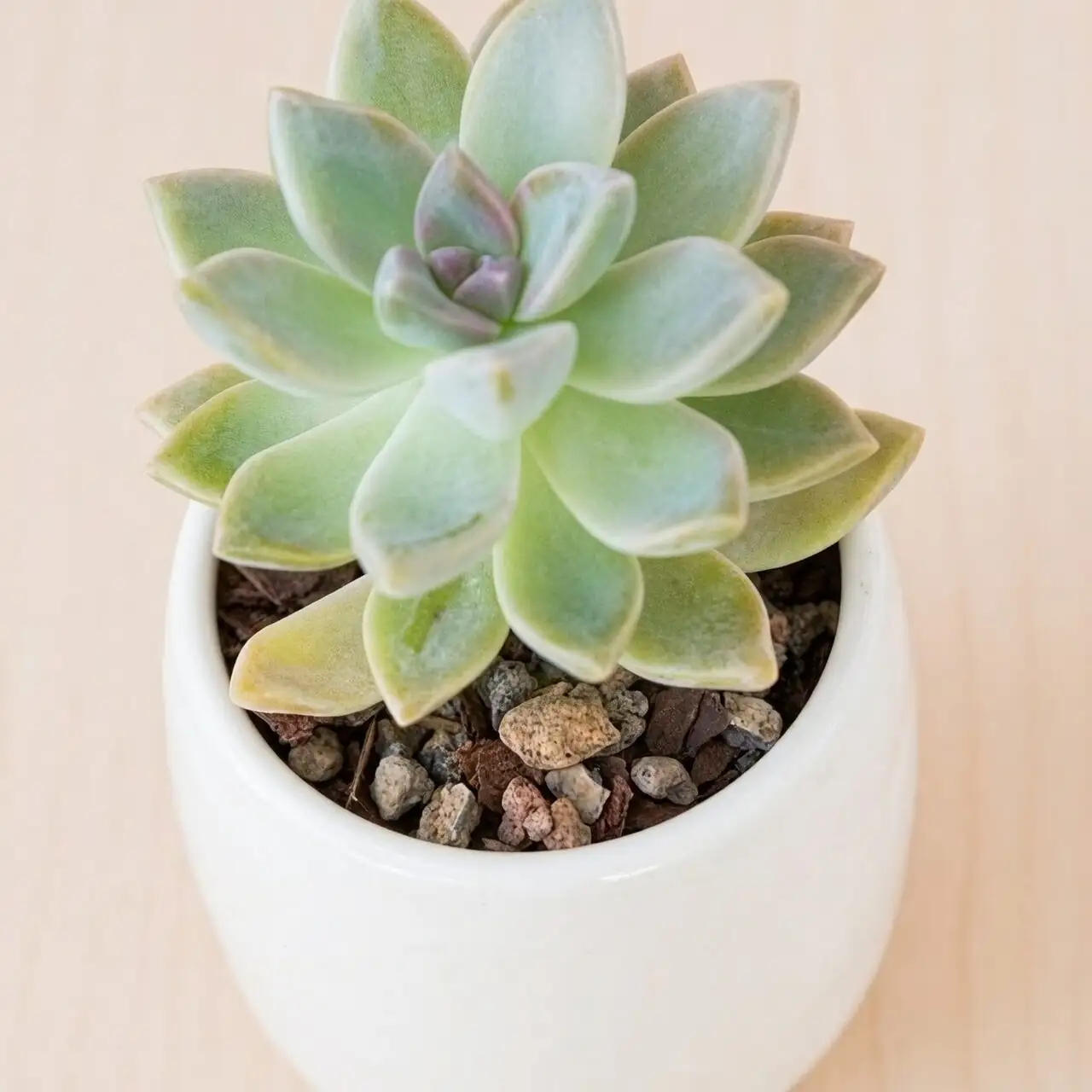
During active growth (spring to autumn), feed 2–3 times with a balanced liquid fertilizer at 1/2 strength or a low-nitrogen succulent fertilizer. Skip feeding in winter.
Season-by-Season Playbook
Spring: Wake-up and Shape-up
- Light: Start your light-acclimation plan now to deepen color for the coming bloom.
- Water: Resume steady soak-and-dry as days lengthen.
- Feeding: First light feed of the year.
- Grooming: Gently remove any dead bottom leaves (a pest hideout).
- Repot: Do it now only if root-bound.
- Bloom watch: Buds form on rising stalks—enjoy the show!
Summer: Color, Compactness, and Airflow
- Light: Full sun to bright partial sun after proper hardening off. Provide light midday shade during heat waves if leaves feel hot to the touch.
- Water: Still soak-and-dry, but don’t get tempted to water “just because it’s hot.” The soil must dry first.
- Air: Good airflow reduces rot and discourages pests.
- Blooming: Snip spent flower stalks to keep energy focused on the rosette’s form.
Autumn: Slow the Flow
- Light: Keep bright light going to maintain leaf color as days shorten.
- Water: Lengthen the dry intervals between waterings.
- Feeding: One last light feed early in the season, then stop.
- Transition: If you grew it outdoors, bring it in before nights flirt with frost; acclimate to indoor light over a week.
Winter: Cool, Bright, and Dry
- Temperature: Aim for a cool, bright perch—ideally 50–60°F (10–15°C).
- Light: Maximum brightness indoors; a south window is best.
- Water: Very sparingly. You’re preventing extreme shriveling, not “keeping it moist.”
- No fertilizer. No misting. Keep the rosette bone-dry.
Bloom and Aftercare
Expect tall, branched stalks with clusters of vivid pink-to-red, starry flowers in spring to early summer. When flowering finishes, cut stalks at the base so the rosette stays tidy and energy returns to leaf growth.
Propagation: Multiply the Beauty
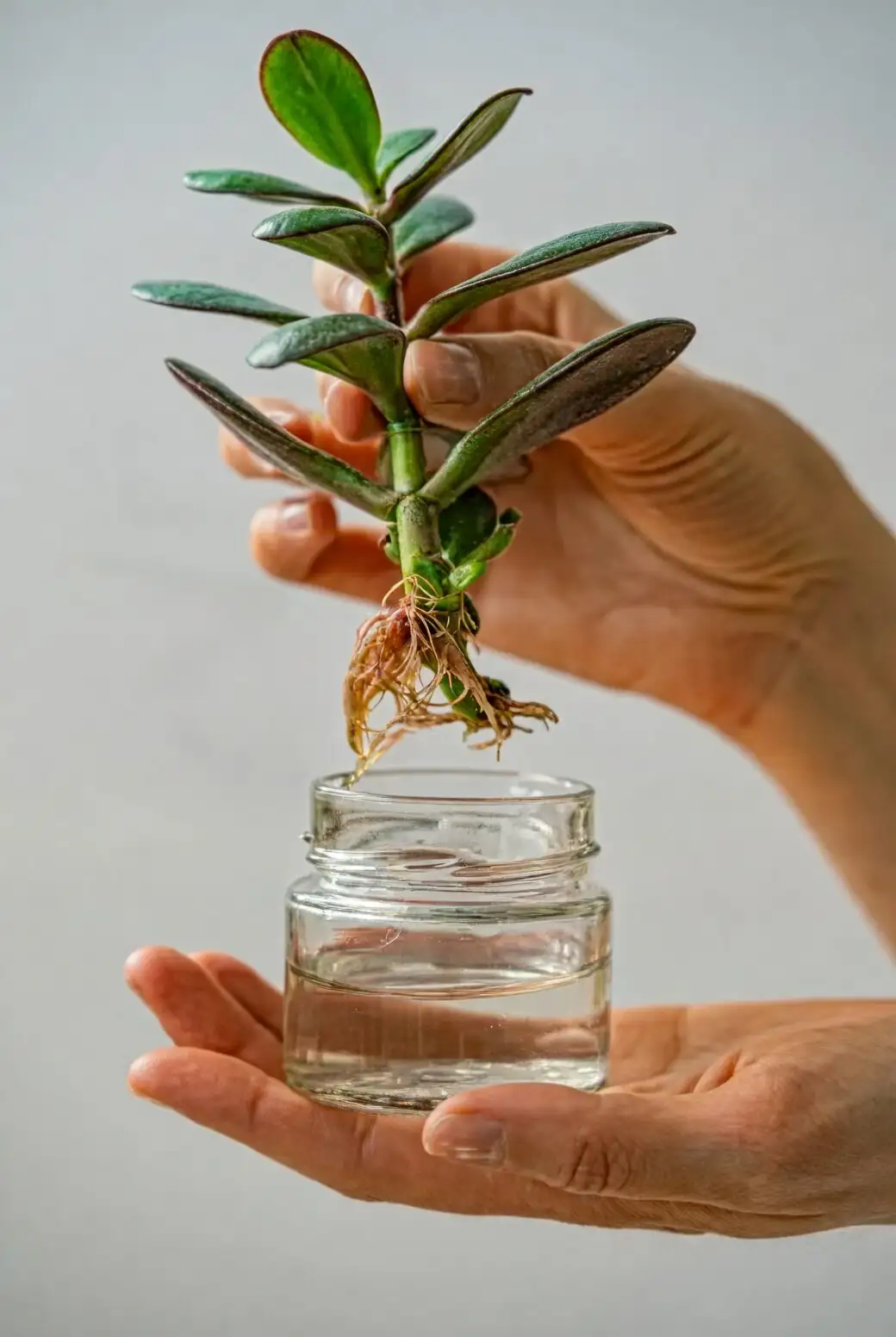
- Leaf cuttings: Gently twist off a healthy leaf, let the cut end callus for several days, then lay it on dry, fast-draining mix. Wait to water lightly only after tiny roots or plantlets appear.
- Offsets: If present, separate and let the cut callus before potting in a gritty mix.
Troubleshooting: Quick Diagnoses and Fixes
- Soft, mushy leaves or sudden lower-leaf drop:
- Likely overwatering or dense, waterlogged soil.
- Action: Let the mix dry fully, improve airflow, and repot into a grittier mix if needed.
- Pale, stretched rosette (leaves spacing out):
- Not enough light. Move to a brighter spot and acclimate to some direct sun.
- Brown patches with a bleached halo:
- Sun scorch. Pull back to gentler light and resume gradual acclimation.
- Pests (mealybugs, scale):
- Dab with cotton swabs dipped in isopropyl alcohol or use an appropriate insecticidal soap. Isolate until clear. Prevent with good airflow and dry leaf bases.
Where to Place It
- Indoors: The brightest windowsill you have—south or west is perfect.
- Outdoors (Zones 10–11): Sunny, warm spot with drainage and airflow; protect from frost.
- Mixed displays: Pairs beautifully in dish gardens and small arrangements thanks to its compact rosette and showy bloom stalks.
Buying Guide: Choose a Winner
- Look for: A firm, symmetrical rosette with tightly layered leaves.
- Avoid: Black spots, mushy or soft bases, or any visible pests (especially mealybugs hiding in the leaf axils).
Safety, Uses, and a Little Lore
- Toxicity: Generally considered non-toxic, though sap can mildly irritate sensitive skin. Keep curious pets and children from nibbling.
- Best use: A star in bright windows, small pots, and succulent groupings where its tidy geometry and airy blooms stand out.
- Symbolism (flower language): Echeverias are often associated with resilience and calm balance—the rosette is simple at first glance, yet the plant endures drought and then surprises with spectacular blooms. This modern “flower language” likely stems from the plant’s capacity to thrive on little, then reward patience with dramatic color and form.
Fun Facts
- Those bloom stalks can tower several times higher than the rosette, creating a floating-bouquet effect.
- Strong light often deepens leaf color right before flowering—your best gray may arrive just as the fireworks begin.
Quick FAQ
- Why are my leaves turning soft or dropping from the bottom?
- A few old leaves shedding is normal. Widespread softness or sudden drop signals overwatering or poor drainage. Let the mix dry fully, improve airflow, and switch to a grittier succulent mix if needed.
- How can I get better color and flowers?
- Increase light gradually to bright sun or very bright indoor conditions, keep watering on a soak-and-dry rhythm, and avoid heavy fertilizer. Strong light is the primary driver of deeper leaf tones and reliable blooms.
The big takeaway: Brighten it up safely, water deeply then wait, keep winter cool and dry—and never, ever let water sit in that beautiful rosette. Do that, and ‘Meililian’ will stay compact, richly gray, and ready to launch its spring fireworks on cue.