

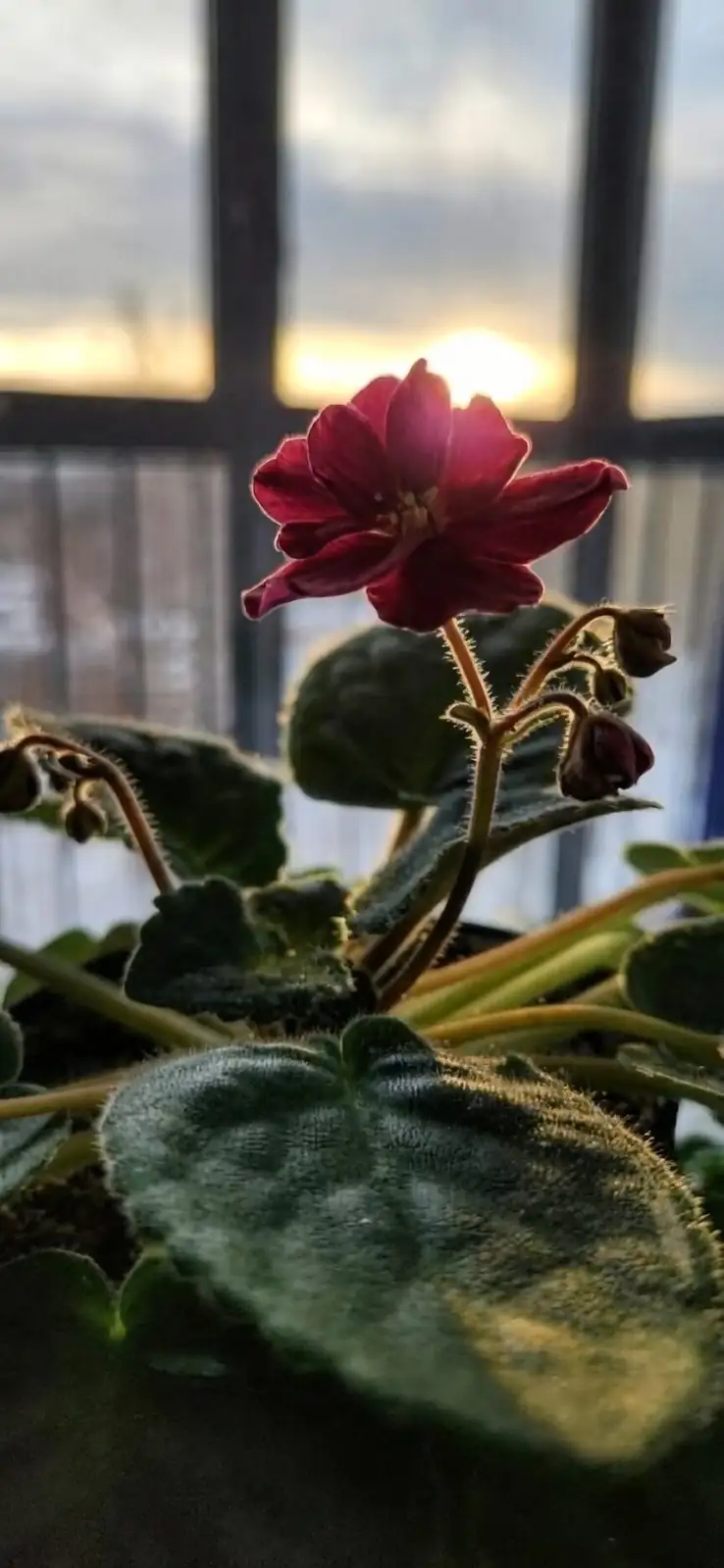
Meet Persian violet (Exacum affine): a compact, cool-season charmer that can smother itself in violet-to-lavender blooms with golden centers and a light fragrance. If yours has ever dropped buds overnight or gone papery at the petal edges, don’t blame your green thumb—blame the microclimate. A few small tweaks to light, humidity, and root temperature can turn this short-lived houseplant into a long, graceful performance.
Below, four practical microclimate tricks—pebble trays, plant clustering, sheer-curtain light, and double-potting—plus the care moves that make them sing.
Know your star: Exacum affine at a glance
- Origin: Native to Socotra Island (Yemen); grown worldwide as a pot plant
- Look: Dense, rounded mound of glossy green foliage; masses of violet-to-lavender flowers with bright yellow anthers; often lightly fragrant
- Size: Typically 15–30 cm (6–12 in) tall and wide
- Season: Peak bloom late winter through spring (longer if kept cool and bright)
- Temperament: Tender perennial often enjoyed as a short-lived indoor flowering plant
The bud-drop equation (and how to flip it)
Bud drop in Persian violet is usually a stress response. The big culprits:
- Letting the root ball dry out completely—even once can trigger rapid flower and bud shed
- Warm, dry indoor air (heating and summer AC both count)
- Strong midday sun that overheats leaves and shortens bloom life
Aim for:
- Light: Bright, indirect light or gentle morning sun; protect from harsh midday rays
- Temperature: Cool rooms, ideally 15–21°C (59–70°F)
- Humidity: Moderate to high indoors, especially during heating season
- Soil moisture: Evenly moist, never soggy; consistent is the keyword
Now, onto the microclimate toolkit.
Microclimate toolkit to stop bud drop and keep petals pristine
1) Pebble trays: tiny reservoirs that buffer dry air
A pebble tray creates a small “humidity halo” as water evaporates—simple, inexpensive, and especially helpful in winter-dry rooms.
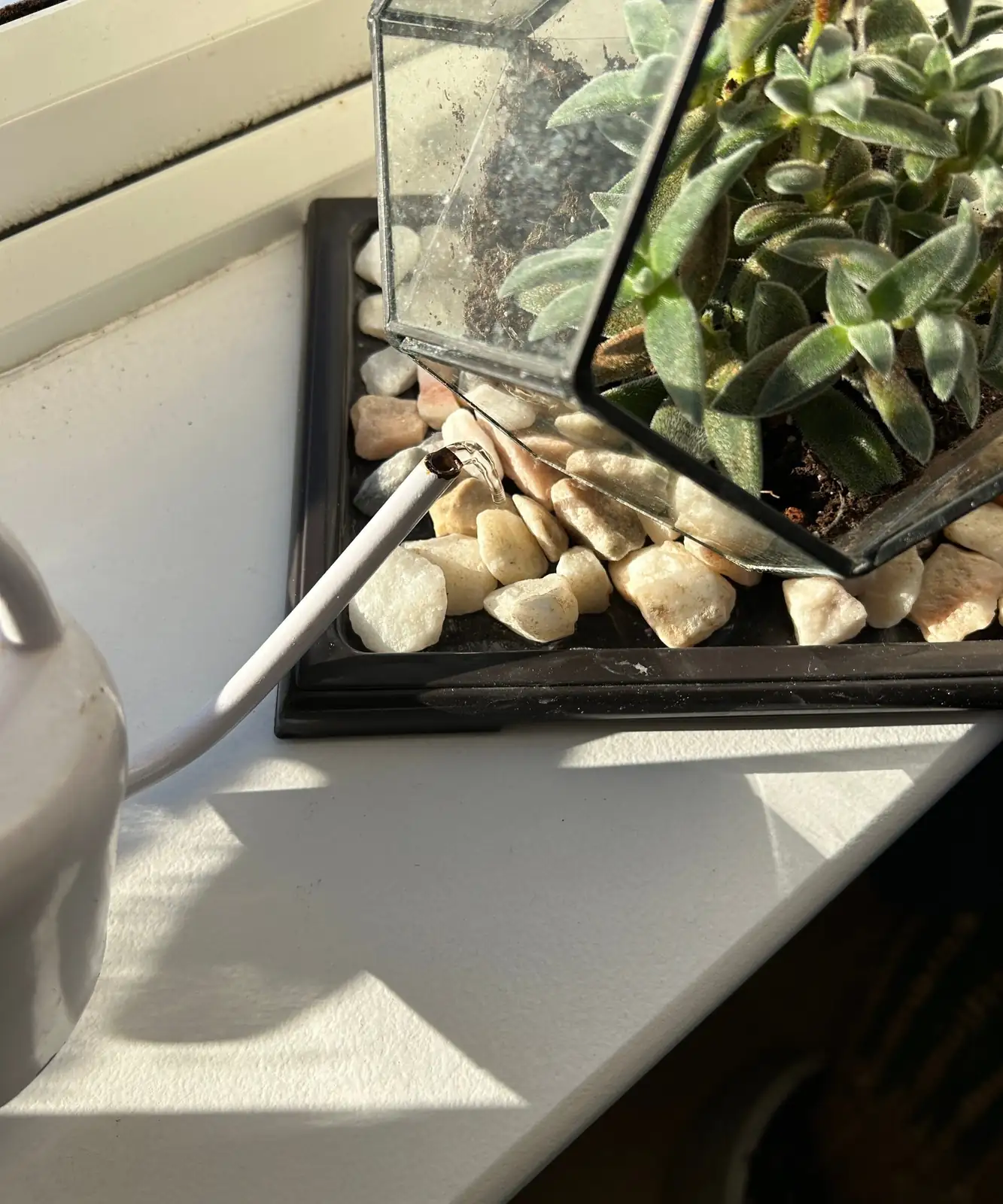
How to set it up:
- Choose a watertight, wide saucer or tray (avoid terracotta on wooden furniture; it can wick and stain).
- Fill with medium gravel or decorative pebbles.
- Add water so the pebble tops sit just above the waterline.
- Set the pot on the pebbles—never in standing water.
Pro tips:
- The wider the tray, the better the humidity boost; aim for a tray that extends at least 2.5 cm (1 in) beyond a small pot on all sides.
- Top up when nearly dry.
- For a bigger lift, combine the tray with plant clustering (below) or run a room humidifier nearby.
A quick reality check:
- Expect a gentle local increase, not rainforest conditions. Many growers still love pebble trays because they also keep pots from sitting in runoff and help smooth out daily humidity dips.
2) Plant clustering: let leaves share their “breath”
Grouping plants creates a small, shared microclimate with slightly higher humidity and more stable air. It’s an elegant hack that plays well with Persian violet’s love of humid air.
How to cluster:
- Group two to five plants within a hand’s breadth of each other, leaving a little space for airflow.
- Place your Persian violet at the edge of the group where light is brightest.
- Add a pebble tray under the cluster for a compounded effect.
Bonus moves:
- Bathrooms and kitchens often run more humid—great temporary “spa” locations if light is adequate.
3) Sheer-curtain light: bright, gentle, and petal-safe
Persian violet wants bright light without scorch—think an east- or north-facing window or a brighter window softened by sheers.
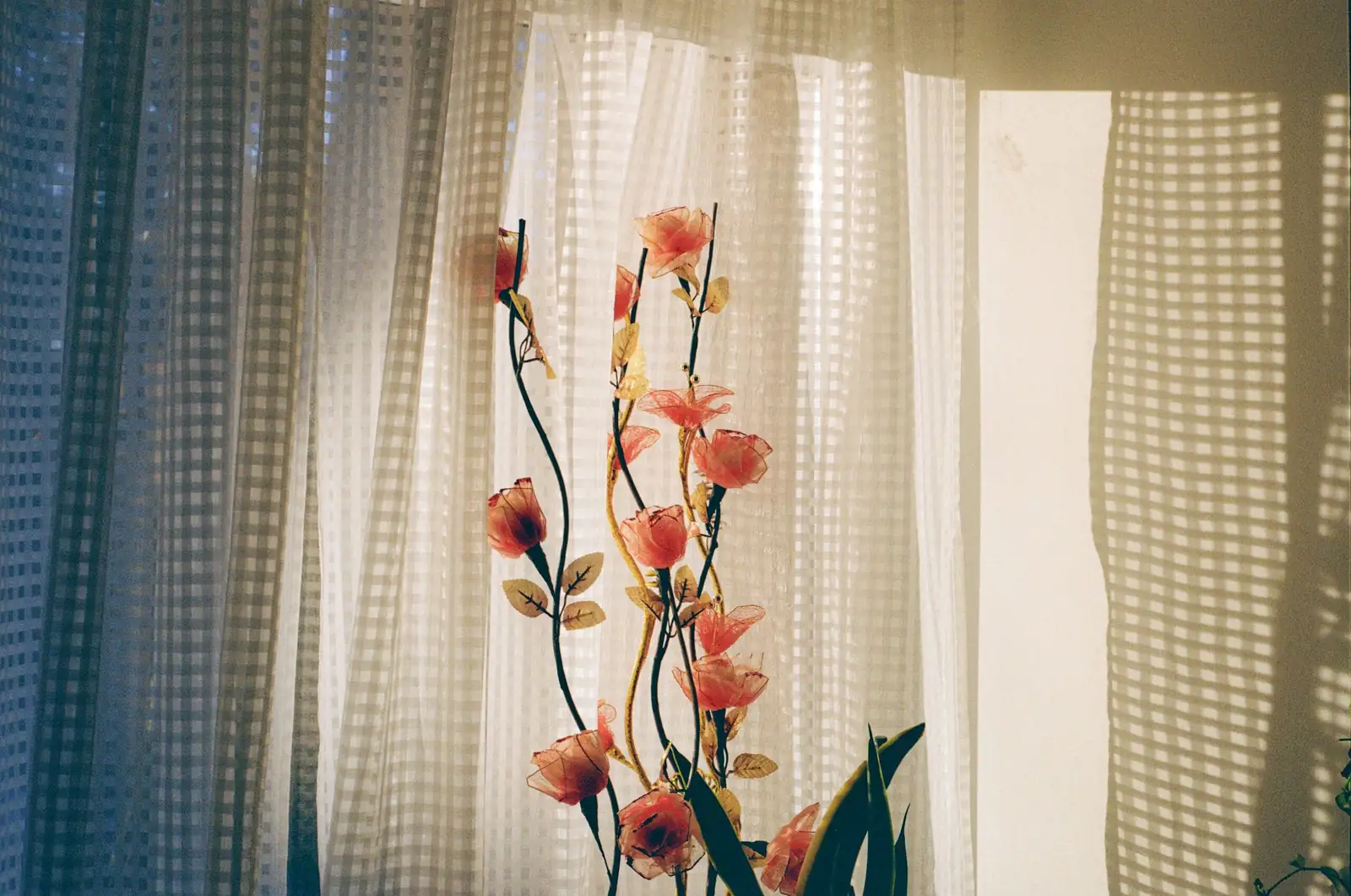
Set-up ideas:
- East window: Ideal morning sun, then bright shade.
- South or west window: Add a white sheer curtain to diffuse the harsh midday rays; place the plant close to the window but out of beam-hot spots.
- Hand-shadow test: Hold your hand between plant and window—soft, blurred shadows = good; crisp, dark shadows = too intense.
Maintenance:
- Rotate the pot a quarter turn each week for even flowering.
- Keep a small air gap between leaves and the glass; cold panes can chill buds at night in winter and hot glass can dry petals by day.
4) Double-potting (cachepot system): cooler roots, steadier moisture
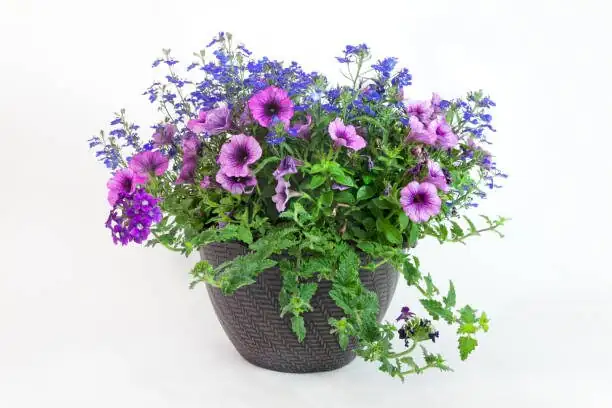
Double-potting tucks your plastic nursery pot inside a decorative cachepot, adding insulation and stability. Done right, it keeps roots cooler, moisture steadier, and humidity slightly higher.
How to do it:
- Keep your plant in its nursery pot (with drainage holes).
- Place it inside a slightly larger, watertight cachepot.
- Add a layer of pebbles or LECA in the cachepot to elevate the inner pot above any excess water.
- After watering, let the nursery pot drain, then return it to the cachepot. A small amount of residual water below the pebbles can evaporate harmlessly, boosting local humidity.
Why it helps:
- Insulation reduces temperature swings at the root zone—key to preventing bud stress.
- You avoid waterlogging (a fast track to root rot) while still benefiting from gentle, evaporative moisture.
Watering and feeding that support your microclimate
- Even moisture is non-negotiable: Water gently when the top centimeter (about 1/2 inch) of mix feels slightly dry. Don’t let the root ball go bone-dry.
- Drain completely: Never let the pot sit in water. If using a cachepot, keep the inner pot above any residual waterline.
- Light, regular feeding: While in bloom, feed every 2–3 weeks with a diluted, balanced liquid fertilizer.
- Temperature check: If your room is >21°C (70°F), water needs can spike and flowers fade faster—lean on double-potting and humidity tricks to keep stress down.
Petal-care PSA:
- Skip misting the flowers. Water droplets on delicate petals can spot, tear, or shorten bloom life. If you mist nearby foliage, keep the spray fine and away from the blooms.
Petal-perfect housekeeping
- Deadhead often: Pinch or snip spent flowers to channel energy into new buds and keep the dome tidy.
- Gentle grooming: Dust leaves with a soft brush or damp cloth so they can photosynthesize at full power.
- Airflow matters: A light, steady room draft is fine; avoid heat blasts from radiators or vents.
Troubleshooting cheatsheet
- Buds yellowing and dropping fast
- Likely cause: Root ball dried out or room too warm
- Fix: Re-establish even moisture, move to a cooler bright spot, use pebble tray + sheers
- Petal edges browning or crisping
- Likely cause: Low humidity or hot sun
- Fix: Add cluster + pebble tray, diffuse light with sheers, avoid mist on petals
- Plant looks “stretched” with fewer flowers
- Likely cause: Insufficient light
- Fix: Brighter window with sheer-curtain diffusion; rotate weekly
- Limp growth, soggy mix
- Likely cause: Overwatering or poor drainage
- Fix: Let excess drain fully, use a light, well-draining mix, never park the pot in water
Calendar rhythm for Persian violet
- Late winter–spring: Peak bloom. Keep cool (15–21°C), bright, evenly moist; feed lightly every 2–3 weeks; deadhead to extend the show.
- Summer: Heat often shortens bloom and overall plant vigor. If temperatures climb, expect a natural decline.
- Autumn–winter: Commercial growers sow fresh seed for next season; home growers usually replace older plants for the best display.
Where to place it
- Indoors: A bright room near an east- or north-facing window is ideal; or use sheers on stronger exposures.
- Outdoors (mild, frost-free climates only): Bright shade or sheltered light. Bring inside before chills; it’s not frost tolerant.
Pests, health, and safety
- Watch for: Aphids, spider mites, and fungus gnats. Manage early with gentle, targeted methods and by keeping soil well-drained.
- Root rot risk: Overwatering + poor drainage = trouble. Lean on double-potting with a raised inner pot to avoid standing water.
- Toxicity: Not known to be toxic to humans or pets.
Flower language, symbolism, and a little history
Exacum affine entered European horticulture in the 19th century and quickly won hearts as a winter-to-spring gift plant. Its “language of flowers” associations—calmness, delicacy, refined beauty—track with its tidy dome of glossy leaves and serene, yellow-centered blooms. These meanings echo Victorian-era floriography, where color, form, and fragrance suggested character. While not a rigid, ancient code, the symbolism stuck because it fits the experience: a small, soothing burst of spring light when days are shortest.
Buying smart
- Choose compact plants with firm, glossy leaves and a tight cushion of growth.
- Look for lots of unopened buds for a longer show at home.
- Avoid specimens with yellowing foliage, stretched stems, or a bone-dry pot (a red flag for imminent bud drop).
Quick-start microclimate recipe (put it all together)
- Place by an east-facing window or behind a sheer on a brighter exposure.
- Group with 2–3 leafy companions over a wide pebble tray.
- Use a cachepot with a pebble riser to insulate roots and capture a bit of evaporative humidity.
- Water for even moisture and coolness, feed lightly in bloom, and deadhead often.
Do these small things consistently, and Exacum affine will repay you with weeks to months of fresh, fragrant color—buds intact, petals immaculate.