

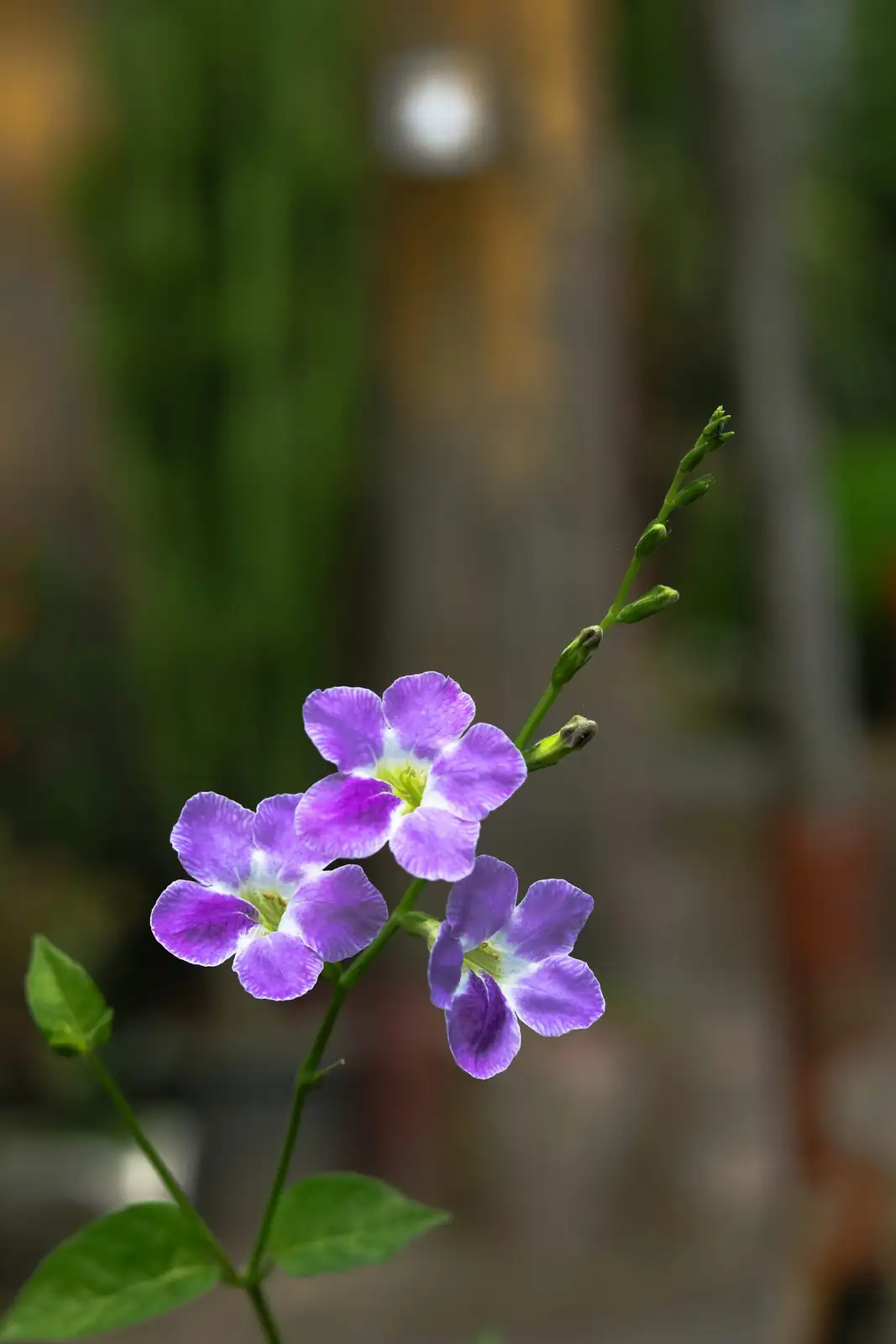
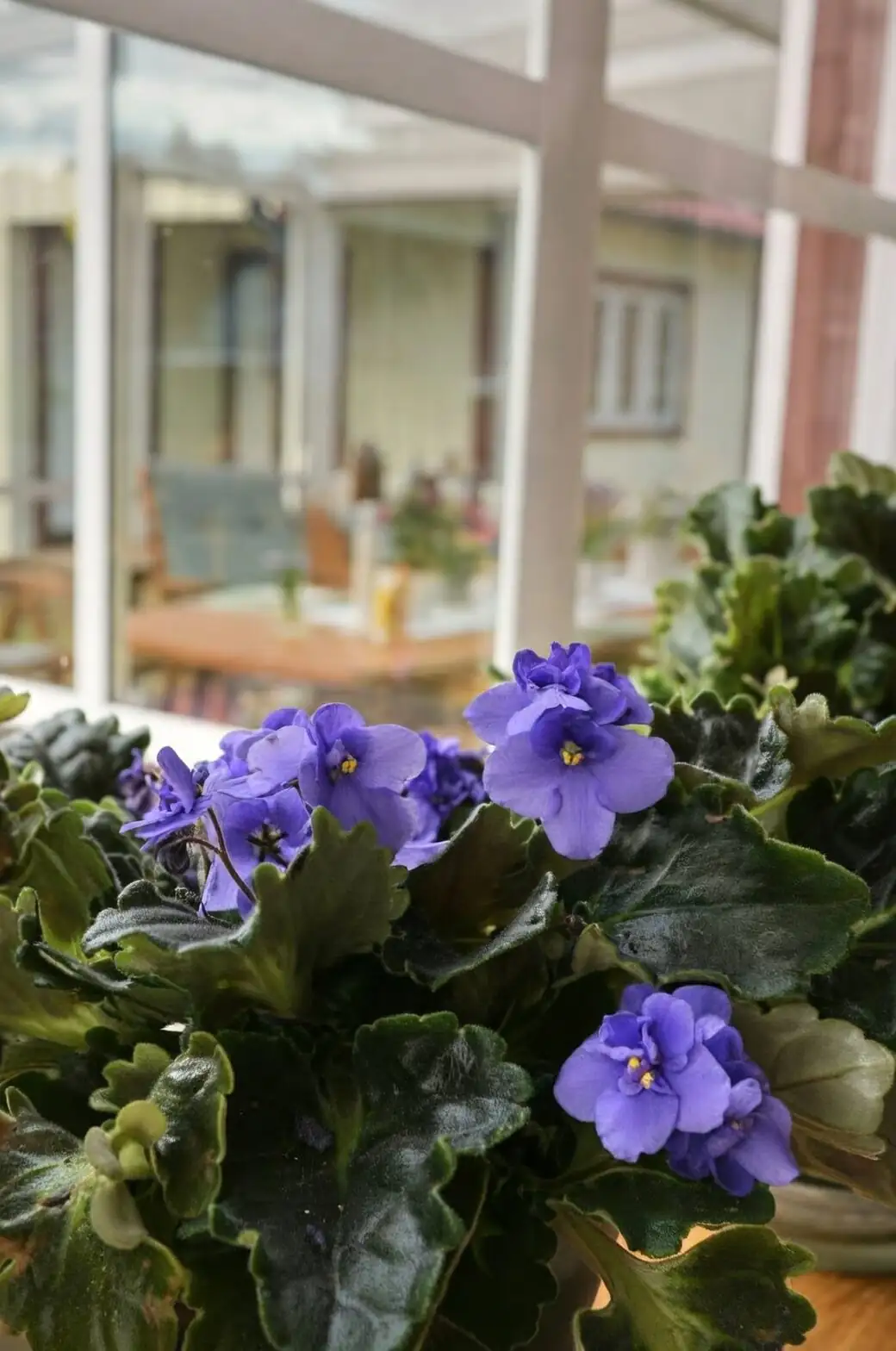
Picture a cool, bright nook where violet-blue stars float over glossy green leaves, their yellow centers glowing like candle flames. That’s Exacum affine—the Persian violet—at its best. And here’s the secret: it blooms longer and looks happier when you give it the right “housemates.” Think ferns, streptocarpus, and select peperomias that love bright shade and humid air. Curate the company, and you’ll create a microclimate that keeps those blooms going for weeks.
Meet Exacum affine: small plant, big presence
- A compact, mound-forming tender perennial most often grown as a short-lived flowering houseplant
- Height and spread: about 15–30 cm (6–12 in)
- Masses of violet-to-lavender, lightly fragrant flowers with cheerful yellow centers
- Loves bright indirect light, cool air (15–21°C / 59–70°F), and moderate to high humidity
- Enjoys even moisture (never bone-dry, never soggy)
- Non-toxic to people and pets
- Peak performance from late winter through spring; heat shortens bloom life
Pro tip: Keep the nursery pot! Slip it into a pretty cachepot rather than repotting while in bloom—disturbing the roots can trigger bud and flower drop.
The bright-shade club: compatible plant housemates
All the plants below share Persian violet’s taste for bright, indirect light and humid air. Group them in their own pots on a shared pebble tray, and you’ll raise the humidity without waterlogging anyone.
Ferns that play nice
- Maidenhair fern (Adiantum raddianum): Feather-light texture that flatters Persian violet’s rounded shape; appreciates evenly moist soil and humid air.
- Boston fern (Nephrolepis exaltata): Airy fronds amplify humidity through gentle transpiration.
- Bird’s nest fern (Asplenium nidus): Glossy, architectural leaves provide a bold foil for delicate blooms.
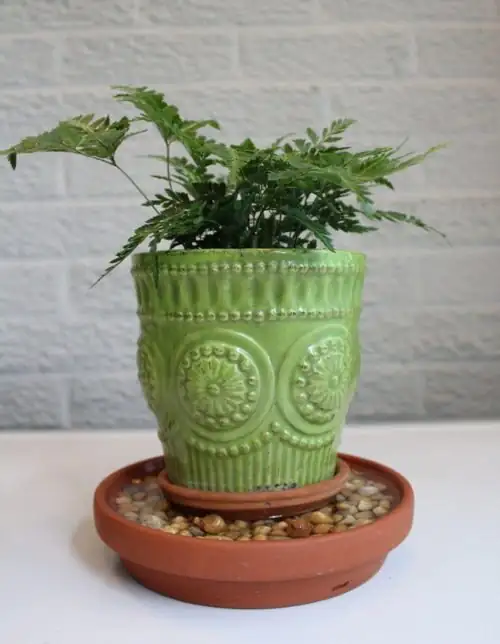
Why they work: Similar watering and humidity needs; all prefer gentle light and dislike hot, dry rooms.
Streptocarpus (Cape primrose)
- Loves bright shade and cooler rooms; blooms well in the same windows that suit Persian violet.
- Water from the rim of the pot or from below to keep leaves dry; allow just the top surface to lose its sheen between waterings.
Why it works: A fellow cool-season star that won’t push temperatures up. The pair makes a refined, long-blooming display.
Peperomias (choose the right ones)
- Peperomia caperata (Ripple peperomia) and P. obtusifolia (Baby rubber plant): Thrive in bright indirect light and moderate humidity.
- Water more sparingly than the violet; they prefer to dry slightly between waterings.
Why they work: They love the same light and tolerate the shared humidity, but go easy on water. Place peperomias at the drier edge of your humidity tray.
Other easy companions for a cool, humid vignette
- Selaginella (spikemoss): A living “green carpet” that loves humidity.
- Fittonia (nerve plant): Colorful foliage that thrives in bright shade with consistent moisture.
- Pilea involucrata or P. glauca: Soft, trailing textures for the display edge.
- Small prayer plants (Maranta) or compact calatheas: Beautiful foliage for the same light; keep them away from cold drafts.
Note: If you add cyclamen for a cool-season bloom buddy, keep its crown and leaves dry when watering, and be aware cyclamen is toxic to pets (while Persian violet is not).
Grouping that boosts bloom life
Make your arrangement work for the plant, not just the room.
The cool-bright recipe
- Placement: Near an east- or north-facing window with bright, indirect light. Shield from harsh midday sun.
- Temperature: Aim for 15–21°C (59–70°F). Heat shortens flowering and overall lifespan—move the group away from heaters, sunny sills at noon, and hot kitchens.
- Humidity: Set all pots on a wide pebble tray with water below the pot bases. Grouping raises ambient humidity naturally.
Moisture choreography (so no one sulks)
- Persian violet: Keep evenly moist. Letting the root ball dry out causes rapid flower drop.
- Ferns: Evenly moist, never waterlogged.
- Peperomias: Slightly drier—stage them on the outer edge of the tray or elevate them a centimeter on extra pebbles.
- Tools and tricks:
- Use a wick or capillary mat under the Persian violet to buffer against accidental dry-downs.
- Water gently at the soil line and let excess drain; never let pots sit in water.
Light, airflow, and gentle routines
- Light: Bright, indirect; a sheer curtain helps diffuse morning rays.
- Airflow: A small, distant fan on low prevents stale air and deters spider mites without chilling the plants.
- Grooming: Deadhead spent flowers regularly to keep the show going. Feed every 2–3 weeks with a diluted balanced liquid fertilizer during flowering. Rotate the cluster weekly for even growth.
Potting policy (the “hands-off while blooming” rule)
- Keep Persian violet in its nursery pot and slip it into a cachepot to dress it up.
- Soil: A light, fertile, well-draining mix that holds even moisture.
- Top-dress with fine grit to discourage fungus gnats, and let the top few millimeters dry between waterings.
Three foolproof compositions to try
1) North-window jewel box
- Center: Persian violet
- Sides: Maidenhair fern + Peperomia caperata
- Edge: Selaginella around the tray perimeter
- Care cadence: Water violet and fern when the top feels barely dry; peperomia when halfway dry. Mist the air, not the flowers.
2) Cool bathroom windowsill (with ventilation)
- Center: Persian violet
- Companions: Bird’s nest fern + Fittonia
- Base: Pebble tray spanning the ledge
- Tip: After hot showers, open the door or window to keep temperatures within the violet’s comfort zone.
3) Early-spring shelf near an east window
- Center: Persian violet
- Companions: Streptocarpus + Pilea glauca (trailing)
- Style: Low, long tray to unify the pots; a sheer curtain to soften direct rays.
Troubleshooting in a mixed group
- Buds dropping? Most often the root ball dried out or the plant got too warm. Rehydrate thoroughly, cool the location, and keep light bright but indirect.
- Flowers fading fast? High temperatures or direct midday sun are the usual culprits. Move a bit farther from the window and increase humidity.
- Fern fronds crisping? Air is too dry or you’re skipping waterings. Increase tray surface area and water more consistently.
- Peperomia leaves drooping? Likely overwatered due to the humid setup—shift it to the tray’s drier edge.
- Pests to watch: Aphids, spider mites, and fungus gnats. Rinse foliage gently, improve airflow, and use sticky traps or appropriate controls promptly.
Buying and timing the show
- Choose plants with plenty of unopened buds, firm glossy leaves, and no yellowing or wilting.
- Aim for a cool-season display: Persian violet shines from late winter into spring and can continue for months if kept cool and bright. Expect decline in summer heat; refresh the vignette with foliage stars if needed.
A note on symbolism (flower language)
Persian violet is often associated with calmness, delicacy, and refined beauty—fitting for a plant that brings a soft, fragrant “indoor spring.” Flower language is a cultural convention rather than a botanical fact; Victorian-era gift traditions and modern floristry likely shaped this gentle symbolism. In practice, gifting Persian violet says: slow down, breathe, and enjoy small, elegant moments.
Quick care recap for Persian violet in a group
- Light: Bright indirect or gentle morning sun; avoid harsh midday rays.
- Temperature: 15–21°C (59–70°F); keep away from heat sources.
- Humidity: Moderate to high; group on pebble trays.
- Water: Evenly moist, never soggy; don’t let the root ball dry out.
- Feeding: Every 2–3 weeks (diluted balanced liquid) while flowering.
- Grooming: Deadhead regularly; rotate weekly.
- Pests: Watch for aphids, spider mites, fungus gnats.
- Safety: Not known to be toxic to humans or pets.
Curate the right cast, and your Persian violet won’t just bloom—it will linger, glow, and make your cool, bright corner feel like a pocket of fresh spring air.