

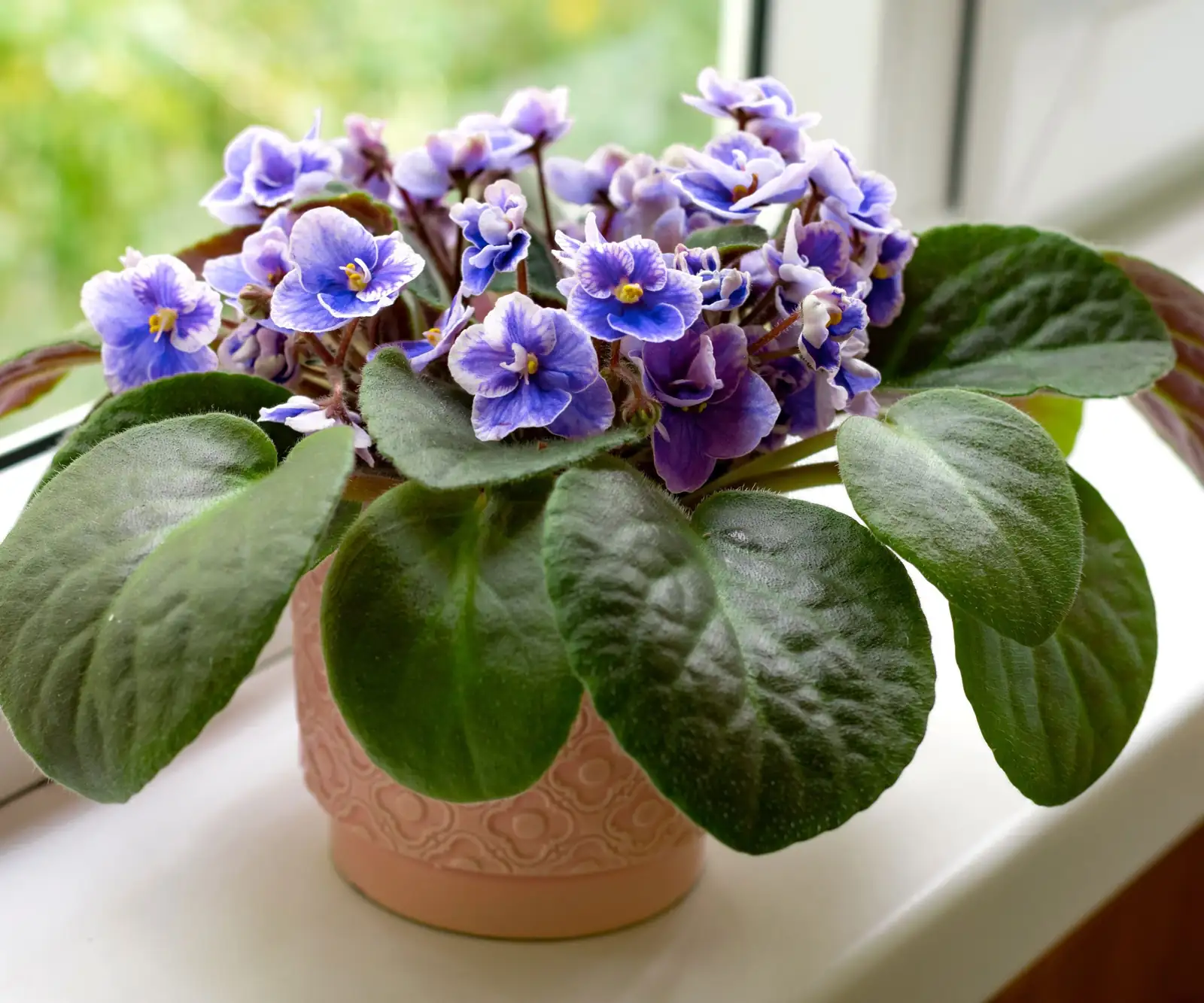
If your Persian violet (Exacum affine)—that tidy cushion of glossy leaves and violet-to-lavender blooms with sunny yellow centers—has turned sticky, speckled, or surrounded by tiny flying dots, don’t panic. Here’s a fast, pet-safe troubleshooting guide to stop aphids, spider mites, fungus gnats, and early root rot before they steal the show, plus a 10-minute weekly routine that keeps this cool-season charmer in peak bloom.
First, set the stage for success (this prevents most problems)
- Light: Bright indirect light or gentle morning sun (east or bright north window). Shield from harsh midday rays to avoid stress and short-lived blooms.
- Temperature: Cool is key—15–21°C (59–70°F). Heat shortens flowering and the plant’s lifespan.
- Humidity: Moderate to high humidity is welcome, especially during heating season.
- Watering: Keep soil evenly moist—never soggy, never bone-dry. Letting the root ball dry triggers bud and flower drop.
- Pot & soil: A small pot with drainage holes, and a light, fertile, well-draining mix that still holds even moisture (think quality indoor potting mix with a bit of perlite). Never let the pot sit in water.
Pet note: Persian violet is not known to be toxic to people or pets. The controls below are pet-friendly when used as directed.
—
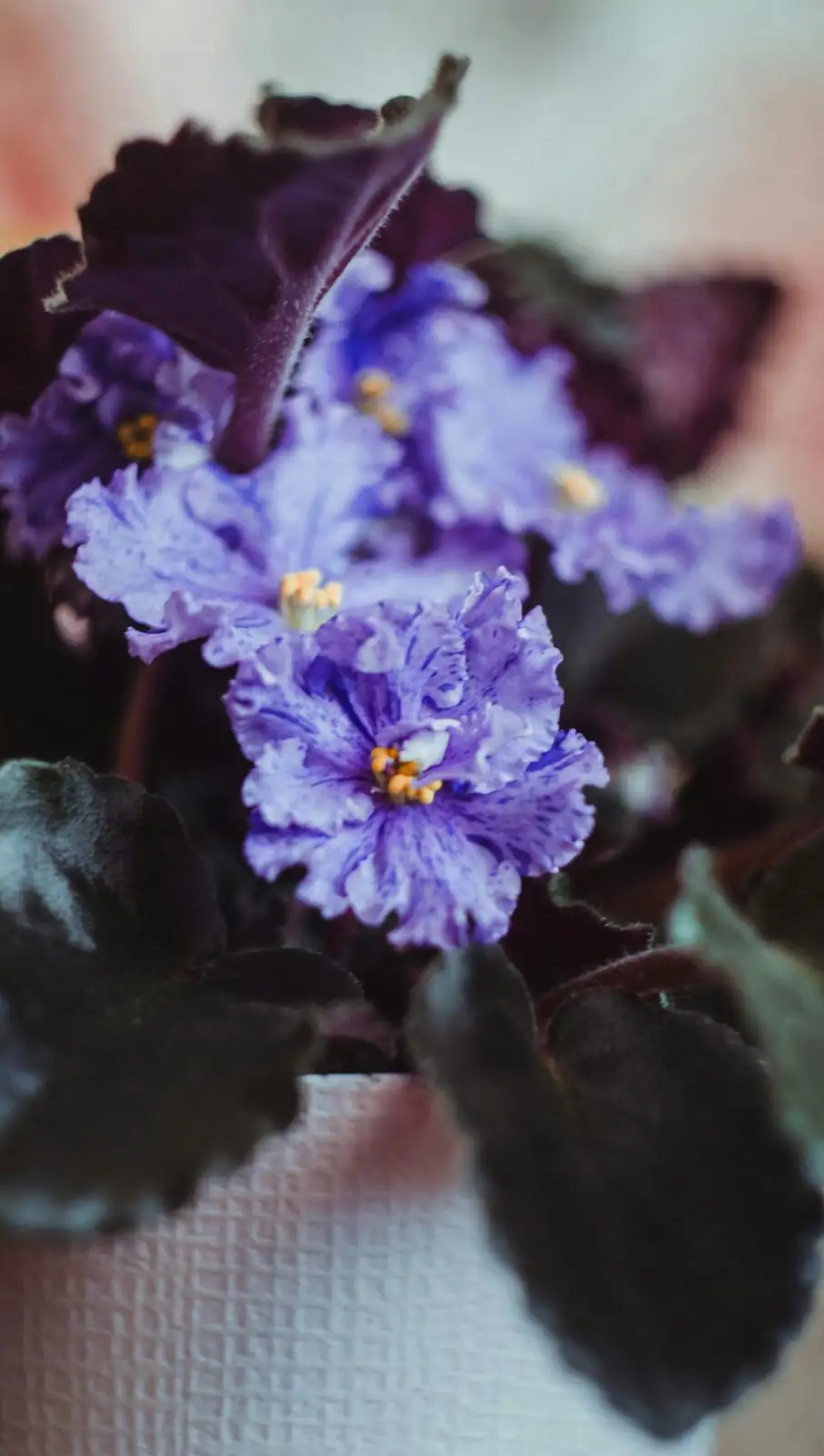
Aphids: sticky leaves and curled new growth
Quick ID
- Soft, pear-shaped insects on tender tips and undersides of leaves.
- Leaves curl, crinkle, or feel sticky from honeydew; may attract ants or develop sooty mold.
Fast, pet-safe fix (today)
- Rinse: Take the plant to the sink. With lukewarm water, gently but thoroughly wash tops and undersides of leaves.
- Spot-wash: Mix 2 teaspoons of mild liquid soap per gallon of water. Dampen a soft cloth and wipe aphids from leaves and stems; rinse with plain water after.
- Trap: Place a yellow sticky card nearby to monitor flying aphids.
Follow-up (48–72 hours)
- Spray with a ready-to-use insecticidal soap or a light horticultural oil (about 2% solution). Test-spray one leaf first and treat in the evening; avoid high heat or direct sun on treatment days. Rinse off residue after 4–6 hours if blooms are delicate.
Keep them gone
- Isolate new plants for 1–2 weeks and inspect buds and undersides.
- Deadhead promptly—aphids love tender tissues.
—
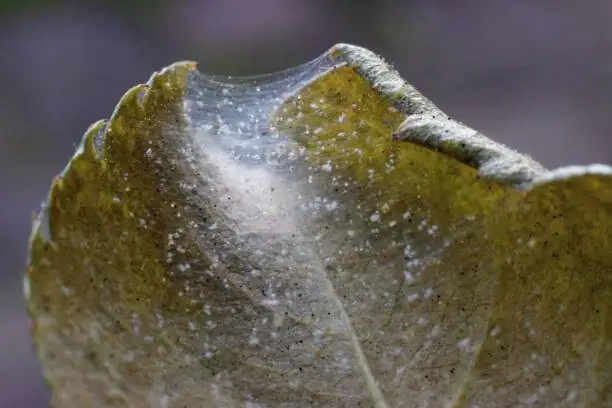
Spider mites: tiny speckles and webbing
Quick ID
- Fine stippling/bronzing on leaves, sometimes faint webbing. Leaves may look dull, dusty, and tired.
- Thrives in hot, dry air.
Fast, pet-safe fix (today)
- Rinse + wipe: Shower foliage gently, then wipe leaf undersides with the same mild soapy water (2 tsp per gallon). Rinse with clear water.
- Boost humidity: Place the pot on a pebble tray with water (pot above waterline). Keep the room on the cool side—mites hate cool, moist air.
Follow-up (every 3–5 days for 2–3 rounds)
- Insecticidal soap or a 2% horticultural oil spray. Test first, treat in the evening, and avoid heat.
- Heavy infestations? Consider releasing predatory mites (e.g., Phytoseiulus persimilis) for a targeted, pet-safe biocontrol in greenhouses or dedicated plant rooms.
Keep them gone
- Avoid hot windowsills and dry air.
- Clean the foliage regularly to remove dust (mites love dusty leaves).
- Quarantine and check new plants.
—
Fungus gnats: tiny fliers that lift off when you water
Quick ID
- Small, mosquito-like adults hovering near soil; larvae feed in moist potting mix.
- Often appear when soil stays wet or saucers hold water.
Fast, pet-safe fix (today)
- Dry the top, not the root ball: Let just the top 1–2 cm (½ inch) of soil dry before the next watering. Keep the core evenly moist to protect blooms.
- Sticky traps: Place yellow sticky cards at soil level to reduce adult populations.
- Surface barrier: Top-dress with a thin layer (0.5–1 cm) of horticultural sand or fine aquarium gravel to deter egg-laying.

Follow-up (weekly for 2–3 weeks)
- BTI (Bacillus thuringiensis israelensis; “Mosquito Bits”): Soak bits in water as directed and use that water for irrigating—targets larvae, pet-safe when used as labeled.
- Beneficial nematodes (Steinernema feltiae): Water into the soil as directed; harmless to pets and people.
- Optional quick knockdown: One-time soil drench of 3% hydrogen peroxide diluted 1:3 with water can oxygenate the root zone and reduce larvae. Water with plain water next time.
Keep them gone
- Empty saucers promptly.
- Keep the soil surface clean of dead leaves and petals.
- Use fresh, sterile potting mix and clean pots.
—
Early root rot: catch it before it’s fatal
Quick ID
- Wilting or collapse even though the soil is wet.
- Yellowing leaves, sudden bud/flower drop, and a sour smell from the pot.
- Roots look brown, mushy, or threadbare instead of firm and creamy.
Fast, pet-safe fix (today)
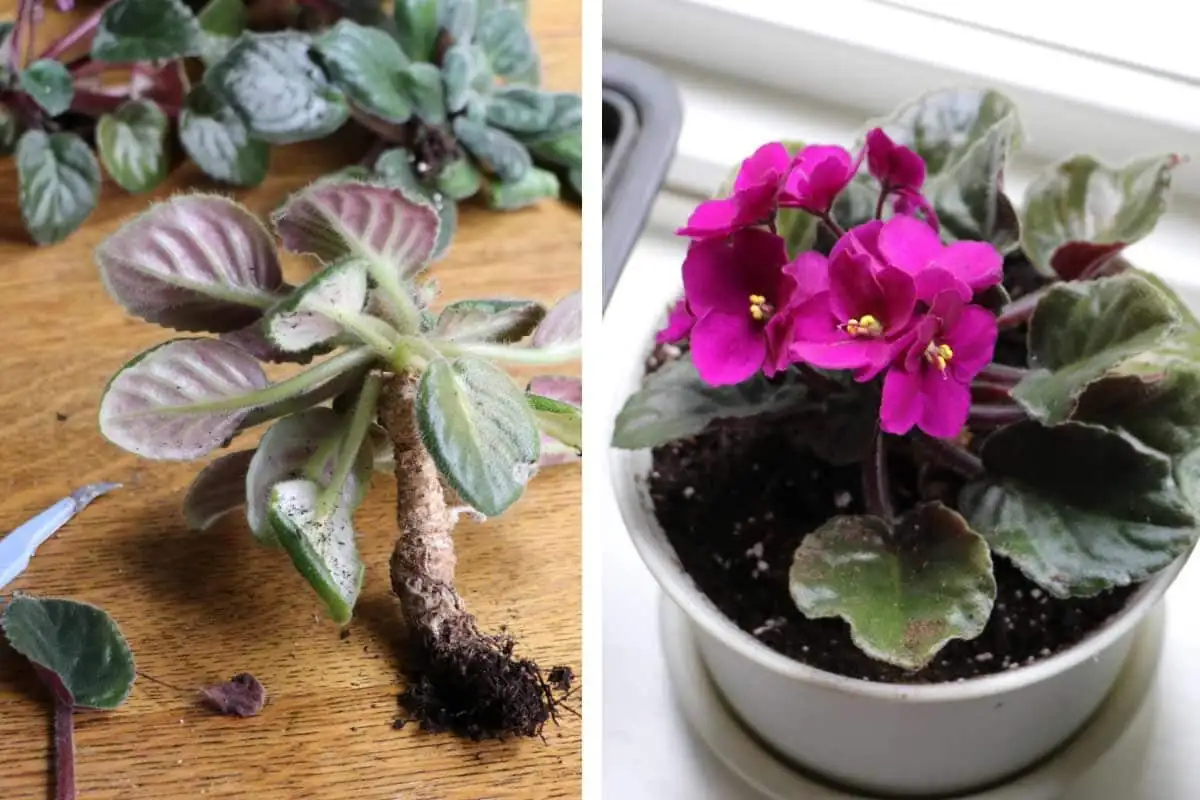
- Unpot and inspect: Gently slide the plant out. Trim off brown mushy roots with sterilized scissors.
- Repot: Use fresh, airy, well-draining mix in a clean pot just big enough for the remaining healthy roots. Ensure free drainage.
- Water once, lightly: Moisten evenly, then let excess drain. Never let the pot stand in water.
Stabilize (next 1–2 weeks)
- Bright, indirect light and cool temps (15–21°C / 59–70°F).
- Optional biofungicide: A labeled product containing Bacillus subtilis or Trichoderma can help re-balance the root zone; pet-safe when used as directed.
- Resume gentle feeding only after new growth appears.
Prevention
- Water thoroughly but allow just the top layer to dry between waterings—keep the core evenly moist, not soaked.
- Use breathable, well-draining potting mix; add perlite if your mix compacts.
- Right-size the pot; oversized pots hold excess water.
—
Your 10-minute weekly prevention routine
- Minute 1: Quick scan. Check new growth, leaf undersides, and blooms for spots, webbing, or stickiness.
- Minute 2: Lift test. Feel the soil—top 1–2 cm slightly dry is perfect; the root ball should feel evenly moist, never soggy.
- Minute 3: Clean-up. Pinch off spent blooms and remove any fallen petals/leaves from the soil surface.
- Minute 4: Wipe leaves. Dust with a damp cloth to keep foliage clean and pest-prone dust at bay.
- Minute 5: Trap check. Replace yellow sticky cards if they’re full; move one to soil level for gnats.
- Minute 6: Saucer sweep. Empty any standing water.
- Minute 7: Air + humidity. Refresh the pebble tray and ensure gentle airflow (no hot drafts).
- Minute 8: Bud count. Lots of unopened buds? Great. If buds are blasting off, reassess watering and heat.
- Minute 9: Label check. If you treated recently, note the date; schedule a follow-up spray if needed.
- Minute 10: Joy check. Enjoy the fragrance and color—stress shows in plants; your calm, consistent care matters.
—
Safe, pet-friendly treatment toolkit
- Mechanical: Lukewarm shower, soft cloth, cotton swabs.
- Monitoring: 10× hand lens, yellow sticky traps.
- Sprays: Insecticidal soap; horticultural oil (about 2%)—test first, treat in cool, indirect light, and avoid spraying open blooms heavily.
- Biologics: BTI for gnats; beneficial nematodes (S. feltiae); predatory mites for spider mites.
- Extras: Horticultural sand/gravel for soil top-dress; fresh sterile potting mix; clean pruning scissors.
Always follow label directions. Keep pets away until leaves are dry and traps are placed.
—
When to nurse it—and when to start fresh
Persian violet is a tender perennial but is commonly enjoyed as a short-lived flowering houseplant. It looks its best in late winter through spring and may fade in summer heat. If severe root rot sets in or flowering declines sharply in hot weather, it’s okay to start anew: choose a fresh plant packed with unopened buds, firm glossy leaves, and no yellowing.
—
A little symbolism for your windowsill
Often linked with calmness, delicacy, and refined beauty, Persian violet has long been gifted as a soothing “pocket spring” indoors. The idea echoes Victorian-era flower language, where small, fragrant blossoms conveyed gentle sentiment rather than grand drama. Here, the bright yellow anthers framed by cool violet petals read as balance: a sunny heart held within quiet poise.
—
Quick reference: what your Persian violet wants
- Bright, indirect light; gentle morning sun okay
- Cool temps: 15–21°C (59–70°F)
- Moderate to high humidity
- Evenly moist soil (never soggy, never bone-dry)
- Light feeding every 2–3 weeks while in bloom
- Routine deadheading to extend its generous flowering display
Keep it cool, keep it clean, and keep that top centimeter of soil just a touch drier than the core. With a few minutes each week, your Persian violet will stay glossy, fragrant, and gloriously in bloom—pest dramas averted.