

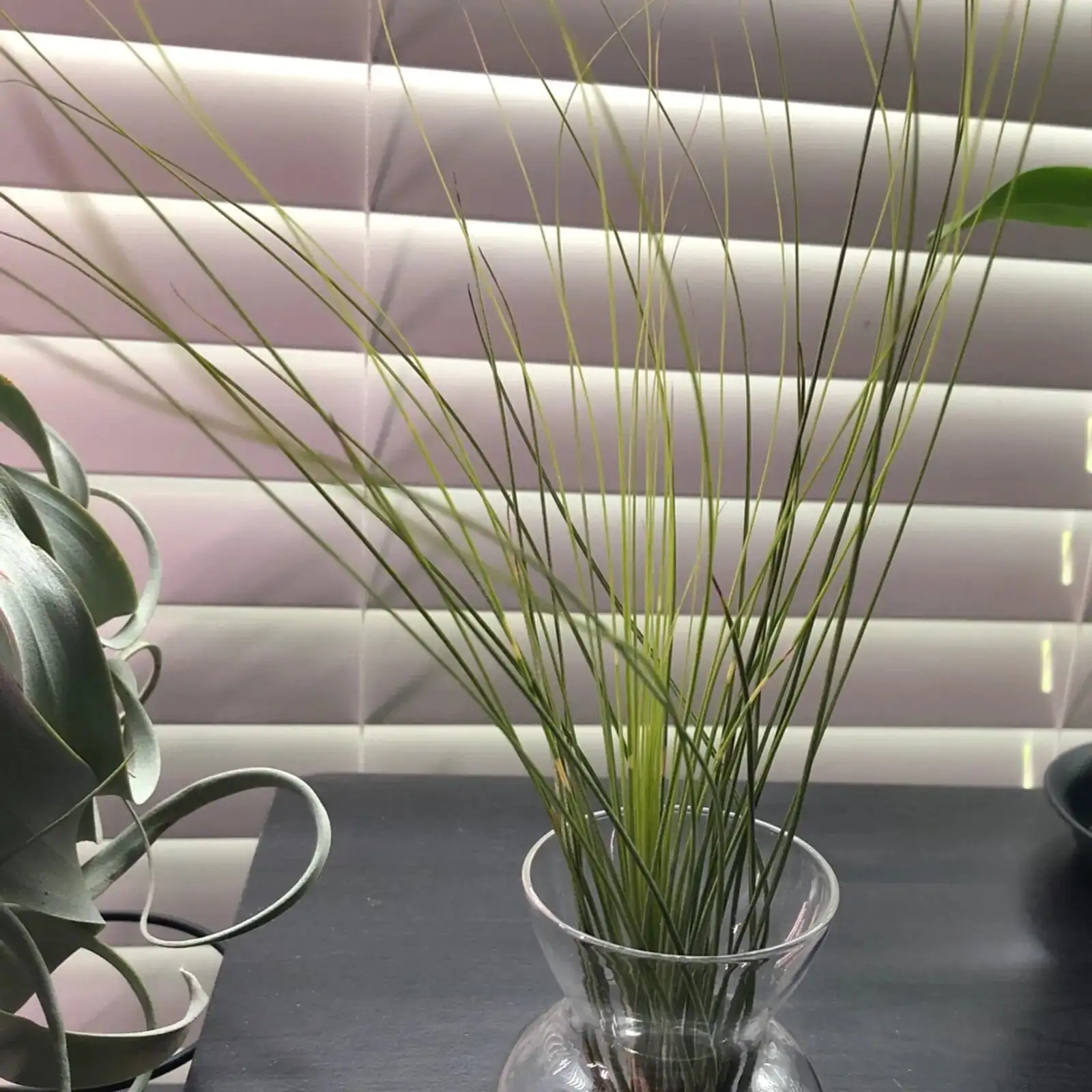
If you’ve ever wanted a plant that looks like a living fountain and asks very little in return, meet Tillandsia juncea—your slim, sculptural air plant that thrives on light, fresh air, and a good rinse. This placement playbook shows you exactly where to put it—bright windows, gentle morning sun, breezy bathrooms, and shaded outdoor perches—plus simple, foolproof tests to check airflow and dodge leaf scorch.
Meet Tillandsia juncea at a glance
- Common names: Juncea Air Plant, Narrow-Leaf Air Plant, Air Plant
- Origin: Native to Mexico and Central America
- Look: A tidy, fountain-like clump of long, slender green leaves that form a graceful tuft
- Size: Typically 15–30 cm (6–12 in) tall; clumps can widen to 15–30 cm over time
- Bloom: A vivid pink, comet-like spike topped with small purple tubular flowers (late spring to summer, timing varies)
- Temperament: Forgiving and beginner friendly—tolerates a missed watering if it can dry fast afterward
- Lifestyle: Epiphyte—no soil, please. It absorbs moisture via leaf trichomes (those silvery scales you see)
The placement playbook
Give juncea what it loves: bright light, a gentle breeze, and quick drying after soaking. Here’s how to nail the spot.
Bright windows that work
- East-facing (star player): Gentle morning sun is perfect.
- South or west: Excellent if you filter light with a sheer curtain or set the plant back from the glass. Avoid harsh midday beams unless humidity is higher and airflow is excellent.
- North: Keep it very close to the window and maximize reflective light (light walls, nearby mirrors).
- Distance from glass: In hot sun or winter cold, shift it a hand’s length away to prevent heat/cold stress.
- Air move matters: Near a ceiling or oscillating fan? Even better.
Gentle morning sun, quantified
- Target: 1–3 hours of soft morning sun, then bright indirect light the rest of the day.
- Acclimate slowly: Start with 30 minutes of early sun and increase by 20–30 minutes every few days.
Breezy bathrooms (yes, if the light is good)
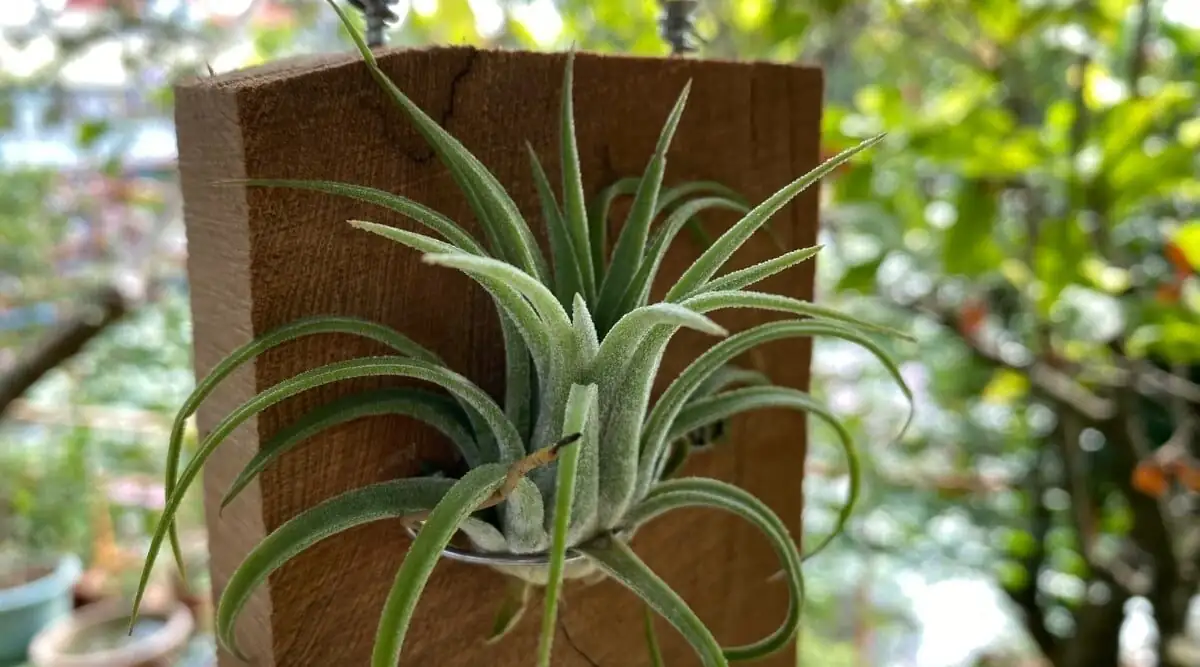
Bathrooms can be mini cloud forests—moist air plus frequent breezes if you’re thoughtful.
- Make it work:
- Place near a bright window or a skylight; dim bathrooms won’t cut it.
- Run the exhaust fan or crack the window after showering.
- Mount vertically so water can’t pool in the base.
- Avoid sealed glass containers; open displays only.
Bathroom quick check: If the mirror clears within 10 minutes post-shower with the door open, airflow is likely adequate.
Shaded outdoor spots (warm seasons)
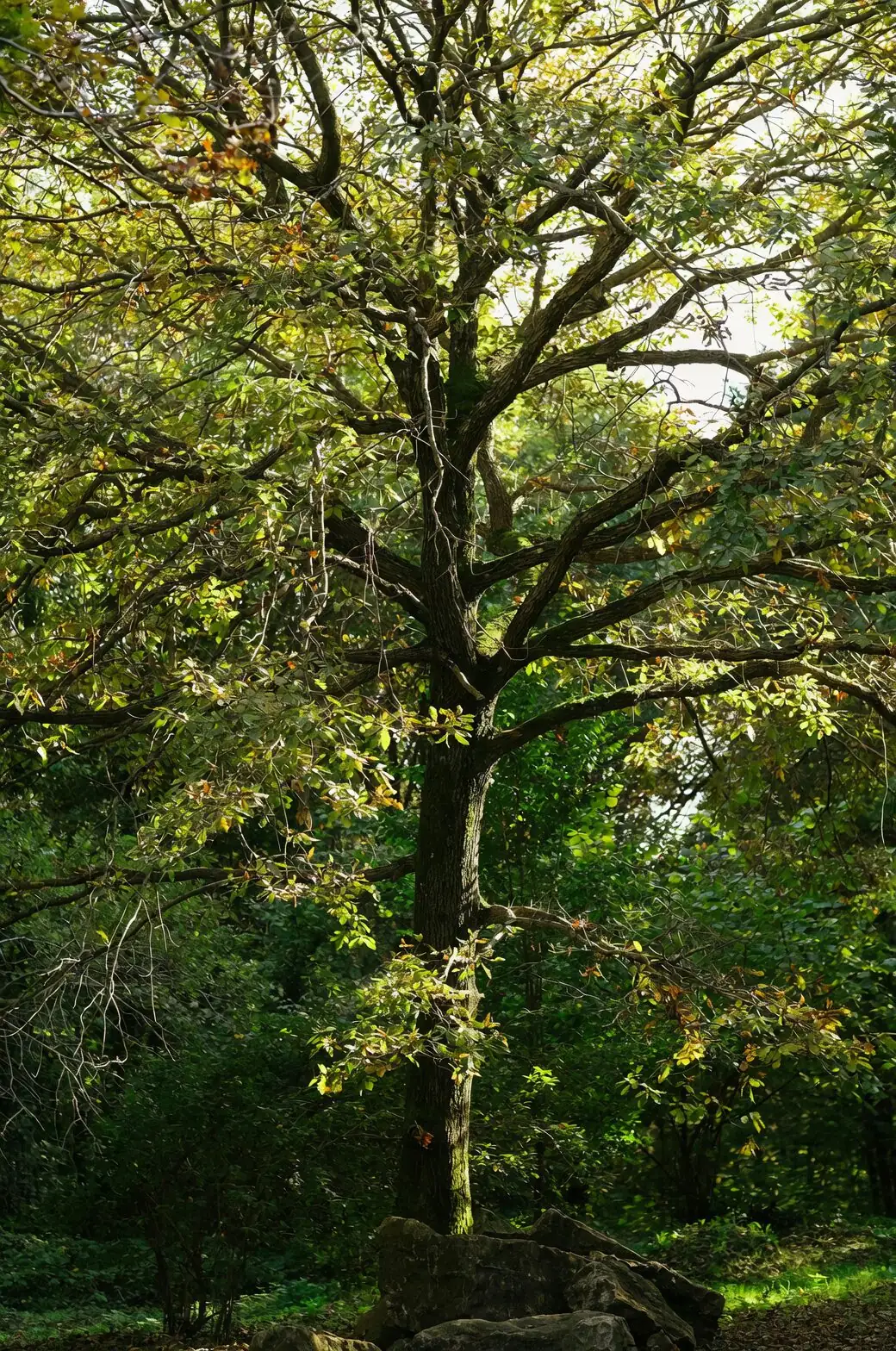
Outdoors, juncea loves bright shade with airflow.
- Best microclimates:
- Under tree canopies with dappled light.
- Covered porches or eaves that get gentle morning sun and bright shade midday.
- Protection:
- Bring indoors if temperatures dip near 10°C (50°F).
- Avoid spots where rain can sit in the base; mount at an angle so water shears off.
- Acclimation: Increase light gradually over 10–14 days to prevent scorch.
Simple tests to gauge airflow (and when to boost it)
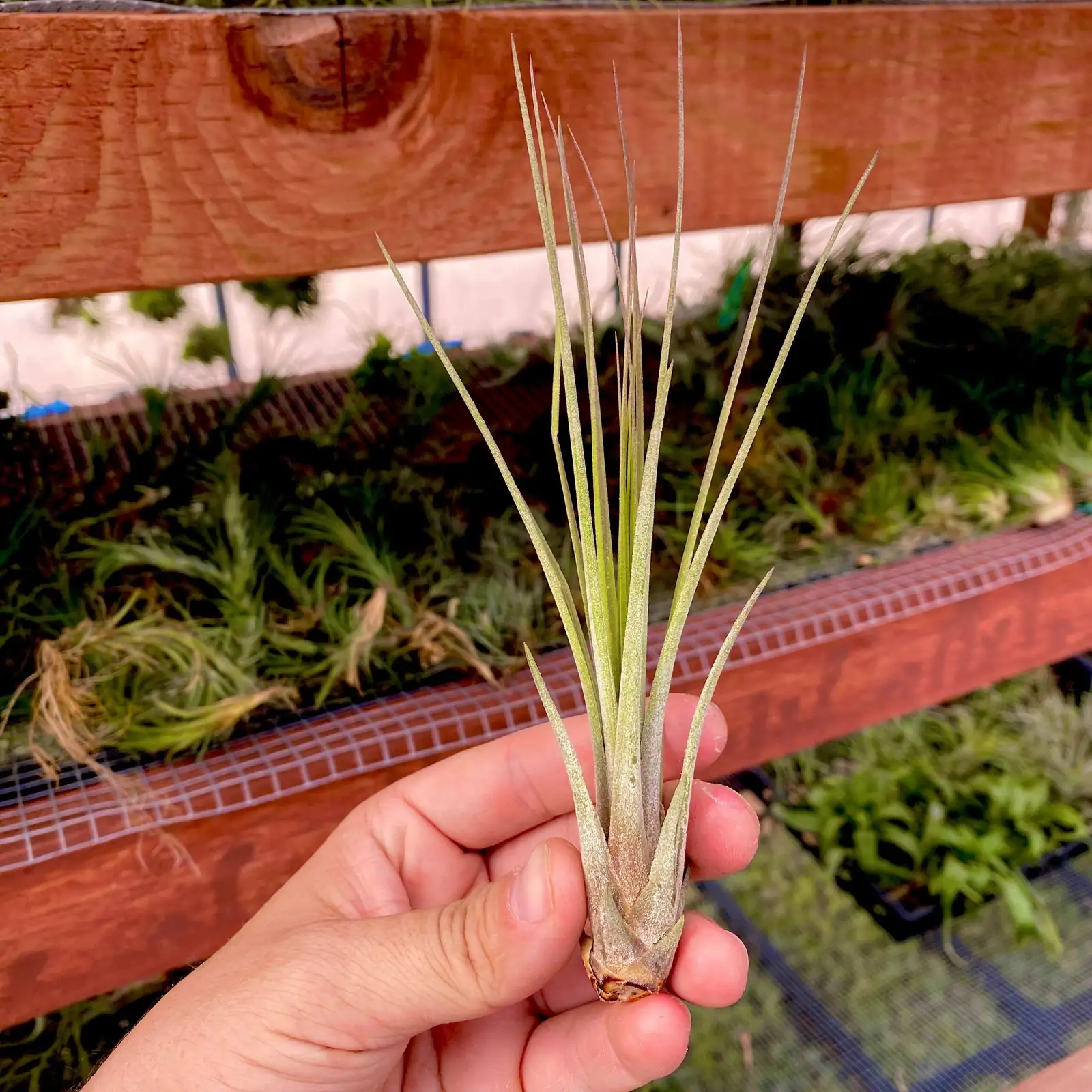
Strong airflow is non-negotiable—especially after watering. Try these:
- Tissue flutter test: Hang a thin strip of tissue near the plant. If it flutters lightly most of the day, airflow is likely good. No movement? Add a fan on low.
- Drying-time test: After a 15–30 minute soak and a good shake, the plant should dry completely within 2–4 hours. If not, increase airflow or relocate.
- Mist drift test: Lightly mist the air near (not onto) the plant. If the mist disperses quickly instead of hanging, airflow is decent.
- Fan tweak: A small, indirect desk fan set to low, sweeping the room, can transform borderline spots.
How to avoid leaf scorch (quick light and heat checks)
- Shadow test:
- Crisp, dark shadow = direct sun.
- Soft, fuzzy shadow = bright indirect (ideal most of the day).
- Back-of-hand test: Hold your hand in the sun at your plant’s spot for 30 seconds. If it feels hot, your plant will too—filter or reduce duration.
- Watch the leaf signals:
- Scorch: Bleached patches, crispy tips, or sudden bronzing on the sun-facing side.
- Too dim: Leaves elongate without fullness, growth slows, and the plant takes longer than 4 hours to dry after watering.
Mounting and styling for maximum airflow
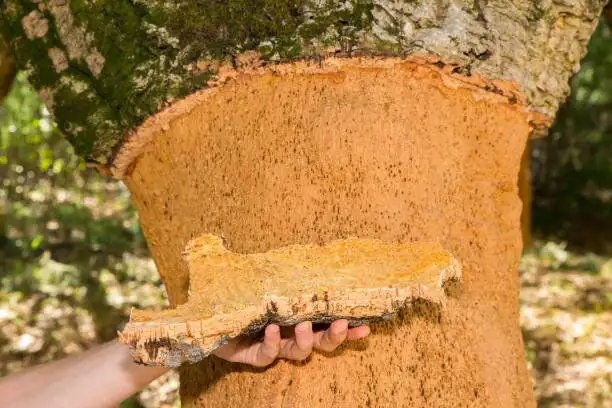
- Great options: Cork bark, driftwood, wire mesh, or open stands/sling holders.
- Golden rule: Keep the base open and exposed; don’t wedge into narrow cups or pack with moss.
- Secure smartly: Use soft ties, fishing line, or a tiny dab of non-toxic adhesive at the base. Avoid smothering or constantly wet materials.
- Displays to skip: Closed terrariums or any container that traps humidity and stalls drying.
Watering and feeding synced with your placement
- Soak schedule:
- Warm/dry, brighter spots: Soak 15–30 minutes about 1–2 times per week.
- Cooler/darker periods: Reduce to every 10–14 days.
- The crucial finish: After soaking, shake out excess water and ensure the plant dries fully within 2–4 hours with good airflow. Never leave water sitting in the base.
- Fertilizer: Feed monthly in spring and summer with a bromeliad/air-plant fertilizer at 1/4 strength (or a low-copper orchid fertilizer). Rinse with plain water now and then to prevent mineral buildup.
Pro tip: Placement drives watering frequency. Outdoors in breezy bright shade, plants dry faster and may want more frequent soaks. In a humid bathroom with good light, the interval often stretches longer.
Seasonal tweaks
- Spring–summer: Increase light (avoid scorching), soak a bit more often, feed lightly, and keep air moving.
- Fall–winter: Maximize light, water less often, keep it above 10°C (50°F), and verify speedy drying every time.
Growth, bloom, and clump strategy
- Bloom show: A bright pink spike that can stay colorful for weeks, with small purple tubular flowers near the tip.
- After-party: The blooming rosette slows, but pups (“offsets”) appear at the base. Trim the faded spike.
- Choose your look:
- Separate pups when 1/3–1/2 the size of the parent for new mounts.
- Or keep them attached for a fuller, fountain-like colony.
Quick troubleshooting: placement edition
- Browning at the base: Usually rot from staying wet too long or poor airflow. Reset the routine—short soak, hard shake, stronger breeze, and open display.
- Crispy tips or bleached patches: Too much direct sun or heat. Add a sheer curtain, reduce duration, or move to bright indirect light.
- Slow drying (>4 hours): Increase airflow, space plants farther apart, and avoid enclosed holders.
- Pests (mealybugs/scale): Isolate, remove with cotton swabs dipped in 70% isopropyl alcohol, and improve airflow and drying speed.
Safety and perks
- Non-toxic to people and pets (not edible). Keep away from curious chewers—both the plant and your pet’s tummy will thank you.
- USDA hardiness: Zone 10–11; it is not frost tolerant.
Symbolism and story
Tillandsia juncea is often linked with independence and resilience—fitting for a plant that anchors to bark or rock and drinks from the air. In the modern “flower language” sense, that message isn’t ancient folklore so much as an inspired reading of how the plant lives: no soil, no fuss, yet fully capable of thriving when given light and a breeze. It’s a gentle reminder that the right environment—not excess—unlocks growth.
Smart placement checklist
- Light: Bright indirect; gentle morning sun welcome. Avoid harsh midday beams unless humidity and airflow are excellent.
- Airflow: Confirm with the tissue flutter and drying-time tests; aim for full drying within 2–4 hours after soaking.
- Humidity: Moderate to high (40–70%) plus moving air.
- Temperature: 18–30°C (64–86°F); protect from cold below ~10°C (50°F).
- Display: Open, airy mounting—no closed terrariums; angle or hang so water can drain.
- Routine: Soak 15–30 minutes, shake hard, dry fast; feed monthly in spring/summer.
Place it well, and Tillandsia juncea becomes a living brushstroke—sleek, buoyant, and unfailingly cheerful—catching the light and breeze like it was made for your home. Because it was.