

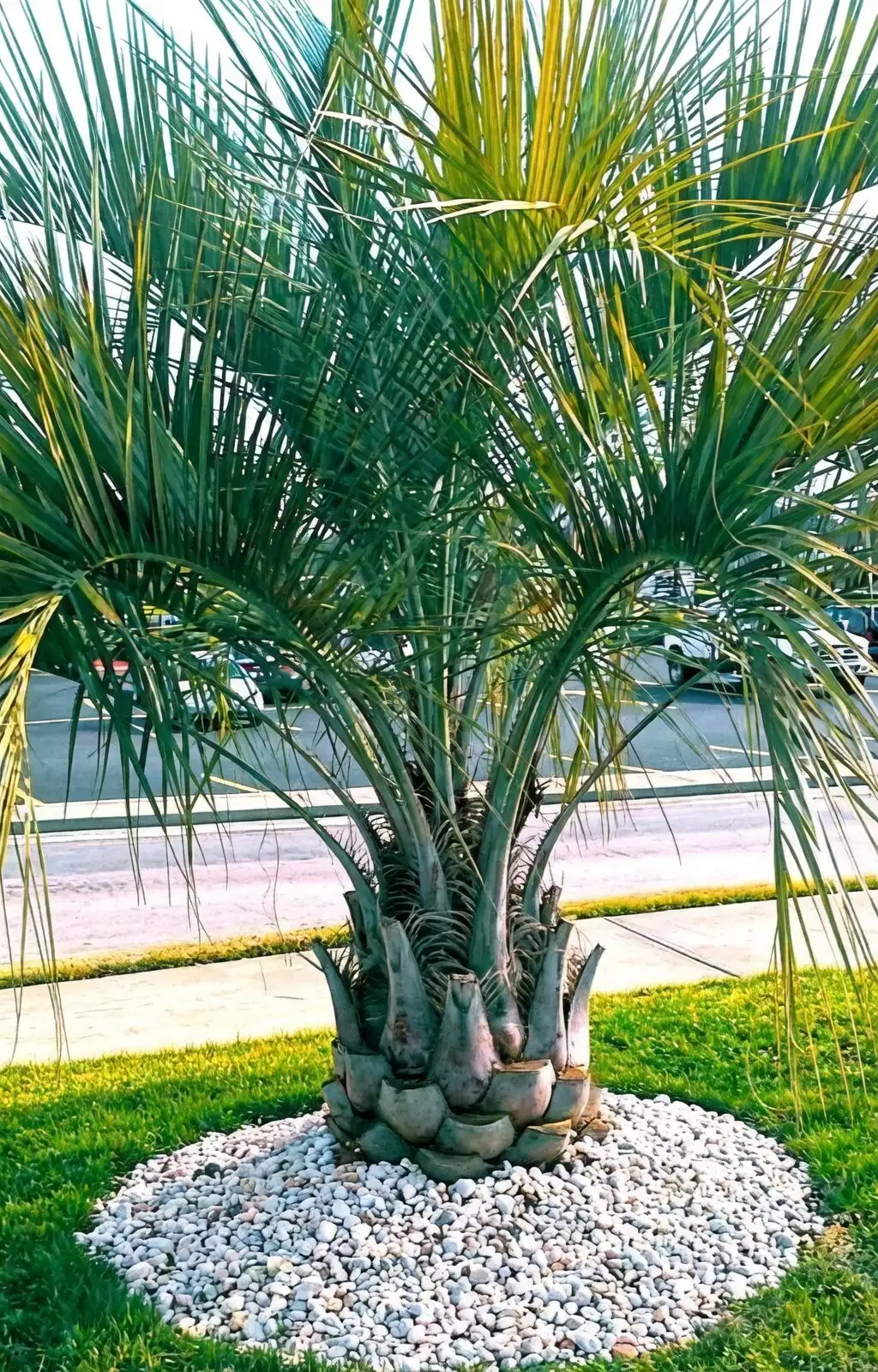
Imagine a palm that throws a summer party for bees, perfumes the block with marmalade-scented fruit, and still looks like a piece of modern sculpture. That’s Butia odorata—better known as Pindo Palm, Jelly Palm, or Butia Palm—pulling double duty as both a style icon and a biodiversity engine in the city.
Meet Butia odorata (Pindo Palm)
- What it looks like: A single-trunk, feather-leaved palm with a broad, airy crown of blue‑green to silvery fronds. It’s bold, graceful, and architectural—often spreading nearly as wide as it is tall.
- Size in gardens/containers: About 1.8 m tall × 1.5 m wide (about 5.9 × 4.9 ft); give it room to show off that crown.
- Where it comes from: Native to southern Brazil and Uruguay, long cherished in Mediterranean-style plantings and widely cultivated on the French Riviera.
- Why cities love it:
- Tolerant of coastal breezes and urban light conditions
- Easy-care in containers or small gardens
- Creamy summer flowers followed by aromatic, edible fruit used for jelly (and sometimes fermented drinks)
Summer blooms: a mid-year buffet for pollinators
When warm weather peaks, mature Pindo Palms push out creamy flower clusters. In urban settings, these mid-season blooms can be a lifeline:
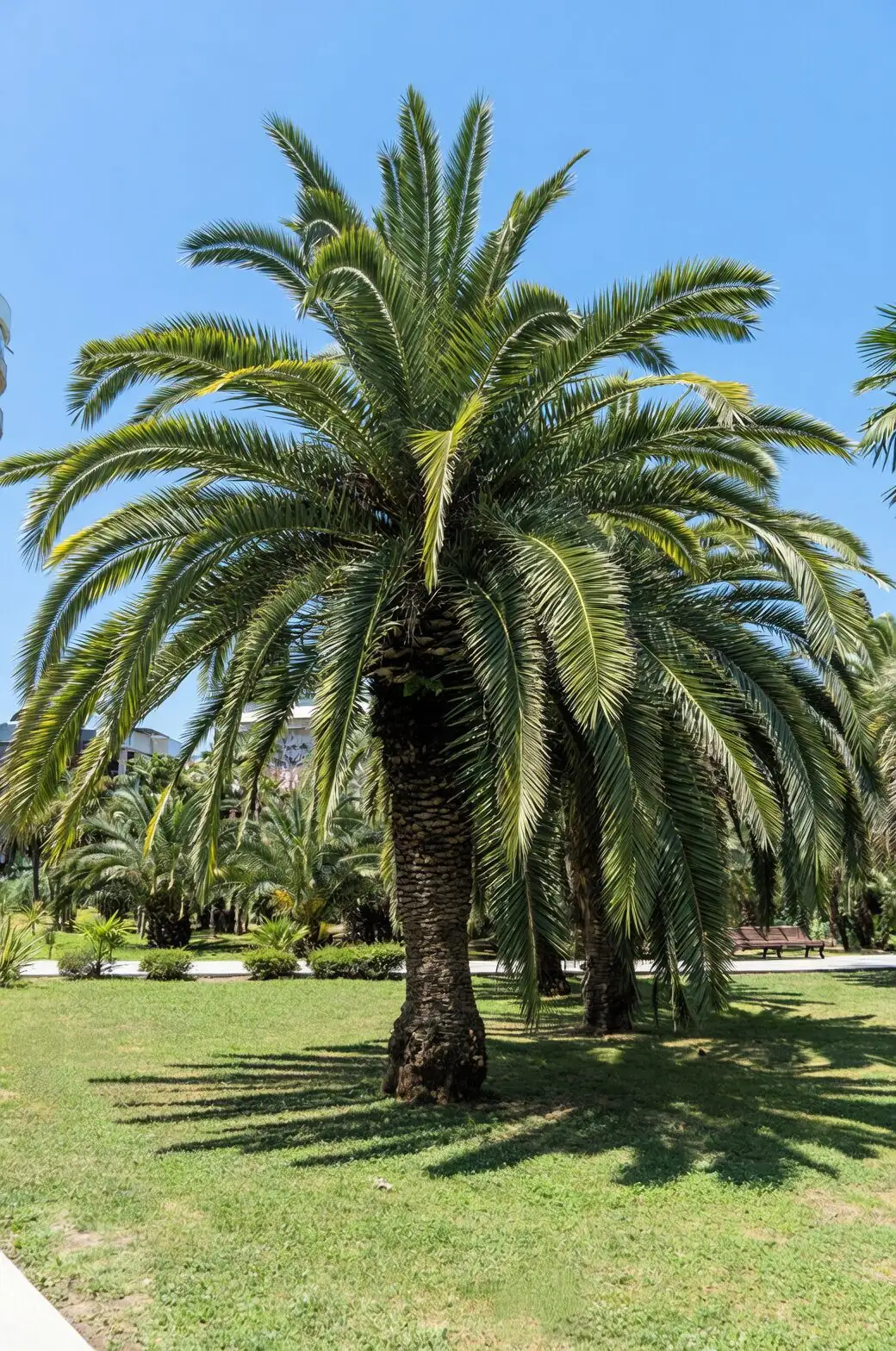
- They offer pollen and nectar when spring wildflowers have faded but late-summer perennials haven’t yet peaked.
- A spectrum of city pollinators—bees, hoverflies, and beneficial wasps—can work the flowers, especially in sheltered courtyards and along sunny streets.
- The palm’s broad fronds cast dappled light that keeps the canopy cooler, making it a more comfortable foraging station during heat spikes.
Tip for longer bloom value:
- Keep the soil evenly moist (never soggy) through summer and feed monthly with a balanced, micronutrient-rich palm fertilizer. Healthy palms flower more reliably.
Aromatic fruit: fragrant fuel for urban food webs
After flowering, clusters of orange-yellow, aromatic drupes ripen—the famous “jelly” fruits. They’re edible for people, and a seasonal bonus for wildlife:
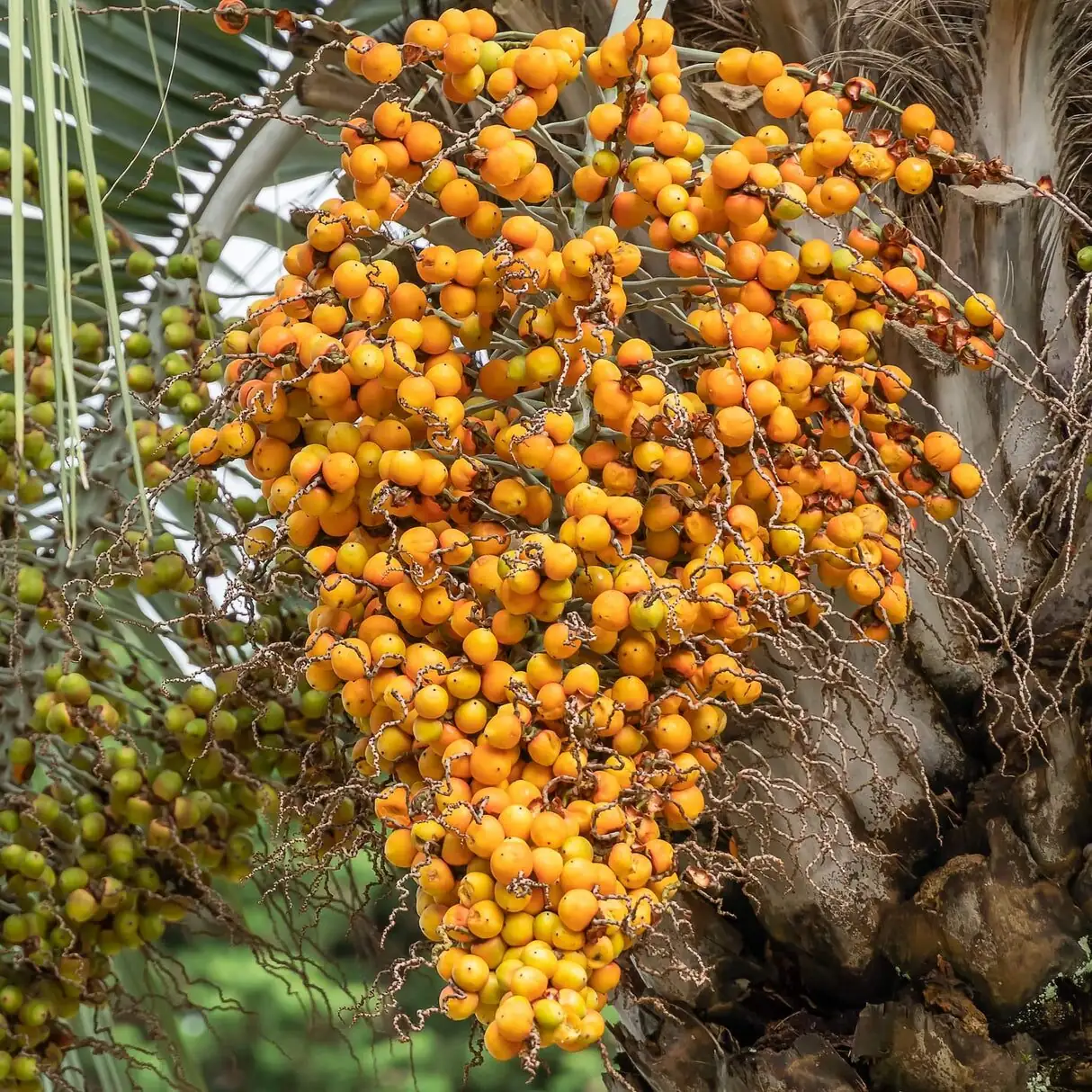
- Birds and small mammals may sample fallen fruit, helping move seeds around green corridors.
- In pocket parks and front gardens, that means a pulse of energy right when late summer starts to crunch resources.
A practical note: fruit drop can be sticky on sidewalks. The trick is to share the bounty with wildlife while keeping the pavement tidy.
Smart cleanup that keeps sidewalks tidy and wildlife fed
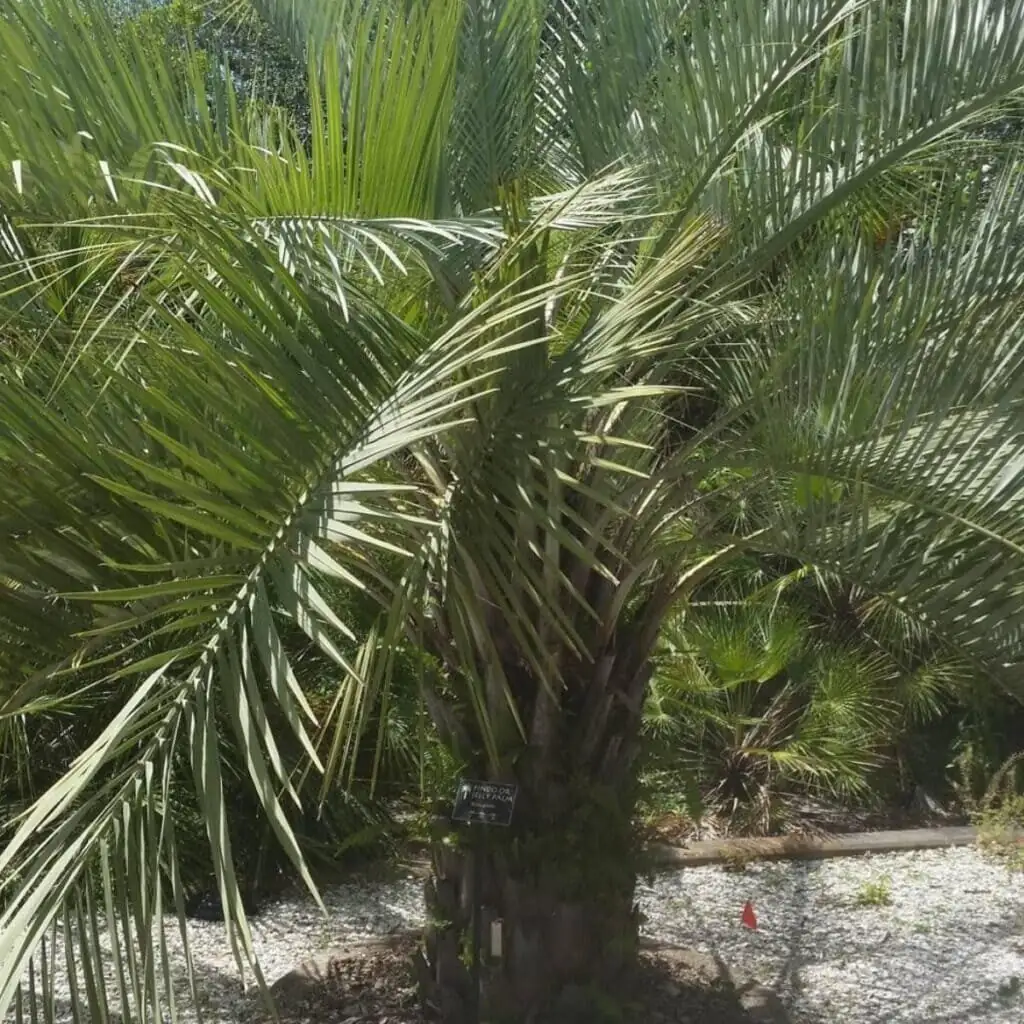
- Harvest timing: Pick ripe clusters promptly once fruits slip easily from the stalk. Leave some on the ground inside a mulched ring if you have space—enough for birds, not enough to overwhelm.
- Fruit skirt: Maintain a 60–90 cm (2–3 ft) mulch ring beneath the canopy. It cushions drops, keeps fruit corralled, and simplifies raking.
- Catch-sheets: During peak ripening, lay a breathable tarp or horticultural cloth under the canopy, then lift and collect daily.
- Paving strategy: Use pavers or decomposed granite under the drip line rather than lawn. Smooth surfaces are faster to sweep.
- Compost and cook: Turn excess fruit into jelly, quick cordials, or compost. Do weekly sweeps to avoid attracting fruit flies.
- Trim spent stalks: After fruiting, cut off old flower/fruit stalks to neaten the crown and reduce future litter (avoid removing green fronds).
Companion plants that supercharge habitat value
Design with layers so your Pindo Palm becomes the anchor of a lively urban ecosystem. Choose water-wise, pollinator-forward plants that thrive in part sun and coastal conditions (USDA 8b–11).

Coastal pollinator ribbon (sunny edges around the palm)
- Salvias (e.g., Salvia ‘Hot Lips’, S. guaranitica): Long nectar season for bees and hummingbirds.
- Gaillardia and Coreopsis: Heat-happy, pollen-rich daisies.
- Erigeron karvinskianus (Mexican fleabane): A gentle self-seeder that feeds small bees for months.
- Thymus and Origanum (thyme, oregano): Aromatic groundcovers humming with pollinators.
Dry-city understory (dappled shade beneath fronds)
- Lomandra longifolia or Carex divulsa: Fine-textured grasses for shelter and insect cover.
- Heuchera (coral bells) and Helleborus: Early nectar in late winter/early spring for emerging pollinators.
- Asarum or Ajuga: Groundcovers that knit soil, suppress weeds, and simplify fruit cleanup.
Balcony/container guild (for courtyards and rooftops)
- Pindo Palm in a free-draining palm/cactus blend, ringed with:
- Sedum and Sempervivum: Succulents for summer bee forage and low water use.
- Lavender and Santolina: Scent, structure, and pollinator draw in tight spaces.
- Nasturtium trailers: Bonus edible flowers and easy bee snacks.
Night shift support (moths and after-hours pollinators)
- Oenothera (evening primrose) and Nicotiana alata: Night-scented blooms that complement the palm’s daytime appeal.
Bird-and-bee boulevard strip (street-side resilience)
- Muhlenbergia capillaris or Festuca glauca: Perches and cover; winter seed interest.
- Teucrium fruticans (bush germander): Drought-tolerant nectar shrub.
- Myrtus communis (dwarf forms) or Arbutus unedo (compact): Evergreen structure with seasonal flowers/fruit.
Note: Always favor local, non-invasive species and native cultivars where possible to maximize habitat value.
Placement and care essentials (urban-proof)
- Light: Part sun to light shade outdoors; in very hot climates, shield from harsh midday sun. Indoors, give the brightest light near a sunny window.
- Temperature: 10–24°C (50–75°F) for active growth; hardy outdoors in USDA Zones 8b–11 once established. For container plants in cold snaps, shelter; overwinter bright and cool at 5–12°C (41–54°F) if possible.
- Soil: Free-draining, loam-based palm or palm/cactus mix. Use a pot just large enough for the root ball to avoid waterlogging.
- Watering:
- Spring–autumn: Keep evenly moist, not soggy.
- Winter: Water sparingly—only after the top layer dries.
- Feeding: Monthly in spring–autumn with a balanced liquid fertilizer; palm formulas with micronutrients are especially helpful. Pause in winter.
- Pruning: Remove only fully brown, dead fronds. Trim old flower/fruit stalks after they finish. Avoid cutting green fronds.
- Repotting: In spring when root-bound (typically every 2–3 years). Refresh the top 3–5 cm (1–2 in) of mix annually if not repotting.
- Pests/diseases: Watch for scale, mealybugs, and spider mites (especially indoors with dry air). Prevent root rot with fast drainage and restrained winter watering.
- Safety: Generally non-toxic to people and pets; fruit is edible. Handle fronds carefully—leaf edges can be sharp.
A seasonal biodiversity calendar
- Spring
- Top-dress containers, start monthly feeding, and underplant with early nectar sources (Heuchera, rosemary blooms).
- Summer
- Creamy flowers open: maintain even moisture.
- Add temporary water dishes with stones for pollinator sips in heat waves (refresh daily).
- Late summer–autumn
- Fruit ripens: harvest frequently, leave a modest share for wildlife inside a mulched zone.
- Compost peels and tidy with a weekly sweep.
- Winter
- For potted palms, move to a bright, cooler spot; water only after the surface dries.
- Remove fully brown fronds; leave green ones to keep the crown strong for next year’s bloom.
Culture, symbolism, and the “flower language” of a palm
Palms weren’t staples of Victorian floriography, so there’s no classic “flower language” entry for Pindo Palm. Still, its modern symbolism is rich:
- Coastal elegance and holiday promenades: Blue‑green fronds and a breezy silhouette conjure seafront walks and Riviera terraces.
- Sunny resilience: It weathers wind and salt, a quiet emblem of durability in exposed urban sites.
- Shared sweetness: The tradition of jelly-making from its fragrant fruit turns a street-tree cleanup into a neighborhood preserve day—sweetness literally shared.
Why plant one now?
- You get a sculptural, small-scale palm suited to patios, parklets, and bright indoor spaces.
- Pollinators get a dependable summer stopover.
- Birds and small mammals get a late-season snack.
- The neighborhood gets a subtropical vibe—with practical cleanup strategies to keep paths pristine.
Butia odorata proves a city tree can be both glamorous and generous. Plant it with the right companions, harvest with intention, and let this “jelly palm” host one of the most charming block parties your urban ecosystem will see all year.