

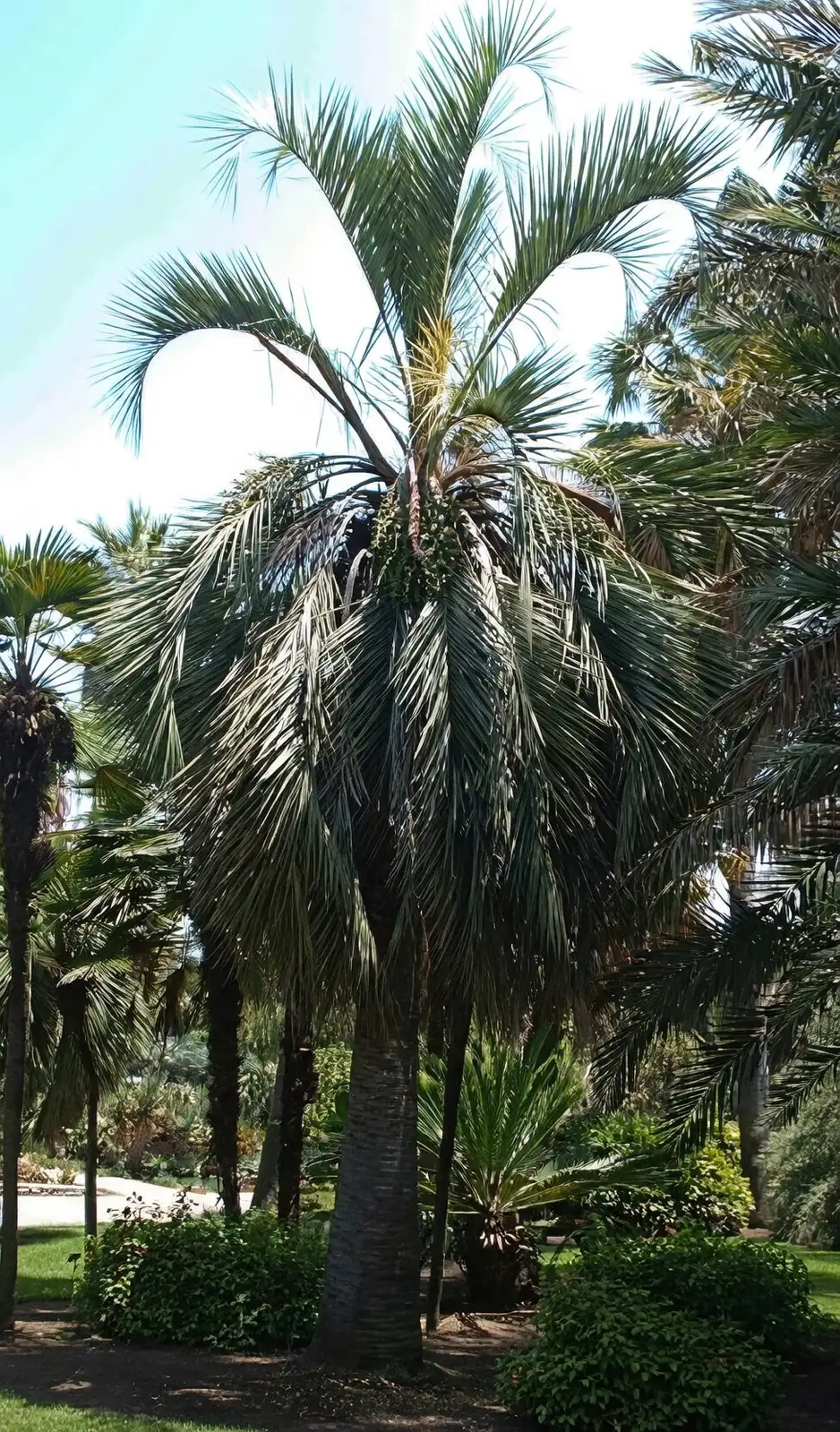
If you’ve ever bought a “Butia capitata” only to discover later that everyone now calls it “Butia odorata,” you’ve met one of horticulture’s most persistent identity crises. The good news: the palm you love—blue‑green, architectural, and famously fruity—is still the same charismatic plant. Let’s untangle the names, pin down reliable ID cues, and help you shop (and grow) with confidence.
The great Butia mix‑up: why names changed
For decades, the palm commonly planted across warm, breezy gardens and promenades was sold as Butia capitata. Taxonomic work in the 2000s–2010s clarified that the cold‑tolerant, coastal‑leaning plant so popular in horticulture is properly Butia odorata, native to southern Brazil and Uruguay. The label lag stuck: countless nursery tags and even old garden books still say B. capitata.
- What stayed the same: the palm you see in landscapes and garden centers.
- What changed: the correct scientific name tied to its true native range.
- Extra wrinkle: a different species, Butia catarinensis, circulated for years under muddled names like “B. capitata var. odorata,” deepening the confusion.
Bottom line: in most gardens and nurseries, that “capitata” is actually Butia odorata.
Butia odorata vs. Butia capitata: practical ID cues
You won’t always have a herbarium at hand, so use field‑friendly features. Focus on the overall “gestalt,” then zoom in:
- Frond color and posture
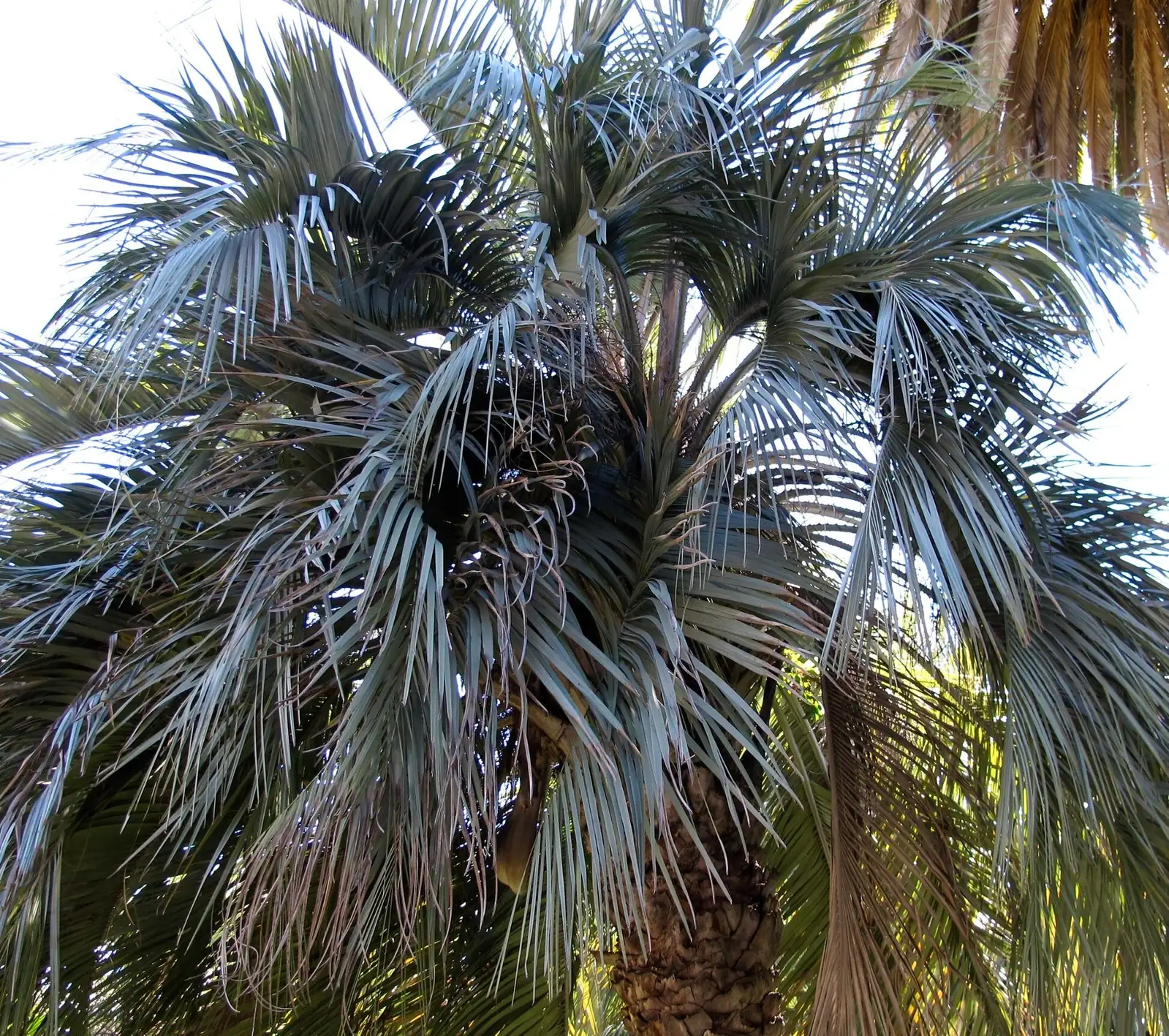
- Odorata: distinct blue‑green to silvery green fronds, forming a broad, airy, strongly architectural crown. Leaflets often present in a subtle V and the fronds arch elegantly.
- Capitata (in the strict, tropical sense) is far less likely to be what’s in temperate or Mediterranean‑style landscapes; your blue‑green, coast‑tolerant “capitata” is almost certainly odorata.
- Trunk and texture
- Odorata: stout, textured, single trunk with a patterned look; old leaf bases can persist, giving a sculptural, knobby character. The crown often spreads nearly as wide as the plant is tall.
- Flowers and fruit
- Odorata: creamy summer flowers on mature plants, followed by aromatic, edible yellow‑ to orange‑toned fruit used for jelly and fermented drinks.
- Habit and feel
- Odorata reads “relaxed coastal elegance”: bold, fountain‑like crown; blue‑green tone; tolerant of seaside planting.
If you’re comparing tags rather than leaves, trust range and reputation: the cold‑tolerant, jelly‑fruiting Butia commonly grown in cooler, breezy regions is odorata.
Look‑alikes that cloud the picture
- Butia catarinensis: smaller coastal Brazilian species that long circulated under misapplied names. It can appear daintier, with differences in trunk stature and frond scale. Labels from older imports may be unreliable—use growth habit and provenance clues, and buy from a nursery that can trace seed origin.
- Mule palms (x Butiagrus, hybrids with queen palm): lusher green fronds and a different silhouette; often sold as hybrids, not pure Butia.
Where it really comes from—and how it behaves in gardens
- Native range: southern Brazil and Uruguay. It’s also long cultivated along Mediterranean coasts such as the French Riviera, which helped cement its seaside persona.
- Habit and size: a single‑trunk palm with slow to moderate growth. Expect about 1.8 m tall by 1.5 m wide (around 5.9 × 4.9 ft) in typical garden or container culture; the crown can be nearly as wide as the plant is tall. Give it room to show off that bold, sculptural canopy.
- Signature look: a sturdy, patterned trunk topped with elegant feather‑like fronds in a blue‑green to silvery wash that softens hardscapes and gleams in low sun.
Buying smart: dodge mislabeled tags and pick a healthy plant
Label literacy
- If you see “Butia capitata,” ask: Is this the cold‑tolerant, jelly‑fruiting form from southern Brazil/Uruguay? In most retail contexts, that’s B. odorata under an old name.
- Ask about provenance: seed‑grown from southern Brazil/Uruguay? Long‑term cultivation in coastal, temperate gardens? These are green flags for odorata.
- Be cautious with “var. odorata” on old labels; that naming has been retired in proper use.
Health checklist (what to look for at the nursery)
- A firm, well‑anchored crown (no wobble where the fronds emerge).
- Clean, unspotted fronds with that hallmark blue‑green cast.
- A pot that isn’t oversized (big pots stay wet too long).
- No sour smell from the soil (a root‑rot red flag).
- Handle with care—leaf edges and petiole margins can be sharp.
Care, made easy
This palm is forgiving if you respect its two golden rules: bright light and excellent drainage.
- Light
- Outdoors: part sun to light shade; in very hot climates, give protection from harsh midday sun.
- Indoors: brightest light you can muster—near a sunny window.
- Temperature and hardiness
- Thrives at 10–24°C (50–75°F) in active growth.
- Generally hardy in USDA Zones 8b–11, with established plants tolerating about 10–16°F (-12 to -9°C). Protect from prolonged hard freezes; potted plants are more vulnerable.
- Water
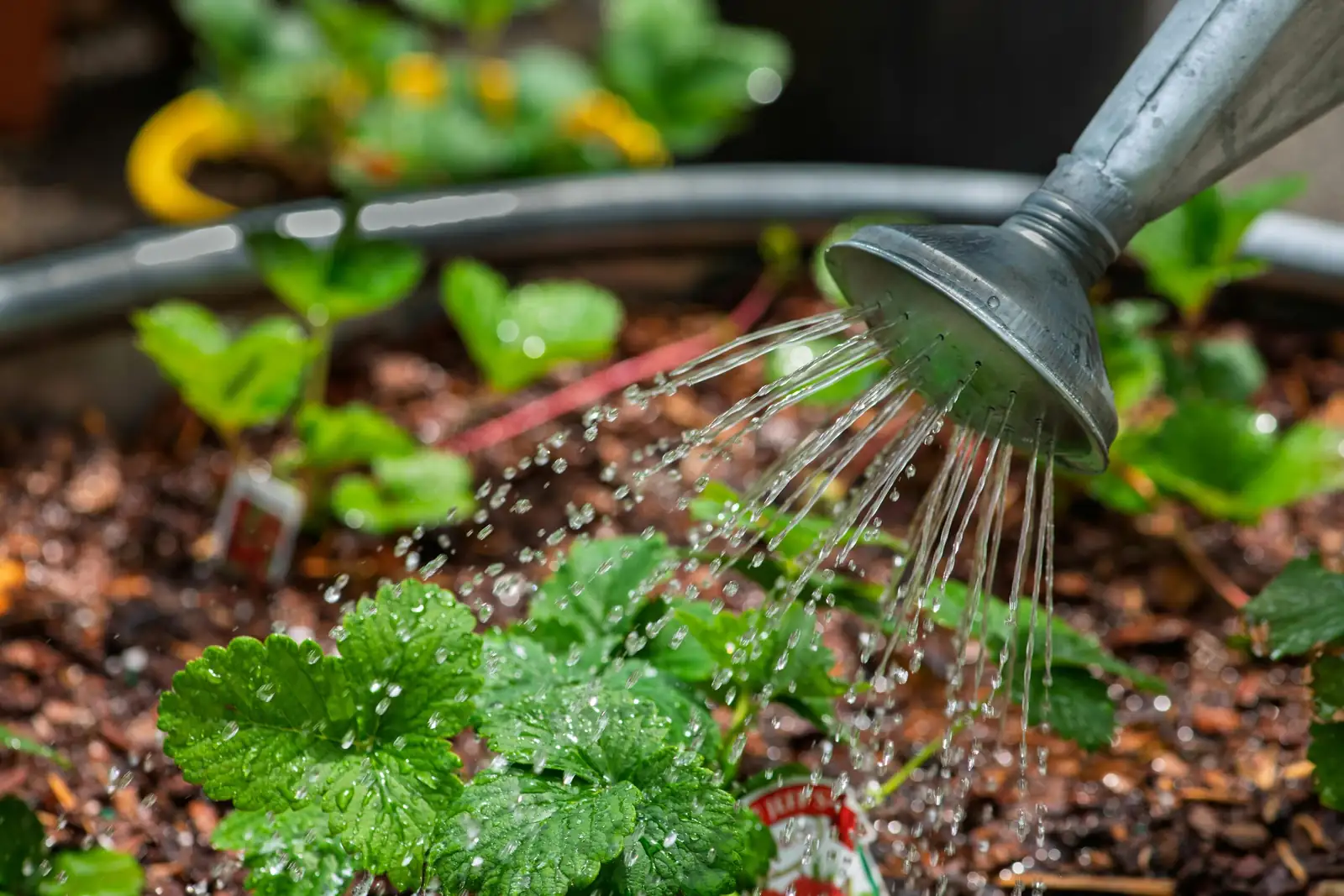
- Spring to autumn: keep evenly moist but never soggy.
- Winter: water sparingly—wait until the top layer dries. Don’t “fix” dry tips by overwatering; improve humidity instead.
- Humidity
- Prefers moderate humidity. In dry indoor air, use a pebble tray and occasional misting to deter spider mites and reduce browning tips.
- Soil and containers
- Use a free‑draining, loam‑based palm mix (palm or palm/cactus blend).
- Choose a pot just large enough for the root ball.
- Feeding
- Feed monthly from spring through autumn with a balanced liquid fertilizer; palm formulas with micronutrients are especially helpful. Ease off in winter.
- Pruning
- Remove only fully brown, dead fronds. Trim old flower/fruit stalks after they finish.
- Repotting and yearly tune‑ups
- Repot in spring only when root‑bound (about every 2–3 years).
- Each spring, refresh the top 3–5 cm (1–2 in) of mix if you’re not repotting.
- Simple seasonal calendar
- Spring–autumn: water evenly, feed monthly, raise humidity in hot/dry spells.
- Spring: top‑dress; repot if needed.
- Winter: keep bright and on the cool side if possible; water only after the surface dries.
Fruit, fragrance, and the “jelly palm” name
Mature plants produce creamy summer blooms followed by aromatic, edible fruits. The scent and flavor (often described with sunny, tropical notes) have long inspired homemade jellies and even fermented drinks—hence Jelly Palm and Wine Palm. If you’re growing for fruit, give the plant strong light, good nutrition, and patience; seed‑grown palms take time to mature.
Pests, problems, and safety
- Most likely pests: scale, mealybugs, and spider mites—especially indoors with dry air. Early detection and improved humidity help.
- Biggest preventable issue: root rot. Use fast‑draining mix, avoid oversized pots, and cut watering in winter.
- Toxicity and handling: generally non‑toxic to people and pets; the fruit is edible. Petiole margins and leaf edges can be sharp—gloves recommended.
Symbolism and the “flower language” question
Traditional Victorian‑style flower language (花语) didn’t focus on palms, but modern garden culture reads Butia odorata as a symbol of relaxed coastal elegance, resilience in sun and wind, and that holiday‑promenade vibe. In other words: it signals ease, blue‑skied optimism, and a dash of seaside glamour—associations shaped more by landscape use than by old literary codes.
Quick ID and care recap
- Likely ID: your “B. capitata” with blue‑green fronds and edible jelly fruit is B. odorata.
- Look: bold, single‑trunk silhouette; broad, airy crown; silvery blue‑green fronds.
- Light and soil: bright light; free‑draining, loam‑based mix.
- Water: evenly moist spring–autumn; sparing in winter.
- Cold: generally hardy in Zones 8b–11; shield from prolonged hard freezes.
- Prune: only dead, brown fronds.
Final takeaway
Don’t let the old label spook you: the pindo palm you admire is Butia odorata—coast‑savvy, fruit‑fragrant, and beautifully blue‑green. Learn the cues, ask the right nursery questions, and you’ll bring home the real deal—and a living sculpture that looks as relaxed as a sunset stroll along the promenade.