


If you’ve heard that the Pindo Palm (Butia odorata) is “hardy from USDA 8b to 11,” you’re already on the right track—but the real story lives in the details: age of the plant, duration of cold snaps, wind exposure, soil moisture, and how fast you can throw a frost cloth over it when temps dive. Here’s a clear, field-tested guide to where this blue‑green beauty truly thrives, how low it can go, and the protection playbook that keeps both in‑ground and potted plants looking handsome year after year.
Meet Butia odorata, the resilient romantic of the palm world
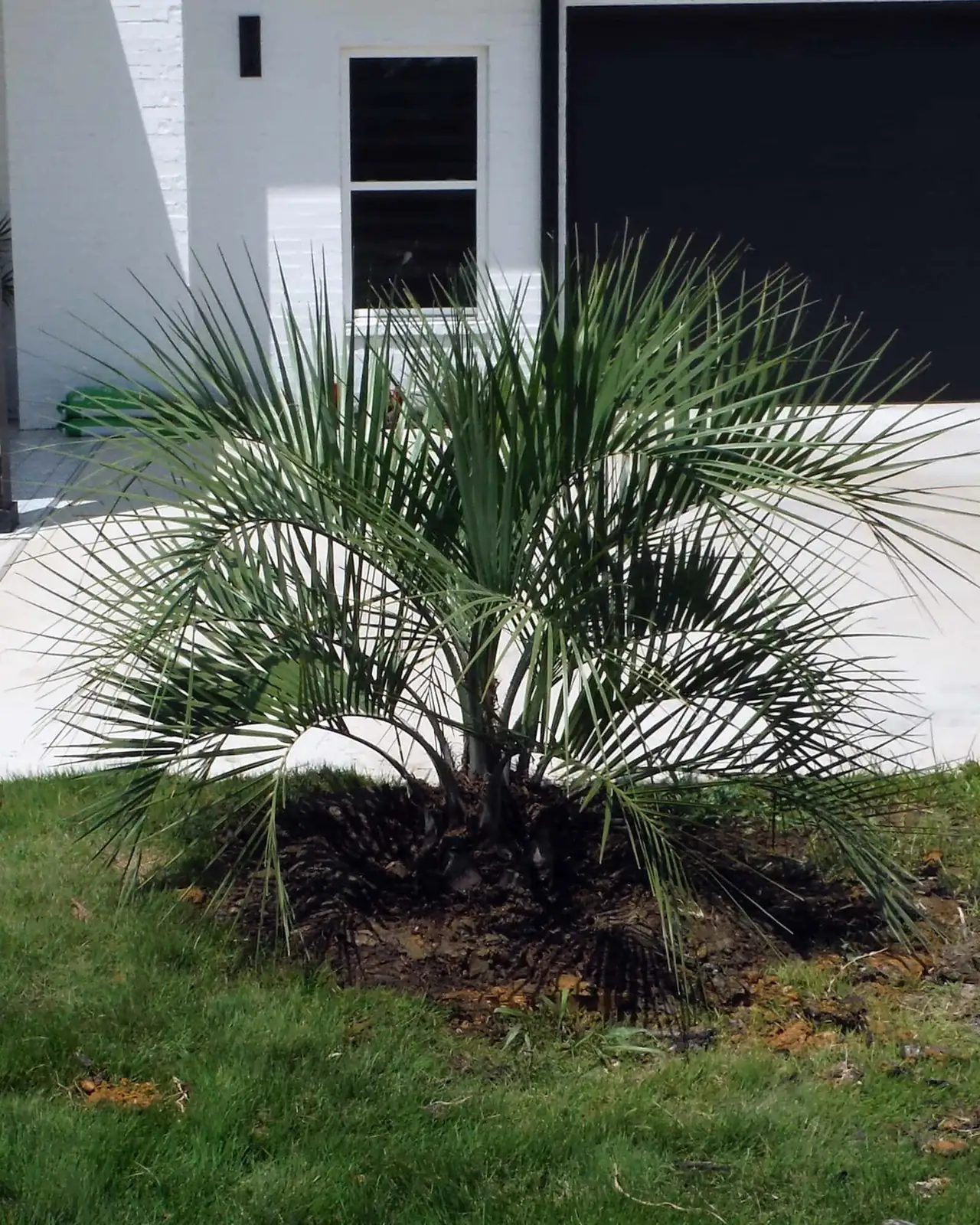
- What it looks like: A single-trunk, feather‑leaved palm with a broad, sculptural crown of blue‑green to silvery fronds. Think soft, arching plumes rather than spiky fireworks.
- Size and stance: About 1.8 m tall × 1.5 m wide (about 5.9 × 4.9 ft). The crown can be nearly as wide as the plant is tall, so give it room to show off.
- Summer show: Creamy flowers on mature plants, followed by aromatic, edible fruits that are famously cooked into jelly and can be fermented into drinks.
- Origins and vibe: Native to southern Brazil and Uruguay, long loved in Mediterranean‑style and coastal landscapes for its relaxed, resort‑promenade feel.
- Aliases: Pindo Palm, Jelly Palm, Wine Palm, Butia Palm. Formerly lumped under B. capitata in older literature.
The hardiness reality: 8b–11, with nuance that matters
- Baseline: Generally hardy outdoors in USDA Zones 8b–11.
- Temperature window for “real” cold tolerance: About −9 to −12°C (16–10°F) once established.
- The catch: Protect from prolonged, hard freezes; container plants are notably more vulnerable.
Real‑world thresholds (use this as a conservative planning guide)
These are practical benchmarks to help you decide when to protect, based on plant maturity, exposure, and cold duration.
- Around 20°F (−6.5°C): Usually fine, especially if acclimated; minimal to no cosmetic damage.
- 18°F (−7.8°C): Tips may bronze on exposed fronds; established plants shake this off.
- 15°F (−9.4°C): Expect moderate leaf burn on exposed crowns. Protect if the cold lasts many hours.
- 12°F (−11°C): Significant defoliation possible without protection. The growing point (spear) may survive if the cold is brief and the crown is dry, but risk climbs with duration and wind.
- 10°F (−12°C): At the lower edge of tolerance; brief dips can be survived by established specimens, but crown protection is strongly recommended.
Adjust these thresholds upward by 5–10°F if the plant is:
- Young, recently transplanted, or drought‑stressed
- Saturated/overwatered going into the freeze
- In a pot (roots in containers chill faster than in-ground soil)
Why the same temperature hurts some plants and not others
- Duration beats the number: Six to eight hours below 15°F is much harder than a two‑hour dip.
- Wind exposure: Dry, windy advective freezes desiccate fronds and chill crowns faster.
- Wet cold: Water trapped in the crown can freeze and damage the growing point.
- Acclimation: Palms that eased into winter with cool nights fare better than those hit by an early arctic slap.
Microclimate hacks that buy you 5–15°F of protection
- Site the palm right:
- South or southeast wall to harvest reflected heat
- Courtyards, patios, or near thermal mass (masonry, stone, water features)
- Gentle slope or raised mound to avoid cold air pooling
- Windbreaks (fences, hedges) that reduce wind without creating frost traps
- Manage the soil:
- Free‑draining, loam‑based mix; consider a low mound in heavy soils
- A 5–8 cm (2–3 in) mulch ring to buffer soil temps (keep mulch off the trunk)
- Reduce night‑sky exposure:
- Overhead frost cloth or a simple “cold cap” frame can reduce radiative heat loss on clear, still nights
Frost‑cloth strategies: in‑ground veterans vs. potted palms
What to use (and what to skip)
- Use breathable frost cloths or multiple layers of horticultural fabric. They trap warmth without sealing in moisture.
- Avoid plastic directly on foliage; plastic conducts cold and can “ice‑brand” leaves.
- Add gentle, dry heat for severe events: outdoor‑rated incandescent C7/C9 string lights inside the wrap (non‑LED), on a thermostat if possible. Keep bulbs away from fabric with a simple wire frame.

Established, in‑ground Butia (zone 8b edge and colder snaps in 9a)
- Pre‑freeze prep
- Water normally a day ahead so roots aren’t drought‑stressed, but avoid saturating the soil.
- Tie fronds loosely upward to protect the crown and make wrapping easy.
- Wrap the crown and trunk
- Build a simple sleeve/frame with stakes or tomato cages; drape 1–2 layers of frost cloth over the crown and upper trunk.
- For forecast lows at or below ~12–15°F, add a second layer and string incandescent lights within the frame.
- Seal the heat, avoid condensation
- Secure cloth to block wind at the base; leave a small vent high up to reduce trapped moisture.
- Morning after
- Remove or vent the cover on sunny days to prevent overheating and crown rot; re‑cover before the next night if cold persists.
When to deploy protection:
- Brief dips to ~15°F: single layer over crown usually suffices.
- Forecast of ≤12°F or many hours below 15°F: double layer + lights over crown and upper trunk.
Potted/balcony Butia: higher stakes, faster moves
- The safest wintering plan:
- Move to bright, cool quarters: 5–12°C (41–54°F), as bright as you can manage.
- Water sparingly; let the top layer dry before watering. Palms resent cold, wet feet.
- If you must leave pots outside during a cold snap:
- Group plants against a warm wall; raise pots on feet for drainage.
- Wrap the container with insulation (burlap over bubble wrap or frost cloth).
- Tie fronds up, build a small frame, and double‑cloth the crown; add incandescent strings for sub‑15°F events.
- Unwrap on mild days to dry the crown and prevent fungal issues.
After a freeze: triage, don’t panic
- Wait before pruning: Remove only fully brown, dead fronds later. Green fronds, even shabby ones, keep feeding the plant.
- Spear test: A gentle tug on the central spear a week or two after the event can indicate damage. If it’s firm, you likely saved the growing point.
- Recovery mode:
- Keep the crown area dry during persistent cold.
- Resume normal watering as temperatures rise; avoid soggy soil.
- Feed with a balanced palm fertilizer with micronutrients in spring through autumn; skip winter feedings.
- Expect a cosmetic reset: New fronds will mask winter burn over the growing season.
Routine care that builds cold resilience
- Light: Part sun to bright, filtered light outdoors; indoors, the brightest window you have. In very hot regions, protect from harsh midday sun.
- Water: Even moisture spring to autumn, never soggy. In winter, water sparingly—only after the surface dries.
- Soil and potting: Free‑draining, loam‑based palm mix. Choose a pot just large enough for the root ball to prevent waterlogging. Repot in spring only when root‑bound.
- Pruning: Remove only fully brown fronds; cutting green fronds weakens the palm.
- Pests: Watch for scale, mealybugs, spider mites—especially indoors with dry air. Excellent drainage is your best defense against root rot.
Quick answers for the 8b–11 gardener
- Is it really coastal‑tolerant? Yes—this palm is a favorite in breezy, seaside plantings and Mediterranean‑style landscapes.
- Indoors for winter—how cool is “cool”? Aim for 5–12°C (41–54°F) with the brightest light you can provide; it rests comfortably there.
- Pets and people: Generally non‑toxic. Fruits are edible and famously used for jelly.
Flower, fruit, and the spirit of the “Jelly Palm”
- Summer brings creamy inflorescences; late season delivers fragrant, edible fruits used for jams and even fermented drinks.
- Symbolism: Butia odorata evokes relaxed coastal elegance and sunny resilience—a living postcard from the promenade.
The bottom line on hardiness
- Trust the 8b–11 label as your baseline.
- Plan active protection at or below ~15°F, and ramp up measures below 12°F—especially for young or potted plants.
- Leverage microclimates and breathable covers; think “keep the crown warm and dry.”
- With smart siting and quick protection moves, this blue‑green classic will reward you with year‑round structure—and the sweet surprise of summer jelly fruit when it matures.