

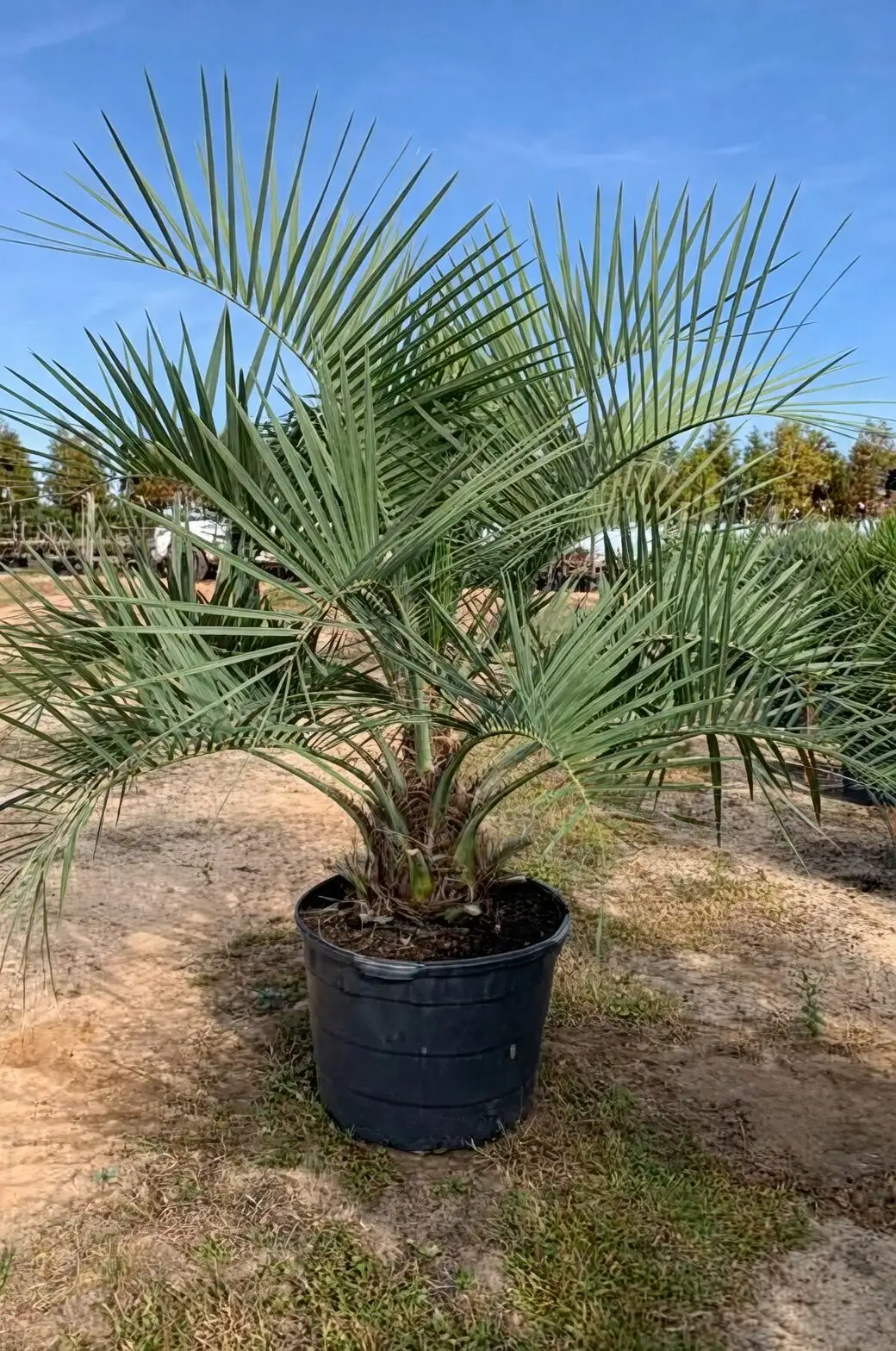
Think of Butia odorata (aka Pindo Palm, Jelly Palm, Wine Palm) as a sculptural, blue‑green fountain of fronds—elegant enough for a foyer or patio, rugged enough for breezy coastal air. In containers it’s a star, provided you nail three things: a right‑sized pot, ruthless drainage, and a cool‑bright winter pause at 5–12°C (41–54°F). Here’s the game plan that keeps those fronds lush without drowning the roots.
Meet Butia odorata: the blue‑green statement palm that loves a smart pot
- Look: Feather‑like fronds in a silvery blue‑green crown atop a textured trunk; the silhouette is broad and architectural.
- Size in containers: Often kept compact; outdoors it can reach about 1.8 m tall × 1.5 m wide (5.9 × 4.9 ft). The crown tends to be nearly as wide as the plant is tall.
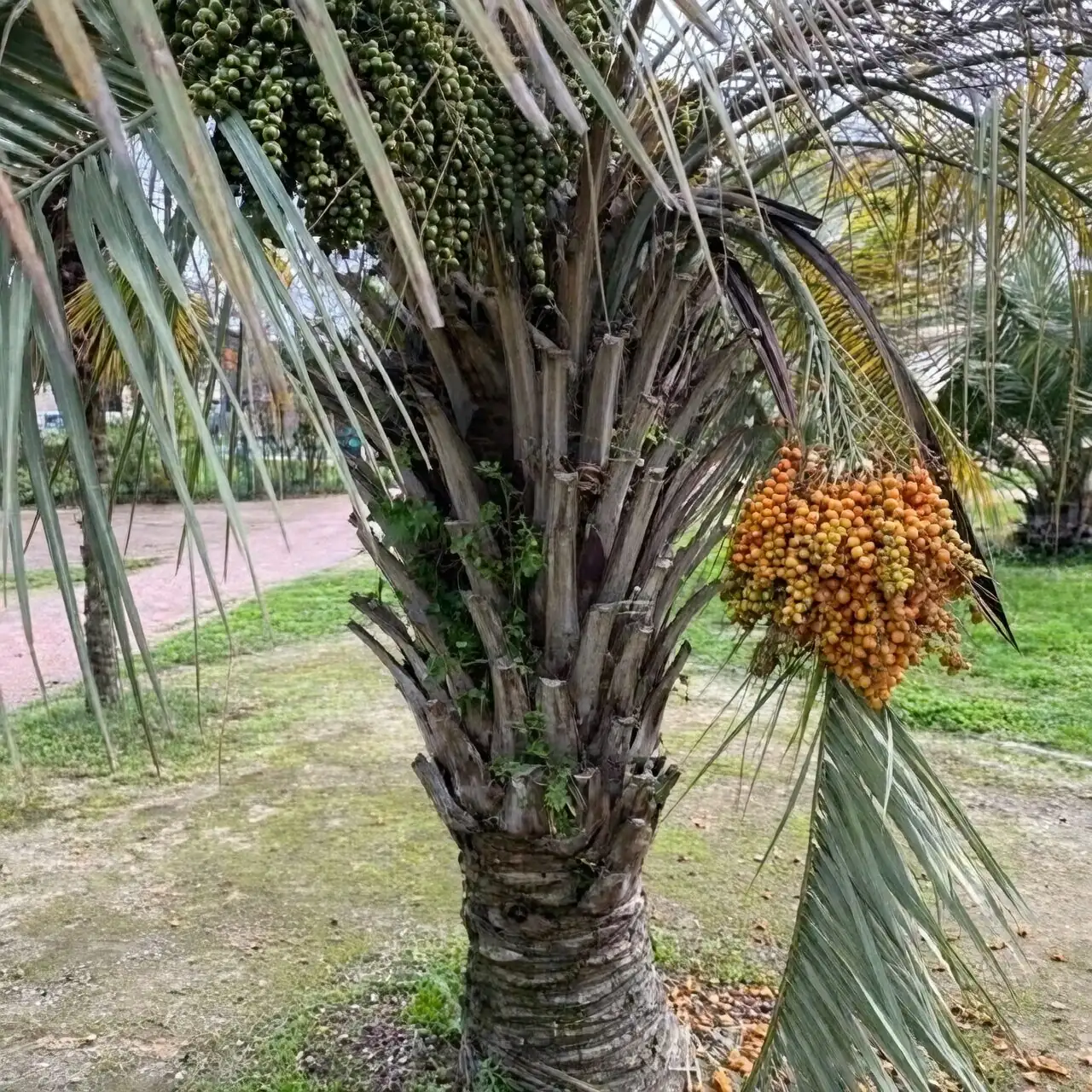
- Flowers/fruits: Creamy summer blooms on mature plants followed by aromatic, edible fruits (famous for jelly; also fermentable).
- Light: Part sun to bright filtered light; indoors, give the brightest window you have. In very hot climates, protect from harsh midday sun.
The right container: stable, just‑big‑enough, and ready to roll
Choose a pot that supports the palm’s heft without tempting root rot.
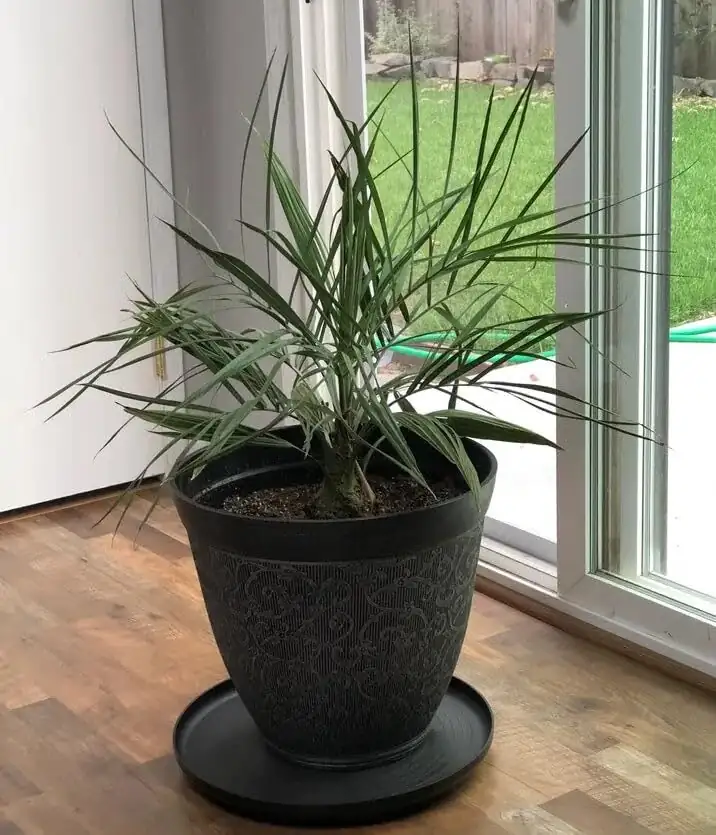
- Size: Only 2–5 cm (1–2 in) wider than the current root ball. Oversized pots stay wet too long.
- Shape/material:
- Low, broad, and heavy enough to counter the “sail effect” of long fronds.
- Breathable clay or fiberstone helps excess moisture evaporate; durable plastic is lighter but retains moisture longer—fine if your mix is extra‑gritty and you water sparingly in winter.
- Drainage holes: Multiple large holes are non‑negotiable. Cover with mesh or a shard to keep mix in place, not gravel (which can raise a perched water table).
- Double‑potting option: A grower’s pot set on risers inside a decorative cachepot works—so long as you can tip/empty any collected water immediately after watering.
Drainage must‑dos: how to keep a palm out of trouble
Think “colander,” not “bathtub.”
- The mix: Use a free‑draining, loam‑based palm blend or palm/cactus style mix. For DIY, try roughly:
- 50–60% quality loam‑based potting soil (palm mix if available)
- 20–30% coarse mineral grit (pumice/perlite/expanded clay)
- 10–20% fine bark for structure and airflow
- Elevate the pot: Use pot feet or a caddy so water exits fast and air moves under the base.
- Skip the saucer—or empty it within 10 minutes of watering.
- Keep the crown high and dry: Plant so the leaf bases sit just above the soil line. Water the soil, not the crown.
- Repot only when root‑bound (every 2–3 years in spring). Between repots, refresh the top 3–5 cm (1–2 in) of mix annually.
The caster playbook: mobility without mishaps
Big palm, small effort—roll it like luggage.

- Choose a caddy rated for at least 1.5× the total weight (pot + wet soil + palm).
- Go wide and low: A platform nearly as wide as the pot resists tipping; 360° lockable casters keep it steady while watering or on breezy patios.
- Non‑marking wheels are kinder to floors; larger wheels cross thresholds smoothly.
- Quarter‑turn the pot weekly for even light—easy when it’s on wheels.
- For cachepots, a caddy under the decorative vessel lets you move the whole ensemble at once.
Watering rhythm: lush fronds without soggy roots
Butia odorata likes an evenly moist—but never wet—mix in the growing season and a distinctly drier rest in winter.
- Spring to autumn:
- Water thoroughly when the top 3–5 cm (1–2 in) has dried. Let excess drain completely; then empty the saucer.
- Use a wooden skewer or your finger as a moisture gauge; also learn the pot’s “heft” when dry vs. watered.
- Winter (details in the routine below): Water sparingly—only after the surface has dried—because metabolism slows in cool conditions.
- Never compensate for dry air by overwatering. If tips brown in hot spells, raise humidity (misting or a pebble tray) rather than adding extra water.
Light and placement: bright, gentle sun
- Outdoors: Part sun to light shade; in very hot regions, give morning sun and afternoon shade to prevent scorch.
- Indoors: Brightest possible spot near a sunny window or in a conservatory.
- Drafts/wind: Choose a sheltered location; fronds are tough but prefer steady conditions.
The bright‑cool overwintering routine (5–12°C) that works
A cool, bright pause keeps roots safe and fronds fresh.
Before the move (late autumn)
- Inspect and treat any scale, mealybugs, or spider mites.
- Stop fertilizing.
- Reduce watering frequency two weeks ahead so the mix isn’t soggy on moving day.
The setup (all winter, target 5–12°C / 41–54°F)
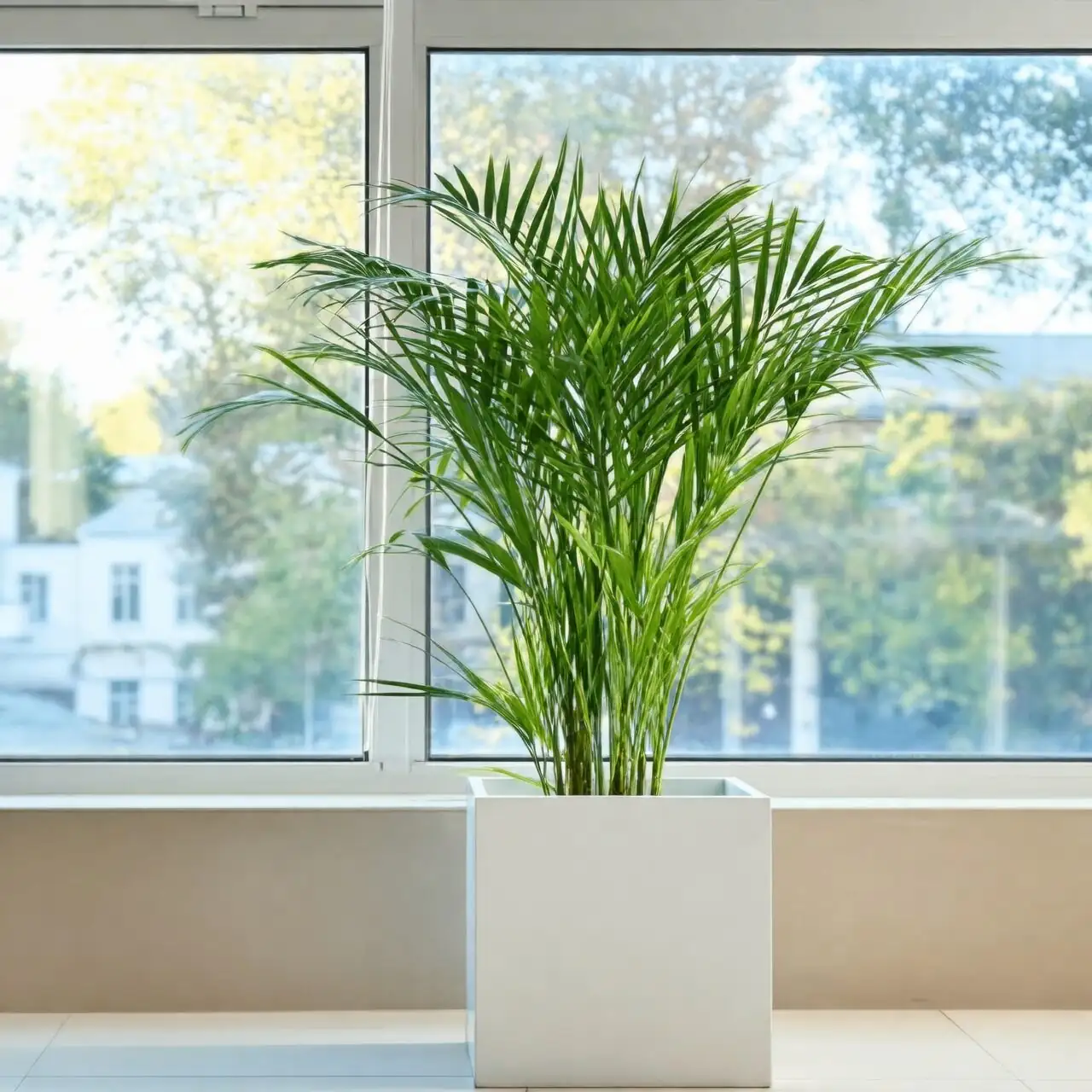
- Light: As bright as possible—sunroom, bright stairwell, or a large south/east window. If light is limited, add a simple LED grow light for 10–12 hours daily.
- Temperature: Steady 5–12°C is perfect. Avoid frost pockets and night‑radiation chills from windowpanes touching fronds.
- Watering: Sparing and methodical.
- Wait until the top 3–5 cm (1–2 in) is dry.
- Water slowly with room‑temperature water until it just begins to drain; stop, let it run through, and empty the saucer.
- Expect intervals to stretch—often 2–4 weeks, depending on pot/mix/light.
- Humidity: Moderate is fine. Use a pebble tray (pot above waterline) or light misting on mild days. Ensure good air movement to discourage fungus.
- No feeding. No repotting.
- Hygiene: Wipe fronds monthly to remove dust; check for pests. If oil‑based sprays are needed, apply on a mild day when the plant and room are above ~10°C so the film dries well.
Spring return
- When nights are consistently mild, acclimate outdoors over 7–10 days: bright shade first, then gentle morning sun.
- Resume regular watering and monthly feeding as new growth stirs.
Feeding, pruning, and repotting—simplified
- Fertilizer: Monthly, spring to autumn, with a balanced liquid feed; palm formulas with micronutrients help prevent deficiencies. Pause in winter.
- Pruning: Remove only fully brown, dead fronds and old flower/fruit stalks. Avoid cutting green fronds, which weakens the palm.
- Repotting: Spring, only when root‑bound. Choose the smallest pot that comfortably fits the root ball.
Common snags and easy fixes
- Root rot: The number one preventable issue. Use a fast‑draining mix, right‑sized pot, elevation, and sharp winter water cutbacks.
- Pests: Scale, mealybugs, and spider mites are the usual suspects—especially in dry indoor air. Increase humidity, rinse fronds, and use targeted treatments if needed.
- Brown tips: Often low humidity or salt buildup. Improve humidity and flush the potting mix occasionally during the growing season.
Safety, fruit, and a note on symbolism
- Safety: Generally non‑toxic to people and pets; fruits are edible. Petiole edges can be sharp—gloves help.
- Fruit: Fragrant, apricot‑like pulp is traditionally cooked into jellies and even fermented drinks.
- Symbolism: More “Mediterranean promenade” than formal flower language—Butia odorata evokes coastal ease, sunny resilience, and resort‑style elegance. Its association comes from historic plantings in seaside towns rather than ancient folklore.
Seasonal cheat sheet
- Spring: Refresh top‑dressing; repot if root‑bound. Resume monthly feeding. Even moisture, bright light.
- Summer: Part sun, protect from harsh midday rays in very hot regions. Water evenly, never soggy. Watch for pests; increase humidity in heat.
- Autumn: Gradually reduce watering; stop feeding. Prep for the cool‑bright move.
- Winter (5–12°C): Brightest light available. Water sparingly—only after the surface dries. No feed, no repot. Keep the crown dry and the pot elevated.
Quick kit list: well‑drained palm mix, mesh for drain holes, pot feet or a locking‑caster caddy, a moisture “skewer,” balanced palm fertilizer (for spring–autumn), and a pebble tray. With that, your Pindo Palm will wear winter like a cozy pause—and greet spring with that signature blue‑green flourish.