

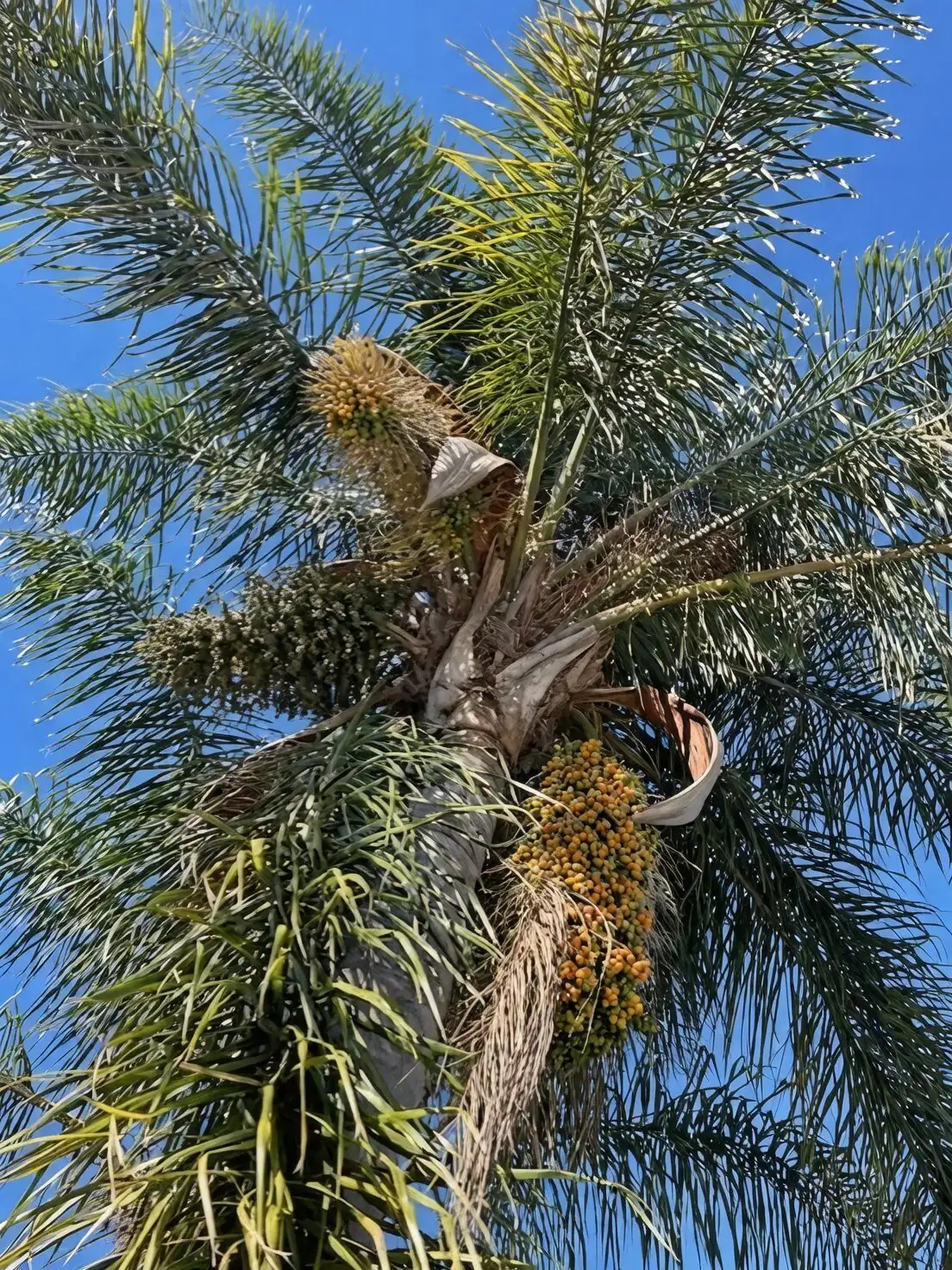
If you’ve ever walked under a Pindo palm on a hot afternoon and caught a whiff of something tropical—like apricot jam kissed by citrus—you’ve met the scented calling card of Butia odorata. Known affectionately as Pindo Palm, Jelly Palm, or Wine Palm, this blue‑green, feather‑fronded beauty doesn’t just look like vacation; it tastes like it, too. Its summer flowers ripen into fragrant, edible fruits that practically beg to be turned into jelly, syrup, and breezy, ferment‑friendly drinks. Here’s how to harvest, prep, and bottle that perfume so it brightens your breakfasts, glazes, and glasses year‑round.
Meet the plant: Butia odorata at a glance
- Common names: Pindo Palm, Jelly Palm, Wine Palm, Butia Palm
- Scientific name: Butia odorata (Arecaceae)
- Native range: Southern Brazil and Uruguay; widely grown in warm, coastal locales (even the French Riviera in cultivation)
- Look: A bold, single‑trunk palm crowned with arching blue‑green fronds; creamy summer flowers followed by highly aromatic fruit
- Why cooks love it: The fruit is edible, naturally high in pectin (hello, jelly!), and famously fermentation‑friendly
When and how to harvest
Timing and ripeness cues
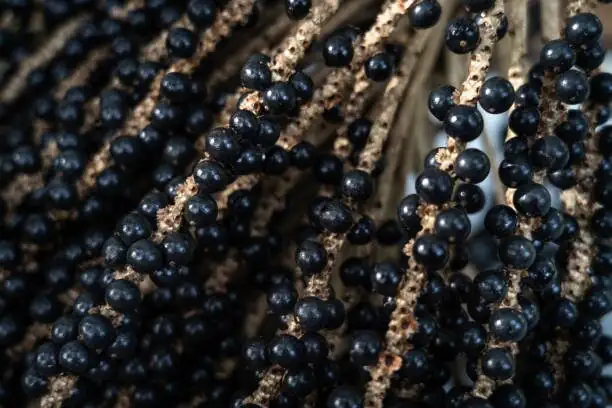
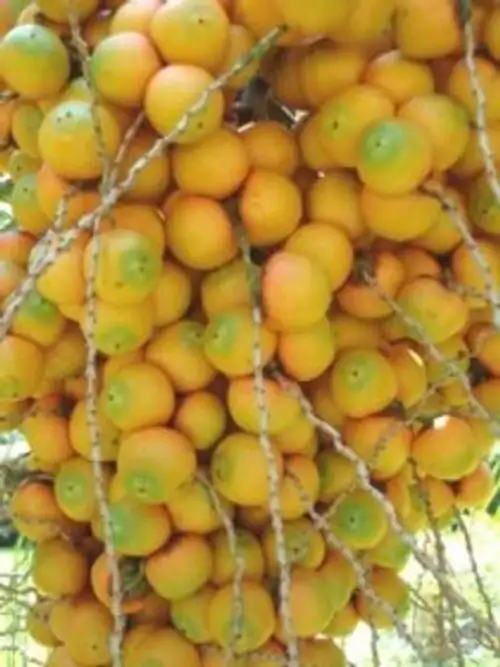
- Color and aroma: Ripe fruits turn deep golden to banana‑yellow, sometimes with a rosy blush. They smell sweet‑tart and tropical.
- Touch: Fruits should detach with a gentle twist or drop naturally. Fallen fruit is fair game if sound and unbruised.
- Taste test: Expect a bright, tart‑sweet flavor—often described as apricot‑pineapple‑apple with a floral lift.
Harvest safely
- Mind the leaf edges: The petiole bases can have small teeth; wear gloves and long sleeves.
- Choose clean sites: Avoid fruit from areas treated with pesticides or where pets frequent. Rinse well as soon as you get home.
Quick clean and prep
- Destem and rinse the fruit in cool water.
- Pat dry and sort out any moldy or split fruit.
- For jelly, syrup, or juice: Leave skins on; the pulp and skins contribute flavor, color, and pectin.
- Discard the large, very hard seed when you mill or strain the pulp.
Pro tip: Freeze, then thaw. A 24‑hour freeze/thaw cycle helps rupture cell walls, boosting juice yield and aroma.
Extracting juice (and outsmarting the fiber)
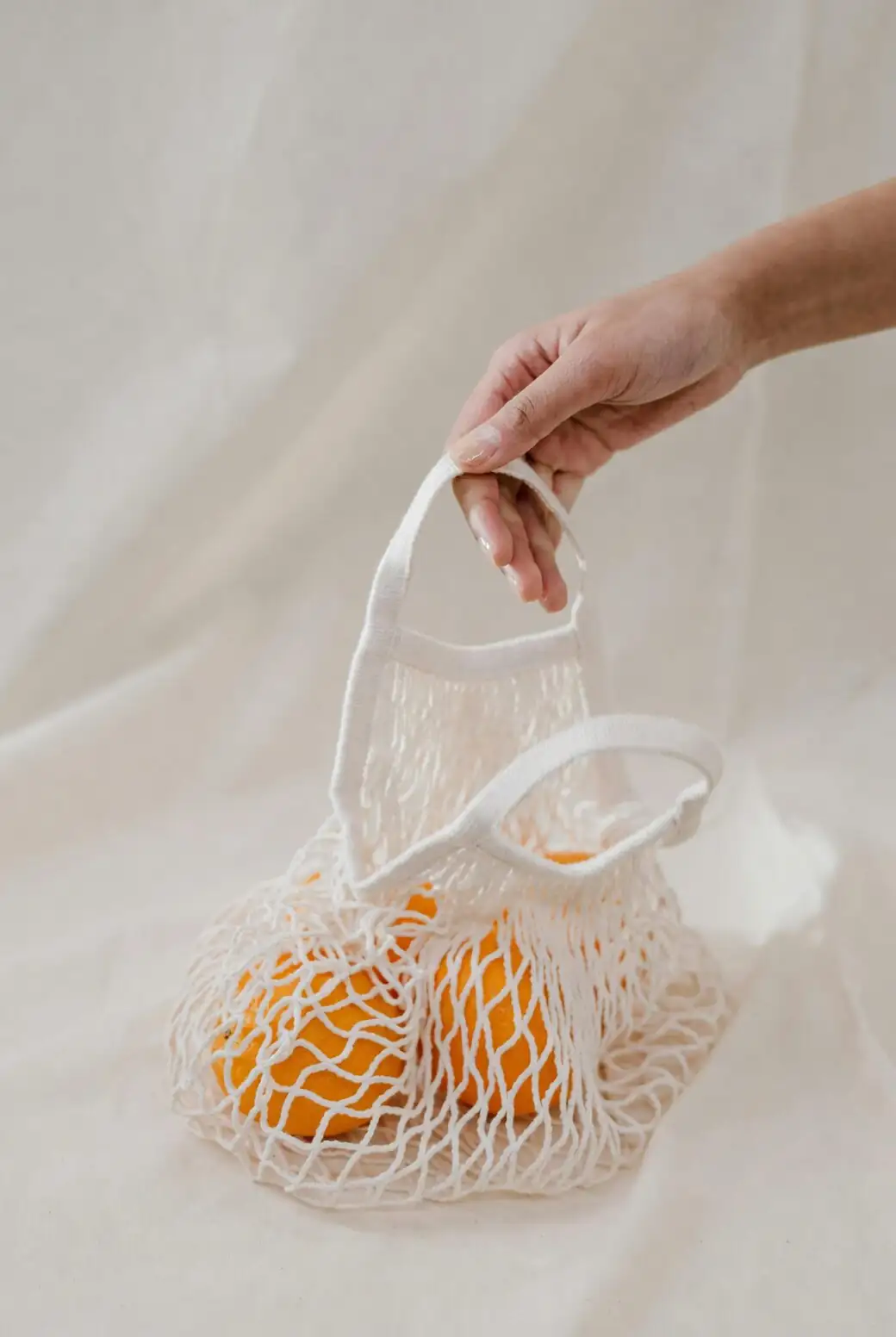
Butia fruit is famously fibrous, which is terrific for jelly body but trickier for sipping. Two easy routes:
- Hot “mash‑and‑strain” method
- Combine 1 kg fruit with 750 ml water in a nonreactive pot.
- Simmer 15–20 minutes until soft. Mash with a potato masher.
- Pass through a food mill or press, then strain in a jelly bag overnight for clear juice.
- Cold press + brief heat
- Pulse thawed fruit in a blender just to break it up (don’t puree the seeds).
- Press through a fine sieve or nut‑milk bag.
- Heat the juice to 74°C/165°F for 2 minutes for a “hot break” that tames enzymes and stabilizes flavor.
Clarity tip: For wines and long infusions, a pinch of pectic enzyme (per package directions) reduces haze from the fruit’s natural pectin.
Yield guide: From 1 kg fruit, expect roughly 400–600 ml juice, depending on ripeness and technique.
Small‑batch recipes that spotlight the fragrance
Fragrant Pindo Jelly (makes about 2–3 half‑pint/240 ml jars)
This leans into the palm’s natural pectin for a lush, spoon‑coating set and golden, tropical perfume.
- You’ll need
- 750 ml strained Pindo juice (from about 1–1.5 kg fruit)
- 350–450 g sugar (1¾–2¼ cups), to taste
- 2–3 tbsp fresh lemon juice (for brightness and set)
- Optional: 1 tsp vanilla paste or a few strips of lemon zest
- Method
- Warm juice with lemon in a wide pot; add sugar and stir to dissolve.
- Boil briskly, skimming foam. Aim for 105°C/221°F (gel point) or use the frozen‑plate wrinkle test.
- Off heat, add vanilla/zest if using; rest 2 minutes to settle bubbles.
- Ladle into hot, sterilized jars, leaving 6 mm/¼ in headspace. Wipe rims, lid, and process 10 minutes in a boiling‑water bath (adjust for altitude).
- Cool 12–24 hours. Store sealed jars in a cool, dark place; refrigerate after opening.
- Serving ideas
- Swirl into yogurt with toasted coconut.
- Brush over warm butter cakes or grilled pineapple.
- Melt with a splash of rum for a 2‑minute ham or chicken glaze.
Low‑sugar option: Use a low/no‑sugar pectin per packet directions and reduce sugar to 200–250 g per 750 ml juice.
Golden Pindo Syrup (about 500 ml)
A fast, versatile syrup with punchy aroma for sodas, pancakes, and cocktails.
- 2 cups (480 ml) Pindo juice
- 1–1¼ cups (200–250 g) sugar or light honey
- 1–2 tbsp lemon juice
- Pinch salt
Simmer 3–5 minutes to fully dissolve. Bottle hot in clean jars. Chill and keep refrigerated up to 3–4 weeks, or freeze in ice‑cube trays for long storage.
- Try it with
- Sparkling water + lime + a pinch of chili salt
- Daiquiris, spritzes, and tiki riffs (pairs beautifully with rum or tequila)
- Roasted carrots or winter squash (toss with syrup, olive oil, and cumin)
Ferment‑friendly drink ideas
Pectin‑smart Pindo Country Wine (1 gallon/3.8 L)
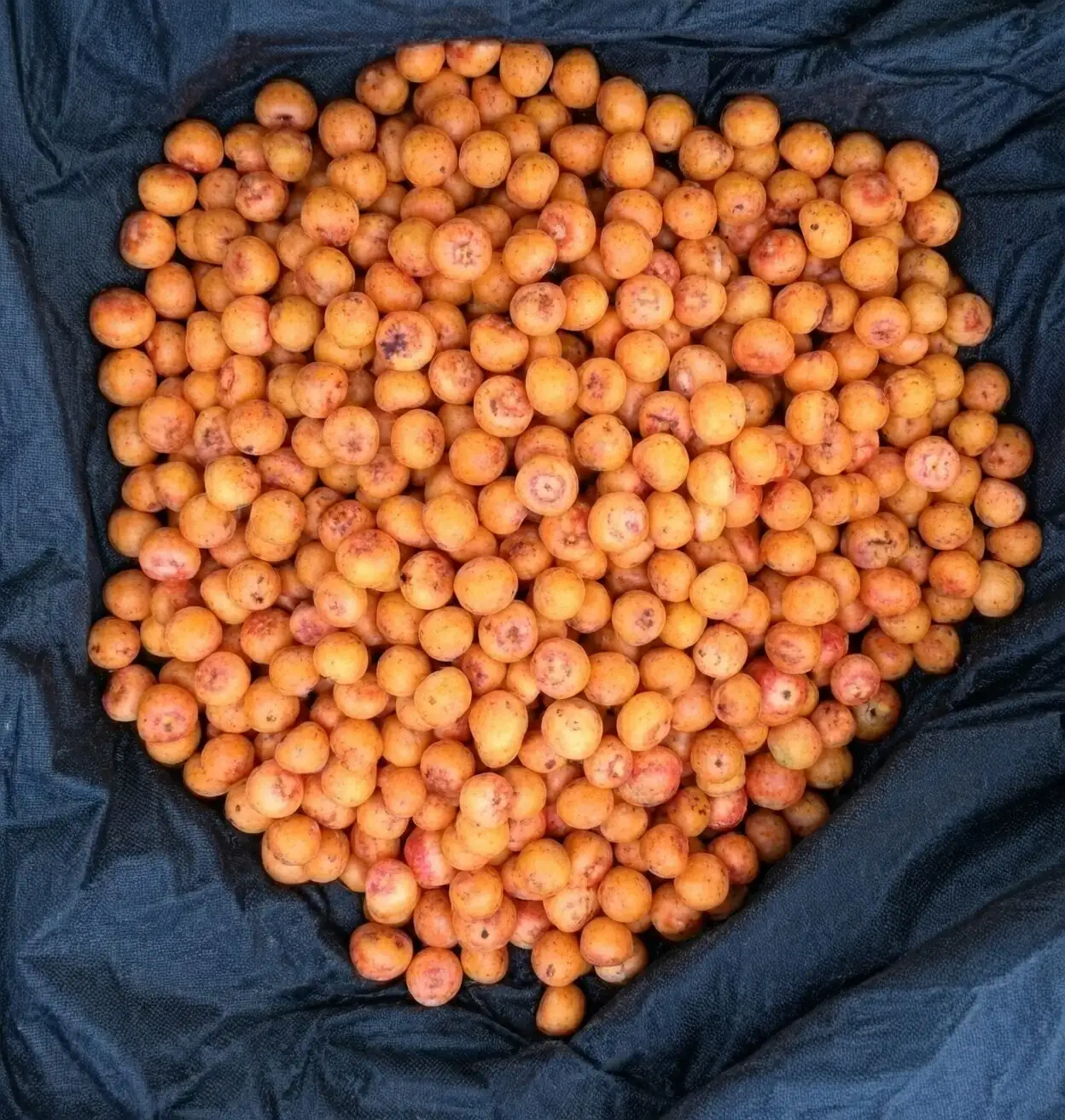
Bright, perfumed, lightly tropical—and clearer when you use pectic enzyme.
- Fruit: 4 lb (1.8 kg) ripe fruit or 1.5–2 L clarified juice
- Water to 1 gallon
- Sugar to OG ~1.085–1.095 (about 2–2.5 lb/900–1,100 g, depending on juice)
- 1 tsp pectic enzyme (before yeast)
- 1 tsp yeast nutrient
- Wine yeast: 71B, QA23, or EC‑1118 (clean/fruity)
- Optional: acid blend to pH 3.2–3.6 or TA ~6–7 g/L
Method
- Sanitize all equipment. In the primary, combine juice/water, sugar (check gravity), nutrient, and pectic enzyme; rest 12 hours.
- Pitch yeast at 16–20°C/60–68°F. Ferment 7–10 days, stirring daily the first few days.
- Rack to secondary, fit an airlock. Clarify naturally or with finings. Age 3–6 months, then bottle.
- Dry to off‑dry styles both work; back‑sweeten modestly to spotlight aroma.
Note: Without pectic enzyme you may get a charmingly “cloudy country wine.” Flavor is still excellent.
Effervescent Pindo Tepache‑Style Fresco (2 liters, low ABV)
A sun‑tea‑meets‑tropical‑soda that sings with breakfast tacos or spicy noodles.
- 1 L Pindo juice + 1 L water
- 150–200 g piloncillo/brown sugar
- 2–3 thin ginger slices, 1 small cinnamon stick (optional)
- Pinch sea salt
- Starter: 2 tbsp active ginger bug or a spoonful of whey (optional; speeds fermentation)
Stir to dissolve. Cover the jar with cloth and ferment 24–72 hours at warm room temp until lightly tart and bubbly. Strain, bottle with ½ tsp sugar per 355 ml/12 oz for fizz, and chill. Burp as needed. Drink within 3–5 days.
Session Pindo Mead Spritz (about 2 L)
Honey lifts the palm’s fragrance into a breezy aperitif.
- 1 L Pindo juice + 1 L water
- 250–300 g honey
- 1 small pinch yeast nutrient
- 1–2 pinches wine yeast (71B or D47) or a clean ale yeast
Ferment 3–5 days until lightly dry and effervescent. Chill, then bottle cold for gentle sparkle, or serve still over ice with citrus. Keep refrigerated and enjoy within 1–2 weeks.
Fermentation basics
- Cleanliness counts: Sanitize to avoid off‑flavors.
- Mind the pressure: For bottled ferments, use sturdy bottles, refrigerate promptly, and burp if needed.
- Pectin management: A little pectic enzyme before pitching yields brighter, clearer drinks.
Flavor pairings and kitchen riffs
- Citrus: lime, lemon, yuzu
- Spices: ginger, cardamom, vanilla, cinnamon, star anise
- Herbs: mint, Thai basil, lemongrass
- Spirits and sippers: white rum, cachaça, tequila blanco, dry vermouth, prosecco
- Savory twists: chili, cumin, and coriander for glazes; a spoon of syrup in vinaigrettes for shrimp, fennel, or citrus salads
Try: Whisk 1 tbsp Pindo syrup with 1 tbsp rice vinegar, 2 tbsp olive oil, a pinch of chili, and sea salt—instant salad sparkle.
Grower’s sidebar for cooks (so you can harvest your own)
- Light: Part sun to bright filtered light; protect from harsh midday sun in very hot climates.
- Temperature: 10–24°C (50–75°F) for active growth; if container‑grown, winter bright and cool at 5–12°C (41–54°F).
- Soil: Free‑draining, loam‑based palm mix. Don’t oversize the pot.
- Water: Evenly moist spring–autumn; much less in winter—never soggy.
- Feeding: Monthly during the growing season with a balanced or palm‑specific fertilizer. Pause in winter.
- Hardiness: Generally USDA 8b–11 once established. Shelter containers during hard freezes.
- Pruning: Remove only fully brown fronds; trim spent flower/fruit stalks after they finish.
Common hiccups: Scale, mealybugs, spider mites (especially indoors with dry air). The big avoidable one is root rot from poor drainage.
Safety and handling notes
- Non‑toxic: The fruit is edible and generally safe for people and pets.
- Sharp bits: Leaf bases can be spiky—gloves help when harvesting.
- Fiber factor: The pulp is fibrous; many cooks strain it out. If tasting raw, start small to see how your stomach feels.
Symbolism and “flower language”
Butia odorata is often used as a shorthand for coastal ease and sunny resilience—the promenade palm that says holiday even on a Tuesday. Traditional “flower language” (Victorian floriography) didn’t include this South American palm, so modern meanings are poetic rather than historical. Today, gardeners read its blue‑green fronds and fragrant fruit as emblems of relaxed abundance: a plant that looks sculptural and still feeds you jam, jelly, and joy.
Your next kitchen session
If you’ve got a basket of fallen Pindo fruit, you’re already halfway to something wonderful. Start with the mash‑and‑strain juice, set aside a few jars of jelly for toast and glazes, freeze a tray of syrup cubes for instant spritzes, and let a small, well‑sanitized batch burble into a bright country wine. Few plants deliver both postcard looks and pantry magic like Butia odorata—and once you’ve caught that fragrant note in your kitchen, you’ll be listening for it every summer.