


Step onto a seaside promenade and you’ll likely meet a familiar silhouette: a stout, textured trunk rising to a generous fountain of blue‑green fronds that sway like slow waves. That is Butia odorata—better known as the Pindo Palm, Jelly Palm, or Wine Palm—an easy-going palm that has come to embody coastal leisure, café patios, and sundown strolls. Native to southern Brazil and Uruguay yet celebrated along Mediterranean-style waterfronts (think the French Riviera), it’s a plant that tells a story of place, pleasure, and plenty—especially once its fragrant, edible fruits ripen.
A palm that paints the promenade
Butia odorata has an architectural poise that designers love:
- Feather-like fronds in a distinctive blue‑green to silvery tone
- A stout, handsomely patterned trunk
- A crown that often spreads as wide as the plant is tall, giving true “statement plant” presence
Its tolerance of breezy, coastal conditions and part sun makes it a natural for resort entries, esplanades, and sunlit courtyards. Mature plants produce creamy summer flowers followed by scented, edible fruits that perfume the air—small but powerful ambassadors of local flavor.
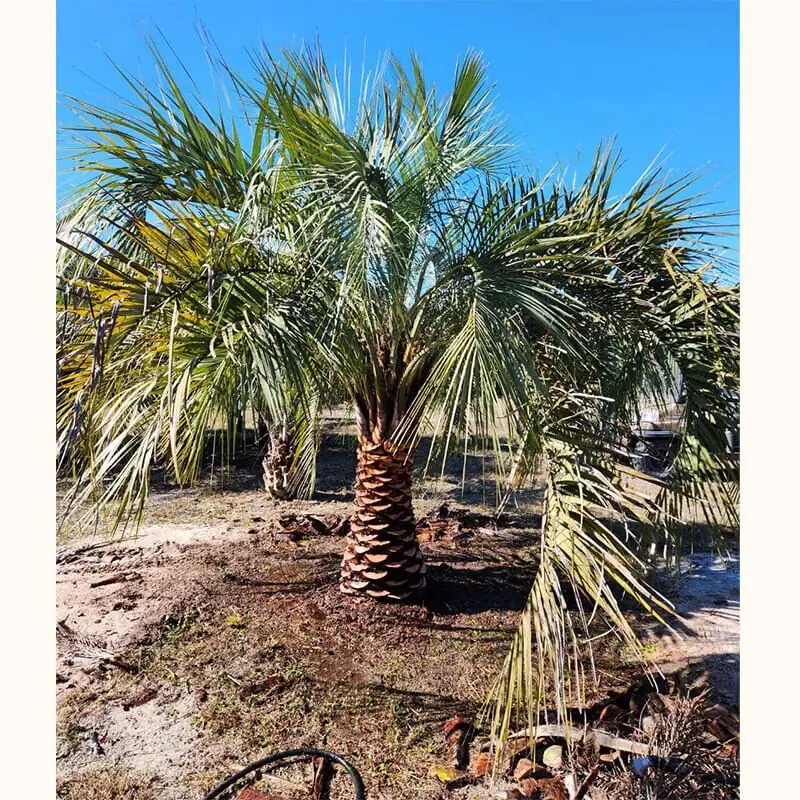
A Riviera silhouette with southern roots
- Native range: southern Brazil and Uruguay.
- Cultural icon: widely planted in Mediterranean-style landscapes and resort towns, lending that relaxed “holiday promenade” feel.
- Names you’ll hear: Pindo Palm, Jelly Palm, Butia Palm, and Wine Palm.
A horticultural footnote: In gardens and nurseries, this species was long muddled with the more tropical Butia capitata. Today, B. odorata is the go-to name for the hardy, blue‑green beauty common in warm-temperate coasts.
Fruit, flavor, and the gentle art of seaside sweetness
Those sunny, late-season clusters aren’t just photogenic—they’re delicious. The Jelly Palm’s fruit has a fragrant, sweet-tart character that locals turn into:
- Jellies and jams (the nickname “Jelly Palm” says it all)
- Syrups and compotes for desserts and breakfast spreads
- Fermented drinks and liqueur-style sips at the beach bar
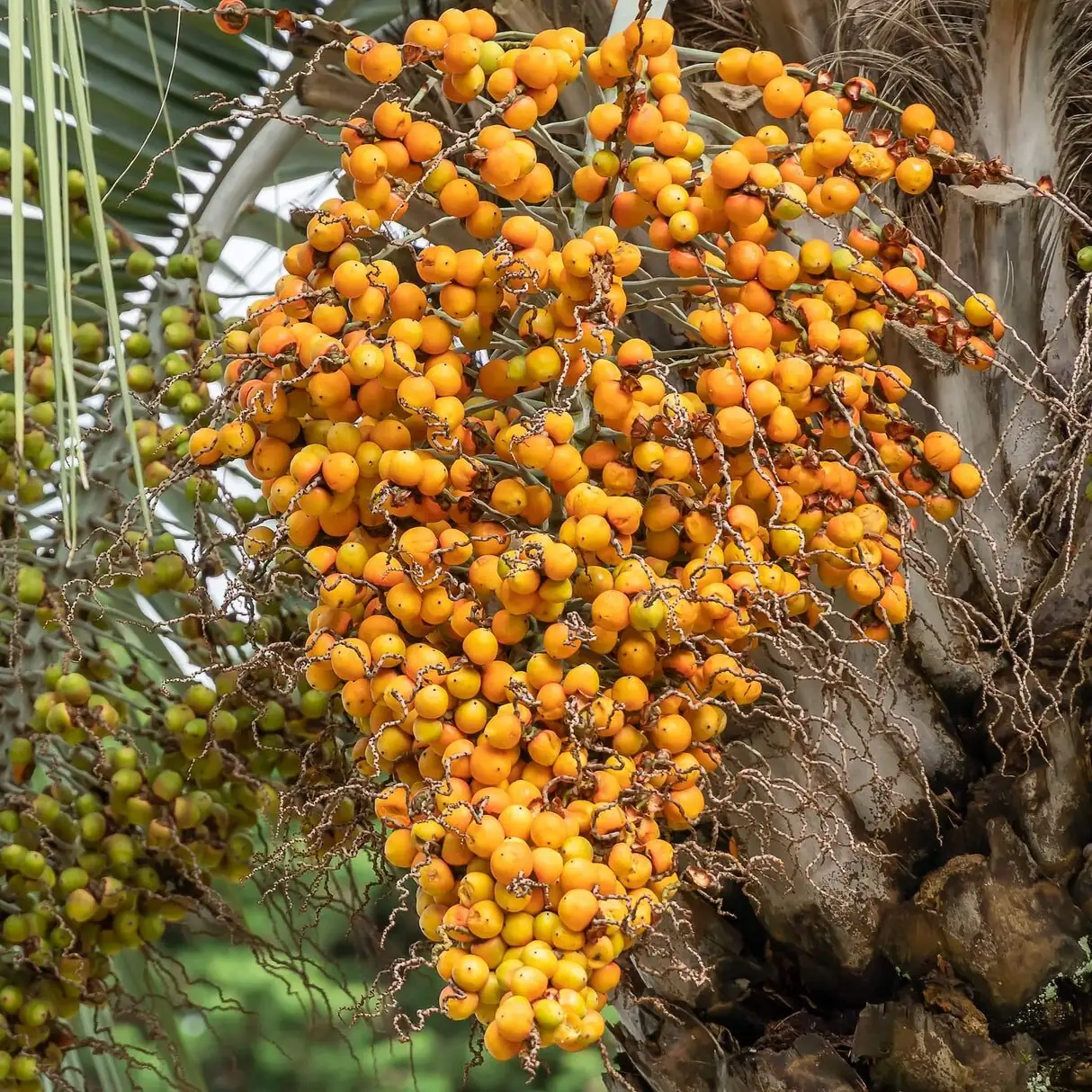
Because the fruits are naturally aromatic, even a small harvest can perfume a kitchen. Resorts sometimes spotlight them as house-made specialties—an edible sense of place you won’t find in a mass-produced jar.
Kitchen notes to capture the coast
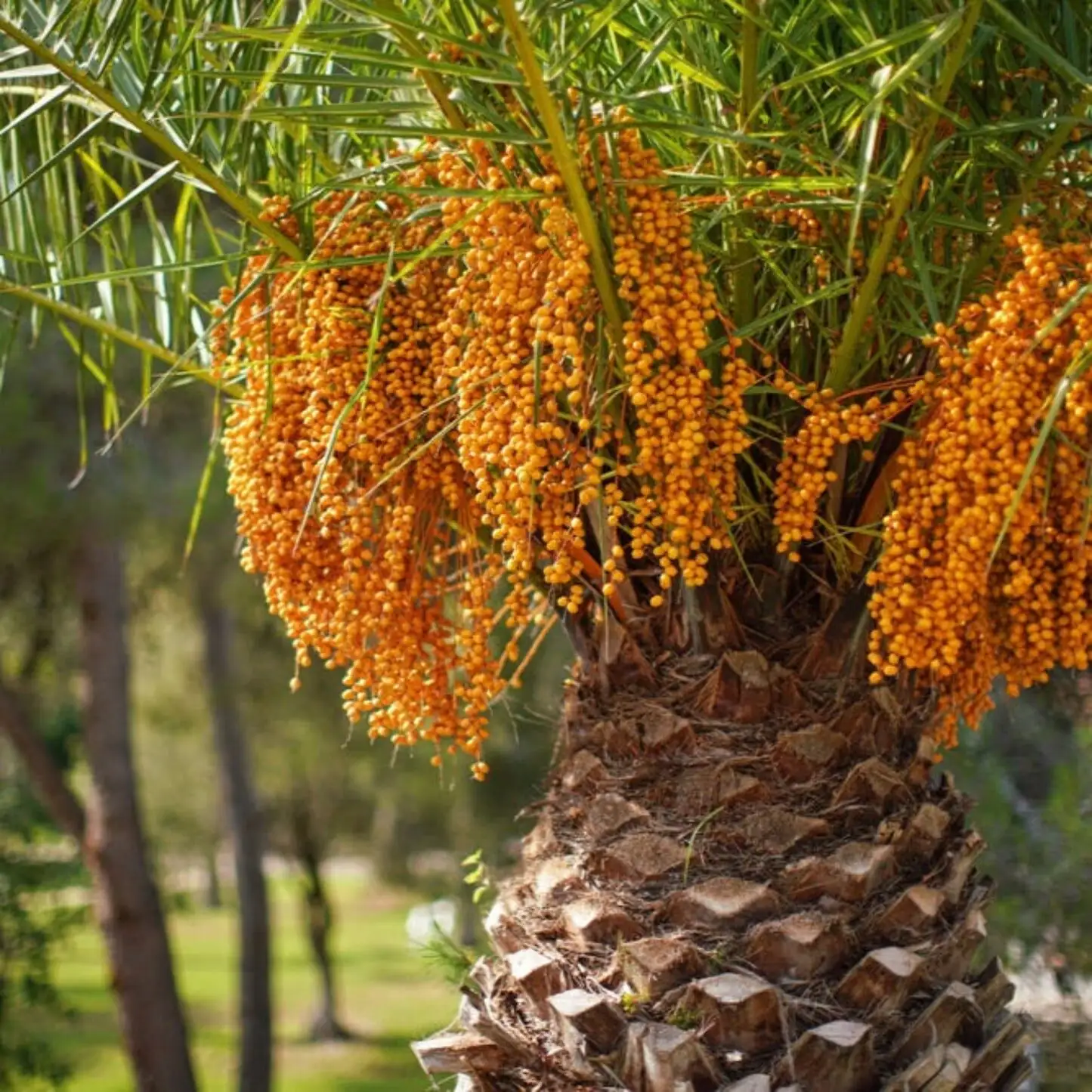
- Harvest ripe, fragrant fruits from mature palms in summer to early autumn.
- Strain out the fibrous pulp to make a clear, sunset-gold jelly or syrup.
- Pairings: citrus, vanilla, and tropical notes shine; serve with soft cheeses or spooned over gelato.
What a Pindo Palm “means” in a seaside setting
Palms, broadly speaking, have carried potent symbols for millennia—oasis, respite, hospitality, triumph, and paradise. But Butia odorata layers in a specifically coastal, culinary, and modern-resort twist.
- Coastal elegance and ease: Its airy, arching crown reads as effortless, breezy, and beautifully composed.
- Resilience with grace: Hardy for a feather-leaved palm and tolerant of coastal exposure, it quietly embodies stamina without bluster.
- Hospitality and welcome: Palms flank entries for a reason—they say “come in,” “stay awhile,” and “you’ve arrived.”
- Local flavor: The edible fruit anchors meanings of generosity and seasonal abundance—hospitality you can taste.
About that “flower language” (and why it doesn’t exist here)
There’s no formal historical “flower language” entry for Butia odorata in Victorian floriography, hanakotoba, or classical emblem books. The associations we give this palm are modern and cultural, shaped by:
- Place-making: Its frequent use on promenades and resort frontages builds a shared mental picture of vacation and sea-breeze calm.
- Design language: Blue‑green fronds and sculptural form signal sophistication without stiffness.
- Seasonal ritual: Summer flowers and edible fruits create rhythms of scent, harvest, and sharing.
- Storytelling and media: Travel writing, branding, and social snapshots reinforce the palm as shorthand for escape and warmth.
So when people talk about the Pindo Palm “meaning” relaxed resilience, coastal hospitality, or sweet abundance, they’re reading a contemporary, place-based language—born of design choices, lived experience, and the fruit on the table—not a codified historical lexicon.
Where it shines in resorts and home gardens
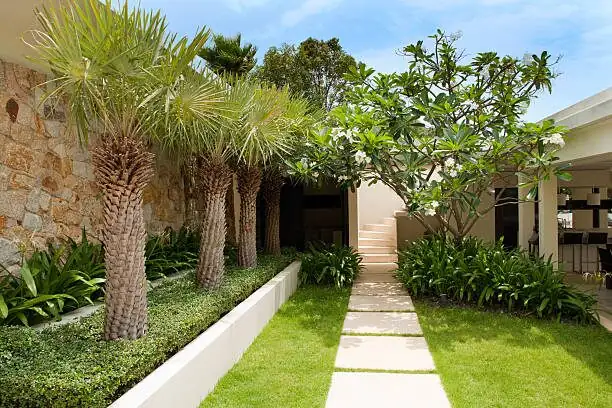
- Light: Part sun to bright, filtered light outdoors; indoors, give the brightest spot near a sunny window. In very hot climates, protect from harsh midday sun to prevent leaf scorch.
- Climate and hardiness: Generally hardy in USDA Zones 8b–11 (about -9 to -12°C / 16–10°F once established). Shelter potted plants in winter; container roots chill faster.
- Soil and water: Free-draining, loam-based palm mix; keep evenly moist spring–autumn but never soggy, then water sparingly in winter.
- Growth habit: Single-trunk, slow to moderate growth, with a broad, sculptural crown; give it generous space so the form reads cleanly.
- Care ease: Low-fuss if you nail drainage and light. Feed monthly in the growing season with a balanced or palm-formula fertilizer; prune only fully brown fronds.
Quick ID—and why it feels so “seaside”
- Blue‑green, feathered fronds that arc and sway, softening hardscapes
- Stout, textured trunk that looks storied even when young
- Creamy summer blooms followed by fragrant, edible fruits
- Natural fit for breezy, salt-kissed locations
A palm that tastes like place
Butia odorata doesn’t just frame sunsets; it puts flavor to memory. Jelly simmered from its aromatic fruit is a spoonful of golden-hour light, while a small-batch fermented sip can feel like the afterglow of a long beach day. Pair that with the palm’s poise—architectural yet relaxed—and you get the essence of seaside culture: resilient, generous, and quietly joyful.
No ancient poet singled out the Pindo Palm by name, and there’s no official entry in the old “languages of flowers.” Instead, this palm’s meanings have grown the way its crown does—organically, in a wide, graceful arc—rooted in real shores, real kitchens, and the shared rituals of escape and return.