


Imagine a palm that smells faintly of summer desserts, tosses silvery-blue feathers in the breeze, and wears an architectural crown like a sun hat. Meet Butia odorata—better known as Pindo Palm, Jelly Palm, or Wine Palm—the charming show-off that turns any space into a seaside promenade.
Meet the Pindo Palm (Butia odorata)
- Family: Arecaceae (the palm family)
- Origin: Native to southern Brazil and Uruguay; historically adored and widely cultivated along the French Riviera
- Look: A stout, textured trunk topped with elegantly arching, feather-like fronds in blue‑green to silvery tones
- Habit: Single trunk with a broad, airy crown—often nearly as wide as the plant is tall
- Size: About 1.8 m tall × 1.5 m wide (around 5.9 × 4.9 ft); slow to moderate growth
Five Quirky Traits That Make It Unforgettable
- The fruit smells like a holiday
- Mature plants produce creamy summer flowers followed by aromatic, edible fruits—famous for jelly and even the occasional fermented sip.
- Fronds with a silvery wink
- Those pinnate, blue‑green to silvery fronds catch light in a way that feels coastal, crisp, and cool—think sea foam meeting stainless steel.
- A crown with serious architecture
- The wide, sculptural canopy is pure drama—perfect for framing entrances, anchoring a courtyard, or ruling a patio container.
- Gentle giant energy, manageable scale
- Strong presence without overwhelming a space; its crown spreads generously while the overall stature stays approachable.
- Sunshine lover with a refined palate
- Thrives in bright, filtered light or part sun; in scorching climates, it prefers a siesta from harsh midday rays.
The Aromatic Fruit: Jelly, Sips, and Sunshine
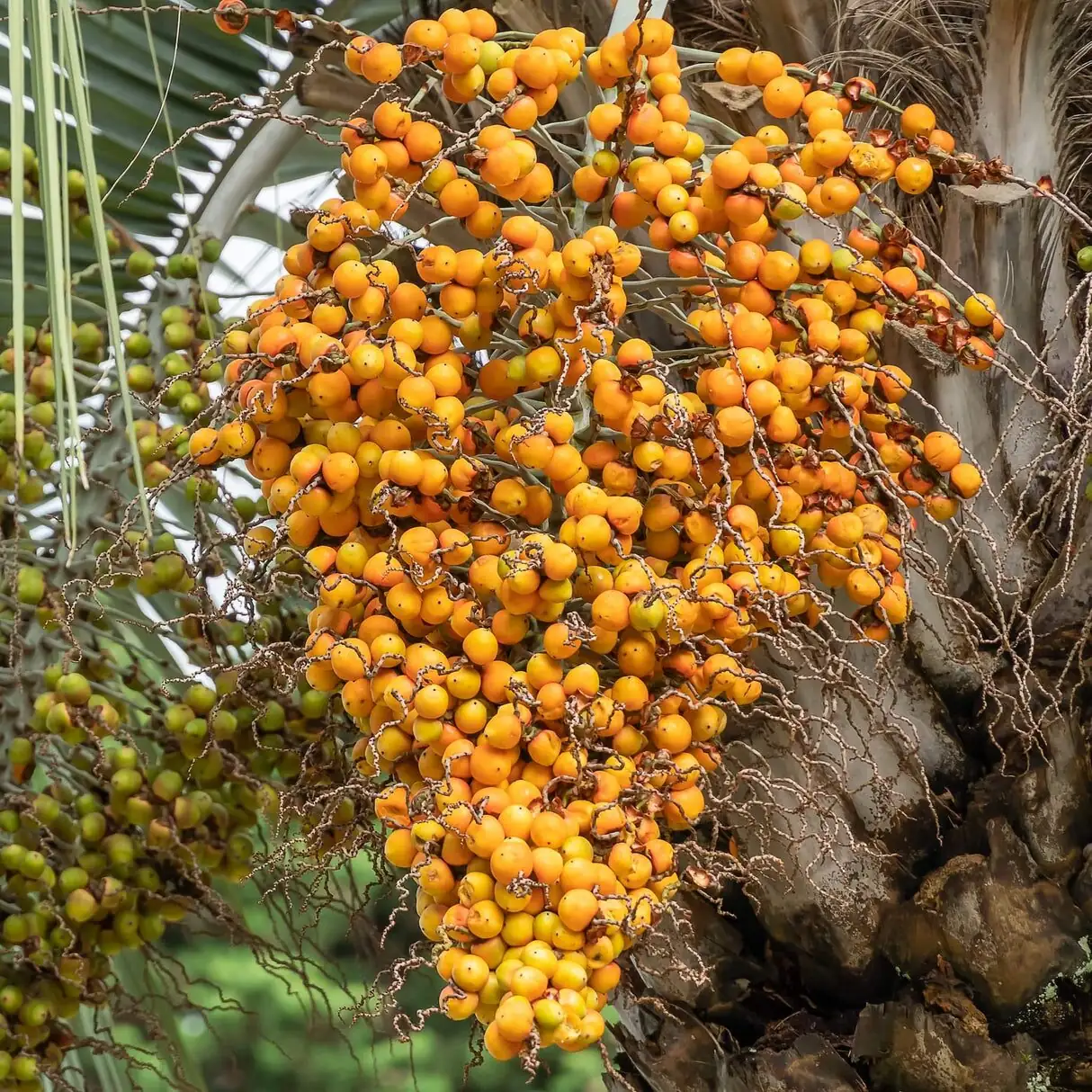
- Season: After summer bloom, fruits ripen into fragrant clusters.
- Flavor vibes: Sweet-tart with tropical overtones—often likened to pineapple and stone fruit when made into preserves.
- Kitchen fun:
- Classic: Jelly Palm jam or jelly (its claim to fame).
- Adventurous: Small-batch fermentation for wine-like drinks.
- Pro tip: Let them fully ripen and fall or detach easily; the aroma should be inviting, never sour.
- Safety: Generally non-toxic to people and pets. As with most palms, leaf edges can be sharp—handle with care.
Light, Temperature, and Placement
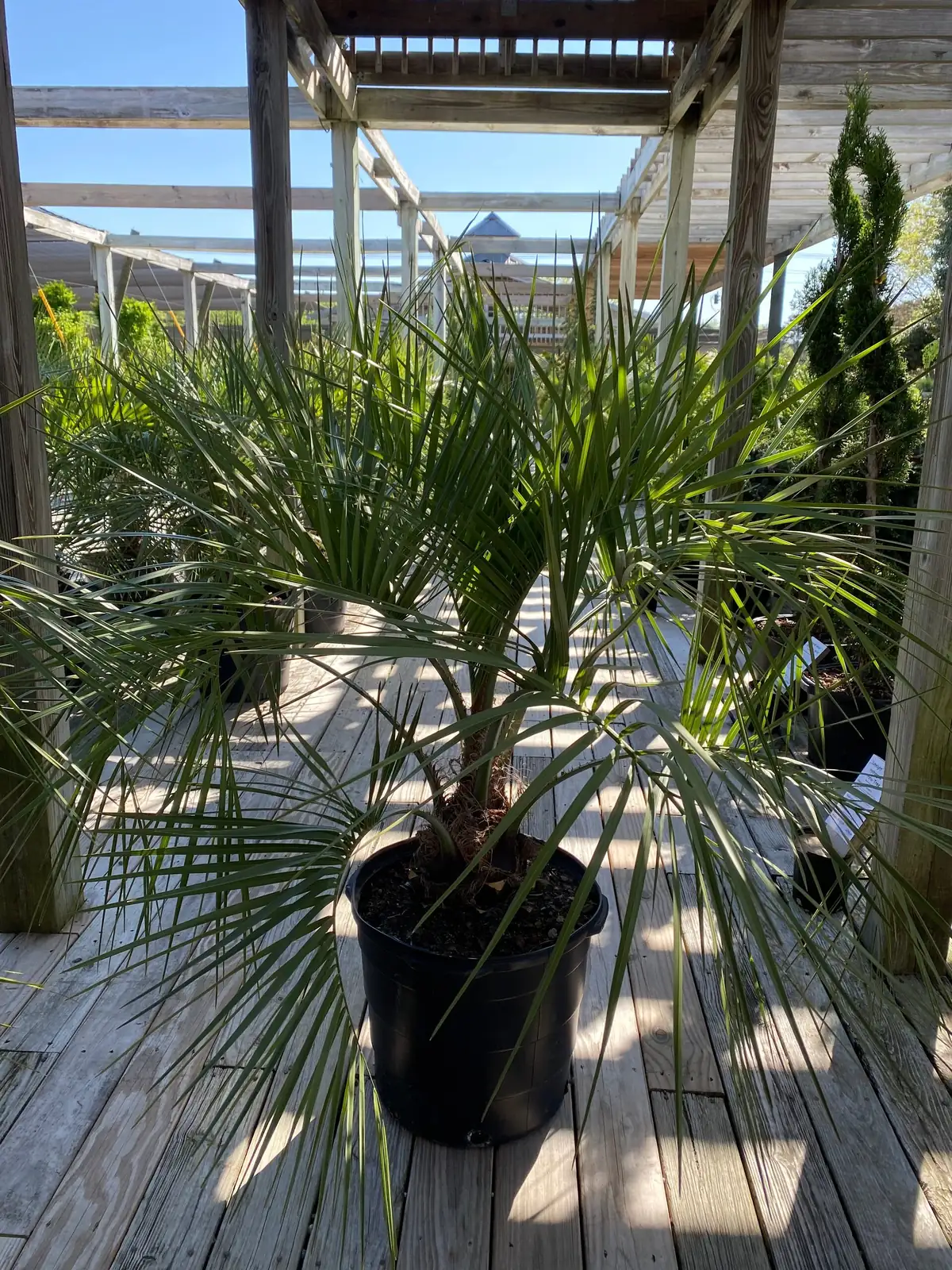
- Sunlight
- Outdoors: Part sun to light shade.
- Indoors: Brightest light you can offer—right by a sunny window.
- Heat hack: In very hot regions, shield from harsh midday sun to prevent stress and leaf scorch.
- Temperature
- Active growth sweet spot: 10–24°C (50–75°F).
- Wintering containers: Bright and cool is ideal, 5–12°C (41–54°F).
- Hardiness
- Generally hardy in USDA Zones 8b–11 (about -9 to -12°C / 16–10°F once established).
- Shield from prolonged hard freezes; container-grown plants are more vulnerable.
- Ideal placement
- A spacious, draft-sheltered spot with bright, filtered light (patios, conservatories, sunrooms).
Soil and Water: The “Sweet, Not Soggy” Rule
- Soil
- Use a free‑draining, loam-based mix (a palm or palm/cactus blend).
- Choose a pot just large enough for the root ball—oversizing invites waterlogging.
- Watering
- Spring–autumn: Keep evenly moist, never soggy.
- Winter: Water sparingly—only after the surface dries.
- Humidity boost: Occasional misting or a pebble tray in dry indoor air helps prevent brown tips (but don’t “fix” dry tips with extra water if soil is already wet).
Feeding and Seasonal Rhythm
- Fertilization
- Spring–autumn: Feed monthly with a balanced liquid fertilizer; palm formulas with micronutrients are especially helpful.
- Winter: Reduce or pause feeding.
- Yearly calendar
- Spring: Refresh the top 3–5 cm (1–2 in) of mix; repot only if root-bound.
- Spring–autumn: Water evenly, feed monthly, bump humidity during hot/dry spells.
- Winter: Brighter, cooler position; water only after the surface dries.
Grooming the Crown
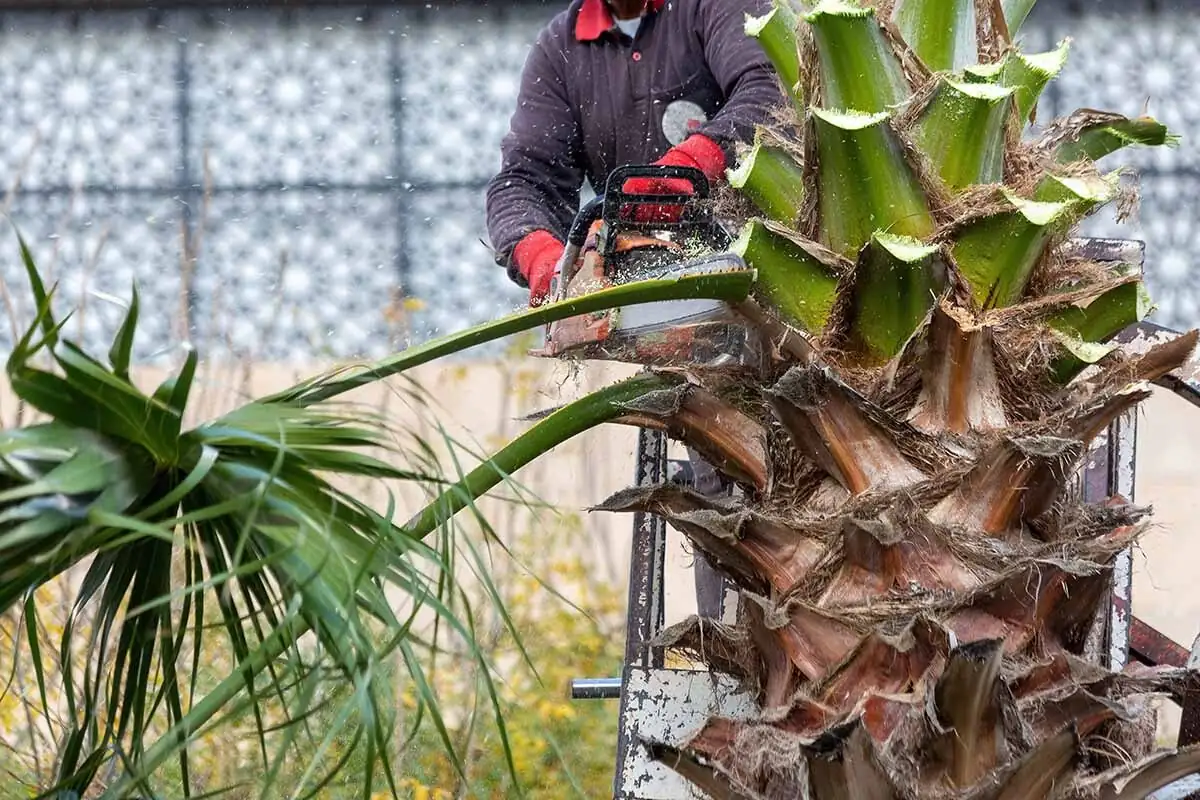
- Pruning
- Remove only fully brown, dead fronds. Green fronds fuel growth—let them be.
- Trim old flower/fruit stalks after they finish.
- Handling note
- Leaf edges can be sharp; use gloves and take your time.
Propagation and Repotting
- Propagation
- Usually grown from seed; expect slow, variable seedlings. Offsets are uncommon.
- Repotting
- Every 2–3 years in spring, only when root-bound; move up to a pot that just fits.
- Between repots: annual top-dressing refresh in spring keeps roots happy without upheaval.
Pests, Problems, and Peace of Mind
- Usual suspects
- Scale insects, mealybugs, spider mites (especially in dry indoor air).
- Biggest avoidable issue: root rot
- Fast drainage + right-size pot + lighter winter watering = palm bliss.
- Prevention
- Bright light, good air movement, and the occasional leaf wash keep pests at bay.
Design Magic: Where It Steals the Show
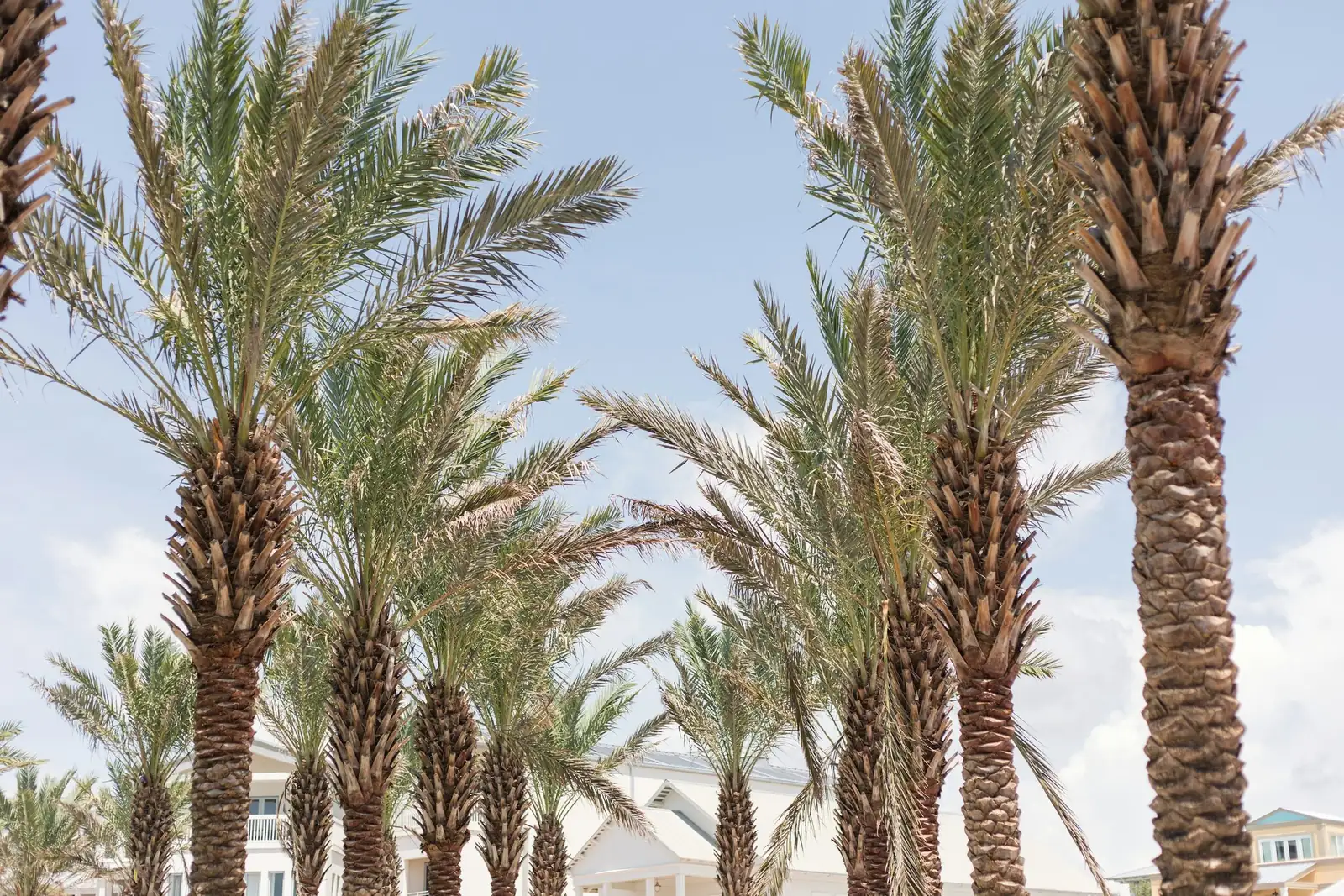
- Outdoor statements
- Solo specimen in a courtyard
- Flanking a garden path or patio edge
- Coastal, Mediterranean, or resort-style plantings
- Container charisma
- A bright terrace or conservatory where fronds can arc without snagging walls
- Plant partners
- Silver, blue, or sandy-toned companions for contrast: drought-tolerant grasses, low mounding perennials, and sun-bright accents that won’t crowd its skirt
Indoors vs. Outdoors: Setting It Up for Success
- Indoors
- Find the brightest window; rotate the pot for even frond symmetry.
- Pebble tray + regular dusting keep foliage pristine and spider mites uninterested.
- Outdoors
- Part sun with a buffer from fierce midday rays in hot climates.
- Allow generous elbow room for that broad, sculptural crown.
Buying Guide: Choose a Star
- Look for:
- A firm, well-rooted trunk with no wobble at the crown
- Clean, unspotted fronds
- Avoid:
- A sour smell from the pot (a red flag for root issues)
- Loose or rocked crowns, which can indicate poor rooting
Symbolism and Story
- Symbolism
- Evokes relaxed coastal elegance and sunny resilience—the “holiday promenade” vibe in a single plant.
- Living history
- Celebrated in resort and seaside landscapes, admired for its architectural silhouette and cool-toned fronds that shrug off breezy, coastal conditions.
Quick Specs at a Glance
- Common names: Pindo Palm, Jelly Palm, Wine Palm, Butia Palm
- Scientific name: Butia odorata
- Size and habit: About 1.8 m × 1.5 m; single trunk; wide, architectural crown
- Foliage: Blue‑green to silvery green, feather-like
- Flowers and fruit: Creamy summer blooms followed by fragrant, edible fruit
- Care level: Easy—bright light, excellent drainage, lighter watering in winter
- Hardiness: USDA 8b–11 once established
- Safety: Generally non-toxic; handle fronds carefully
If your garden (or sunroom) craves a bit of Riviera nonchalance with a side of perfumed preserves, Butia odorata is ready to play leading role—silvery fronds, scented fruit, and star-quality crown included.