

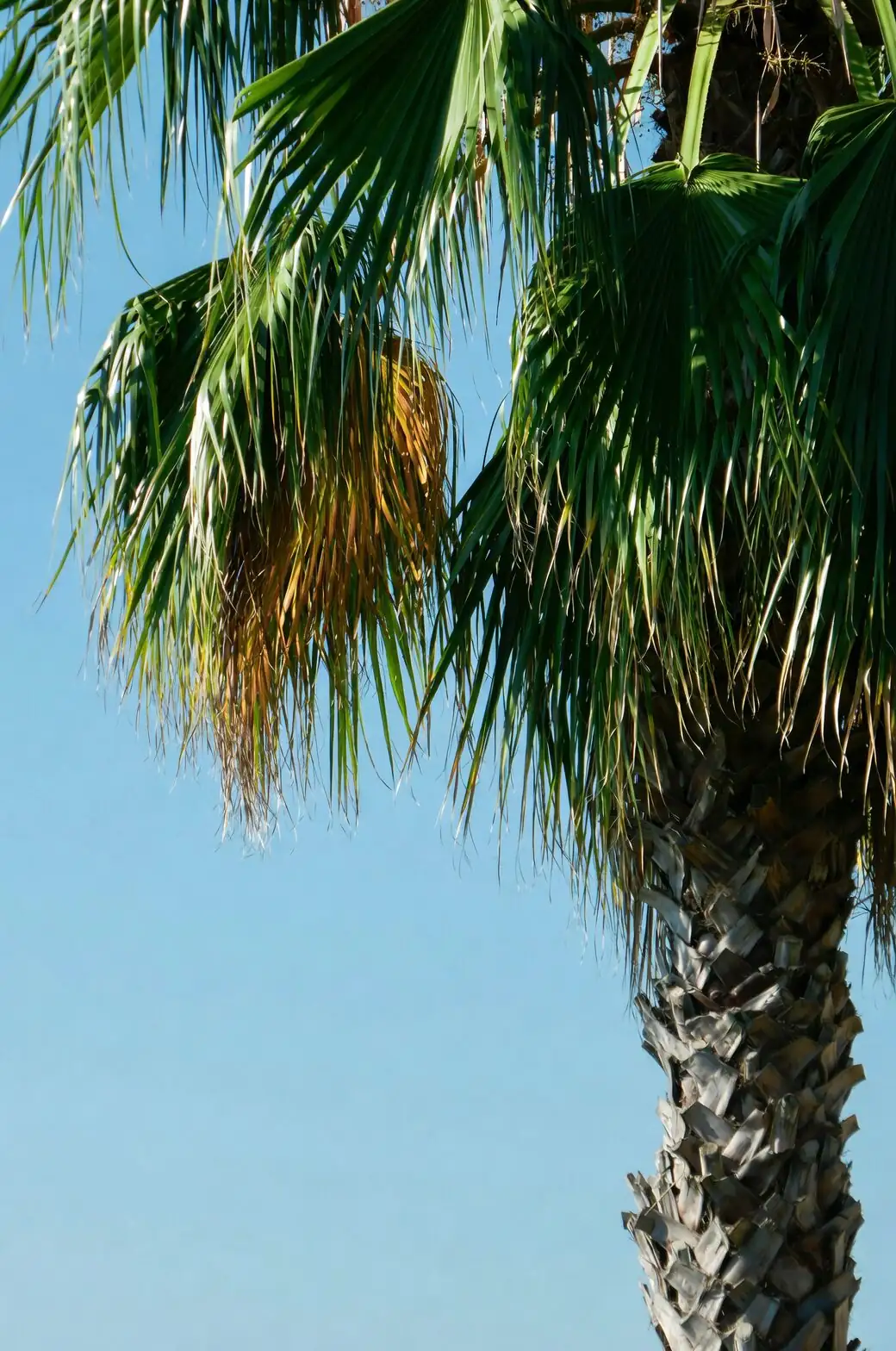
If you crave a palm that delivers sculptural, blue‑green elegance without fussy care, meet Butia odorata—the Pindo Palm, also called Jelly or Wine Palm. Think of it as your laid‑back, coastal‑style companion: graceful feather fronds, a stout patterned trunk, creamy summer flowers, and—on mature plants—fragrant, edible fruits that inspire jams and sips. The secret to keeping it happy year‑round is a simple, seasonal rhythm: bright light, excellent drainage, steady-but-never-soggy moisture in the growing months, and a calm, pared‑back routine in winter.
Below is your crisp, step‑by‑step plan—outdoors or in a bright room—so you can grow this easy-care beauty stress‑free.
H2: Butia odorata at a glance
- Common names: Pindo Palm, Jelly Palm, Wine Palm (family Arecaceae; genus Butia)
- Native story: Cultivated in Mediterranean France (French Riviera); species native to southern Brazil and Uruguay
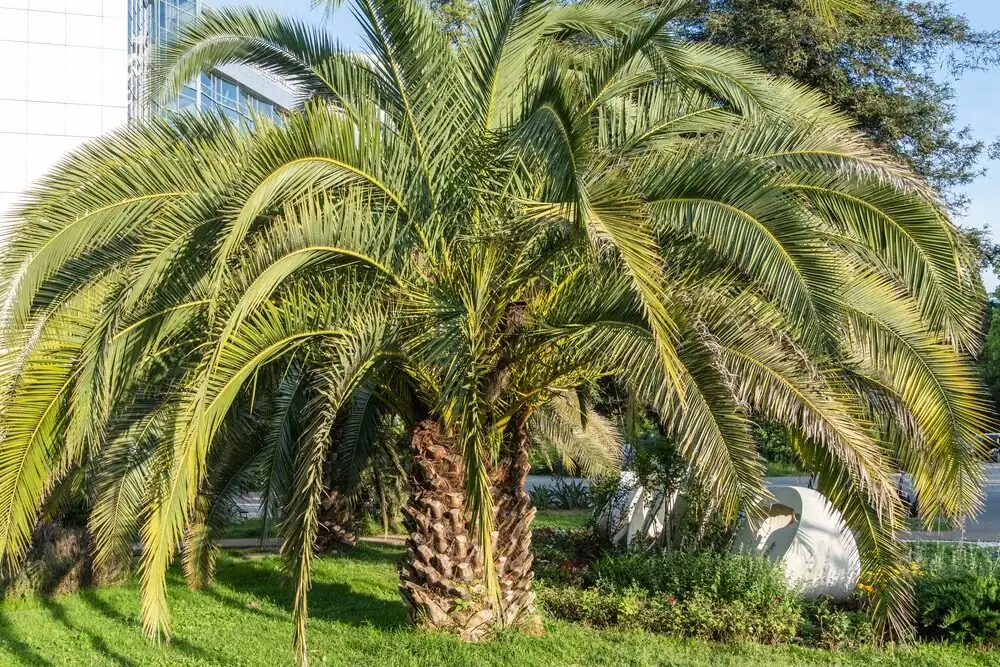
- Look: Blue‑green to silvery feather (pinnate) fronds on a sturdy, textured trunk; broad, architectural crown
- Size and stance: About 1.8 m tall × 1.5 m wide (about 5.9 × 4.9 ft); crown can be nearly as wide as the plant is tall
- Light: Part sun to light shade outdoors; indoors, give the brightest light you have near a sunny window; in very hot climates, protect from harsh midday sun
- Hardiness: Generally hardy outdoors in USDA 8b–11; protect from prolonged hard freezes; container plants are more vulnerable
- Growth style: Slow to moderate; a single-trunk specimen that looks best with generous space
H2: The season‑by‑season playbook (light, watering, drainage, feeding)
H3: Spring (ramp up gently)
Light
- Outdoors: Move to part sun/light shade; acclimate over 10–14 days to avoid leaf scorch (especially if it was indoors).
- Indoors: Park by the brightest window you’ve got; rotate the pot a quarter‑turn weekly for even frond symmetry.
Water
- Goal: Evenly moist, never soggy.
- How: Water thoroughly until 10–15% drains from the pot. Let excess drain away completely—never leave the pot sitting in water.
- When: Rewater when the top layer feels dry to the touch. In bright indoor light, that often means every 7–10 days; outdoors it may be more frequent in breezy spots.
Drainage tune‑up
- Soil: Use a free‑draining, loam‑based palm mix or a palm/cactus‑style blend.
- Pot size: “Just right” is best—choose a pot that closely fits the root ball to avoid waterlogged soil.
- Check flow: After watering, water should run freely through the drainage holes within seconds.
Feeding
- Start monthly feeding with a balanced liquid fertilizer; a palm formula with micronutrients is especially helpful. Feed after watering so nutrients don’t burn roots.
H3: Summer (steady and bright, with heat‑smart tweaks)
Light
- Outdoors: Part sun to light shade is perfect; in very hot regions, shield from harsh midday sun to prevent stress and leaf scorch.
- Indoors: Keep at the sunniest window. A sheer curtain can soften intense glass‑magnified rays.
Water
- Keep the mix evenly moist in the heat, but never saturated. In containers, morning deep soaks work best so foliage dries quickly and roots sip all day.
- Resist the urge to “fix” brown tips with extra water. Instead, raise humidity.
Humidity helpers (without overwatering)
- Mist lightly in the morning during hot, dry spells.
- Use a pebble tray with water below the pot base to add localized humidity.
Feeding
- Continue monthly feedings through summer while growth is active.
Drainage watch
- In heat, soil dries faster—great for palms as long as your mix drains fast. If water pools on the surface, gently rake and refresh the top 3–5 cm (1–2 in) with fresh mix.
H3: Autumn (ease off and prepare for cool days)
Light
- Outdoors: Shorter days? Keep the palm in bright, filtered light; protect from sudden cold snaps.
- Containers: Before prolonged cold arrives, shift to a bright, sheltered position.
Water
- Begin spacing waterings. Allow the top layer to dry between drinks; cool, wet soil is the root‑rot danger zone.
Feeding
- Give your last monthly feed early in autumn. Then stop as growth slows.
Drainage and tidy‑up
- Refresh the top 3–5 cm (1–2 in) of mix to keep the surface free‑draining.
- Remove only fully brown, dead fronds; leave green fronds intact to keep the palm strong. You can trim old flower/fruit stalks after they finish.
H3: Winter (dial everything back for a truly easy season)
Placement and temperature
- Containers: Bright and cooler is ideal—aim for 5–12°C (41–54°F). This restful chill helps prevent legginess.
- Outdoors in suitable climates (USDA 8b–11): Protect from prolonged hard freezes; container palms are more vulnerable and should be sheltered.
Light
- Give the brightest light available—near a sunny window is best. Avoid hot air vents and drafts.
Water
- Water sparingly—only after the surface/top layer has dried. In cool, low light, this might be every 2–4 weeks in a pot, but always use the dryness test over the calendar.
- Always pour off saucer runoff. Never keep the root zone cold and wet.
Feeding
- Reduce or stop feeding entirely until spring.
Humidity
- Moderate humidity is ideal. Use light misting or a pebble tray to curb brown tips caused by dry indoor air—just don’t compensate with extra watering if the soil is already moist.
Quick winter checklist
- Bright light: yes. Warm room: not necessary—cool and bright is better.
- Water: minimal, only on dry top layer.
- Fertilizer: pause.
- Drainage: impeccable. Root rot is the big preventable problem.
H2: Watering made simple (three foolproof tests)
- Top‑layer test: Press your finger into the top 2–3 cm (about an inch). If it’s dry, you can water; if it’s damp, wait.
- Skewer test: Insert a wooden skewer deep into the mix. If it comes out cool/damp with particles stuck, hold off.
- Pot‑weight cue: Learn the “just‑watered” weight vs. “ready‑to‑water” weight. It’s a reliable habit in every season.
H2: Build perfect drainage (your palm’s non‑negotiable)
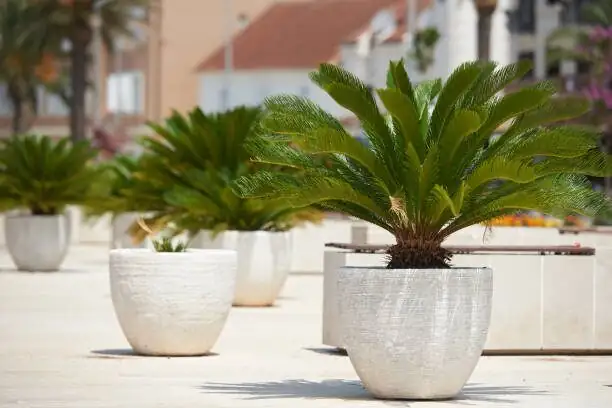
- Mix: A free‑draining, loam‑based palm mix or palm/cactus‑style blend keeps roots oxygenated.
- Pot: One that’s only slightly larger than the root ball. Oversized pots trap water and cool soil in winter.
- Flow: Ensure unobstructed drainage holes; add pot feet to lift containers off flat surfaces.
- No standing water: Empty saucers promptly.
H2: Fertilizer, simplified
- When to feed: Monthly from spring through autumn while growth is active.
- What to use: A balanced liquid fertilizer; palm‑specific products with micronutrients are especially helpful.
- When to stop: Reduce or cease feeding in winter.
H2: Light that keeps fronds flawless
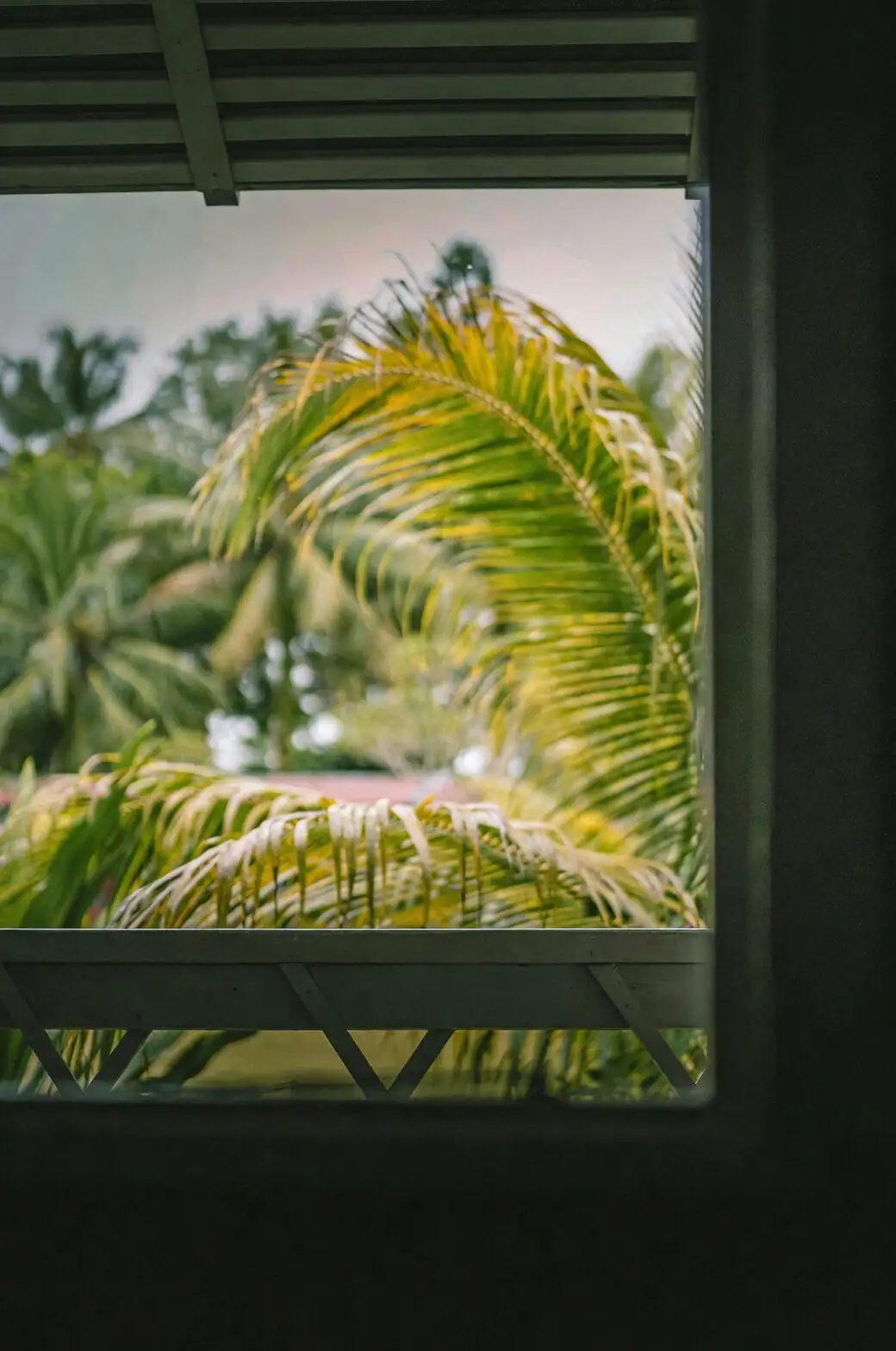
- Outdoors: Part sun to light shade is ideal. In very hot climates, shield from harsh midday sun to avoid leaf scorch.
- Indoors: The brightest window you have. Rotate regularly for a well‑balanced crown.
H2: Gentle grooming, repotting, and space
- Pruning: Remove only fully brown, dead fronds. Cutting green fronds weakens the palm. Trim spent flower/fruit stalks when finished.
- Repotting: In spring, only when root‑bound—typically every 2–3 years. Between repots, refresh the top 3–5 cm (1–2 in) of mix each spring.
- Space: Let the broad crown breathe; the palm often spreads nearly as wide as it is tall.
H2: Troubleshooting at a glance
- Brown tips: Often dry air. Raise humidity (misting, pebble tray). Don’t add extra water if soil is moist.
- Yellowing lower fronds: Natural aging is normal; remove only when fully brown.
- Leaf scorch or washed‑out color: Too much harsh midday sun—shift to bright, filtered light.
- Soggy soil, limp growth, sour smell: Root rot risk. Improve drainage immediately; let the mix dry more between waterings.
- Pests (indoors especially): Scale, mealybugs, and spider mites can show up in dry air. Increase humidity, rinse foliage gently, and treat promptly if needed.
H2: Good to know (safety, symbolism, and fruit)
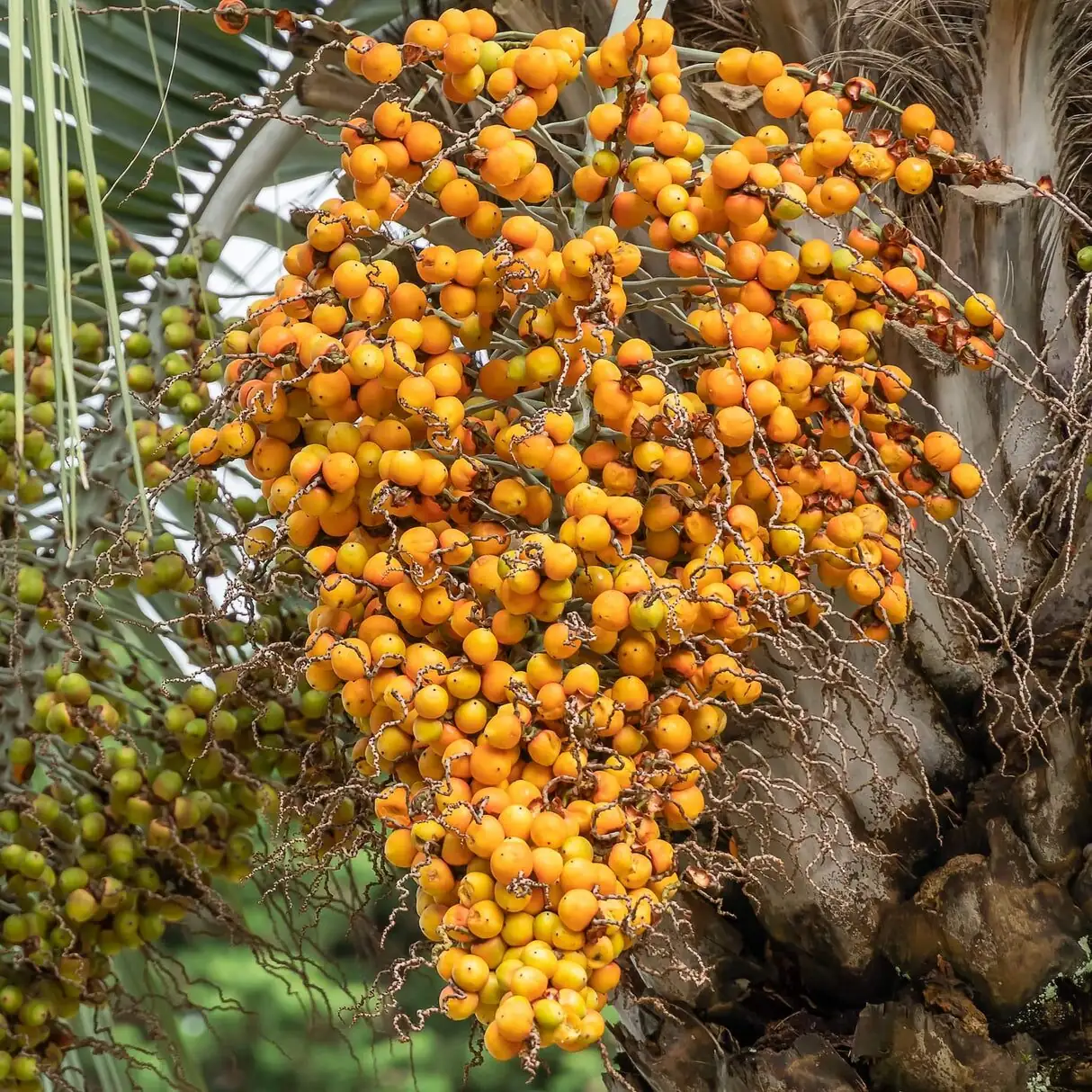
- Non‑toxic: Generally considered safe for people and pets. Handle with care—the leaf edges can be sharp.
- Edible bounty: Mature palms produce fragrant fruits in summer, often used for jellies or fermented drinks.
- Symbolism: This palm telegraphs relaxed coastal elegance—the breezy, sun‑kissed “holiday promenade” look—making it a favorite for patios, conservatories, and bright rooms.
H2: Quick checklist by season
- Spring: Brighten light, resume even moisture, start monthly feeding, refresh topsoil, repot if root‑bound.
- Summer: Part sun/light shade (midday protection in hot zones), evenly moist but never soggy, monthly feed, boost humidity in dry spells.
- Autumn: Space waterings, give your last feed early, keep light bright, refresh the topsoil, tidy only dead fronds.
- Winter: Bright and cool, water sparingly after the surface dries, stop feeding, protect from prolonged hard freezes, keep drainage impeccable.
Follow this rhythm, and your Butia odorata will reward you with that signature blue‑green poise—low effort, high style, all year long.