

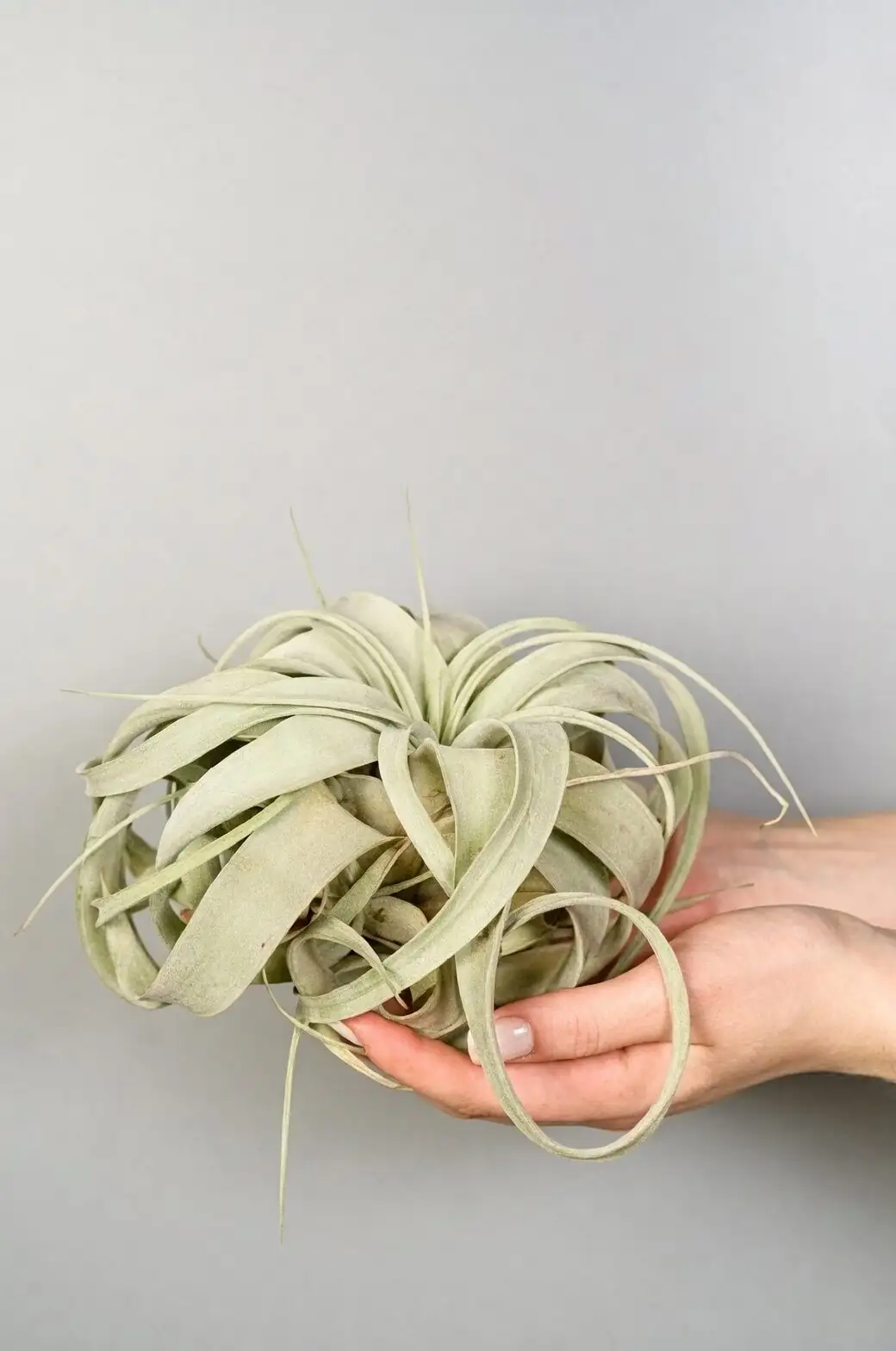
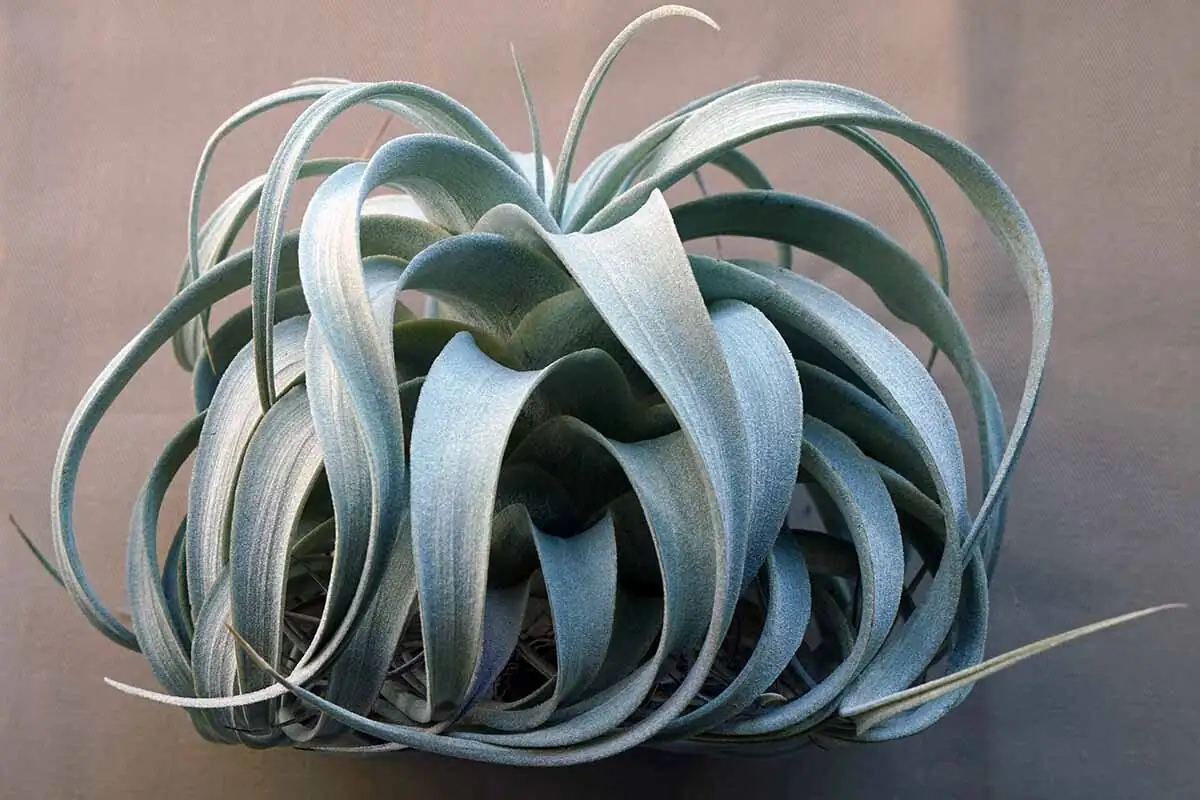
If a plant could moonlight as modern sculpture, it would be Tillandsia xerographica—aka the King of the Air Plants. Those broad, silver ribbons curl into a regal rosette, catching light like brushed aluminum. And the science behind that shimmering crown? Even cooler than it looks.
Meet the “King of the Air Plants”
- Scientific name: Tillandsia xerographica (family Bromeliaceae—the pineapple family)
- Nicknames: King of the Air Plants, Giant Air Plant, Silver Air Plant
- Native range: Southern Mexico, Guatemala, El Salvador, and Honduras, where it perches on trees and rocks in bright, dry forests
- Size: Typically 15–60 cm (6–24 in) across; mature plants can send up a 30–90 cm (12–35 in) flower spike
- Habit: Rosette-forming epiphyte that lives without soil and eventually produces offsets (“pups”)
The silver sheen, decoded: a living mirror made of trichomes
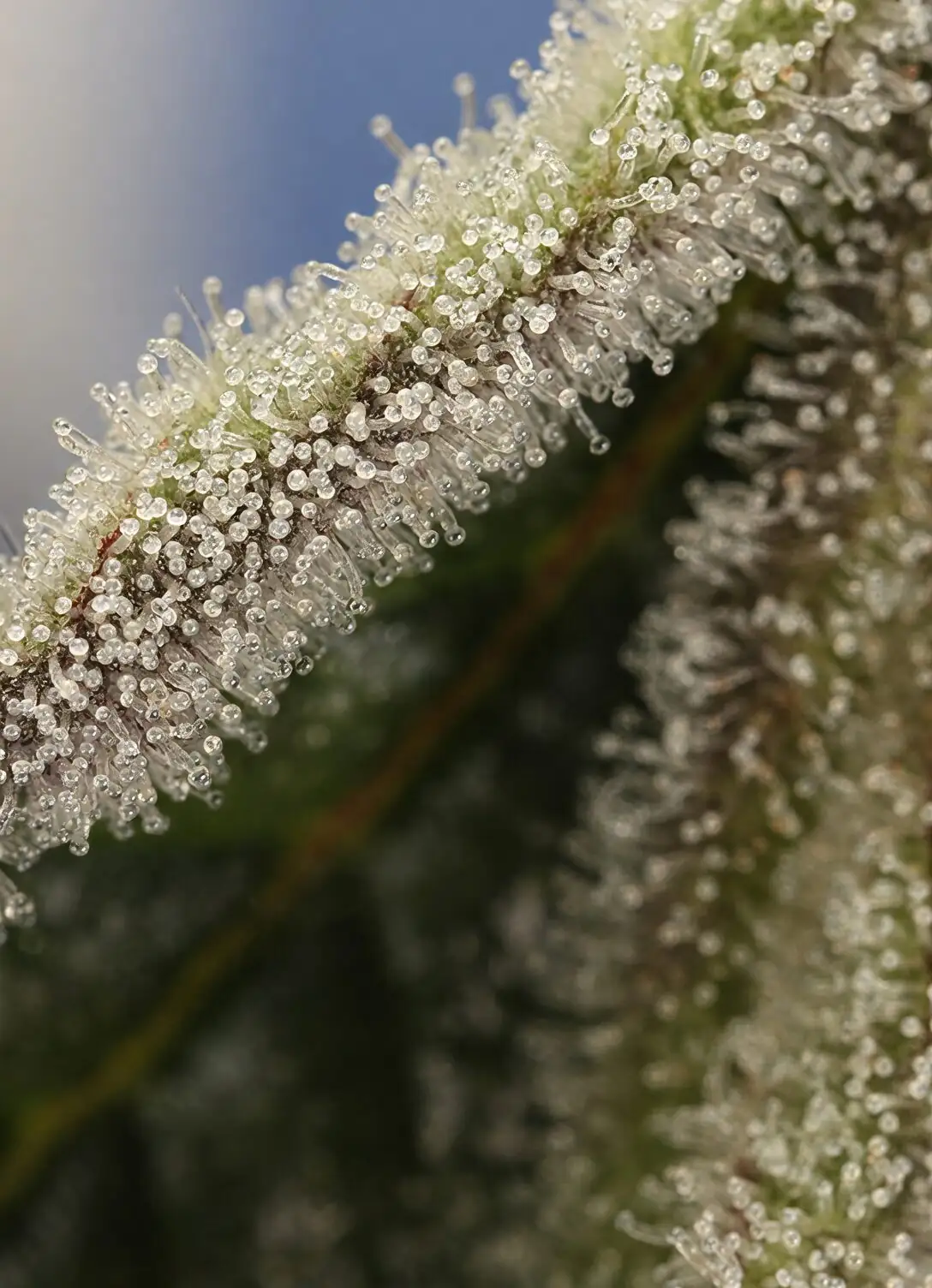
Run a fingertip over those matte, silvery leaves and you’re feeling an armor of trichomes—tiny, overlapping leaf scales that function like:
- Micro-solar shades: They reflect intense sun, keeping leaf tissues cooler in xeric habitats.
- Fog catchers: Their cup-like architecture condenses dew and fog, funneling moisture to the leaf.
- Dust diners: Airborne minerals and nutrients stick to the scales for later absorption.
Why the color changes with light
- Just right: In bright light with a touch of direct sun, xerographica stays strikingly silvery and firm.
- Too little: Leaves shift greener and softer, growth slows and stretches.
- Too harsh: Strong, unfiltered midday sun can bleach or scorch.
Sipping the sky: how trichomes drink
Picture a fine morning mist. Each trichome acts like a tiny umbrella that flips into a funnel:
1) Condense: Moisture beads on the silvery scales.
2) Capture: The scales absorb and wick droplets across the leaf.
3) Deliver: Water and trace nutrients move inward—no roots or soil required.
What that means for watering at home
- This species likes less water than most air plants.
- Favor thorough misting over soaking. Mist generously, then let it dry completely within about 4 hours.
- In very dry air, give a quick rinse (5–10 seconds) now and then—still dry fast.
- Water early in the day and prioritize airflow every time.
A night-breathing, day-dreaming plant: CAM metabolism
Tillandsia xerographica practices CAM photosynthesis, a desert-survival superpower:
- Night shift: Stomata open after dark to take in CO2 while losing minimal water.
- Daytime: Stomata close; the plant “spends” the stored CO2 using sunlight to photosynthesize.
Care tie-ins
- Bright light fuels daytime sugar-making; good airflow helps it dry between mists.
- Morning watering suits the plant’s rhythm and ensures a fast dry-down.
Slow fireworks: the long-lasting spike and purple blooms
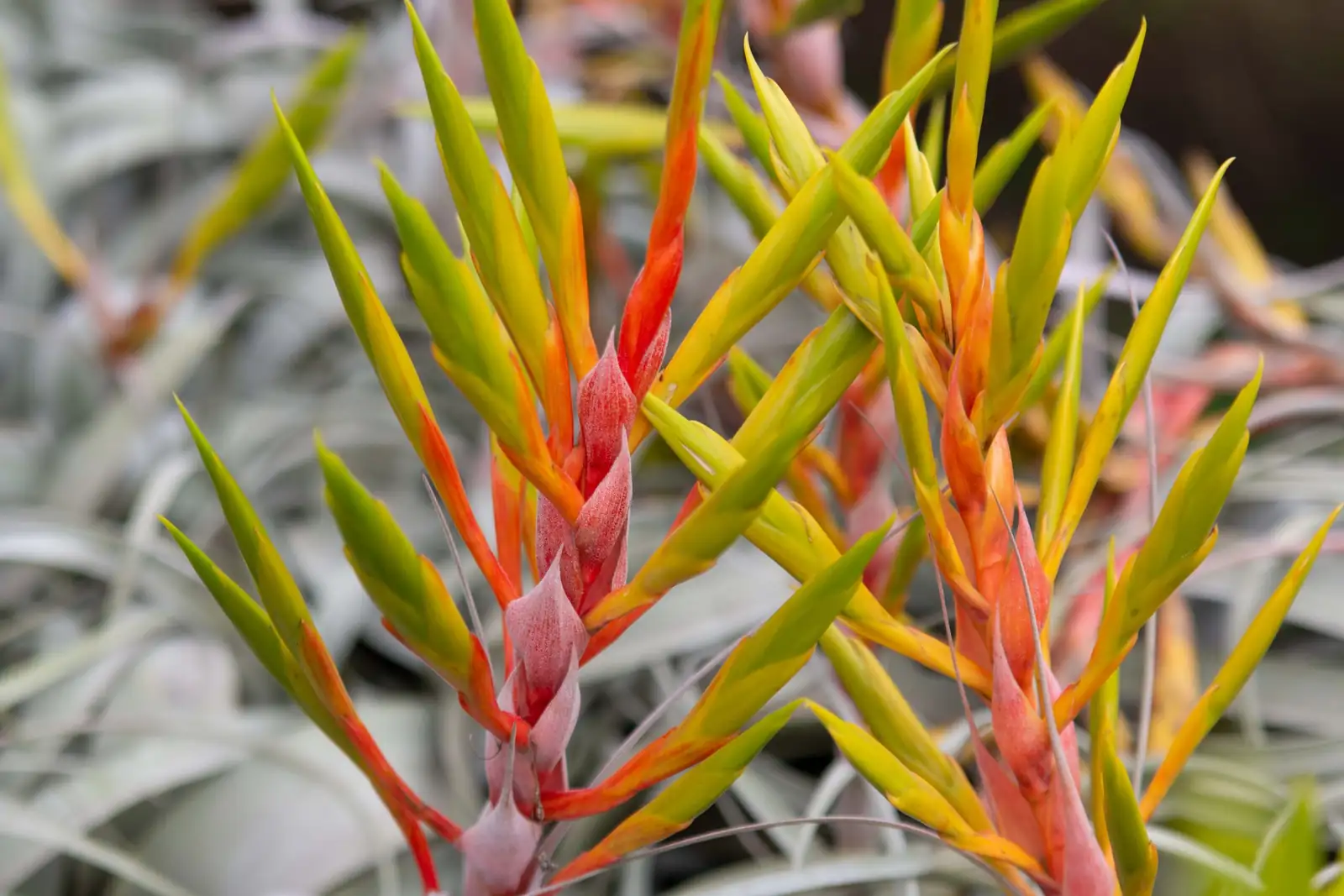
Mature plants reward patience with a dramatic, often branched inflorescence—a slow-burn display that lasts for months. Look closely and you’ll spot small, tubular purple flowers peeking from the bracts. Indoors, bloom timing varies, but it most often happens from spring to summer once the plant is fully grown.
The baton pass: mother rosette to pups
Like many bromeliads, the “queen” steps back after the big show:
- After flowering, the mother plant gradually declines—don’t panic, it’s part of the plan.
- She produces pups at her base.
- You can separate pups when they’re 1/3–1/2 the size of the mother, or leave them attached for a sculptural clump.
- Skip “post-bloom pruning”; only remove fully dry outer leaves.
Care snapshot (save-worthy)
- Light: Bright with some direct sun. Indoors, an east or south window with filtered midday rays. Avoid deep shade.
- Water: Mist thoroughly, then ensure the plant dries within ~4 hours. Quick rinse only if air is very dry. Avoid long soaks unless the plant is severely dehydrated. Always water earlier in the day.
- Airflow & humidity: Moderate humidity (about 40–60%) with excellent ventilation. Air movement is key—never keep it soggy or sealed.
- Temperature: Ideal 15–30°C (59–86°F). Protect from cold below 10°C (50°F). Frost-free only.
- Feeding: Light is right—use a bromeliad/air-plant fertilizer at 1/4 strength every 2–4 weeks in active growth. Rinse with plain water occasionally to avoid residue.
- Mounting: No soil. Display on wood or rock, in a mesh holder, or on a dry, open surface. Avoid constantly wet substrates or closed containers.
- Hardiness: USDA Zone 10–11.
- Difficulty: Easy to moderate when kept bright and airy.
- Safety: Generally non-toxic to people and pets (not edible).
Display ideas that match the biology
- Let it breathe: Perch on driftwood, tacked to a cork slab, or in a wire or mesh cradle.
- Spotlight the silhouette: Place where sidelighting accentuates those curling leaf ribbons.
- Avoid closed terrariums: They trap moisture; xerographica wants to dry quickly after any wetting.
Troubleshooting: quick answers
- Brown leaf tips? Often very dry air, uneven watering, or mineral-heavy water. Try slightly more frequent misting, use rain/filtered water, and maximize light plus airflow.
- Should I soak it? Usually, no. This species prefers misting and a quick dry-down. If you must, keep any emergency soak very brief and dry completely afterward.
- Getting enough light? A happy plant stays silvery and firm with steady (not speedy) growth. Too little light makes it greener and floppier; blazing sun can bleach or scorch.
- Pests? Rare but possible: mealybugs and scale. Dab with 70% isopropyl alcohol on a cotton swab and boost airflow. Avoid oil-heavy sprays on air plants.
Seasonal rhythm
- Spring–summer: More light, slightly more frequent misting, light feeding.
- Fall–winter: Reduce watering, keep warm, maximize light, and ensure every mist dries fast.
Why we love this monarch of minimalism
- Form: A bold, architectural rosette that looks curated right out of the box.
- Function: Trichomes give it that silver aura while sipping moisture from the air.
- Bloom: A long-lasting, sculptural spike with flashes of purple flowers.
- Legacy: After blooming, the mother rosette hands the stage to pups—your living heirloom in slow motion.
Symbolism and modern meaning
With its soil-free lifestyle and resilient silver armor, Tillandsia xerographica often symbolizes independence, resourcefulness, and a streamlined, minimalist beauty. It’s a plant that thrives on light, air, and clever design—just like your favorite spaces.
Fun-to-drop science notes
- It’s a bromeliad, so it’s a cousin of the pineapple—silver crown to golden crown.
- That frosted look isn’t wax; it’s a dense coat of trichomes acting as sunscreen, dehumidifier, and rain collector all at once.
- After the grand bloom, the plant’s “family plan” kicks in: pups appear, and the sculpture becomes a clump.
Give this king a bright throne, a morning mist, and a good breeze—and enjoy the spectacle as science, design, and slow artistry come together on your windowsill.