

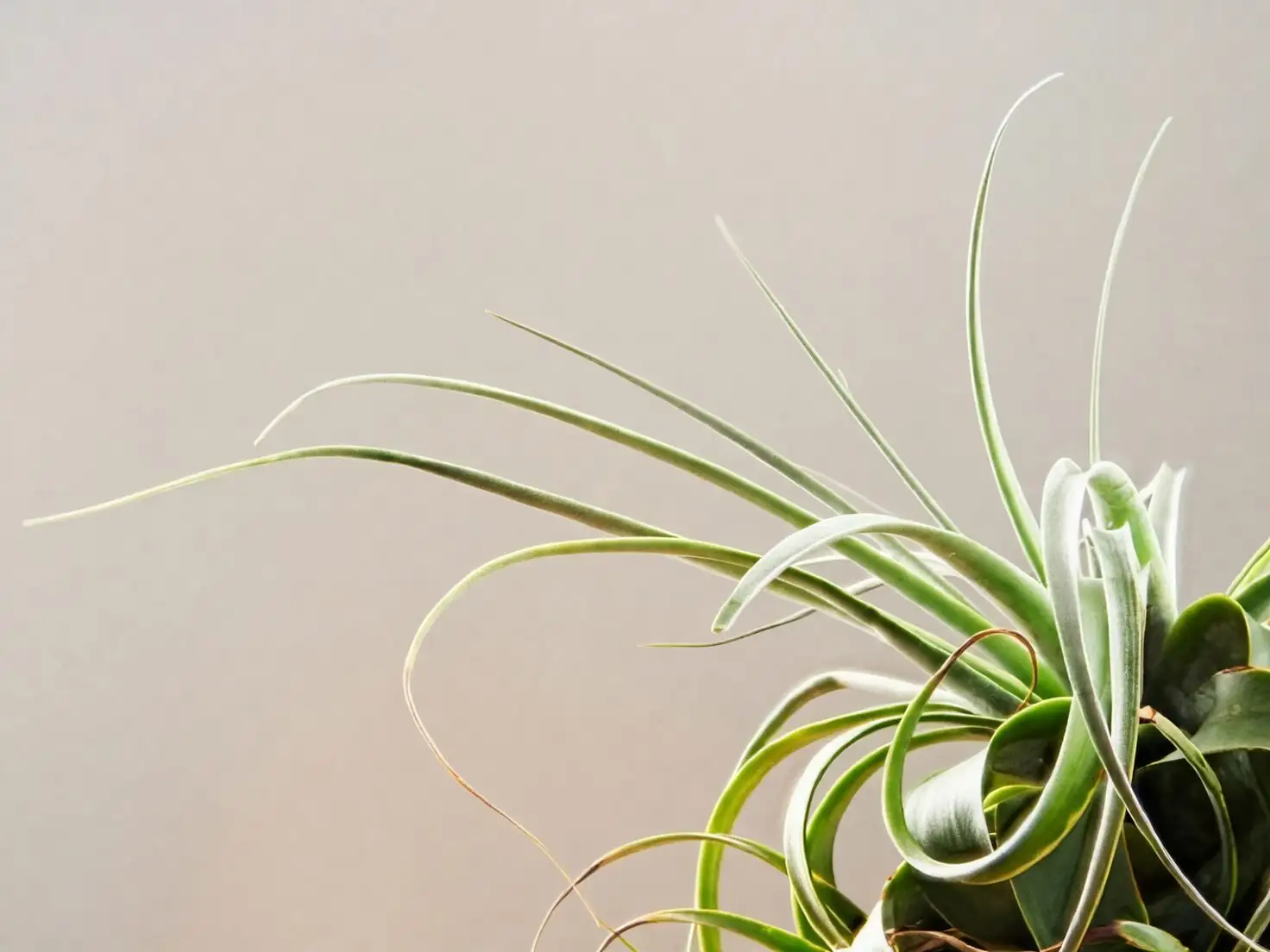
At first light in a parched Mesoamerican valley, a silver rosette perches high on a branch, catching sun like a mirror. It doesn’t reach for soil—it has none. Instead, it combs the air for moisture, tucks dew into its curls, and waits out the dry season with a poise that earned it a regal nickname: the King of the Air Plants—Tillandsia xerographica.
Where it really lives: dry forests, thorn scrub, and rocky slopes
Native to southern Mexico, Guatemala, El Salvador, and Honduras, T. xerographica is at home where water is a rumor and wind is a constant. Picture subtropical dry forests and very dry thorn scrub between roughly 140–600 meters in elevation. In Guatemala’s Motagua Valley, for instance, rain can be scarce (about 550–800 mm annually), humidity hovers around 60–72%, and intense sun beats down on open canopy branches and rock faces. The plant often rides life high and exposed—epiphytic on tree limbs or lithophytic on sun-baked stone—exactly the kind of balcony seat that looks impossible until you see what this species can do.
The architecture of survival: silver, curls, and air
The sculptural rosette you admire on a coffee table is a field-tested survival machine.
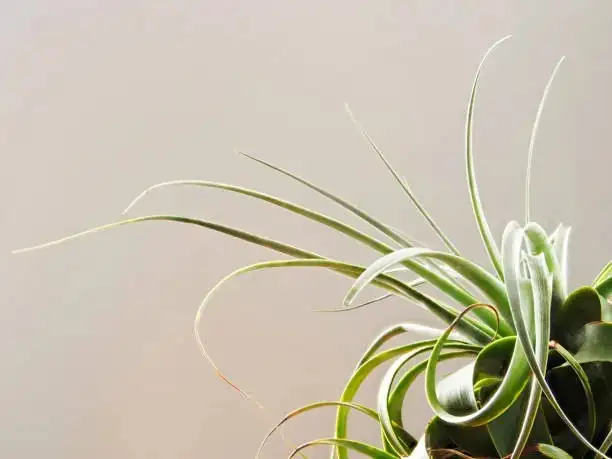
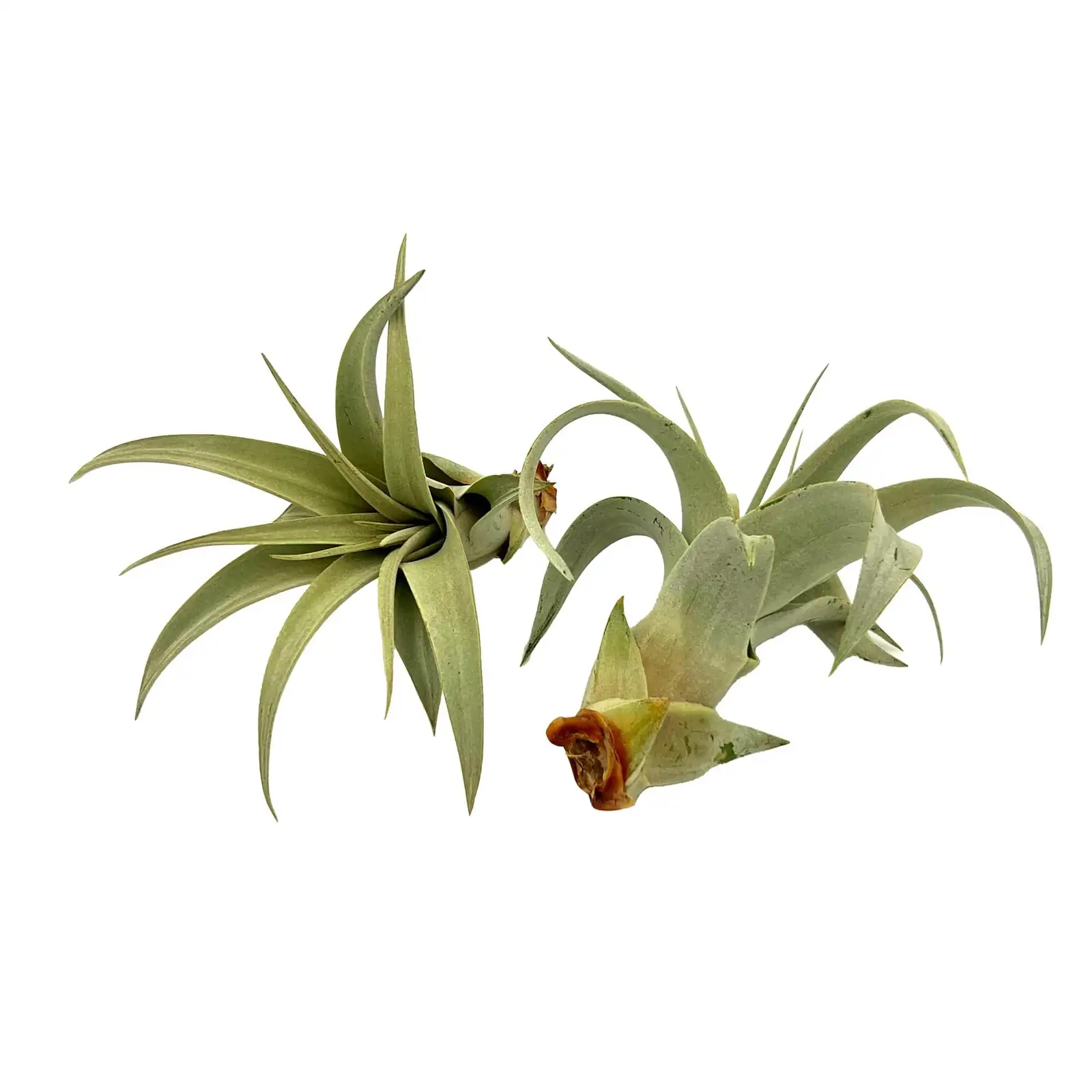
- Trichome armor: The silvery-gray glow comes from dense trichomes (tiny scales) that act like living wicks and sunscreens at once—snagging fog, dew, or a passing mist and reflecting harsh light so leaves stay cool.
- Curl-and-collect geometry: Broad, strap-like leaves arch and curl inward, channeling any precious droplets toward the plant’s core. In bright, dry conditions, the curls tighten—form following function.
- Roots for grip, not gulps: As an epiphyte/lithophyte, it doesn’t need soil. Its wiry roots are mountaineer’s gear—anchors to bark or rock—while the leaves do the drinking.
- Night-shift metabolism: Like many atmospheric Tillandsia, it relies on a water-saving strategy (crassulacean acid metabolism, or CAM), opening leaf pores mostly at night to conserve moisture during the day.
- Slow and steady: Xeric life favors patience. Expect a gradual pace—firm leaves, steady size increase, then the big moment: a tall, long-lasting flower spike when the plant is mature.
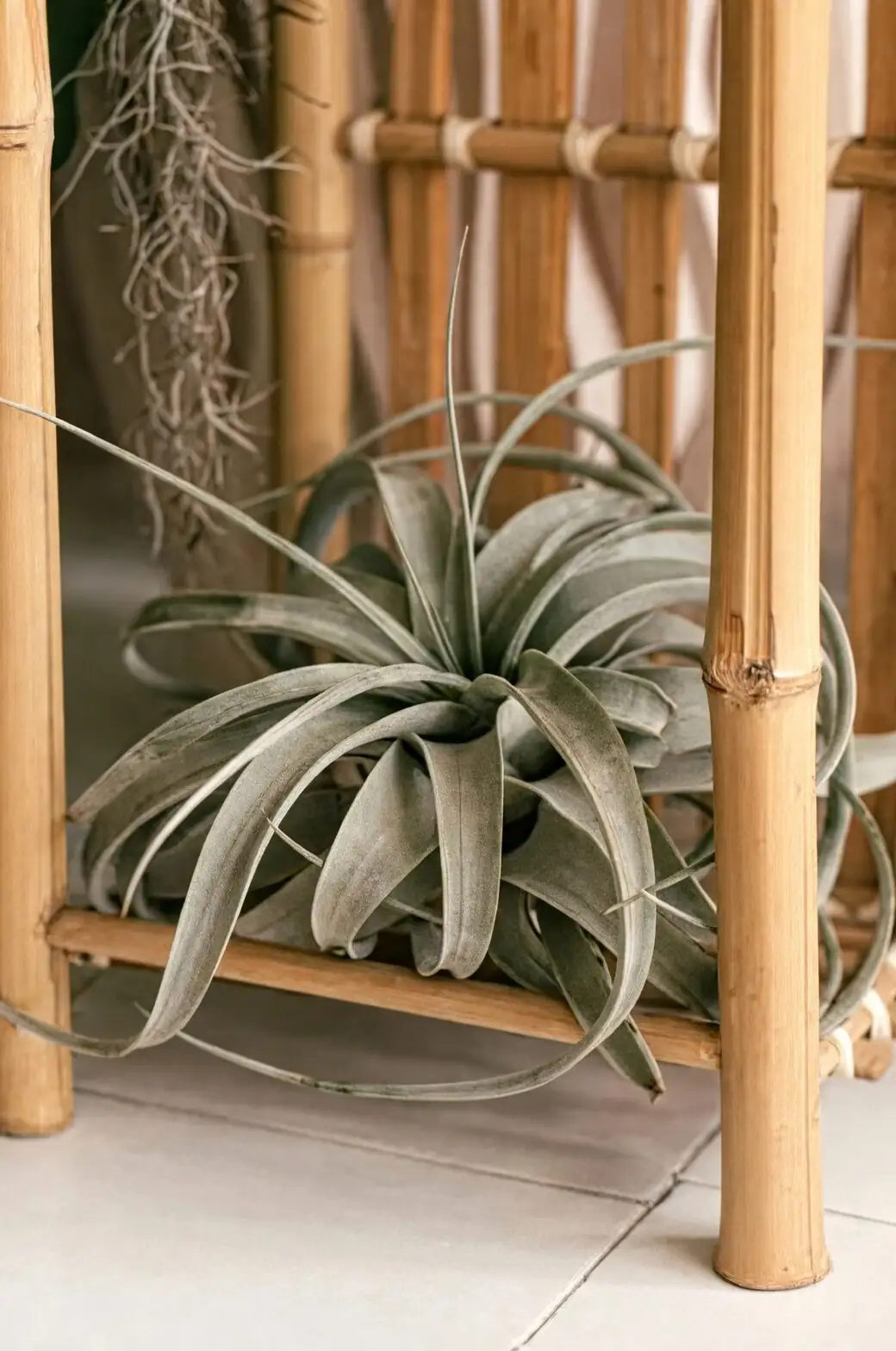
Size and spectacle? A happy specimen typically spans 15–60 cm (6–24 in) across, and when it finally blooms, the spike can reach 30–90 cm (12–35 in), studded with small tubular purple flowers that hold for weeks to months.
A flower spike built for a messenger: who’s likely visiting?
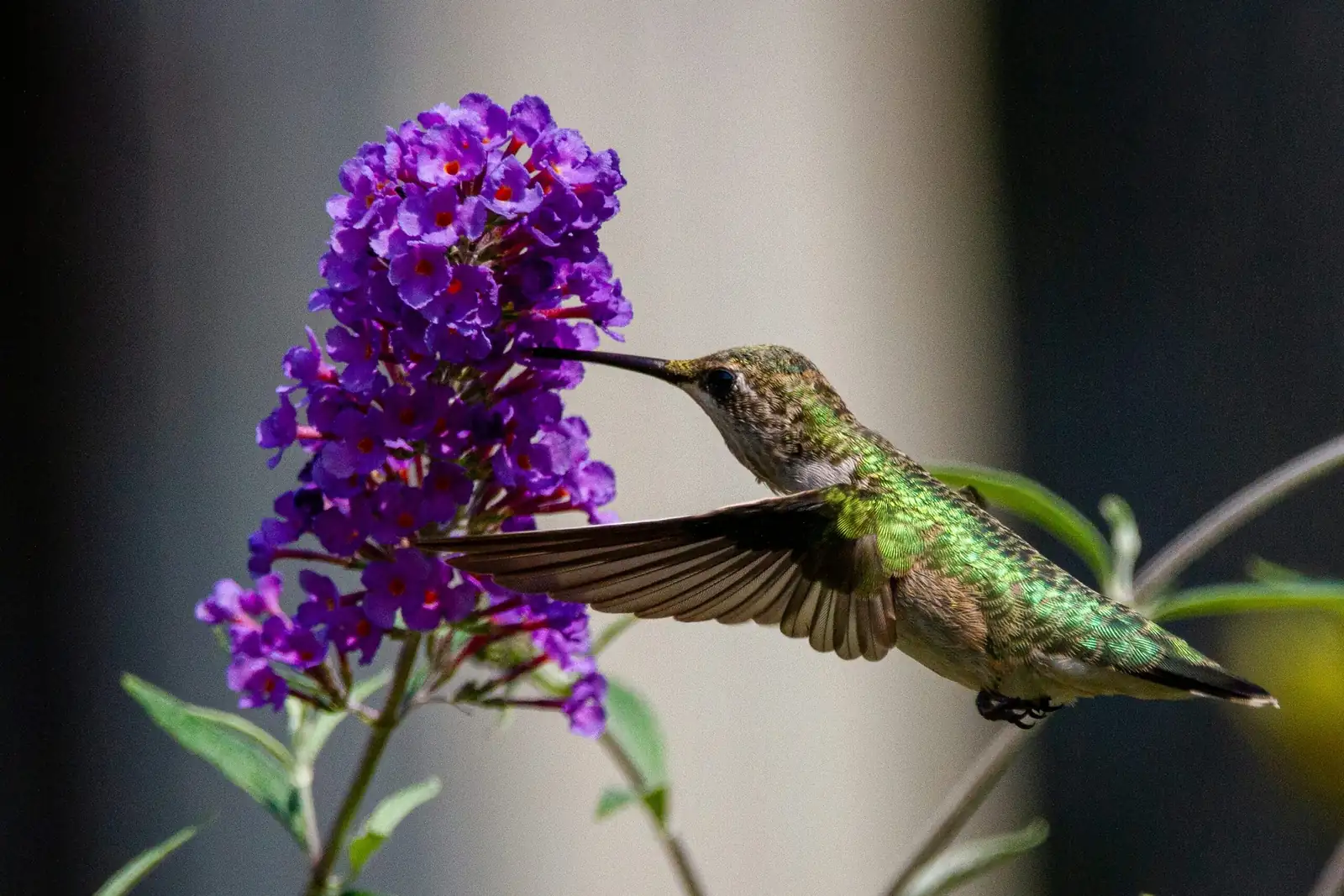
Those tubular purple blooms are a calling card. In the dry forests of Mesoamerica, perched high in bright light, the most likely couriers are hummingbirds—day-active nectar specialists evolved for tubes and altitude. On the margins, long-tongued butterflies or moths may sip too, especially where flowers present accessible tips. The plant’s strategy is classic: display the spike above the rosette, offer nectar in narrow tubes, and let swift, repeat visitors move pollen between far-flung clumps.
From canopy and cliff to coffee table: how conservation and trade shaped a star
T. xerographica wasn’t always a living sculpture on modern credenzas. Its fame grew along a winding path shaped by ecology, regulation, and horticultural ingenuity.
- Scarcity and allure: Large, silvery, and architectural, the species became a collector’s prize as bromeliads surged in popularity worldwide in the late 20th century.
- Habitat pressures: In parts of its range—like Guatemala’s Motagua Valley—dry forest habitats have been fragmented by agricultural expansion and urban growth. Wild populations perched on old trees or rock outcrops can suffer when those anchors disappear.
- Safeguards and shifts: As concern over wild harvesting rose, international trade oversight (CITES listing) pushed the market toward nursery-propagated plants. Community protections and local restrictions in parts of Mesoamerica also curbed wild collection.
- Modern supply chain: Today, the “king” you meet in shops is typically produced legally by specialized growers, propagated from offsets and, in some cases, via lab-based methods—bringing prices down and pressure off native stands. In tandem, design-forward displays vaulted air plants into mainstream decor, making T. xerographica one of the most recognized statement air plants in the world.
Meeting the king indoors: recreate the high, bright, windy perch
Think “sunny branch with a breeze,” not “sealed terrarium.” Give it what its native perch provides.
- Light
- Bright, with some direct sun. Indoors, aim for an east or south window with filtered midday rays.
- Too little light = greener, softer leaves and sluggish growth. Too harsh = bleaching or scorch.
- Air and humidity
- Moderate humidity (around 40–60%) with excellent airflow. The rule: any moisture must dry quickly—ideally within about 4 hours.
- Watering
- Lower water needs than many air plants.
- Prefer thorough misting over soaking: mist well, then ensure fast dry-down.
- In very dry homes, an occasional quick rinse (5–10 seconds) helps—avoid long soaks unless severely dehydrated.
- Water early in the day and never let water sit deep in the rosette for hours.
- Mounting and media
- No soil. Mount on wood or rock, in a mesh cradle, or rest it on a dry, airy surface.
- Avoid constantly damp moss or closed containers that trap moisture.
- Temperature
- Ideal 15–30°C (59–86°F); protect below 10°C (50°F). Absolutely frost-free.
- Feeding
- Lightly, during active growth: a bromeliad/air-plant fertilizer at about 1/4 strength every 2–4 weeks (or monthly). Rinse with plain water occasionally to prevent mineral buildup.
- Grooming and growth
- No routine pruning—just remove fully dry outer leaves gently.
- After flowering, the mother rosette slowly fades while producing offsets (“pups”). Don’t cut it down; let it complete the handoff.
- Propagation: Separate pups at 1/3–1/2 the size of the mother, or keep them attached for a dramatic clump.
Signs it’s thriving
- Stays silvery and firm; growth is steady, if slow.
- Leaves curl handsomely but don’t crisp; the rosette remains tight.
- Color shifts are your signals: greener and softer = needs more light; pale patches = too much direct, harsh sun.
Common hiccups
- Brown tips: Often dry air, sporadic watering, or mineral-heavy water. Try more consistent misting and use rain/filtered water.
- Rot at the base: Usually from staying wet without airflow. Increase ventilation, shorten wet periods, and water earlier in the day.
- Pests: Mealybugs or scale may appear; dab with 70% isopropyl alcohol and improve airflow. Avoid oil-heavy sprays.
Bloom, pups, and the slow encore
When a mature T. xerographica sends up its long-lasting spike of purple tubular flowers, it’s not the end—it’s a transition. Over months, the mother channels energy into pups around her base. Eventually, she yields the stage to her offspring, and your single rosette becomes a living sculpture of generations.
Ethics and provenance: choosing well
- Look for firm, silvery plants with tight rosettes and clean bases—no blackened or mushy spots, no sour smell.
- Favor cultivated, nursery-propagated stock. This supports legal, sustainable trade and helps keep wild populations where they belong—on sunlit branches, riding the wind.
Symbolism, flower language, and modern meaning
In contemporary “flower language,” Tillandsia xerographica is often linked with independence, resilience, and minimalist beauty. It’s easy to see why:
- Independence: It thrives without soil, making a life from air, light, and a bit of mist.
- Resilience: Designed for drought and sun, its silver armor and slow metabolism embody endurance.
- Minimalism: A single sculptural rosette holds a room—no pot, no fuss, just form and function.
Unlike old-world floral myths tied to deities or courtship, this symbolism is modern—born of urban windowsills and design studios admiring a plant that rewrites the rules of what a houseplant can be.
A final scene to take home
Give the king a bright, breezy throne and a light mist. Let it dry swiftly, bask in filtered sun, and take its time. One day, that silver rosette will lift a purple-spiked scepter, hand down a ring of pups, and remind you that in harsh places—and small apartments—elegance and endurance can be the same thing.
Quick facts at a glance
- Type: Rosette-forming epiphyte; “air plant”
- Native range: Southern Mexico, Guatemala, El Salvador, Honduras
- Size: 15–60 cm (6–24 in) across; flower spike 30–90 cm (12–35 in)
- Light: Bright with some direct sun; avoid deep shade
- Water: Mist thoroughly; dry fast; avoid long soaks
- Temperature: 15–30°C (59–86°F); frost-free
- Non-toxicity: Generally considered non-toxic to people and pets (not edible)