

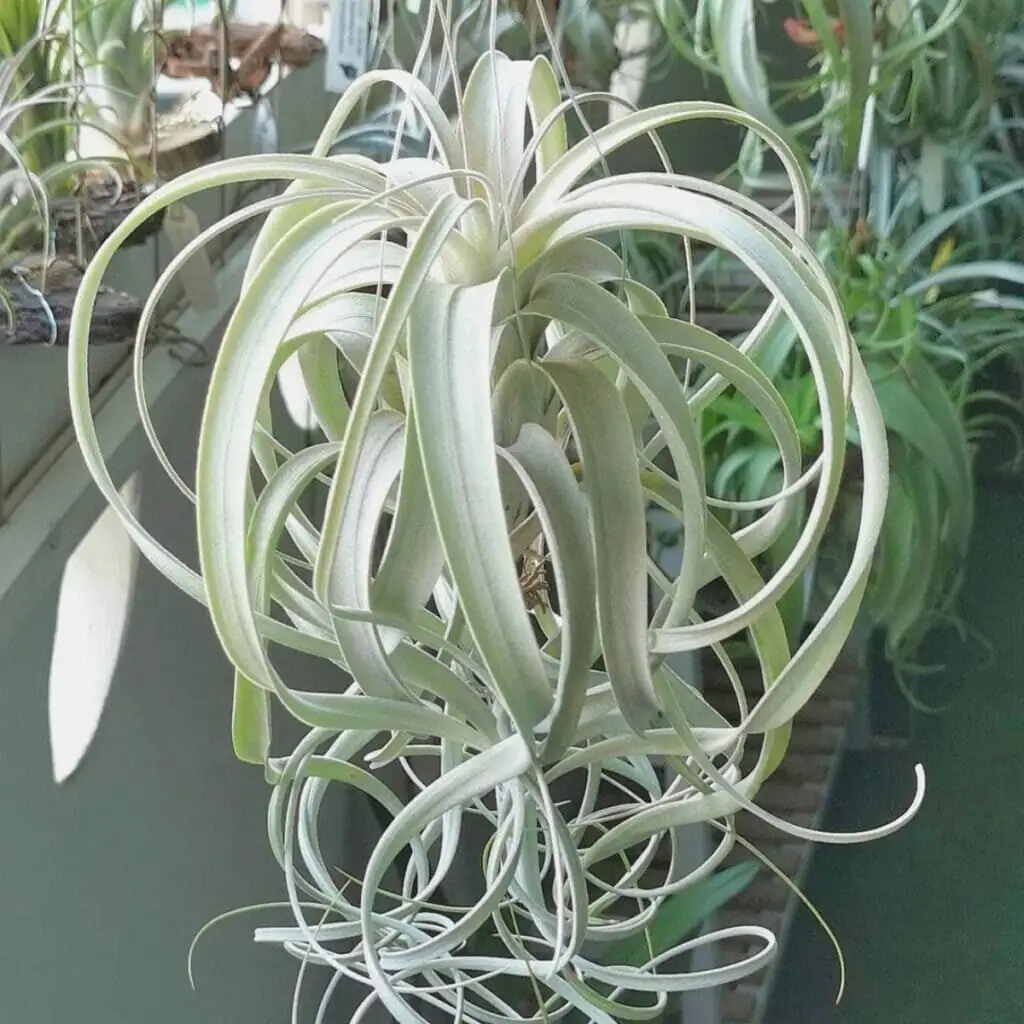
If your Tillandsia xerographica (the King of the Air Plants) suddenly looks off, think like a first responder: diagnose fast, stabilize airflow, and act with precision. This sculptural epiphyte from the dry forests of southern Mexico to Honduras loves bright light, dry-downs, and a steady breeze. Most crises trace back to the same culprits: staying wet too long, getting too dry for too long, or sneaky pests. Here’s your rapid, no-panic playbook.
Rapid triage: rot or dehydration?
You’re looking for texture, color, and smell. Work from the base outward.
If it’s dehydration
Telltale signs:
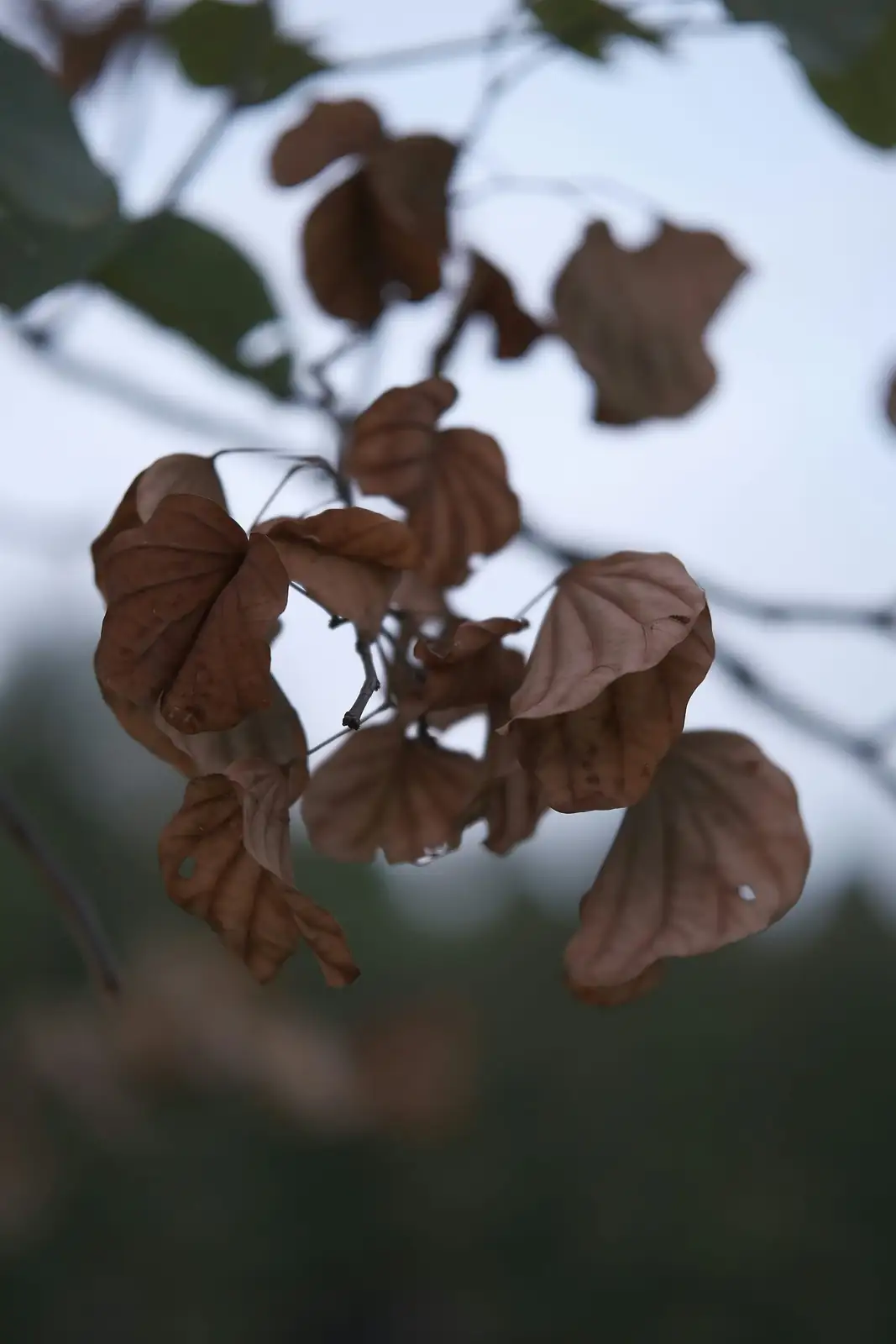
- Leaves curl tighter than their usual elegant ringlets and feel papery or brittle
- Feather-light rosette; tips crisp and brown
- Silvery leaf sheen looks dull; no mushy tissue anywhere
- No sour or swampy smell
Immediate fix (same day):
- Morning rehydrate: thoroughly mist until the leaves darken slightly and feel cooled, or do a quick rinse (5–10 seconds) with tepid, low-mineral water. Avoid long soaks unless the plant is severely desiccated.
- Airflow on: place in bright light with strong ventilation so it dries fully within about 4 hours.
- Repeat light misting every 1–3 days until leaves regain firmness; then resume normal rhythm.
- Brighten its spot (east or bright south window with filtered midday sun). Underlit plants dehydrate unpredictably.
Severe dehydration option (use sparingly):
- A brief emergency soak (up to ~10 minutes), then shake gently, invert to drain, and run strong airflow until completely dry the same morning. Do not make soaking a habit—this species prefers misting and quick dry-downs.
If it’s rot
Telltale signs:
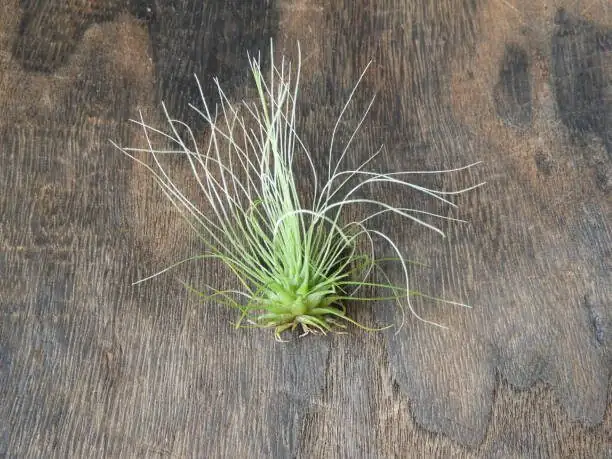
- Base or inner leaves feel soft, translucent, or “onion-like”
- Leaves detach with a gentle tug; core may look blackened
- Sour, swampy odor; patches of brown/black spread from the base
- The plant stayed wet without a breeze (closed containers, tight displays, or recent heavy soak)
Immediate fix (right now):
- Evacuate water: hold the plant upside down; shake gently to clear trapped moisture from the rosette.
- Surgery-lite: peel away only truly mushy, dead outer leaves to expose healthy tissue. Don’t carve the core.
- Drying protocol: set in warm, bright, airy conditions with a fan (see “Emergency airflow” below). No watering for 3–5 days—only resume a light mist when tissue is firm again.
- Space it out: isolate from other plants and any closed terrariums or holders that trap humidity.
- If the central core is fully collapsed or black through, focus on salvaging any pups forming on the sides.
Pro tip: “Rot or trichomes?” The silvery fuzz is normal—those are trichomes, not mold. Rot is about mushiness, darkening, and smell.
Evict mealybugs and scale with 70% isopropyl (quick and clean)
First, confirm the enemy:
- Mealybugs: cottony white clusters hiding in leaf bases and curls, sometimes with sticky honeydew or sooty mold.
- Scale: tiny, hard, immobile bumps (often on undersides of leaves) that don’t brush off easily.
Spot pests vs. trichomes:
- Trichomes = uniform, silvery “matte dust,” not clumpy; they don’t smear.
- Mealybugs scale off or smear when dabbed with alcohol.
Step-by-step treatment:
- Isolate the plant. Good light, strong airflow.
- Mix 70% isopropyl alcohol. Use a cotton swab to dab each insect thoroughly. For tight curls, use a soft paintbrush or a small syringe to reach crevices.
- Wait 2–3 minutes. Lightly rinse with tepid water to remove alcohol residue and honeydew.
- Dry fast: invert, shake, and run a fan so the rosette dries within about 4 hours.
- Repeat every 3–5 days for 2 weeks to catch hatchlings. Keep isolated until no new signs appear.
What not to use:
- Avoid oil-heavy sprays (including oil-laden “leaf shine” or heavy horticultural oils). Air plants breathe through leaf surfaces—oils can smother trichomes.
Set up emergency airflow (the same day)
Airflow is your life raft—especially after any watering, rinse, or pest treatment.
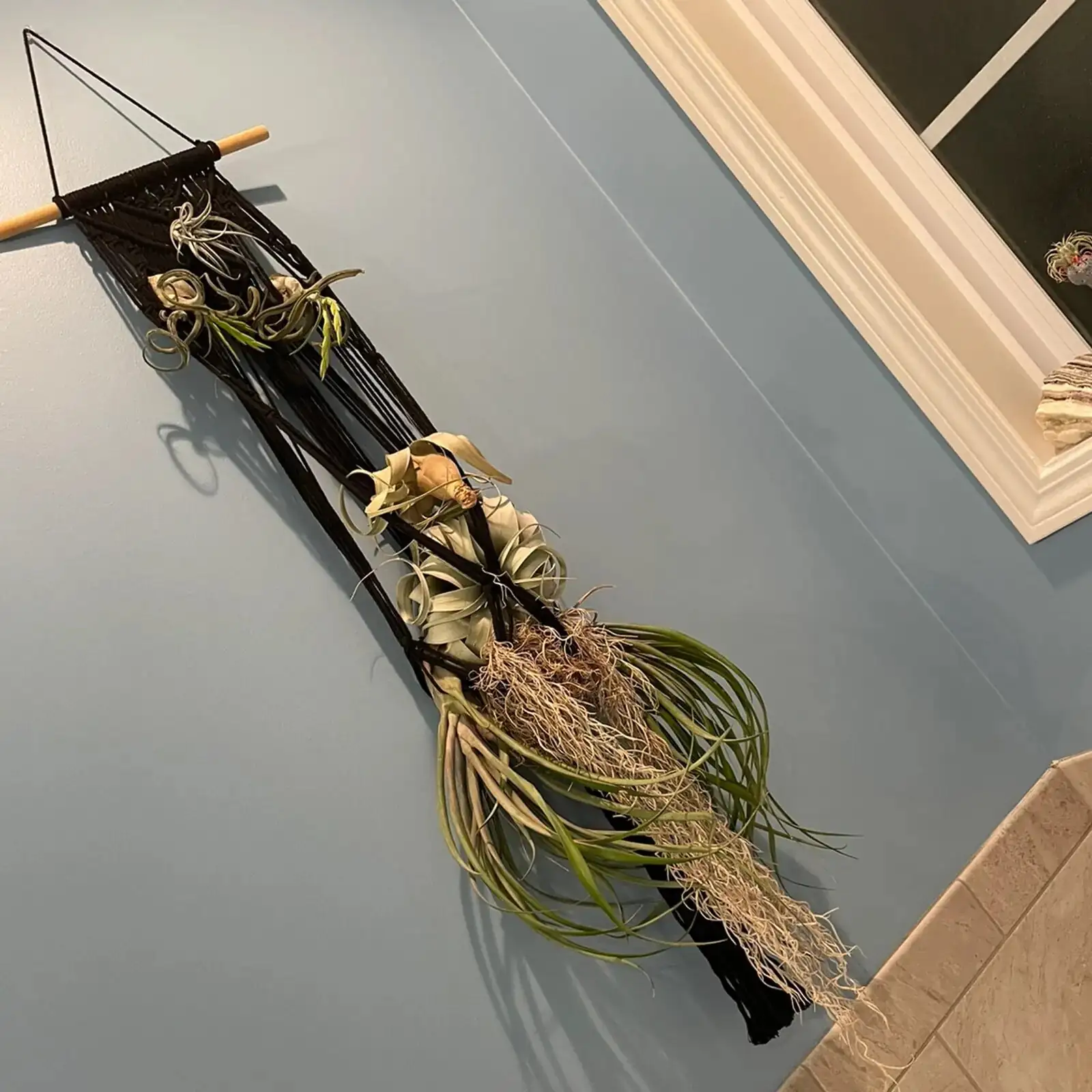
- Fan placement: a small oscillating fan 2–6 feet away, creating a constant, gentle breeze across the rosette.
- Drying target: completely dry within about 4 hours of any moisture event.
- Staging: stand the plant on a wire rack or airy holder; never crowd into bowls or closed cloches.
- Environment: bright light with filtered midday sun; temps 59–86°F (15–30°C). If humidity is high, use stronger ventilation; if your room is very dry, water a touch more often—but always keep that quick dry-down.
- Outdoors (frost-free climates, USDA 10–11): bright, airy patio with morning sun and afternoon bright shade is ideal.
Prevent future flare-ups
Watering rhythm (this species prefers “less, but right”):
- Prefer thorough misting over soaking. Mist early in the day, then ensure the plant dries within about 4 hours.
- In very dry homes, add a brief rinse (5–10 seconds) once in a while; avoid long soaks unless critically dehydrated.
- Use rain, distilled, or filtered water to reduce mineral spots. Rinse with plain water occasionally to clear any fertilizer residue.
Light and temperature:
- Bright is best: east window or bright south with filtered midday sun. Too little light = softer, greener leaves and slower recovery; harsh, unfiltered midday sun can bleach.
- Keep warm and frost-free; protect from cold below 50°F (10°C).
Airflow and display:
- No soil needed. Mount on wood/rock or place on an airy stand—skip constantly wet moss or tight containers.
- Terrarium looks are fine only if ventilation is excellent. Think “breeze in, moisture out.”
Feeding, lightly:
- During active growth, feed at 1/4 strength with a bromeliad/air-plant fertilizer every 2–4 weeks (or monthly). Rinse with plain water occasionally to prevent buildup.
Cleanliness and quarantine:
- Inspect weekly: look into leaf bases for cottony clusters or crusty bumps.
- Quarantine new plants for 2–3 weeks.
- Wipe honeydew/sooty mold promptly; it attracts more pests.
Seasonal tweaks:
- Spring–summer: brighter light, slightly more frequent misting, gentle feeding.
- Fall–winter: reduce watering frequency, maximize light, and emphasize faster dry-downs.
Quick reference: diagnose at a glance
- Crispy, feather-light, tight curls without mush? Dehydration → morning mist/rinse + airflow.
- Soft, smelly, dark base; leaves slip off? Rot → no water for several days + max airflow; remove only dead tissue.
- Cottony clusters or hard bumps? Mealybugs/scale → dab 70% isopropyl, rinse, dry fast; repeat 2 weeks; avoid oil-heavy sprays.
A note on blooms, pups, and personality
When mature, T. xerographica may send up a long-lasting, often branched spike with small purple tubular flowers. Like many bromeliads, the mother rosette slowly bows out afterward, producing pups to carry the torch—don’t “trim it down.” If you value symbolism, this plant is often linked to resilience and minimalist elegance: thriving without soil, it turns air, light, and flow into architecture. It’s non-toxic to people and pets, too—just not a snack.
Keep it bright, breezy, and quick to dry, and your “King of the Air Plants” will live up to its crown.