

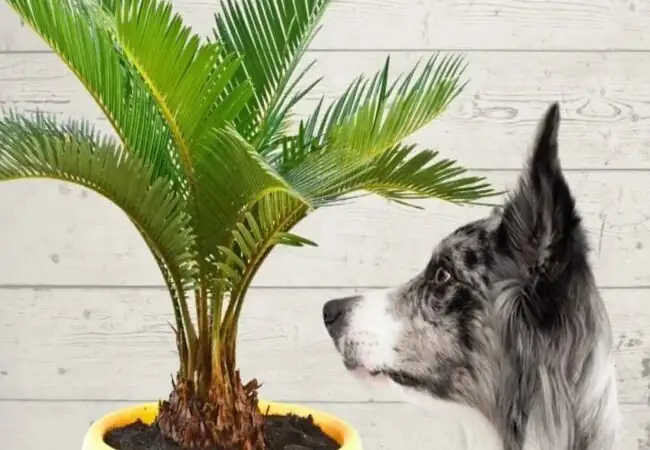
The sago palm (Cycas revoluta) looks like a miniature, perfectly coiffed palm tree—ancient, architectural, and irresistibly sculptural. But there’s a catch every pet household needs to know: this “living fossil” is highly poisonous. In fact, the entire plant is toxic, with the seeds being especially dangerous to dogs and cats. If you share your home or yard with animals, treat this plant like you would an open medicine cabinet—lock it down or choose something else.
What you’re caring for, at a glance
- True identity: Not a palm at all, but a cycad—one of the oldest lineages of seed plants on Earth.
- Native origin: Southern Japan (Ryukyu Islands); now widely cultivated.
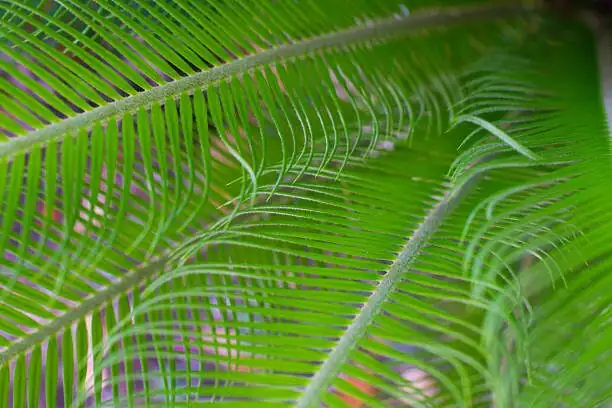
- Look and feel: A chunky trunk topped with a tidy rosette of stiff, glossy, needle-tipped fronds.
- Houseplant habits: Slow-growing, low-maintenance structure plant for bright, filtered light—and absolutely not “pet friendly.”
- Safety headline: All parts are poisonous; seeds are the most toxic. Keep well out of reach of pets and children.
Why Cycas revoluta is toxic—and which parts are worst
- All parts are poisonous: fronds, trunk, roots, cones, and seeds. Even small amounts can cause serious illness.
- Seeds (often called “nuts”) are the highest risk. They’re large, smooth, and enticing—perfect “grab-and-gulp” size for dogs. Ingestion can be life-threatening.
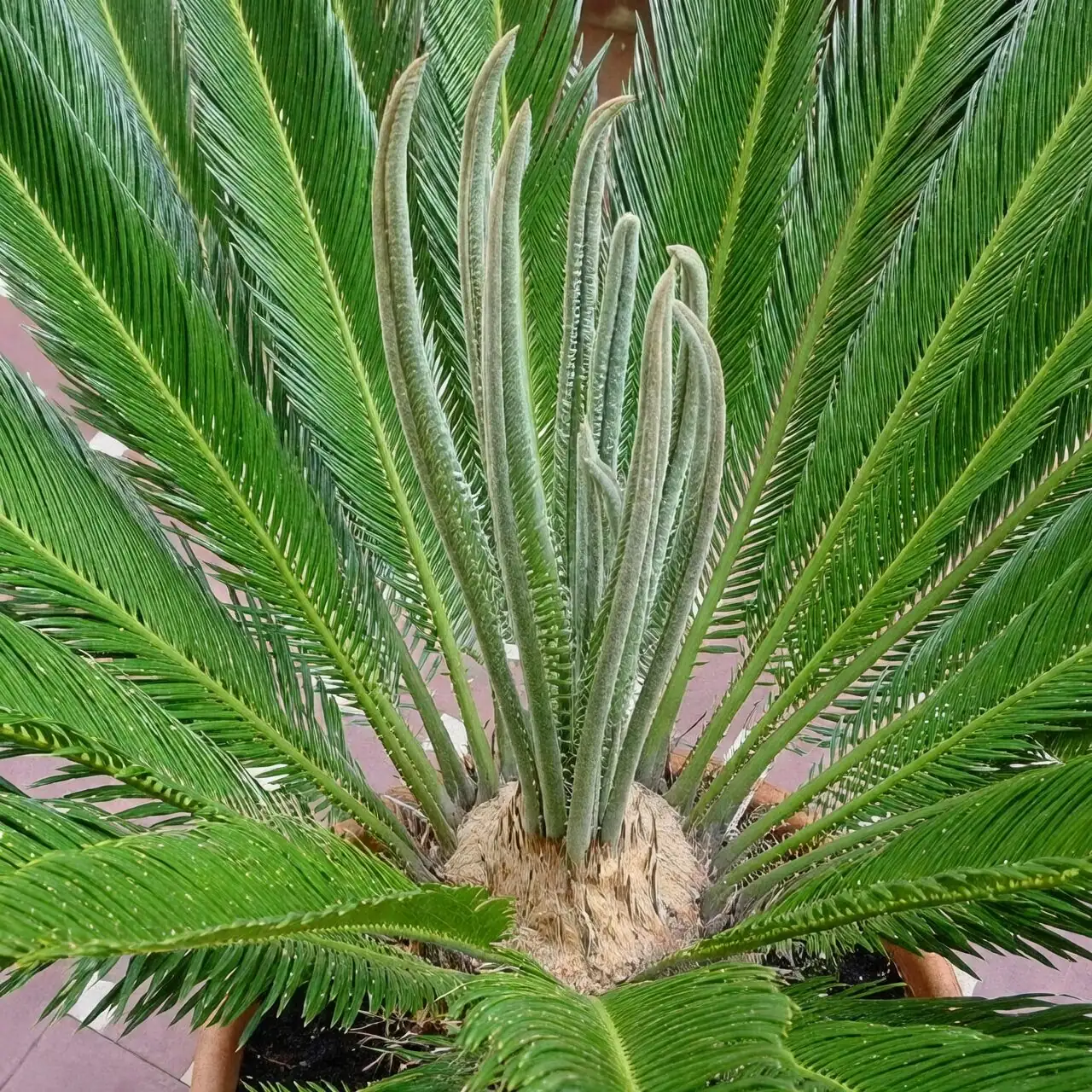
- New frond flushes can tempt curious pets. Young leaves are tender and more likely to be chewed. They are not safe.
- The toxic principles include cycasin (a liver-damaging compound) and other cycad toxins that can also affect the nervous system.
Common exposure scenarios—how pets get into trouble
Outdoors
- Seed drop season: Mature female plants produce showy, woolly seed structures; when seeds fall, dogs often treat them like acorns or balls.
- Landscaping traps: Median plantings, condo courtyards, and dog-walking routes often feature sago palms. One mouthful on a stroll can be enough.
- Yard waste: Pruned fronds, cones, or seeds left on the ground, in open compost, or in yard bags are easy targets.
Indoors and patios
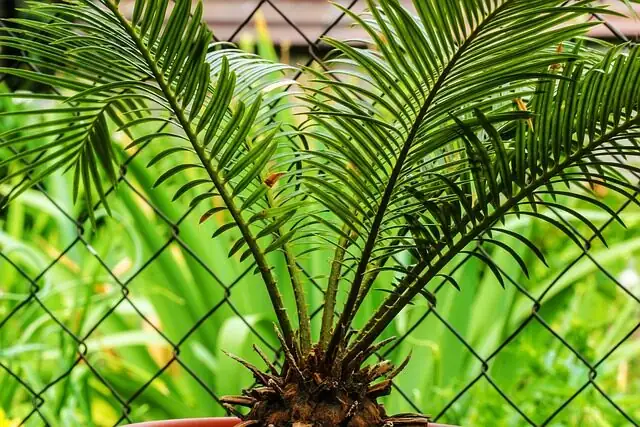
- “Bonsai” or tabletop sago palms: Low placement on coffee tables or plant stands puts fronds at nose height.
- Knocked-over pots: A curious cat or excited dog topples the container, chews fronds, or mouths the cone/seed structure.
- Pruning time: Trimmings or offsets (“pups”) left within reach become chew toys.
- Visiting pets: A friend brings a dog to your deck with a sago palm? New environment + novel plant = risk.
What poisoning looks like—signs and timeline
Early (15 minutes to several hours)
- Vomiting (often repeated), drooling, diarrhea
- Abdominal pain, loss of appetite, lethargy
Progression (hours to 2–3 days and beyond)
- Liver injury signs: increased thirst and urination, dark urine, yellowing of eyes/skin (jaundice), pale or bruised gums, black/tarry stool (melena)
- Bleeding tendencies: nosebleeds, blood in urine or stool
- Neurologic signs (less common): weakness, wobbly gait, tremors, seizures
Bottom line: Do not wait for symptoms. Severe effects, including liver failure, can be delayed by 48–72 hours.
Immediate steps if you suspect ingestion
1) Remove access fast
- Take away any plant material; gently wipe or rinse your pet’s mouth with a damp cloth. Don’t let them re-expose themselves.
2) Call a veterinarian or poison control now
- Contact your veterinarian or the nearest emergency vet.
- 24/7 hotlines:
- ASPCA Animal Poison Control Center: (888) 426-4435 (consultation fee may apply)
- Pet Poison Helpline: (855) 764-7661 (consultation fee may apply)
3) Skip home remedies unless a vet instructs you
- Do not induce vomiting on your own. Don’t give milk, charcoal, or hydrogen peroxide unless a professional directs you.
4) Bring helpful info
- What was eaten (seed vs. leaf), how much, and when
- Photos or a plant sample in a sealed bag
- Your pet’s weight, current meds, and any health conditions
5) Expect urgent care
- Your vet may use decontamination (if very recent), anti-nausea meds, liver protectants, IV fluids, sugar and clotting support, and serial bloodwork for several days.
Preventing sago palm poisoning: checklists that work
If you don’t own one (yet)
- Best option: choose a truly pet-safe plant instead.
- Know the aliases: Sago Palm, Japanese Sago Palm, King Sago, Sago Cycad, Cycas revoluta. Related cycads (often sold as “coontie” or “cardboard palm”) carry similar risks.
- Learn to spot it on walks and in public landscapes, especially when seeds are present.
If you already own one
- Strongly consider rehoming the plant to a pet-free household.
- If you keep it:
- Elevate and isolate: place in a bright spot pets cannot access—behind a closed door or on a sturdy, wall-anchored shelf. Bright, filtered light is ideal for the plant; in pet homes, “high and hidden” is ideal for safety.
- Block and train: use pet gates, exercise pens, or shelving barriers; reinforce a rock-solid “leave it” cue for dogs.
- Seed-proof proactively: remove and securely bag any cones/seed structures the moment they appear. Patrol for and pick up fallen seeds immediately.
- Secure disposal: double-bag all trimmings, seeds, and offsets; place directly into outdoor trash bins. Never compost or mulch cycad material.
- Label it: add a clear “TOXIC—KEEP PETS AWAY” tag to alert family, pet sitters, and guests.
- Handle with care: wear gloves and eye protection; leaflets are sharp and the sap is not friendly to skin or eyes.
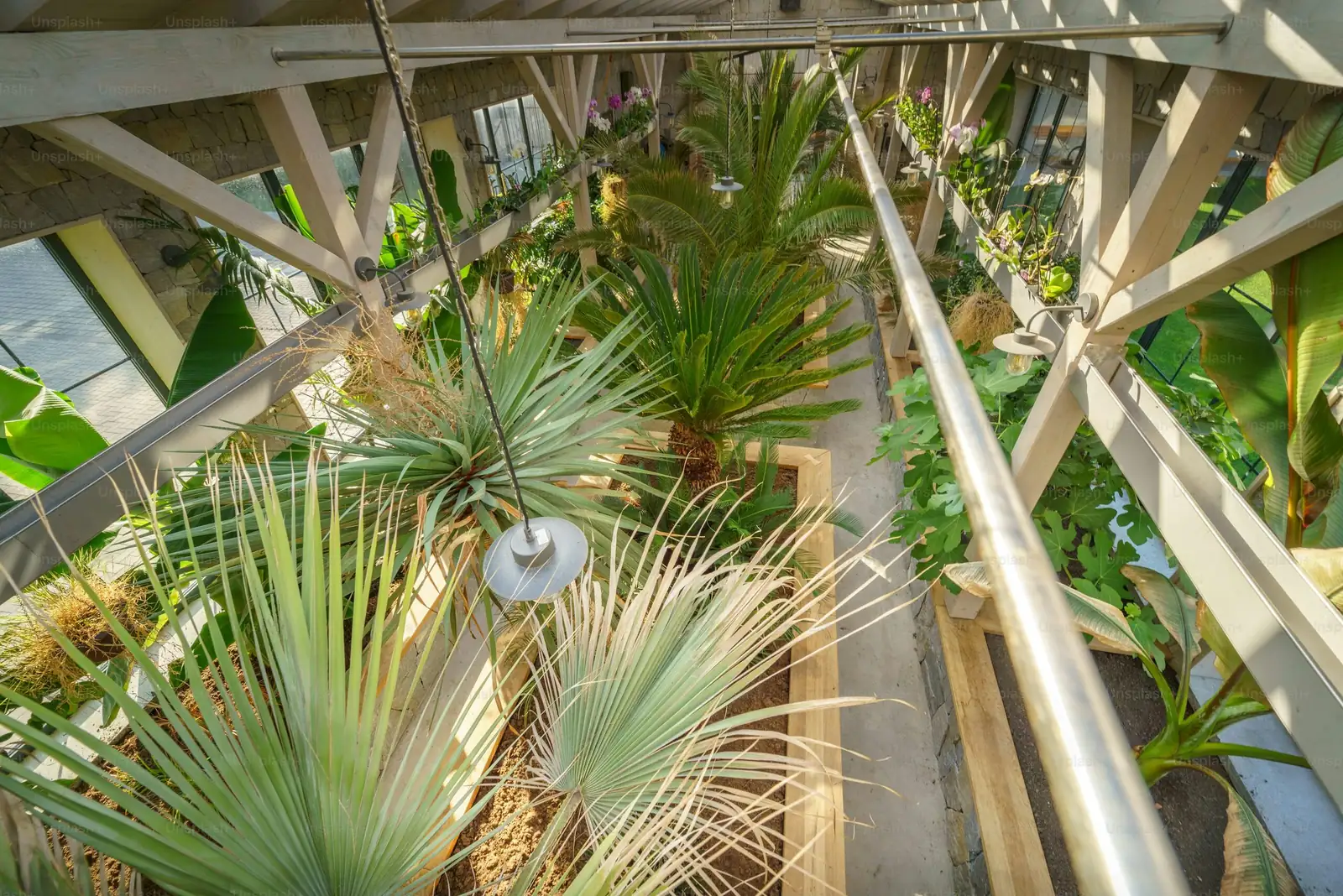
Yard and neighborhood savvy
- Walk-smart: avoid landscaped beds with sago palms; keep dogs leashed near medians and condo entries where cycads are common.
- Seed season watch: look for smooth, orange-to-reddish seeds on the soil surface beneath female plants.
- Contractor briefing: tell landscapers and gardeners you have pets—no cycads on site, and all trimmings must be removed the same day.
- Community outreach: kindly alert neighbors if their seed-laden sago palms drop into shared areas.
Answers to common questions
- Is any part “safe” if my plant doesn’t make seeds? No. All parts are toxic. Seeds are the most concentrated, but leaves, roots, and trunk are also dangerous.
- Do indoor plants make seeds? Mature plants can form male cones or female seed structures, but indoors this is uncommon and typically happens only on older, well-grown specimens. Don’t rely on rarity—assume risk and prevent access.
- Are all “sago” plants the same? Cycas revoluta is the classic “Sago Palm,” a cycad (not a true palm). Several related cycads are sold under names like “coontie” or “cardboard palm.” Treat them all as highly toxic to pets.
- But isn’t “sago” a food starch? Edible sago comes from a true palm (Metroxylon sagu), not from cycads. Traditional preparation of some cycads involves complex detoxification steps not applicable to home settings. Never attempt to process or ingest any part of Cycas revoluta.
A quick word on placement and care—through a safety lens
- Light: Bright light with protection from harsh midday sun. Indoors, near a bright, filtered window is perfect—just ensure pets can’t reach it.
- Temperature: 55–75°F (13–24°C); protect from frost and cold drafts outdoors.
- Soil: Very free-draining mix; avoid overwatering and never pour water into the central crown to prevent rot.
- Growth: Very slow. That’s good news for pet-proofing—once you lock down placement, it won’t “creep” within reach.
Post this where you’ll see it: your sago safety magnet
- Danger: all parts toxic; seeds most dangerous
- Watch for: vomiting, diarrhea, lethargy within hours; jaundice, dark urine, bruising in 2–3 days
- Act now: call your vet, ASPCA APCC (888-426-4435), or Pet Poison Helpline (855-764-7661)
- Bring: plant sample/photo, what/when/how much, your pet’s weight and meds
The take-home
Cycas revoluta is a stunning, ancient statement plant—just not a safe roommate for curious paws and whiskers. If you live with pets, either skip it or secure it with the same diligence you’d give household medicines. And if your pet ever mouths a leaf or seed, don’t wait for symptoms. Call for help immediately. Fast action saves lives.