

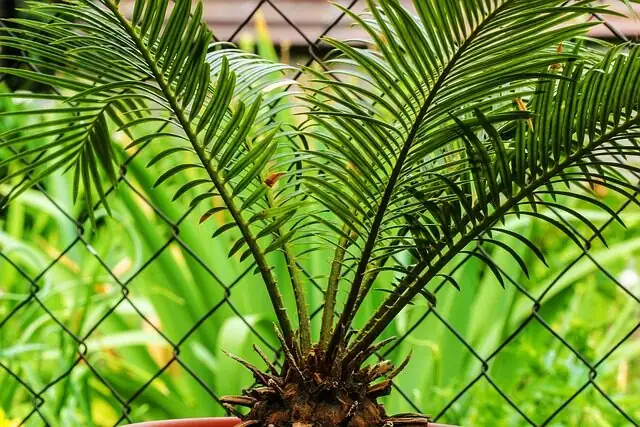
Imagine a windswept temple courtyard on a Ryukyuan island: stone lanterns, salt-laced air, and at the center of it all, a compact, armored silhouette crowned with perfectly ordered fronds. This is Cycas revoluta—Sago Palm—an ancient survivor that watched dinosaurs thunder past and now presides, calmly and handsomely, over our patios and bright rooms. How did a plant born on the southern coasts of Japan become a global icon of rugged elegance? Let’s take the journey.
From Southern Japan to the World
Native to the southern reaches of Japan, including the Ryukyu Islands, Cycas revoluta has long been a presence in temple gardens and coastal landscapes. Its tidy symmetry and patient growth earned it reverence at home, and its adaptability won it fans abroad. Today, it’s widely cultivated in warm climates and as a container star far from its island origins.
A Deep-Time Survivor with Modern Poise
Cycads are often called “living fossils,” and with good reason: their lineage stretches back to the age of dinosaurs. Cycas revoluta carries that ancestry in every detail:
- A stout, textured trunk (caudex) that slowly gains character and sometimes branches with age.
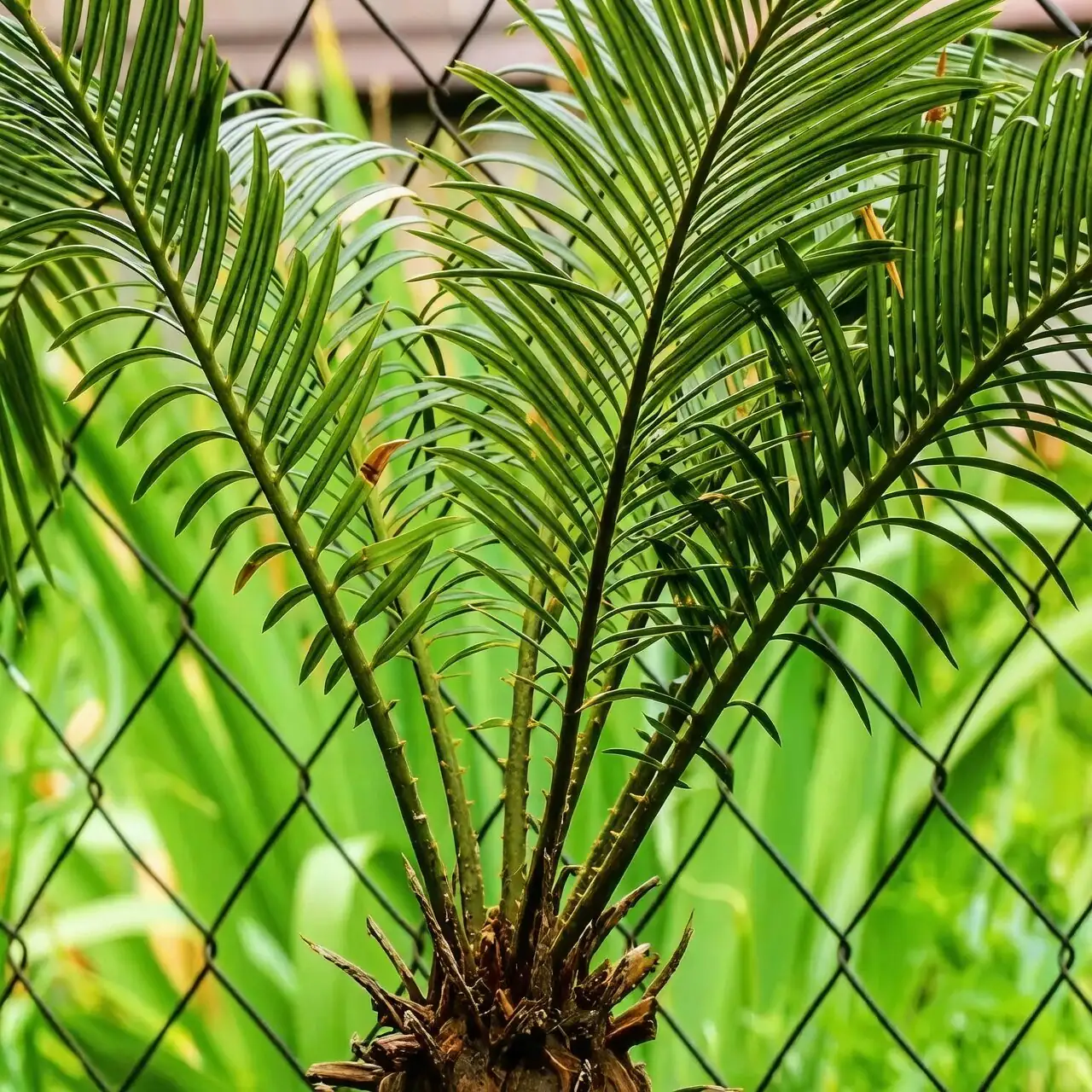
- A rosette of stiff, glossy, dark green fronds that unfurl in dramatic flushes from the crown.
- Separate sexes: mature males form an impressive cone; females produce a woolly, seed-bearing structure. Indoors, this is uncommon and usually seen only on older, well-grown plants.
Despite the palm-like look, this is no palm at all—it’s a cycad. And it behaves like one: slow, steady, and stoic.
Why Gardeners Fall in Love
- Architecture you can count on: a neat, symmetrical crown that anchors compositions indoors and out.
- Low drama, high impact: slow growth and strong structure mean fewer interventions, more presence.
- Textural contrast: glossy fronds, shaggy trunk, and a sculptural silhouette that plays beautifully with gravel, stone, and modern containers.
Note: those refined lines hide a serrated truth—the leaflets are sharp, and all parts are highly toxic (especially the seeds). Respectful placement is part of the plant’s design brief.
Meet the Plant: At a Glance
- Scientific name: Cycas revoluta
- Common names: Sago Palm, Japanese Sago Palm, King Sago, Sago Cycad
- Family/Genus: Cycadaceae / Cycas
- Habit: Very slow-growing, palm-like cycad with a stout trunk and a symmetrical rosette of fronds
- Typical container size: About 60 × 60 cm (24 × 24 in); larger with age in warm climates
- Not a palm; not for edible use
Growing Cycas revoluta: The Modern Gardener’s Guide
Light
- Bright light with protection from harsh midday sun.
- Indoors: place near a bright window with filtered light.
- Outdoors: partial sun/partial shade works well.
Temperature and Hardiness
- Ideal range: 13–24°C (55–75°F).
- Hardiness: USDA Zone 9–11.
- Generally not frost hardy; protect when temperatures approach -1 to 0°C (30–32°F). Keep away from cold drafts.
Humidity
- Average indoor humidity is fine; moderate humidity preferred.
- In hot, dry spells, occasional misting helps keep fronds looking fresh.
Soil and Potting
- Fast drainage is essential.
- Practical mix: a 1:1 blend of a soil-based mix and a general-purpose potting mix, with added grit/perlite as needed.
- For a plant around the described size, a 20–30 cm (8–12 in) diameter pot is suitable.
Watering Rhythm (with the crown-rot rule)
- Spring through autumn: water when the top of the mix has dried slightly.
- Winter: keep the mix almost dry.
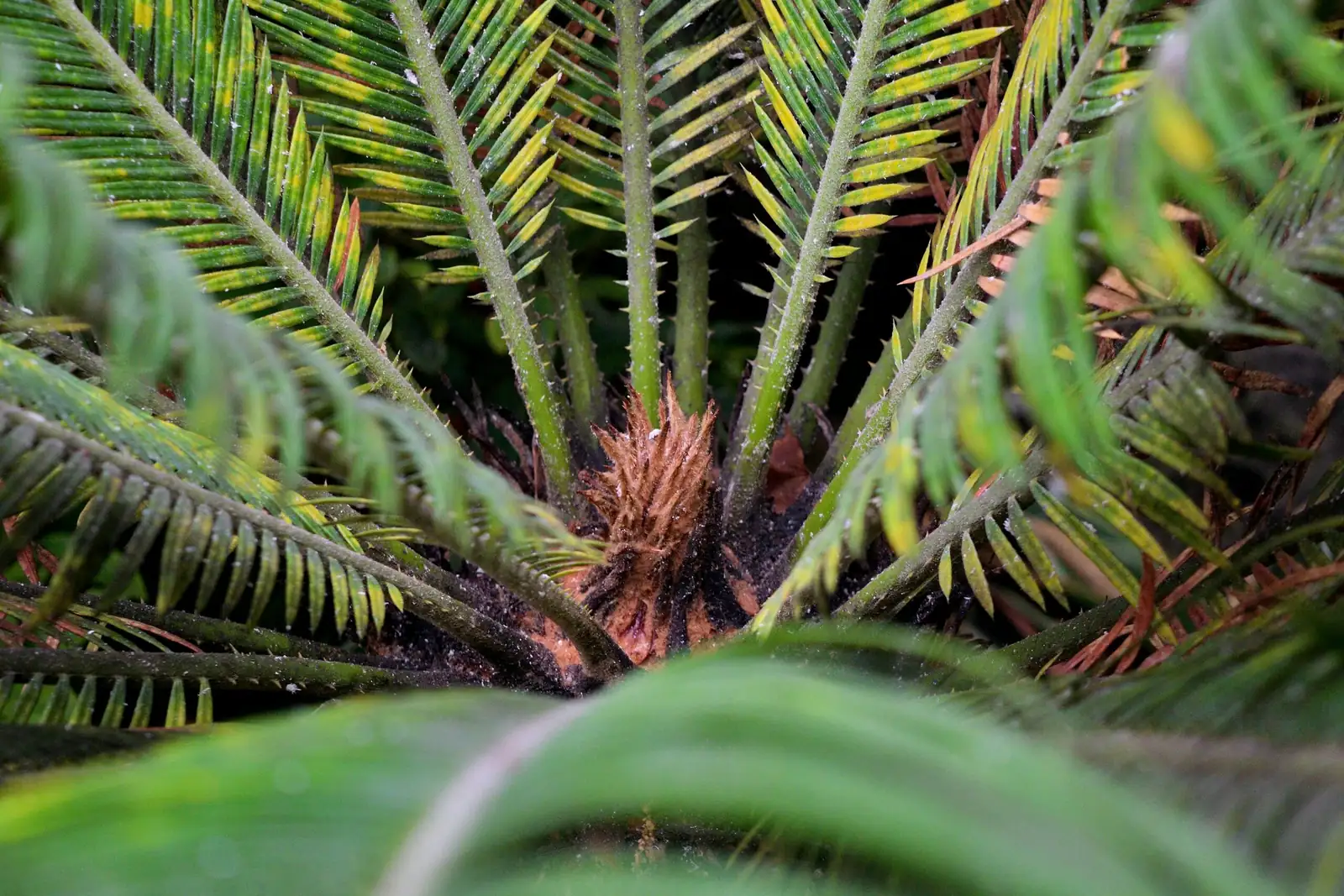
- Crucial: never pour water into the central crown where new fronds emerge—this invites crown rot.
Feeding
- Spring through autumn: feed monthly with a balanced liquid fertilizer at half strength.
- Cycads are slow by nature. More fertilizer won’t mean more speed—go light and steady.
Pruning and Grooming
- Remove only fully brown, dead fronds; cut close to the trunk with clean tools.
- Avoid trimming green fronds—they’re the plant’s energy stores.
Repotting
- Every ~3 years, or sooner if root-bound.
- Size up modestly; keep the mix gritty and disturb roots as little as possible.
Propagation
- Best by removing and rooting basal offsets (“pups”) when they appear.
- Seeds are possible but very slow and rarely practical indoors.
A Simple Seasonal Calendar
- Spring–autumn: water after the surface dries slightly; feed monthly at half strength.
- Summer: mist occasionally if conditions are hot and dry.
- Winter: keep almost dry; place away from heating sources.
Design and Placement Ideas
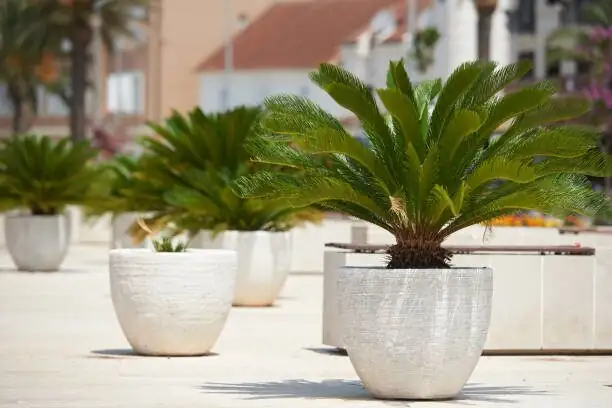
- Threshold theatre: frame an entryway with a pair in handsome, weighty containers.
- Gravel modernism: set one against pale stone or decomposed granite for a gallery-like moment.
- Tropical contrast: juxtapose its rigid fronds with soft, broad-leaved companions (kept at safe distance from those prickly leaflets).
- Indoors: a bright, filtered-light spot where traffic won’t brush past the sharp leaflets. Think pedestal, not walkway.
Buying Checklist
- Choose plants with a firm trunk/caudex and deep green fronds.
- Avoid any with a soft base, sour-smelling soil, or yellowing foliage combined with wet compost (a rot red flag).
- Inspect along the midribs for scale insects.
Health: Pests and Problems
- Common pests: scale insects, mealybugs, and spider mites (especially indoors).
- Biggest risk: overwatering leading to root or crown rot. Counter with a gritty mix, good airflow, and measured watering.
- Routine care: wipe dust from fronds, monitor the crown, and isolate new plants until you’re sure they’re pest-free.
Safety First: Toxicity
- Highly toxic to humans and pets; seeds are especially dangerous.
- Do not ingest. Keep well out of reach of children and animals.
- Wear gloves for handling if you have sensitive skin, and dispose of pruned parts securely.
FAQs
- How should I schedule watering?
- From spring to autumn, water when the surface of the potting mix has dried slightly. In winter, keep it almost dry. Never pour water into the crown. In summer, occasional misting can help if the air is very dry.
- How often and how much should I fertilize?
- Once a month at half strength from spring through autumn.
- What pot size works best?
- For the typical plant size described, a 20–30 cm (8–12 in) pot with a fast-draining mix.
- How often should I repot?
- About every 3 years, or sooner if root-bound—minimize root disturbance.
- Is Sago Palm poisonous?
- Yes—very. All parts are toxic, especially the seeds. Keep away from children and pets.
Symbolism and “Flower Language”
Cycads don’t make true flowers, so any “flower language” is metaphorical—yet the cultural impulse is clear. With a lineage measured in geological epochs, Cycas revoluta symbolizes longevity, resilience, and steadfastness. Its slow, dignified growth and cyclical flush of fronds evoke patience and renewal. In a world hooked on instant results, it quietly insists that strength is a long game.
Fun Facts
- Despite the name, Sago Palm isn’t a palm—it’s a cycad.
- Cycads are among the oldest seed plants on Earth, often called “living fossils.”
- New fronds emerge in a synchronized flush, unfurling from the center like tightly coiled green scrolls.
The Last Word
Cycas revoluta is part sculpture, part storybook—rooted in the Ryukyus, refined by deep time, and ready to lend gravitas to your space. Give it bright light, sharp drainage, and a respectful berth, and it will repay you—not with speed, but with a presence that feels both ancient and enduringly modern.