

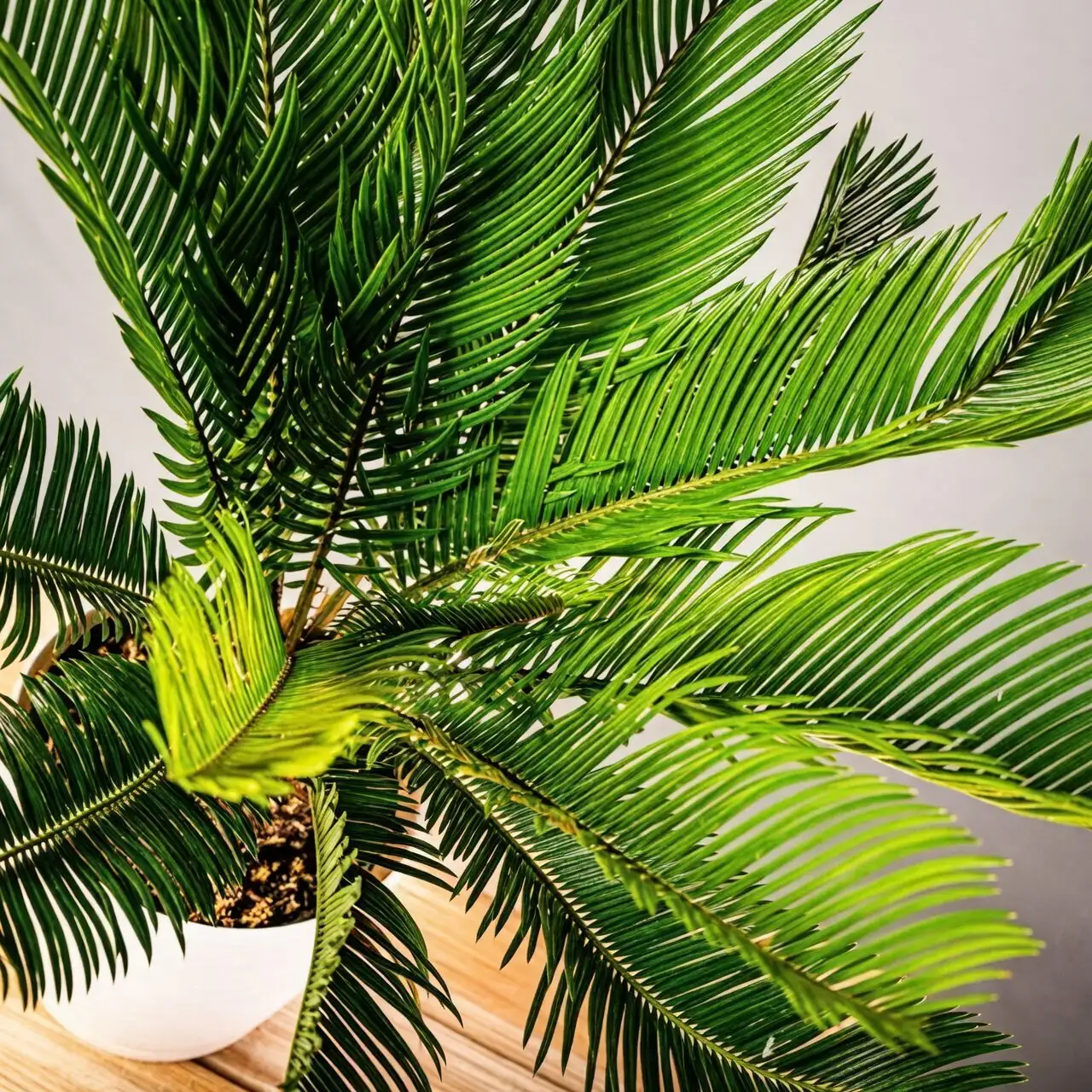
If you like your plants tough, architectural, and low-drama—but secretly glamorous—Cycas revoluta (Sago Palm) is your kind of green. It’s a living fossil with a slow, deliberate rhythm: stoic for months, then suddenly unleashing a perfect halo of new fronds. Treat it like a desert-wise aristocrat: lots of light, lean soil, measured drinks. Here’s a punchy, season-by-season roadmap to keep it pristine and rot-free.
Meet the Plant, Set the Stage
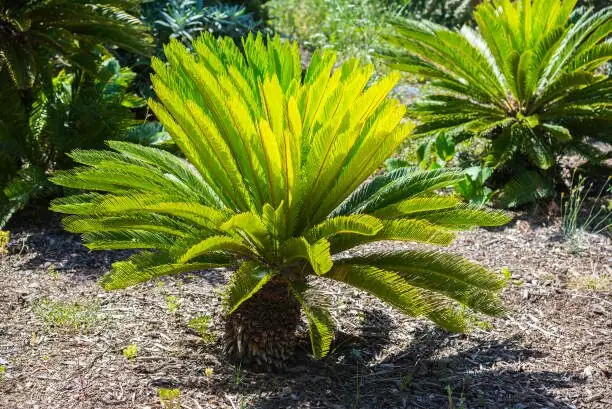
- What it is: A cycad, not a palm—chunky trunk, stiff, glossy fronds in a tidy crown.
- Light sweet spot: Bright, with protection from harsh midday sun. Indoors, aim for filtered light by a bright window.
- Temperature: 13–24°C (55–75°F). Protect from frost and cold drafts.
- Humidity: Average home humidity is fine; in hot, dry weather, a light misting keeps foliage looking fresh.
- Absolute rule: Never pour water into the central crown. That’s the fast track to crown rot.
The Gritty Mix and the Right Pot (Your Anti-Rot Foundation)
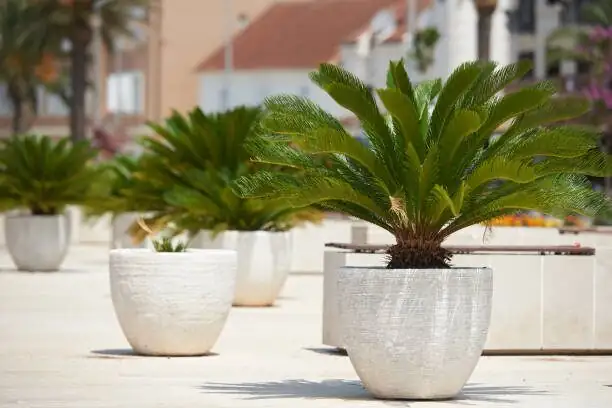
- Soil recipe (simple and effective):
- 1 part soil-based mix
- 1 part general-purpose potting mix
- Add extra grit or perlite until the blend feels very free-draining
- Pot size: For a typical container specimen around 60 × 60 cm (24 × 24 in), a 20–30 cm (8–12 in) diameter pot is usually right.
- Drainage: Generous drainage holes are non-negotiable. Water should exit quickly; the mix should never feel spongey for long.
- Planting depth: Keep the crown high and proud—do not bury it.
Light: Bright, But Protected
- Indoors: Near an east window or a south/west window with sheer curtain or dappled light.
- Outdoors (mild climates): Partial sun/partial shade works best; shield from punishing midday rays.
- Pro tip: During a new frond “flush,” avoid rotating the pot so the emerging fronds harden symmetrically.
A Year in the Life: Season-by-Season Care
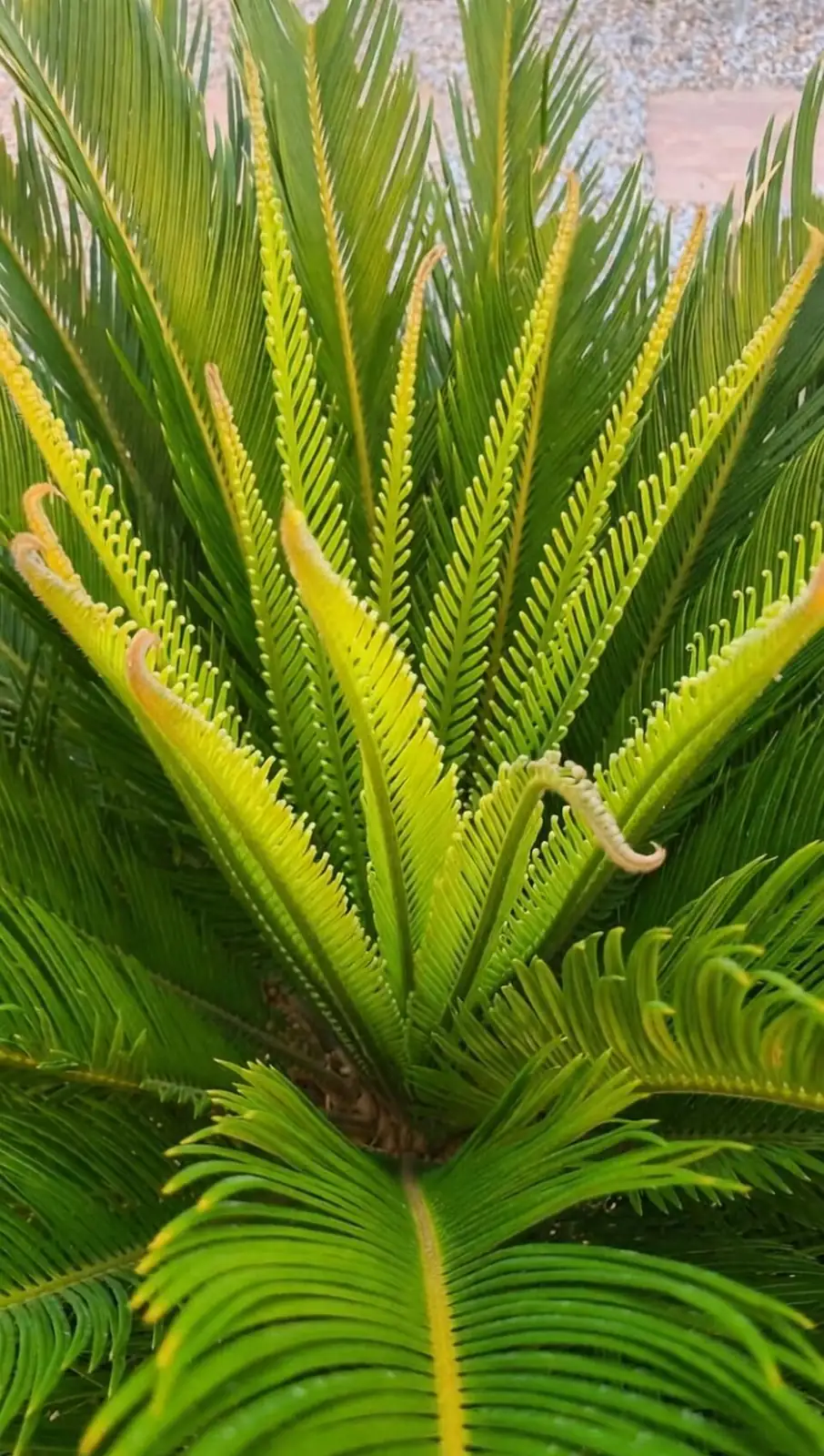
Spring: Wake-Up and Tune-Up
- Water: Begin regular watering when the top of the mix has dried slightly. Think “thorough soak, then wait.”
- Feed: Start monthly feeding at half strength with a balanced liquid fertilizer. Go easy—this is a slow-grower.
- Light: Increase brightness gradually if it spent winter in lower light.
- Repotting: If needed, this is the moment—roughly every 3 years. Disturb roots as little as possible.
- Health check: Inspect along the midribs for scale; refresh airflow around the plant.
Summer: Steady Rhythm, Strong Light
- Water: Stick to the “dry slightly, then water” rule. Heat can speed drying, but don’t knee-jerk—check the mix first.
- Humidity: If conditions turn hot and very dry, a light misting can freshen fronds (avoid wetting the crown).
- Light: Bright is good; shield from blasting midday sun.
- Feeding: Once a month at half strength continues.
- Travel tip: Before a short trip, water well and ensure excellent drainage; don’t leave it sitting in saucer water.
Autumn: Ease Off Gracefully
- Water: Start spacing waterings as days shorten; still, let the surface dry slightly between drinks.
- Feeding: Give the last light feed early in the season, then stop as growth slows.
- Light: Keep it bright; this stores energy for next year’s flush.
Winter: Minimalist Mode
- Water: Keep the mix almost dry. When in doubt, wait. A little thirst beats rot every time.
- Placement: Bright spot, away from heaters/radiators and cold drafts.
- No feeding: Pause fertilizer entirely.
- Touch test: If the surface is dry but the pot still feels cool and heavy, hold off—there’s moisture below.
Watering Rhythm, Simplified
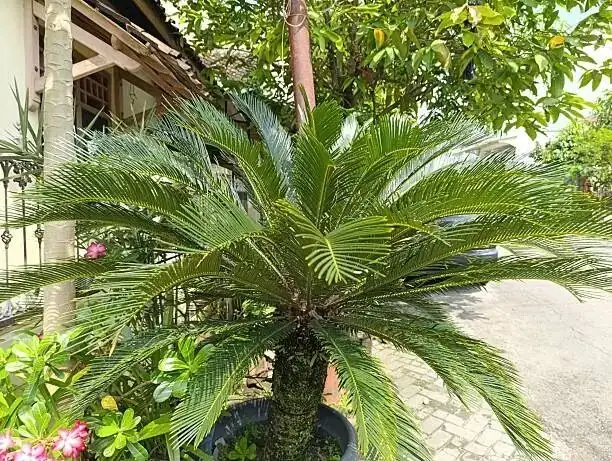
- Growing season (spring–autumn): Water when the top of the mix has dried slightly; water the soil, never the crown.
- Dormant season (winter): Keep almost dry; tiny sips only when the mix is clearly dry.
- Always drain: Empty saucers after 10–15 minutes.
Temperature and Air
- Best range: 13–24°C (55–75°F).
- Outdoor limits: Generally suited to USDA Zones 9–11; protect below about -1 to 0°C (30–32°F).
- Airflow: Gentle airflow helps deter pests and rot; avoid blasts from AC or heaters.
Crown Rot: The Mistakes to Avoid
- Pouring water into the crown: Always water the soil, not the plant’s center.
- Heavy, soggy mixes: Use a gritty, fast-draining blend; never allow long-term wetness.
- Deep planting: Burying the crown invites decay—keep it elevated.
- Cold + wet combo: Chilly, damp conditions are a rot accelerator.
- Stale air and shade: Poor airflow and low light keep the mix wet longer and stress the plant.
Grooming, Repotting, and Propagation
- Pruning: Remove only fully brown, dead fronds; green fronds are energy reserves.
- Repotting: About every 3 years or when clearly root-bound. Step up just one size; keep the mix airy and the crown high.
- Propagation: Remove and root basal offsets (“pups”) when present. Seed is possible but extremely slow and uncommon indoors.
- Safety while handling: Leaflets are stiff and needle-tipped—use gloves and move with care.
Pests and Quick Fixes
- Usual suspects: Scale insects, mealybugs, spider mites (especially indoors).
- Strategy:
- Improve light and airflow.
- Wipe fronds gently to remove dust and detect pests early.
- Treat promptly with targeted methods (e.g., horticultural soap or alcohol swabs for scale/mealybugs), avoiding runoff into the crown.
- Biggest health risk: Overwatering leading to root or crown rot—prevention beats any cure.
Buying Smart
- Choose: Firm trunk, tidy crown, deep green fronds.
- Avoid: Soft or mushy bases, sour-smelling soil, yellowing with wet compost.
- Inspect: Look along the midrib for scale.
Safety Note
- Toxicity: Highly toxic to humans and pets; seeds are especially dangerous. Place out of reach, and be careful with dropped seeds or pups.
Symbolism, “Flower Language,” and the Living Fossil Vibe
- Cycas revoluta doesn’t produce typical flowers—mature plants make cones (male) or woolly seed structures (female).
- Modern “flower language” associations lean into longevity and resilience—fitting for a lineage that predates dinosaurs.
- If you encounter specific “花语” claims, know they’re contemporary interpretations rather than historical tradition; the plant’s true poetry is its endurance and symmetry.
Quick Troubleshooting
- Yellowing fronds with wet soil: Back off watering; check drainage and light.
- Crispy tips in summer: Increase light protection at midday; consider a light mist on very dry days.
- Wonky, sparse growth: Increase brightness (filtered), and ensure you’re not trimming green fronds.
The Minimalist Care Mantra
- Light: Bright, protected from harsh midday sun.
- Water: Soil slightly dries, then water; almost dry in winter. Never into the crown.
- Soil: Gritty, fast-draining.
- Pot: 20–30 cm (8–12 in) for a typical specimen; repot every ~3 years, gently.
- Feed: Monthly at half strength in spring–autumn.
- Temperature: 13–24°C (55–75°F); shield from frost.
Do this, and your “palm-that-isn’t-a-palm” will reward you with armored elegance and the occasional breathtaking flush of new fronds—no drama, all style.