

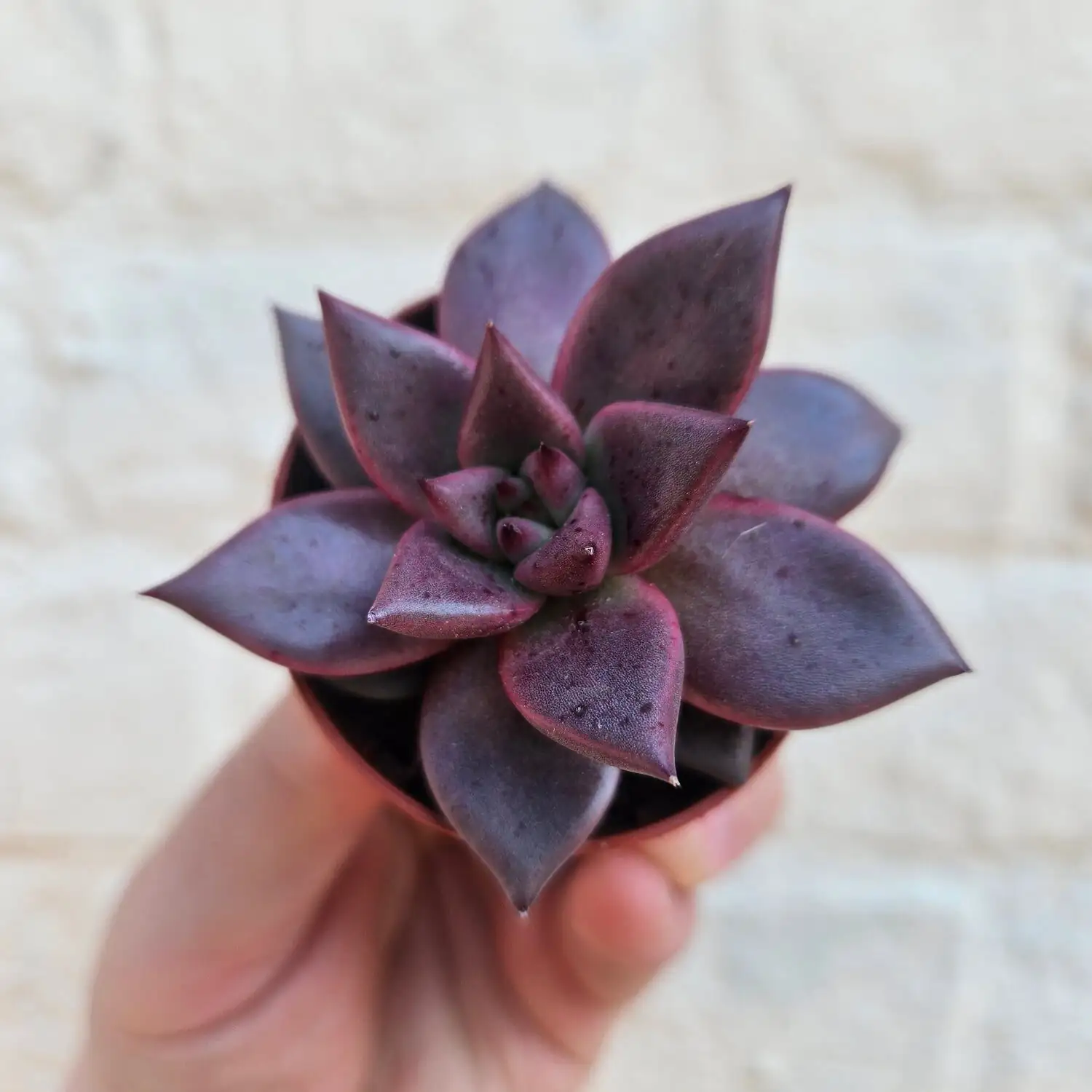
If you love succulents that look like they’ve been dipped in burgundy wine, Echeveria ‘Red Taurus’ is your showpiece. Tight, symmetrical rosettes glow deep red in strong light, and by summer the plant hoists upright stalks topped with red-and-yellow bells. Keep that color and form all year with a simple, seasonal care rhythm—repot and multiply in spring, coast smartly through summer heat and bloom, ease into autumn, and give it a bright, cool, low-water winter.
Quick ID: Red Taurus at a Glance
- Botanical: Echeveria ‘Red Taurus’ (Crassulaceae)
- Type: Clump-forming rosette succulent; offsets over time
- Size: Rosettes 8–15 cm (3–6 in) wide; plant 10–20 cm (4–8 in) tall; flower stems 20–40 cm (8–16 in)
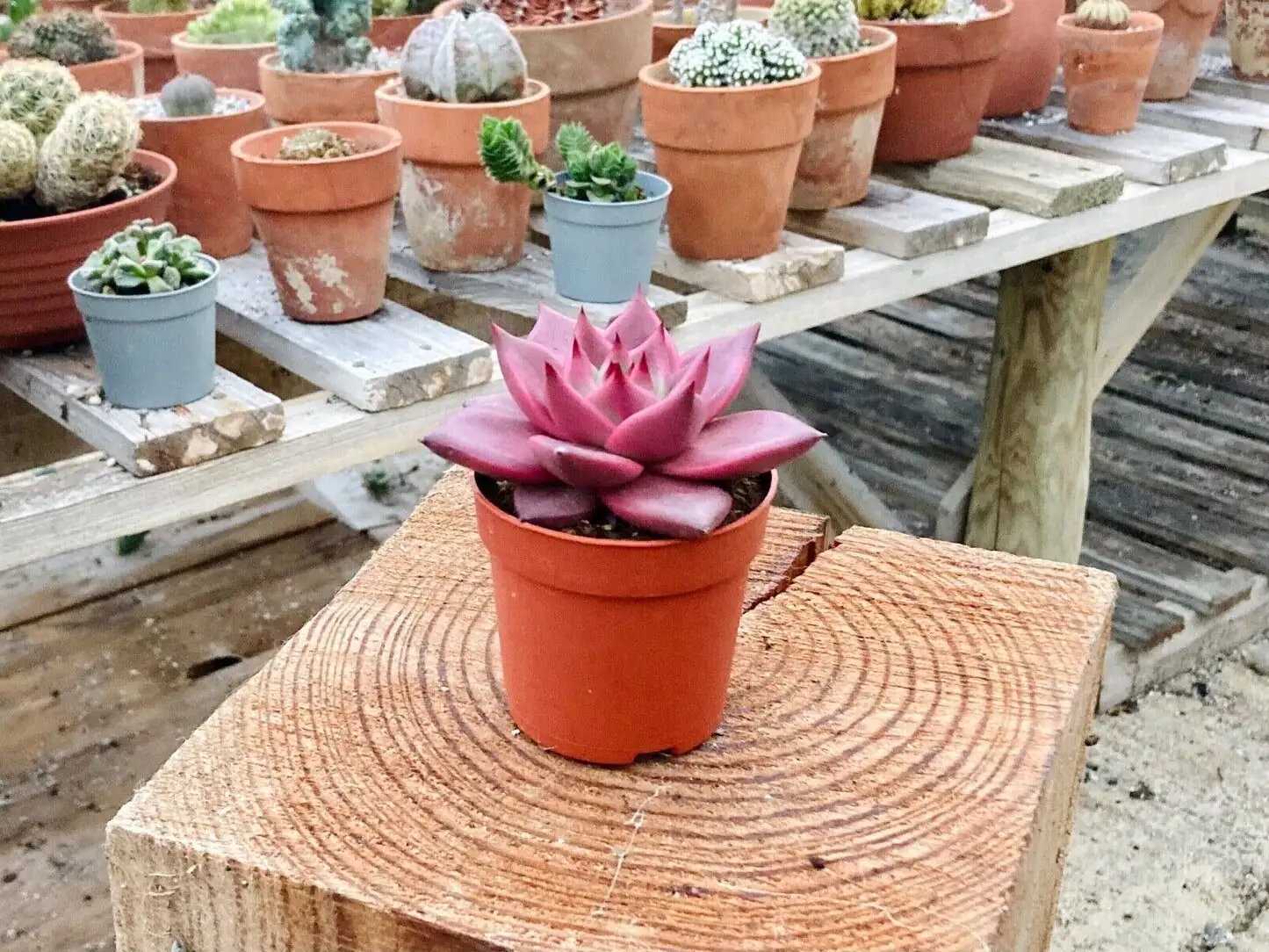
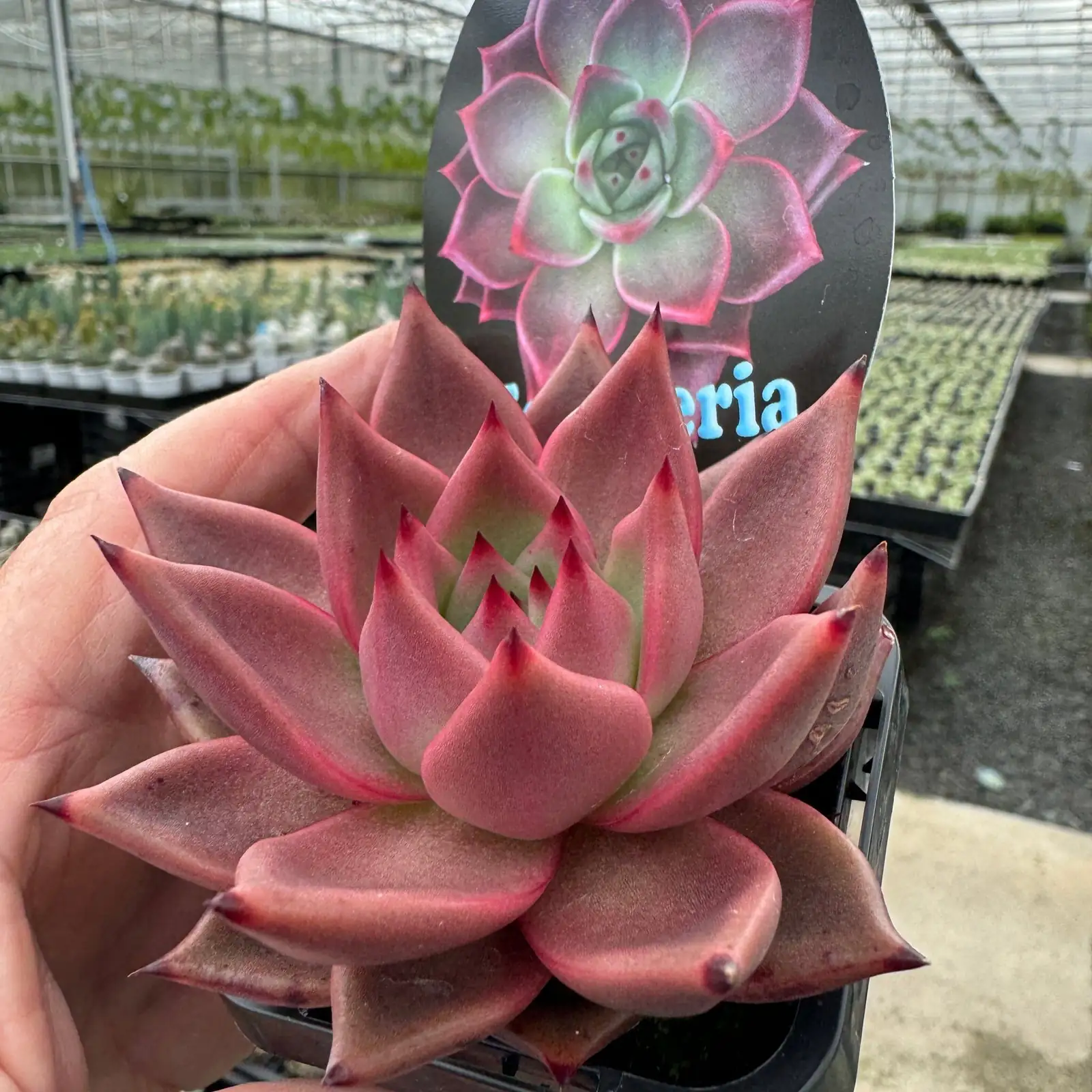
- Look: Deep wine-red to burgundy leaves in tight symmetry; color intensifies with strong light
- Flowers: Bicolored red-and-yellow bells in summer on upright stalks
- Origin: Horticultural cultivar (garden origin); the genus Echeveria hails mainly from Mexico and Central America
- Light: Bright light to full sun (aim for 4–6+ hours direct)
- Temperatures: Best at 15–27°C (59–81°F); protect from frost (keep above 0–5°C/32–41°F)
- Hardiness: Not frost-hardy; outdoors year-round only in USDA 10–11
- Pets/people: Generally non-toxic; ingestion may cause mild stomach upset
—
The Annual Care Checklist
Spring: Reset, Repot, and Multiply
The season to wake your Red Taurus gently, refresh its roots, and bank a few backups.
- Light and placement
- Increase sun gradually to avoid scorch, aiming for 4–6+ hours of direct light.
- A sunny windowsill, bright balcony, or patio is perfect; provide airflow.
- Watering reset
- Resume a soak-and-dry routine: water thoroughly, then wait until the mix is bone-dry before watering again (often every 7–14 days in active growth).
- Always water at the soil line. Do not let water sit in the rosette.
- Repotting (every 1–2 years)
- Signs it’s time: crowded roots, slow drying soil, shrunken color despite good light.
- Pot: Choose one with drainage; terracotta helps the mix dry faster.
- Mix: A very free-draining cactus/succulent blend boosted with mineral grit (pumice or perlite). Think “gritty first, organic second.”
- How-to:
1) Dry plant a day or two beforehand.
2) Gently tease away old mix; remove dead roots and old, dried lower leaves.
3) Replant at the same depth in fresh, gritty mix; top-dress with gravel to keep leaves clean and dry.
4) Wait 3–7 days before the first light watering to let any root nicks callus.
- Propagation: Offsets and leaf cuttings
- Offsets: Wiggle or cut pups free with a sterile blade. Let all cut surfaces callus 2–5 days; then pot shallowly into dry, gritty mix. Water sparingly once roots take.
- Leaves: Choose a mature, intact leaf; twist to remove cleanly. Let callus 2–5 days, lay on dry gritty mix, and wait. Once roots and a baby rosette form, begin very light watering.
- Feeding
- Light meals only: a cactus/succulent fertilizer at 1/4–1/2 strength every 4–6 weeks in spring and summer. Skip winter.
- Spring pest sweep
- Check leaf axils and the crown for mealybugs; flower stalks (as they emerge) can attract aphids.
- Spot-treat with isopropyl alcohol swabs or insecticidal soap. Improve airflow and keep old leaf litter cleared.
Summer: Heat Smarts and Bloom Care
Your plant is dressed for the season; now keep it cool-headed while it shows off.
- Sun and heat management
- In hot climates, give light afternoon shade to prevent scorching; morning sun + dappled afternoon light works well.
- Ideal temps are 15–27°C (59–81°F). When heat spikes, prioritize airflow (open window, fan, or breezy patio).
- Watering in warmth
- Stick to soak-and-dry—often still every 7–14 days, but always judge by how fast the mix dries.
- Water in the morning so leaves and crown can dry quickly; never leave the rosette wet.
- Flowering finesse
- Enjoy the tall, upright bloom stalks with bicolored red-and-yellow flowers.
- Patrol stalks for aphids; treat early with a gentle spray of insecticidal soap or alcohol swabs.
- After flowering, snip spent stalks cleanly to refocus energy into the rosette.
- Maintain light feeding (1/4–1/2 strength) every 4–6 weeks through summer.
- Color maximizers
- Strong light keeps foliage burgundy. Cooler evenings (where available) can intensify reds and purples.
- Avoid sudden light changes; harden off plants when moving between indoors and outdoors.
Autumn: Ease Into a Slower Pace
Think of autumn as a graceful downshift.
- Watering taper
- Begin stretching intervals between waterings as days shorten and soil dries more slowly.
- Keep the same principle: water only when the mix is fully dry.
- Feeding pause
- Stop fertilizing late autumn to avoid soft, off-season growth.
- Grooming and prep
- Remove dried lower leaves (pest hideouts) and any lingering spent bloom stalks.
- Keep light strong to prevent stretching as indoor days dim.
- Plan your winter spot: brightest window, cool room, and zero frost exposure.
Winter: Bright, Cool, and Very Low Water
This is the beauty rest that keeps Red Taurus compact and richly colored.
- Light and temperature
- Aim for the brightest window you have and maintain strong light (4–6+ hours direct if possible).
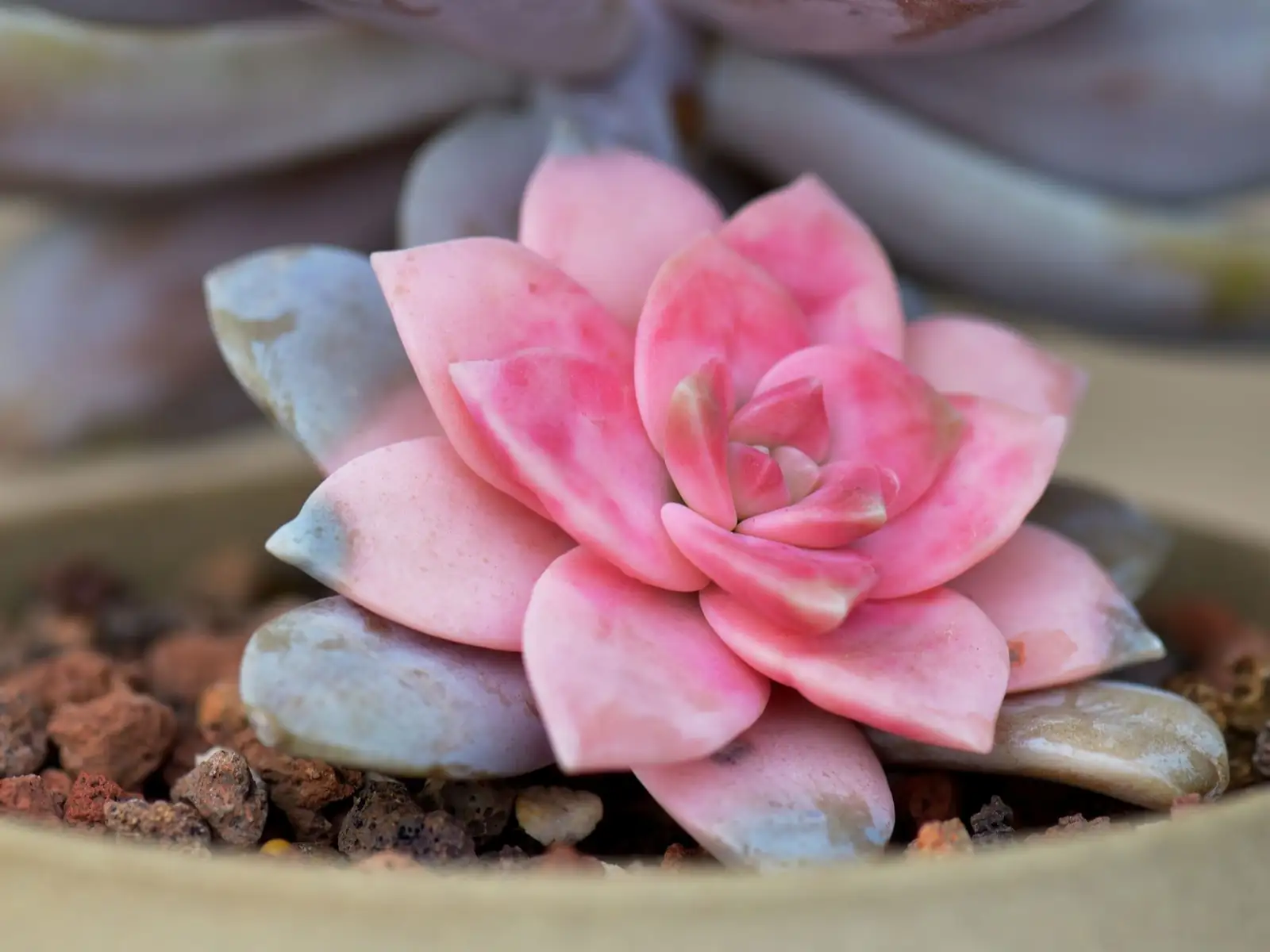
- Keep it cool but safe: protect from frost, staying above 0–5°C (32–41°F). Bright, cooler conditions help maintain tight rosettes and deep color.
- Watering
- Cut back hard—often every 3–4 weeks or even less. If in doubt, don’t water yet.
- Still soak and dry, and still never allow water to pool in the crown.
- No fertilizer
- Skip feeding entirely in winter.
- Airflow and humidity
- Prefers low to moderate humidity. Ensure good air circulation; avoid long periods of dampness around the crown and soil.
- Frost and placement
- Not frost-hardy. Unless you’re in USDA 10–11, keep it indoors or in a protected greenhouse over winter.
—
The Essentials Behind the Checklist
Light: The engine of color and form
- Aim for bright light to full sun, building exposure gradually. Insufficient light leads to stretching (etiolation) and greened leaves; strong light restores compact symmetry and burgundy tones.
Soil and pots: Drainage is destiny

- Use a very free-draining succulent mix amended generously with mineral grit such as pumice or perlite.
- Terracotta pots boost evaporation and help prevent overwatering. Always use drainage holes.
Water: Soak, then forget
- Thoroughly wet the mix, then hold off until completely dry. Typical rhythm:
- Spring–summer: every 7–14 days (environment-dependent)
- Winter: every 3–4 weeks or less
- Water at the soil line to keep the crown dry and safe from rot.
Pests and problems to watch
- Mealybugs (leaf axils/crown), aphids (flower stalks), spider mites (especially in hot, dry spells).
- Overwatering can trigger root or crown rot. Fix with a gritty mix, strong airflow, and a strict dry-down between watering.
- Treat pests quickly with insecticidal soap or isopropyl alcohol swabs.
—
Troubleshooting: Quick Wins
- Leaves turning green rather than red?
- Increase light gradually; bright conditions (and often cooler nights) intensify color.
- Rosette stretching tall and open?
- It’s etiolation. Move to a brighter spot. In spring, you can behead and re-root the rosette to restore a compact shape.
- Rot starting in the center?
- Likely water trapped in the crown or chronically wet soil with poor airflow. Water at the soil line, keep mix gritty, and let the pot dry out fully.
—
Tools and Supplies You’ll Be Glad You Have
- Terracotta pot with drainage
- Fast-draining cactus/succulent mix + pumice/perlite
- Top-dressing gravel to keep leaves clean and dry
- Clean, sharp blade for offsets and grooming
- Insecticidal soap or 70% isopropyl alcohol and cotton swabs
- A small fan or breezy spot for airflow; optional shade cloth for hot afternoons
- Plant labels for propagation batches
—
A Little Lore: Meaning and Modern Roots
- Symbolism: With its tough, water-storing leaves and resilient form, Echeveria often symbolizes endurance and self-reliance—the quiet confidence of a plant that thrives on simplicity.
- History: ‘Red Taurus’ is a modern horticultural selection prized for saturated burgundy foliage and summer bicolored blooms. Its exact parentage isn’t widely published, but its performance in containers and mixed succulent bowls has made it a favorite.
—
Why Red Taurus Rewards the Seasonal Approach
Follow this simple arc—energize in spring, steady in summer, coast into autumn, and rest bright-and-cool in winter—and your Echeveria ‘Red Taurus’ will repay you with a tight, richly colored rosette and cheerful summer flowers year after year. Keep the crown dry, the soil gritty, and the light strong, and you’ve mastered the essentials.