

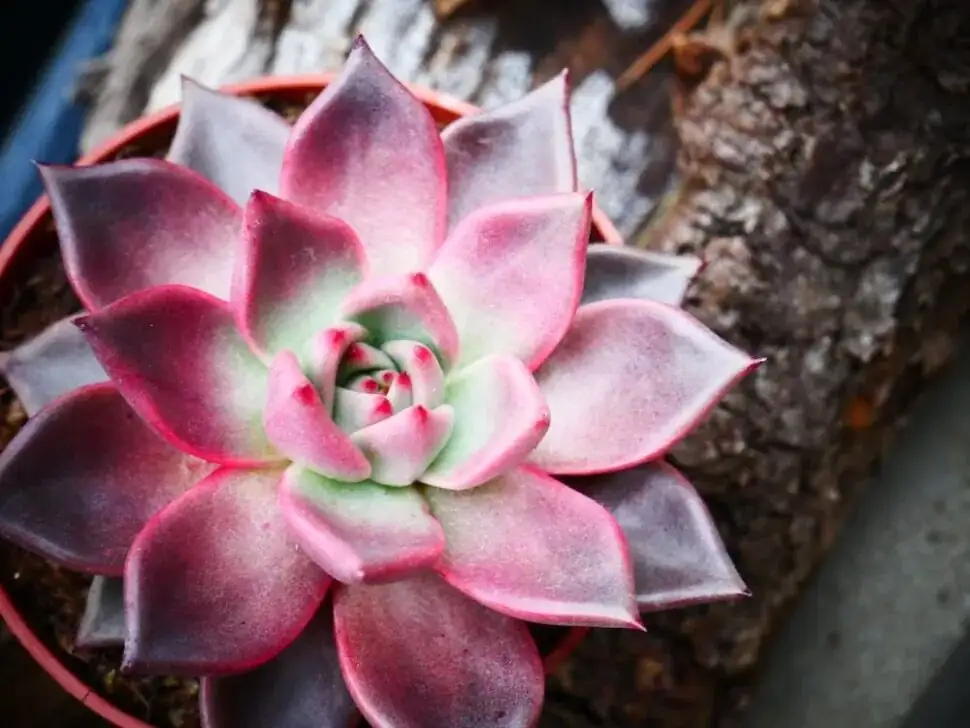
Think of Echeveria ‘Red Taurus’ as a living velvet brooch—deep wine-red rosettes that bring instant drama to a room. The secret to making that burgundy glow indoors isn’t just “where to put it,” but what you put it in. Pot material, palette, and texture change the mood—and they also influence how the plant breathes, dries, and keeps its color. Here’s how to style this succulent so it looks curated and couture while getting the sunshine it craves.
Meet Echeveria ‘Red Taurus’ (at a glance)
- Look: Tight, symmetrical rosettes in deep burgundy to wine-red; forms offsets over time into a small cluster.
- Size: Rosettes about 3–6 in wide; plant height 4–8 in; summer flower stalks 8–16 in with red-and-yellow blooms.
- Light and color: Strong light keeps rosettes compact and richly red; without it, leaves green and stretch.
- Bloom: Summer, with tall stalks—an extra splash of red and yellow above the foliage.
- Temperament: Easy to moderate; happiest with bright light/full sun, very free-draining soil, and soak-and-dry watering.
Light-first design: placement that preserves the burgundy
Your design succeeds or fails with light. Aim for 4–6+ hours of direct sun to hold that saturated color and tight form.
Best indoor windows
- South-facing: Ideal in most climates for strong, consistent sun.
- East-facing: Gentle morning sun works well; great balance for color without afternoon scorch.
- West-facing: Good in mild climates; in very hot regions, filter with a sheer curtain for light afternoon shade.
- North-facing: Usually too dim—plan on a grow light or relocate.
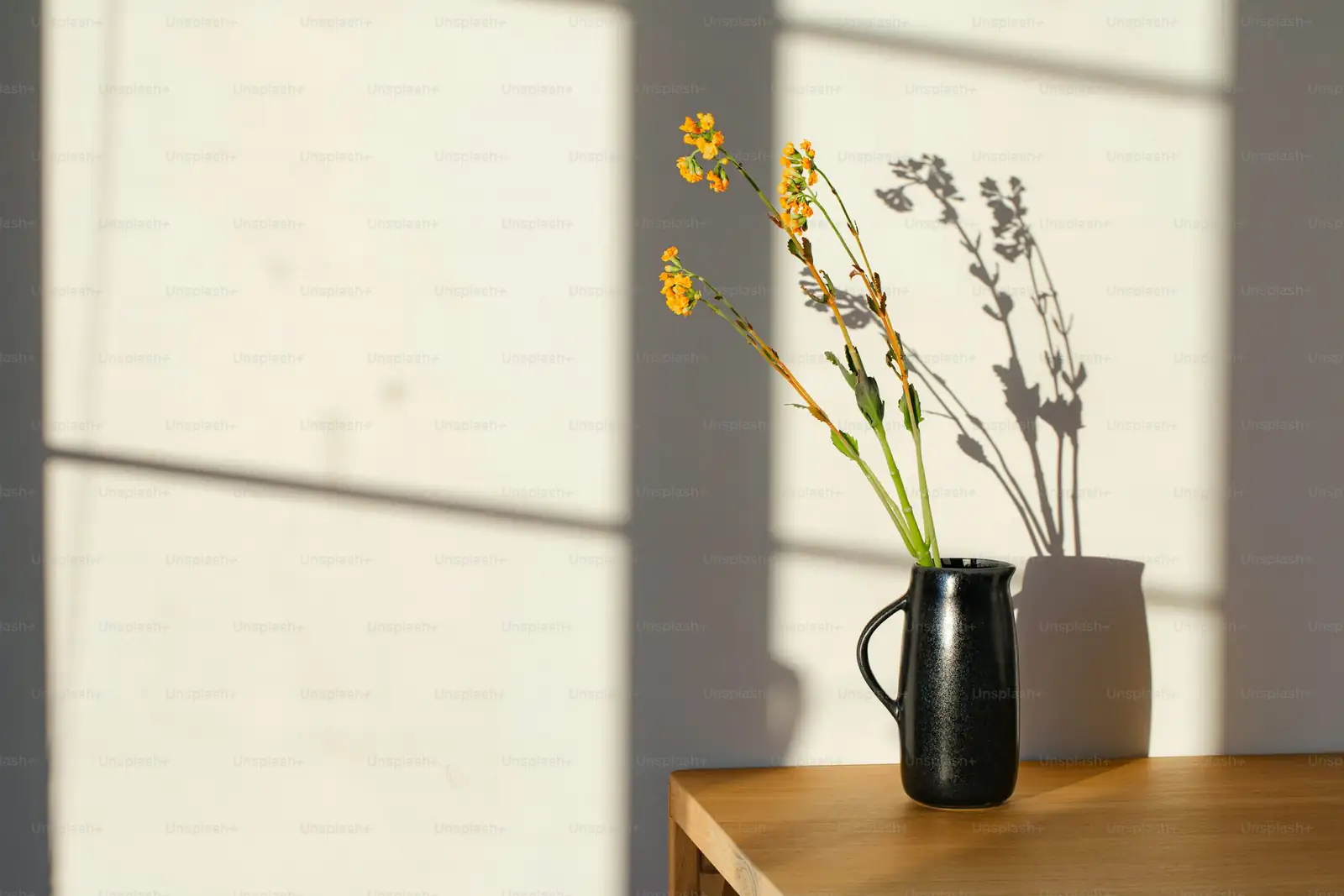
Heat and glare management
- In very hot climates, provide light afternoon shade to prevent leaf scorch. A sheer linen curtain softens harsh rays without sacrificing brightness.
- Rotate the pot a quarter turn weekly for symmetrical color and growth.
Grow light styling (when architecture can’t give you sun)
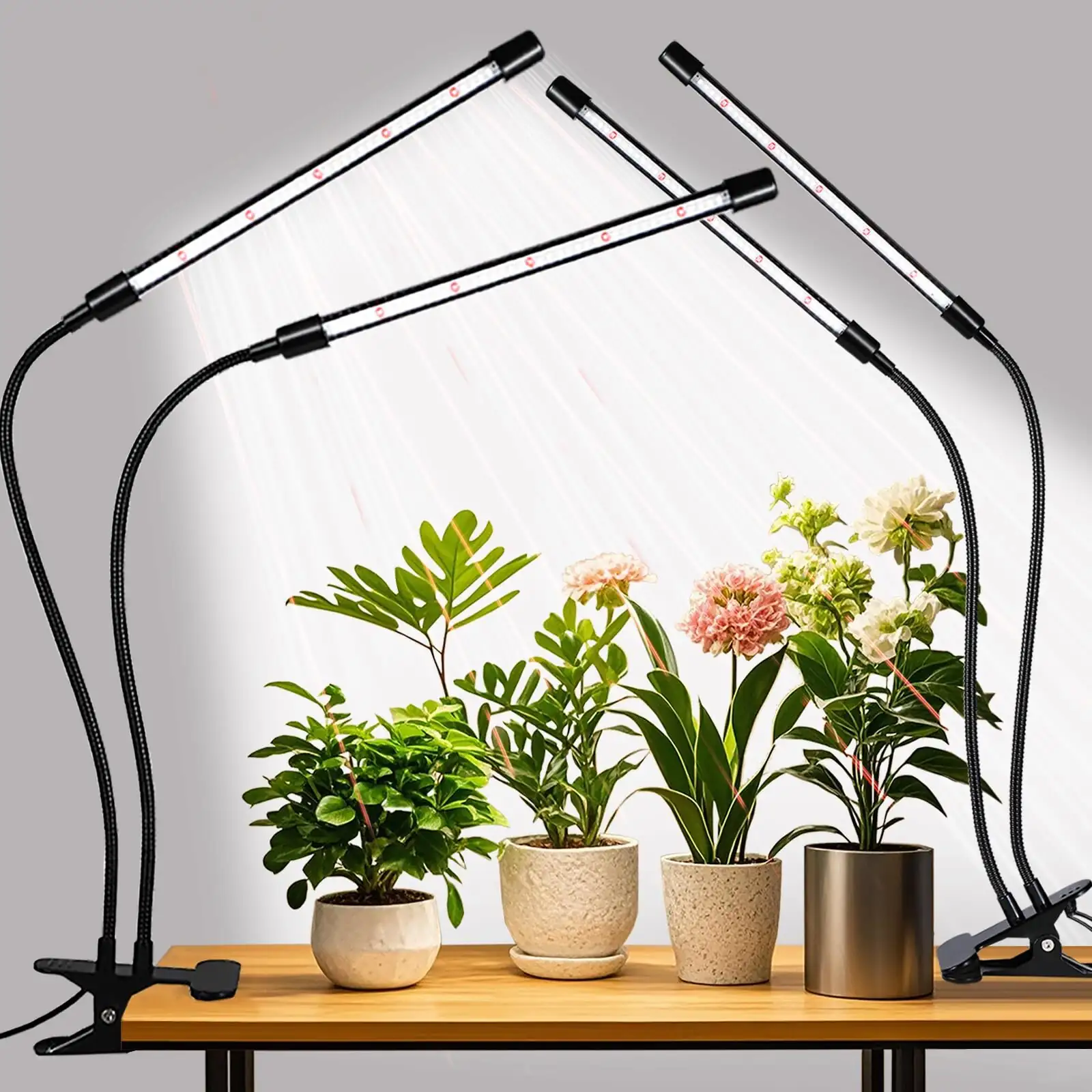
- Use a full-spectrum LED (4000–6500 K), positioned 12–18 in above the rosette for 12–14 hours/day.
- Choose a fixture with a crisp, architectural profile and mount it to highlight the plant like artwork.
- Increase intensity gradually to avoid sun-stress, just as you would with natural light.
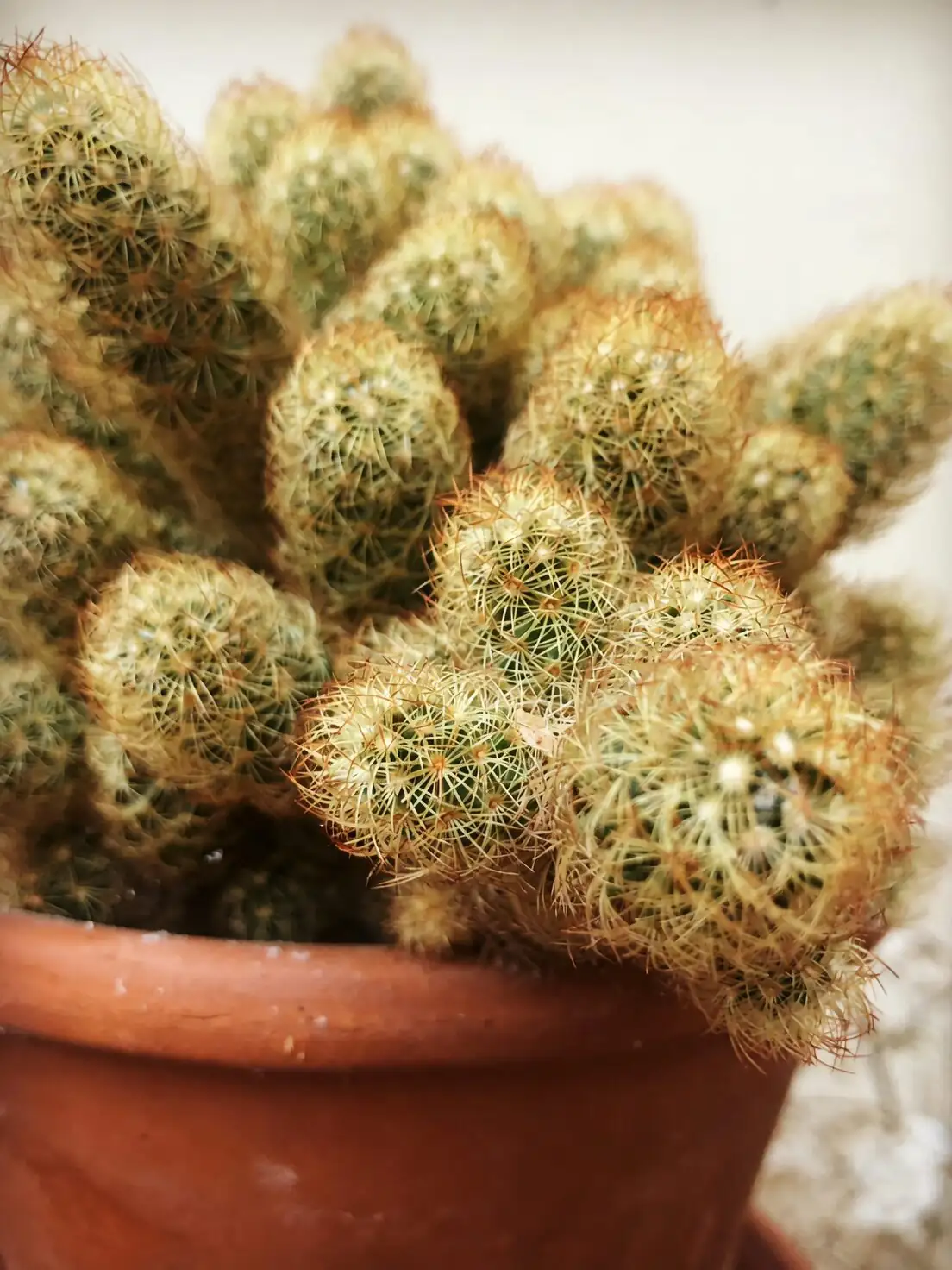
Pot material doubles as a design choice and a care tool
Always prioritize drainage. A pot with a drainage hole makes watering simpler and safer; if you fall for a container without one, consider drilling a hole and cover it with mesh to keep soil in place.
Terracotta (unglazed clay)
- Design vibe: Warm, earthy, artisanal; its rusty undertone harmonizes with burgundy.
- Care effect: Porous walls wick moisture away—soil dries faster, roots breathe better.
- Best for: Humid homes, kitchens/baths with higher moisture, or heavy-handed waterers.
- Pairing ideas:
- Terracotta pot + black lava rock top-dress + linen runner = rustic-modern warmth.
- Terracotta bowl + brass stand = old-world meets contemporary.
Glazed ceramic or stoneware
- Design vibe: Sleek and sculptural; matte chalk whites, inky charcoals, and teal glazes make burgundy pop.
- Care effect: Non-porous; soil stays moist longer, so water less often.
- Best for: Dry interiors (forced air/heat), smaller pots that would otherwise dry too fast, or owners who water sparingly.
- Pairing ideas:
- Satin white cylinder + pale oak stand + slate-gray pebbles = gallery-clean minimalism.
- Teal or deep green glaze + natural jute mat + warm brass accents = jewel-toned richness.
Concrete and fiberstone
- Design vibe: Industrial, calm, and architectural; cool gray is a sophisticated foil to red foliage.
- Care effect: Typically less porous than terracotta (varies by sealant). Heavier—great stability for tall summer flower spikes.
- Pairing ideas:
- Low concrete bowl + charcoal top-dress + black metal shelf = loft-chic drama.
Note on size: Choose a pot just 1–2 inches wider than the rosette’s current spread to prevent lingering moisture. As ‘Red Taurus’ clumps, shift to a shallow, wider vessel to showcase the colony.
Color palettes that flatter deep burgundy
- Cool contrast (bold, modern):
- Pots: Teal, sage, deep green, or charcoal.
- Surrounds: Pale oak, black metal, gray linen.
- Effect: Burgundy looks richer and more saturated.
- Warm analogs (earthy, sun-kissed):
- Pots: Terracotta, blush, warm sand.
- Surrounds: Travertine, brass, clay tiles.
- Effect: A cohesive, Mediterranean glow.
- Clean neutrals (gallery mood):
- Pots: Matte white or bone.
- Surrounds: Blonde wood, soft gray stone, clear glass.
- Effect: The rosette becomes the statement.
- High drama (monochrome depth):
- Pots: Matte black or oxblood.
- Surrounds: Smoked glass, walnut, blackened steel.
- Effect: Theater for the velvet-red foliage.
- Seasonal switch:
- In summer, the red-and-yellow blooms sing against teal, mustard, and terracotta accents—consider swapping a top-dress or tray to lean into the bicolored flowers.
Texture play and top-dressing
- Matte vs. gloss: Matte ceramics and raw clays temper glare and highlight the rosette’s natural bloom; glossy glazes feel luxe and emphasize sculptural form.
- Gritty details: Top-dress with 3–6 mm mineral grit for polish and cleanliness—and to keep leaves off damp soil.
- Black lava: Amps up contrast; dramatic.
- White marble or quartz: Crisp and gallery-ready.
- Warm gravel or tumbled sandstone: Soft, organic finish.
- Avoid moisture-holding mosses; they keep crowns damp. Keep top-dress level below the lowest leaves for airflow.
Proportion and form
- Single specimen: For a 4–5 in rosette, a 6–7 in pot feels tailored (not swampy).
- Clustering habit: A low, wide bowl frames offsets gracefully; leave 1–2 in of breathing room around the outermost rosette.
- Flowering season: Those 8–16 in stalks add height—choose a stable, wider base (concrete, stoneware) so the display doesn’t feel top-heavy.
Styled vignettes you can copy
- Modern minimal window moment (south window)
- Satin white cylindrical pot on an ash-wood stand; charcoal grit top-dress; flanked by a slender brass lamp.
- Care cue: 4–6+ hours of sun. Water thoroughly, then wait until the mix is bone-dry—often every 7–14 days in warm months.
- Mediterranean kitchen sill (east window)
- Unglazed terracotta bowl; warm river pebble top-dress; linen cafe curtain for soft morning light.
- Care cue: Terracotta dries faster—perfect if the kitchen runs humid.
- Industrial loft shelf (bright east/near south)
- Low concrete dish; trio styling in odd numbers: one ‘Red Taurus,’ one pale echeveria for contrast, one airy wooden object for negative space.
- Care cue: Rotate weekly; ensure strong airflow to keep humidity moderate.
- Desk under a grow light (north room)
- Teal-glazed pot; slim full-spectrum LED bar 12–18 in above, on a 12–14 hr timer.
- Care cue: Reduce watering frequency compared to windowsill placements—less transpiration under cooler LEDs.
Care that keeps the color (and your styling) crisp
- Light: Bright light to full sun; aim for 4–6+ hours direct. In very hot climates, give light afternoon shade.
- Water: Soak and dry. Water thoroughly, then let the mix dry out completely before watering again.
- Spring–summer: About every 7–14 days, depending on pot/material and light.
- Winter: Every 3–4 weeks or less; bright and cool is best.
- Always water at the soil line; keep water out of the rosette.
- Soil: Very free-draining cactus/succulent mix; add pumice/perlite for extra grit.
- Temperature: Best at 59–81°F (15–27°C). Protect from frost; keep above 32–41°F (0–5°C).
- Humidity/airflow: Low to moderate humidity with good airflow; avoid prolonged dampness around the crown.
- Feeding: Lightly in spring–summer with diluted cactus fertilizer every 4–6 weeks; skip in winter.
- Repotting: Every 1–2 years in spring. Terracotta can help heavy waterers; always use drainage holes.
Quick troubleshooting
- Leaves turning green: Increase light gradually; more direct sun deepens red, especially with cooler nights.
- Tall, stretched rosette: Etiolation. Move to a brighter spot; you can behead and re-root to restore symmetry.
- Rot at the center: Water sitting in the crown or soil staying wet too long. Use a gritty mix, water at the soil line, and ensure full dry-outs.
- Pests: Check leaf axils and flower stalks for mealybugs and aphids; spider mites can appear in hot, dry spells. Treat with insecticidal soap or isopropyl alcohol swabs.
- Pet safety: Generally non-toxic to people and pets; nibbling can cause mild stomach upset.
Seasonal styling notes
- Spring: Nudge closer to the brightest window; refresh top-dress; repot/propagate offsets for fuller bowls.
- Summer: Enjoy blooms; offer light afternoon shade in heat waves; don’t overwater.
- Autumn: Pull back on watering; keep bright.
- Winter: Bright, cooler room if possible; water very sparingly; bring outdoor pots inside well before frost.
Symbolism and story
Echeverias are often associated with endurance and self-reliance—beauty built for bright skies and lean water. ‘Red Taurus,’ with its steadfast burgundy rosettes and bold summer spires, channels that grounded strength into interiors. While “flower language” traditions vary by culture and era, the modern appeal here is clear: a plant that looks couture yet thrives on restraint. Style it with intention, give it sun, and let its wine-red rosettes do what great design does—hold the eye and calm the space.