

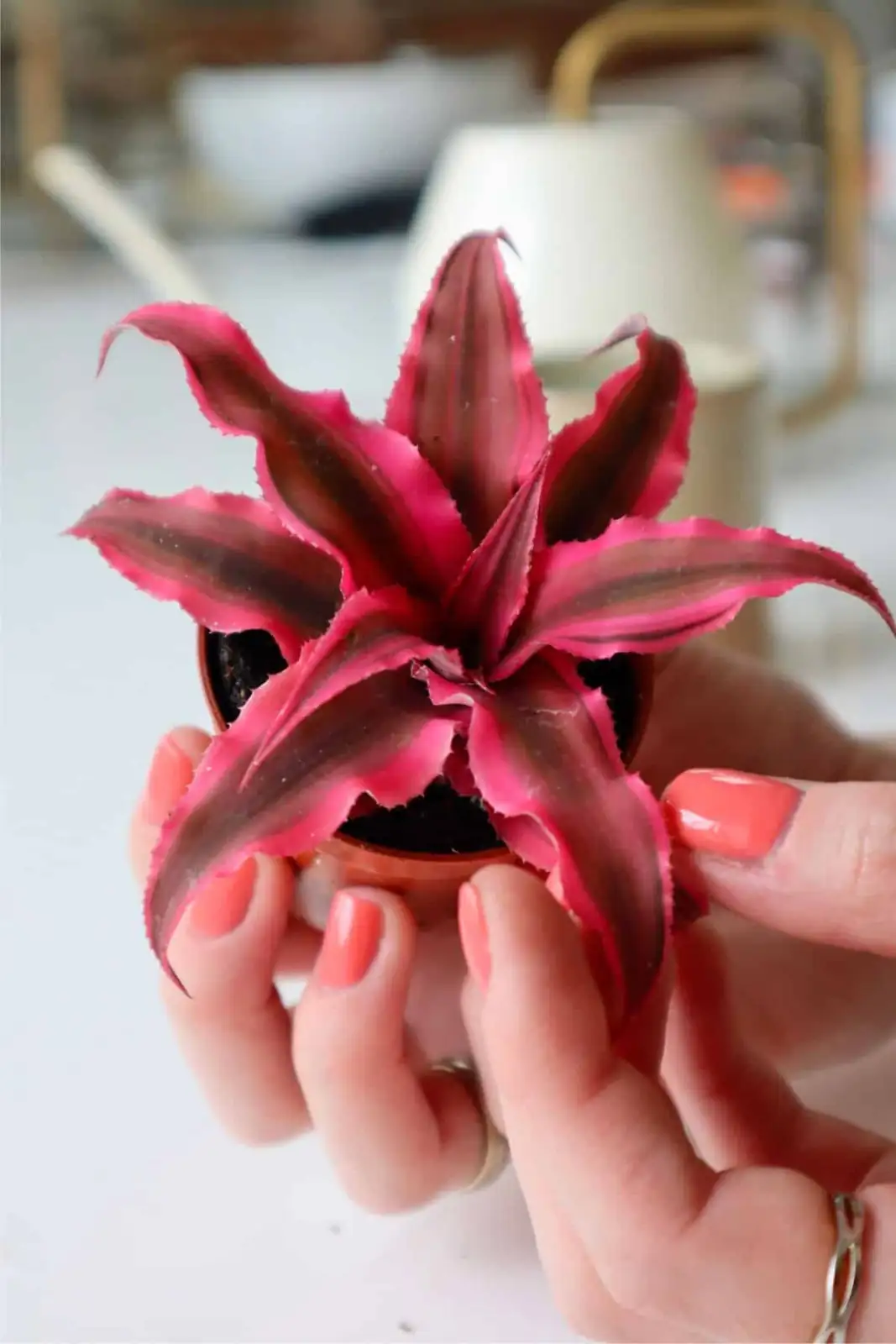
Picture a small star hiding in leaf litter, a compass rose pinned to the forest floor. That’s where the story of Cryptanthus bivittatus begins—beneath the dappled canopy of Brazil’s Atlantic Forest—before leaping into today’s terrariums and dish gardens as the radiant Earth Star.
Born under the canopy: life on the Atlantic Forest floor
In eastern Brazil’s Atlantic Forest, the air hangs warm and humid, light filters through in shifting ribbons, and the ground is quilted with bark, sand, and decomposing leaves. Here, Earth Star does something many bromeliads don’t: it keeps its feet firmly on the ground.
- Origin: Eastern Brazil (Atlantic Forest region), where it grows terrestrially in warm, humid habitats
- Habit: A low, flat, star-shaped rosette about 15 × 15 cm (6 × 6 in), with wavy, slightly toothed leaves
- Flowers: Small, usually white and tucked into the rosette—easy to miss unless you’re looking closely
The genus name Cryptanthus—“hidden flower”—nods to those modest blooms peeking from the rosette’s center. But what truly commands attention is the foliage, which in bright conditions can glow in greens, pinks, reds, purples, and orange tones, often striped like a tiny, living firework.
A bromeliad that keeps its feet on the ground
Many bromeliads build a water-holding “tank” at their center and perch in trees. Cryptanthus bivittatus flips the script. It is chiefly terrestrial, anchoring into leaf litter and airy soils and drawing water at the roots rather than holding a permanent cup.
- Terrestrial vs. tank: No standing water reservoir; keep the crown from sitting wet
- Rosette architecture: Flat, starry, with rippled leaves that can color up dramatically in strong light
- Lifecycle rhythm: After flowering, the mother rosette often slows and shifts energy into new offsets (pups), gradually forming a small constellation of stars
How the forest wrote the care tag
To grow Earth Star brilliantly indoors, imitate its understory: bright light, moving air, and quick-draining footing. Think “sunbeam on a breezy windowsill” rather than “swamp in a saucer.”

- Light
- Bright light is ideal; it can handle some direct sun if acclimated
- Indoors, a sunny windowsill works well; avoid harsh midday scorch behind glass
- Brighter light = richer reds and pinks; low light = greener tones
- Temperature
- 16–27°C (61–81°F); avoid prolonged chills below about 10°C (50°F)
- Humidity
- Moderate is fine; higher humidity improves leaf quality
- If air is dry, mist with lukewarm rainwater or distilled water
- Water
- Spring–summer: keep the mix evenly moist but never soggy; always let excess drain
- Autumn–winter: water less—keep just barely moist
- Use rainwater or distilled water for best leaf quality; avoid letting water sit in the crown
- Soil and pot
- Very free-draining, airy mix (bromeliad-style), such as:
- Equal parts orchid bark, perlite, and coco coir, or
- A 1:1 blend of orchid mix and all-purpose potting mix
- A compact 10 cm (4 in) pot suits its size; repot every 2–3 years in spring or when the mix breaks down
- Feeding
- Spring through late summer: a balanced liquid fertilizer at 1/2 strength every 2–3 months
- Overfeeding softens growth and can mute color
- Hardiness and placement
- Not frost-hardy; best as a houseplant, or outdoors only in warm climates (roughly USDA 10–11)
- Choose a bright windowsill with good airflow; perfect in dish gardens and warm terrariums with ventilation
From forest browns to candy stripes: the rise of colorful cultivars
In the wild, Earth Stars blend into a tapestry of bark and shadow; under cultivation, they’ve been coaxed into carnival colors. Over decades, growers selected and hybridized within Cryptanthus—spotlighting C. bivittatus and its kin—refining stripes, ripples, and saturated hues that intensify with bright light.
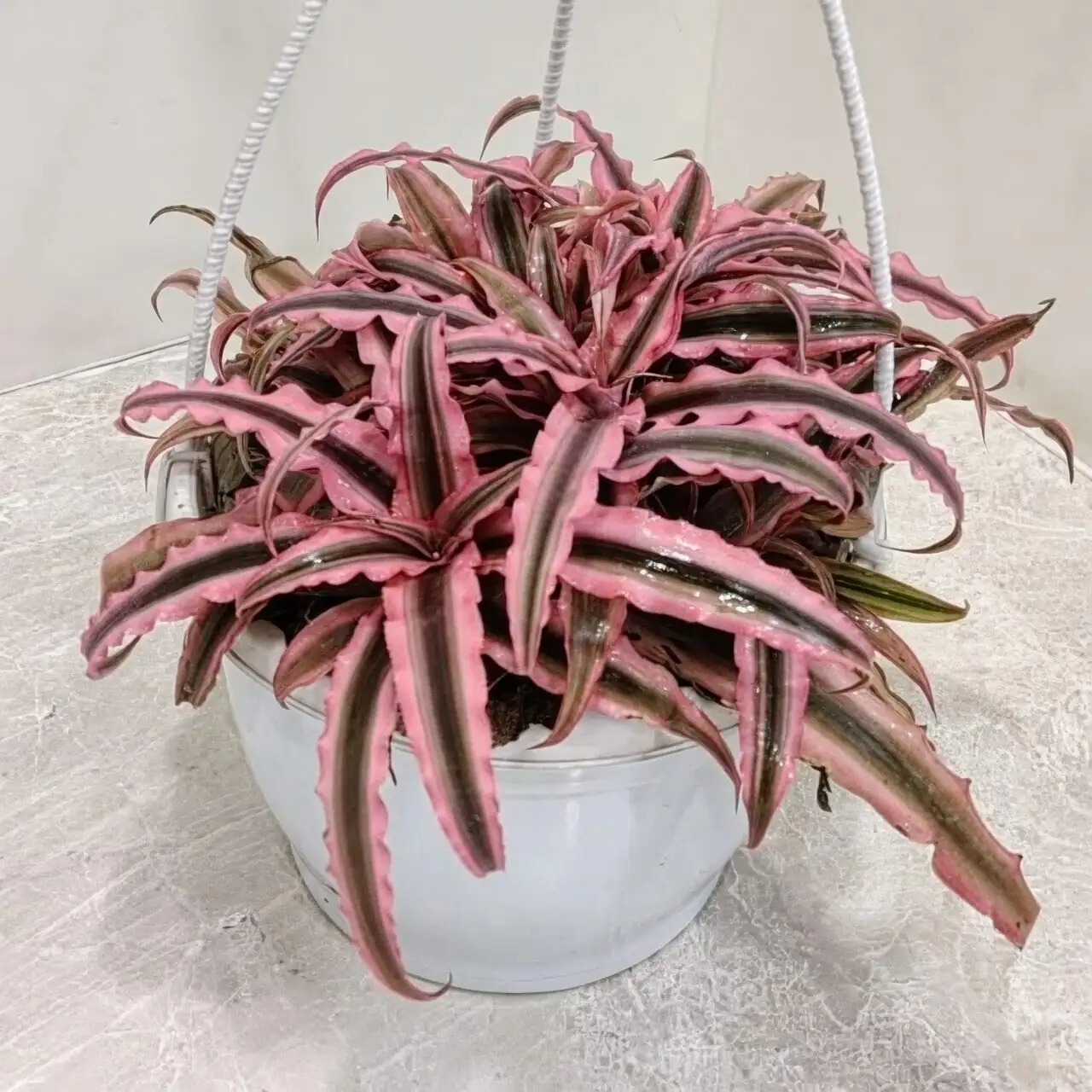
- Foliage palette: greens, pinks, reds, orange, and purple, often boldly striped
- Cultivar highlights often seen in collections:
- ‘Ruby’ (deep ruby-red)
- ‘Ruby Star’ (pink-tinged)
- Color chemistry at home
- Strong light brings out drama; slight stress from bright conditions sharpens contrasts
- Gentle feeding keeps tones crisp; too much fertilizer can wash colors out
Today’s Earth Stars carry the forest’s resilience but dress for the modern stage—compact, vivid, and camera-ready for windowsills, tabletop dish gardens, and airy terrariums.
Terrariums and dish gardens: writing a new chapter indoors
Few plants play as nicely in mini-landscapes. Earth Star’s flat, starry rosette creates a natural focal point that reads well at close range.
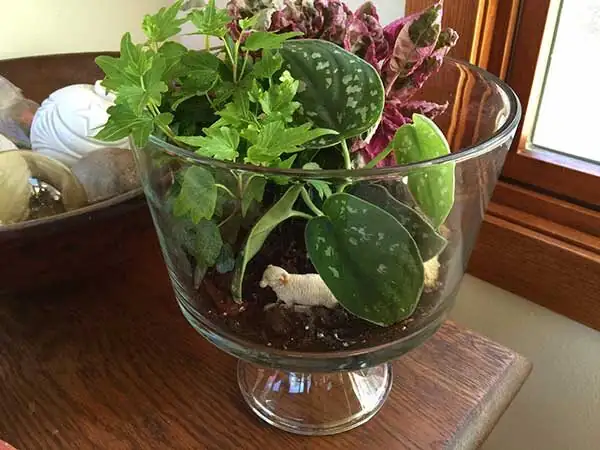
- Why it excels
- Compact footprint (about 6 in across) and a low rosette that doesn’t crowd neighbors
- Grown for foliage, so it shines year-round
- Generally non-toxic to people and pets; still, discourage nibbling
- Terrarium tips
- Ventilation is key—avoid stagnant moisture
- Use a coarse, airy substrate and water sparingly
- Pair with companions that enjoy similar bright light and moderate humidity
Lifecycle, propagation, and the next generation of stars
The flowers are a whisper—small and white, often appearing in warmer months indoors (spring to summer). The real sequel arrives as pups.
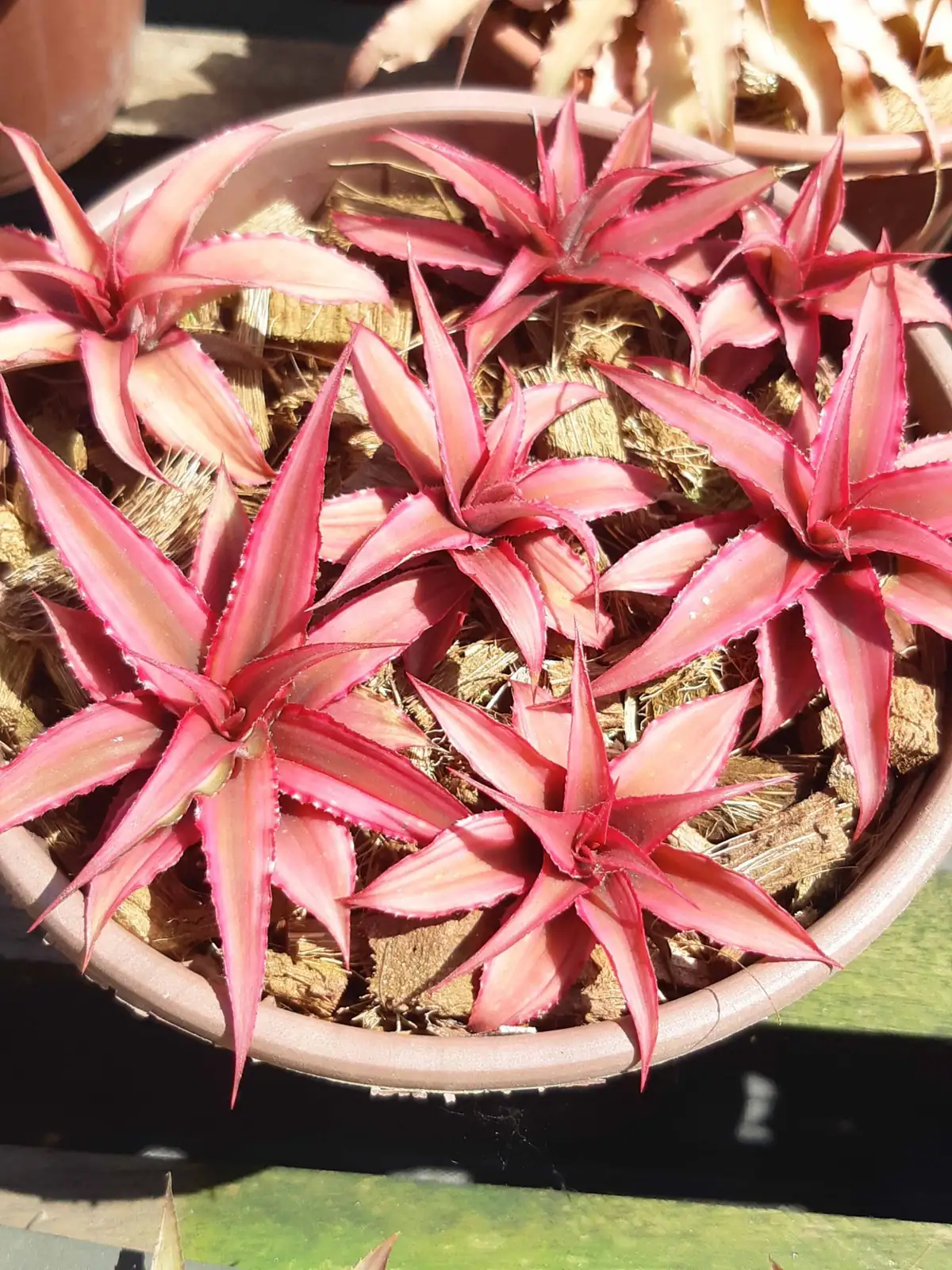
- Offsets (pups)
- Mature rosettes slowly produce offsets at the base
- Separate a pup when it’s 1/3–1/2 the size of the mother and has its own roots
- Pot into a small container with a very airy mix; keep lightly moist while it establishes
- Maintenance
- No routine pruning—remove only dead or damaged outer leaves by trimming close to the base
Health, pests, and gentle warnings
Earth Star is forgiving when its roots can breathe.
- Common issues
- Mealybugs, scale, and spider mites—especially in dry indoor air
- Rot if kept waterlogged or if water stagnates in the crown
- Prevention and remedies
- Ensure fast-draining mix and good airflow
- Treat pests with insecticidal soap or horticultural oil; repeat as needed
- Safety
- Generally considered non-toxic to people and pets; sap may mildly irritate sensitive skin
Buying guide: choosing a future star
- Look for a tight, symmetrical rosette with firm, ripple-edged leaves
- Avoid plants with mushy bases, blackened centers, or a perpetually wet crown
- Check leaf axils for mealybugs and scale before bringing a plant home
A seasonal rhythm you can follow
- Spring–summer
- Bright light; keep evenly moist (not wet)
- Mist if air is dry; feed at 1/2 strength every 2–3 months
- Autumn–winter
- Water less—keep just barely moist
- Maintain bright light; continue occasional misting if needed
- Repotting
- Every 2–3 years in spring, or sooner if the mix breaks down
Quick answers to common questions
- What light does it prefer?
- Bright light is best; it can handle some direct sun if acclimated. A sunny windowsill is ideal.
- What temperatures are best?
- 16–27°C (61–81°F). Avoid letting it sit below about 10°C (50°F) for long.
- How should I water it?
- Spring–summer: keep the mix evenly moist using rainwater or distilled water. Winter: water less—just barely moist. Mist if indoor air is dry.
- How often should I fertilize?
- Every 2–3 months from spring through late summer with a balanced liquid fertilizer at half strength.
- What pot and soil mix are recommended?
- A 10 cm (4 in) pot and a very airy, fast-draining mix (e.g., orchid bark + perlite + coco coir).
Symbolism and the language of this “Earth Star”
Flower language, as popularized in 19th‑century floriography, largely spotlighted temperate garden flowers rather than tropical bromeliads. Modern meanings for houseplants are more interpretive than historical—and Earth Star wears its metaphor proudly.
- Resilience: A plant that thrives low to the ground in shifting light, enduring heat spells and dry breezes, embodies staying power
- Starburst energy: The precise, radiant rosette looks like a tiny supernova—signifying optimism, focus, and flair
- Adaptability: Its chameleon foliage, deepening in color with brighter light, reflects the art of rising to the moment
Give Cryptanthus bivittatus bright light, a breezy perch, and quick-draining footing, and it will repay you with a pocket‑sized galaxy—an Earth Star charting a course from forest floor to your windowsill cosmos.