


Meet Cryptanthus bivittatus—the Earth Star that looks like a living firework and behaves like a tiny, terrestrial bromeliad. When it’s happy, its stripes glow and the star-shaped rosette sits firm and tidy. When it’s not, it tells you—faded bands, curling leaves, a mushy crown, or specks of pests waving tiny white flags. This guide decodes those signals and gives you step‑by‑step fixes so your Earth Star shines again.
Before you troubleshoot: set the stage
- Light: Bright light is the color engine. A sunny windowsill with some direct morning sun is ideal if you acclimate gradually.
- Temperature: 16–27°C (61–81°F); avoid chills below about 10°C (50°F).
- Humidity and airflow: Moderate humidity is fine; slightly higher keeps leaf edges crisp. Pair humidity with gentle airflow—especially in terrariums—to prevent stagnant moisture.
- Water: Use rainwater or distilled water. Spring–summer, keep the mix evenly moist but never soggy. Autumn–winter, keep it just barely moist. Always drain freely and don’t let water sit in the crown.
- Pot and mix: A 10 cm (4 in) pot with lots of drainage. Use a very airy, fast-draining mix—equal parts orchid bark, perlite, and coco coir, or a 1:1 blend of orchid mix and all-purpose potting mix.
Symptom 1: Faded stripes, dull color
Likely causes
- Low light (most common)
- Overfeeding (soft, greener growth can wash out color)
- Normal aging on the outermost leaves
Step-by-step fix
1) Brighten, don’t blast.
- Move to a brighter window or add 1–3 hours of gentle morning sun. Acclimate over 1–2 weeks to avoid scorch.
2) Clean the solar panels.
- Dust the leaves with a soft brush or cloth so they can “sip” light efficiently.
3) Tweak feeding.
- From spring to late summer, fertilize only every 2–3 months at half strength. Pull back if you’ve been feeding more often.
4) Be patient.
- New leaves should emerge richer in color within several weeks of better light; older pale leaves may not recolor.
Symptom 2: Leaf edges curl, tips crisp, or rosette looks tight and thirsty
Likely causes
- Air too dry, especially near heaters or during winter
- Heat blasts or strong midday sun without acclimation
- Mineral-laden tap water leaving salts at the margins
Step-by-step fix
1) Raise humidity without making air stagnant.
- Place on a pebble tray with water (pot above the water line), group with other plants, or run a small humidifier nearby.
- Lightly mist with lukewarm rain/distilled water if air is dry, ideally in the morning. Ensure good airflow so foliage dries promptly.
2) Check placement.
- Shift away from hot drafts or harsh midday sun until acclimated.
3) Mind the water quality.
- Switch to rainwater or distilled if you see tip burn or mineral spots.
4) Water rhythm.
- Keep the mix evenly moist in spring–summer; in winter, let the top 1–2 cm (½ in) just start to dry, then water. Never let it sit in a saucer.
Symptom 3: Soft, mushy crown or a sour smell (rot alert)
Likely causes
- Overwatering or a mix that holds water against the crown
- Water repeatedly pooling in the rosette
- Cold, wet conditions
Immediate rescue
1) Stop the soak.
- Tip the plant to drain any water from the rosette. Blot the center gently with absorbent paper.
2) Unpot and inspect.
- Gently remove the plant. Trim away any black, mushy roots or crown tissue with a sterile blade.
3) Dry and reset.
- Let the plant air for 1–2 hours in bright, indirect light to let cut surfaces dry.
4) Repot correctly.
- Use fresh, very airy mix (orchid bark + perlite + coco coir works beautifully) in a snug 10 cm (4 in) pot. Ensure excellent drainage and good airflow around the plant.
5) Water sparingly at first.
- Moisten the mix lightly and keep the crown dry. Place in bright light with gentle warmth and airflow. Resume normal, even‑moist watering only once growth feels firm again.
Prevention
- Water the substrate, not the rosette. Never leave the crown sitting wet.
- Avoid letting the pot stand in water. Reduce watering in cool seasons.
Pest problems decoded (and defeated)
Earth Stars are magnets for a few usual suspects, especially in dry air. Catching issues early is half the battle.
How to identify
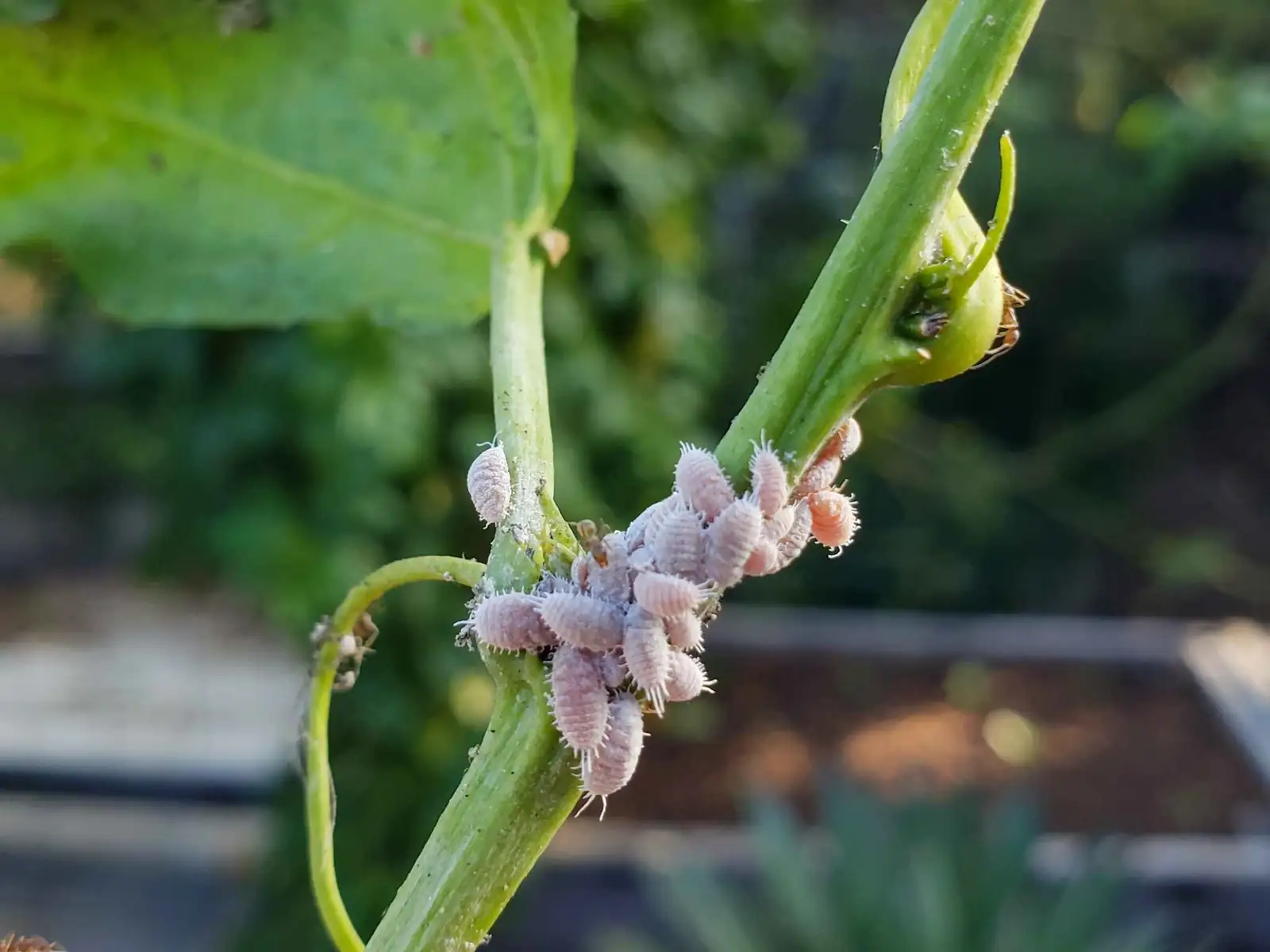
- Mealybugs: Cottony tufts tucked in leaf axils and along the midrib.
- Scale: Hard, dome-like bumps that don’t brush off easily; often on undersides and along edges.
- Spider mites: Fine webbing, dusty stippling, and a general “dull” look—common in warm, dry spots.
Step-by-step treatment with insecticidal soap or horticultural oil
Insecticidal soaps and horticultural oils excel against soft-bodied pests like mealybugs, scale crawlers, and spider mites. They work on direct contact and leave little to no residue, so coverage and repeat treatments are key.
1) Isolate and prepare.
- Move the plant away from others. Lay down newspaper and gently wipe off visible pests with a soft brush or damp cotton swab.
2) Test first.
- Spray a small patch and wait 24 hours to check for leaf sensitivity.
3) Thorough coverage.
- Use a ready‑to‑use insecticidal soap or horticultural oil, following the label exactly.
- Spray all leaf surfaces, especially undersides and deep into the rosette where pests hide. Shield the substrate lightly with a paper towel to avoid over-wetting the mix.
4) Timing matters.
- Treat in the cooler part of the day and out of direct sun. Ensure good airflow so foliage dries within a couple of hours.
5) Repeat to win.
- Reapply every 5–7 days for 2–3 rounds to catch newly hatched pests. Because these products work on contact and have no residual once dry, persistence pays off.
6) Clean up.
- If honeydew or sooty mold is present, after treatment gently rinse or wipe leaves with lukewarm water to restore their sheen.
Important notes
- Do not substitute dish detergents or household soaps; they can be harsh and damage foliage.
- Boost cultural conditions: a touch more humidity (with airflow), bright light, and restrained feeding help the plant outgrow minor damage and deter future infestations.
Substrate and pot tweaks that change everything
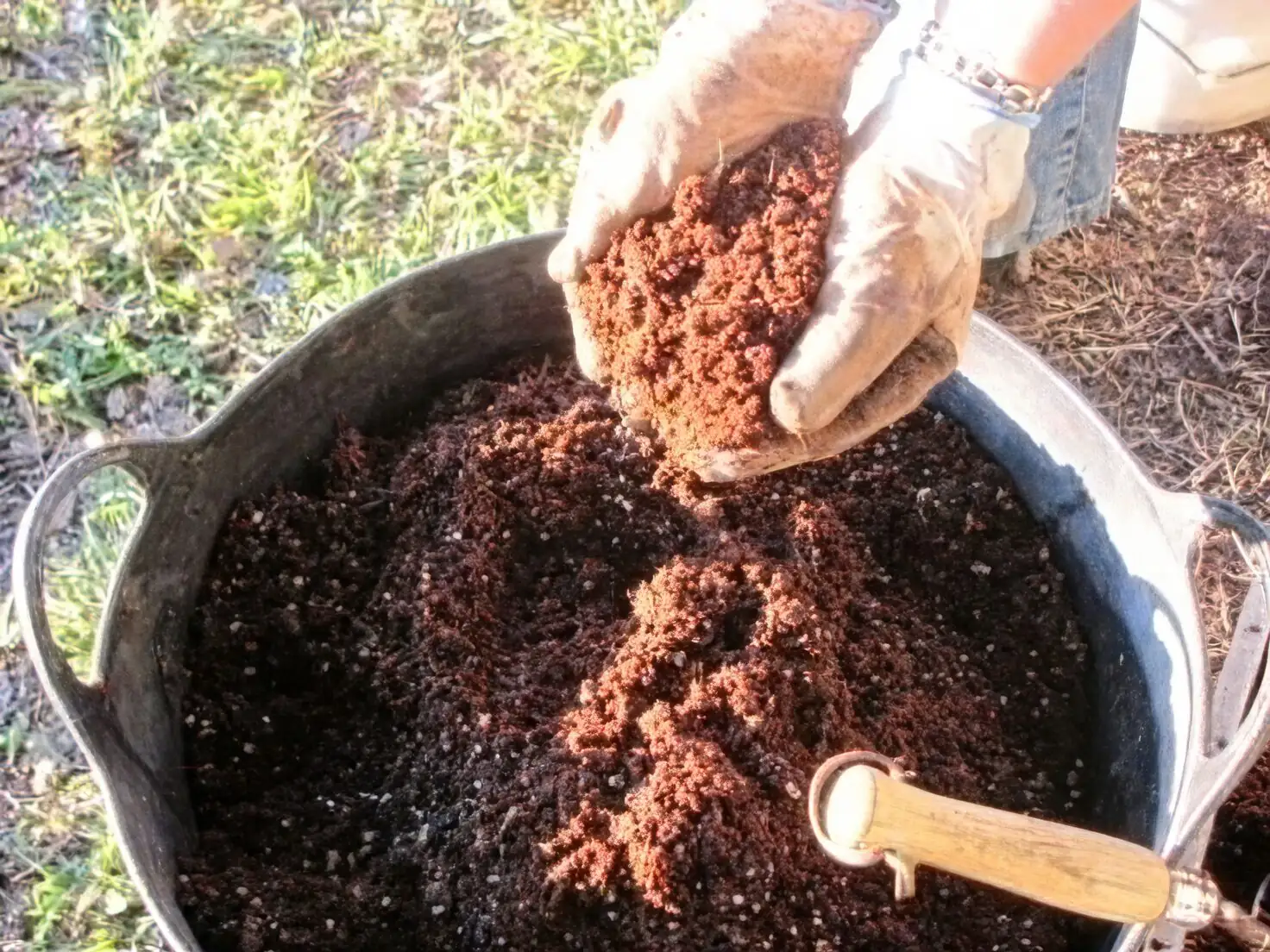
- Mix recipe: Equal parts orchid bark, perlite, and coco coir, or a 1:1 blend of orchid mix and all-purpose potting mix. Aim for springy, fast-draining, and airy.
- Pot size: Snug is best. A 10 cm (4 in) pot keeps roots evenly moist without staying wet.
- Repot rhythm: Every 2–3 years in spring or when the mix breaks down. Refreshing the mix restores airflow and reduces rot risk.
Keep your Earth Star vivid: a simple routine
- Light: Bright, with gentle direct sun after acclimation, to amp up reds and pinks.
- Water: Rain/distilled water. Evenly moist in growing season; barely moist in winter. Always drain well.
- Feed: Every 2–3 months at half strength from spring to late summer; less is more for bold color.
- Air: Moderate humidity plus airflow. Ventilate terrariums; avoid stagnant conditions.
- Groom: Remove only dead outer leaves. Dust the rosette so it can drink in light.
- Multiply the magic: Separate pups when they’re 1/3–1/2 the size of the mother and have roots; pot into the same airy mix.
A quick portrait for confidence
- Origin: Eastern Brazil’s Atlantic Forest, where it grows terrestrially in warm, humid habitats.
- Habit and size: A compact, flat rosette about 15 × 15 cm (6 × 6 in), with wavy, slightly toothed leaves.
- Flowers: Small, white, and tucked into the center—charming but subtle. The foliage is the star.
- Temperament: Easygoing, provided it gets bright light and is never left waterlogged.
- Safety: Generally considered non-toxic to people and pets; sap may mildly irritate sensitive skin.
Think of Cryptanthus bivittatus as a tiny star that responds to its sky. Give it bright light, gentle humidity with airflow, a quick-draining “forest floor” mix, and a light hand with water and feed. If it whispers with pale stripes, curled leaves, a soft crown, or tiny pests—you now have the decoder ring and the cure.