

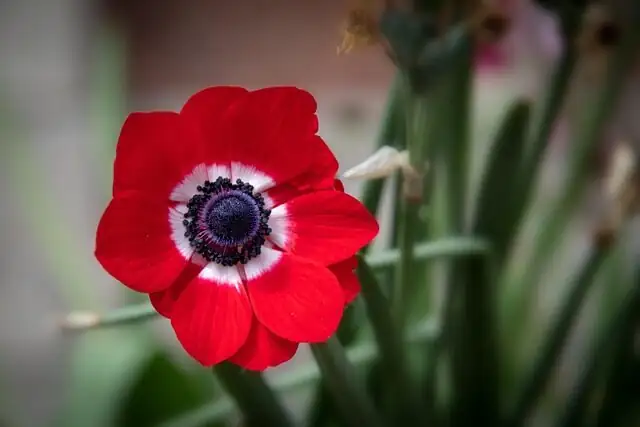
Poppy anemones are the spring show-offs every designer craves: luminous petals, inky eyes, and a freshness that makes everything around them look sharper. If you’ve ever lost vase life by cutting too open, battled aphids on those elegant stems, or accidentally spotted the petals while conditioning—this insider’s guide is for you.
Meet the star: Anemone coronaria (aka Crown Anemone, Windflower)
- Origin: Mediterranean region
- Life cycle: Tuberous perennial that thrives in cool, bright conditions and naturally rests (goes dormant) in summer heat—and may also pause in deep winter cold
- Habit: Graceful, upright stems with refined, fresh green foliage; large, poppy-like blooms in vivid colors
- Cut-flower quirk to remember: Keep open blooms dry—wet petals spot and shatter faster
Cultivar intel: pick for stem length, color, and vase presence
Single, high-contrast anemones dominate the cut trade, with doubles used for luxe texture. Choose by color range, stem length, and cropping window.
- Galilee series (singles, long stems)
- Strengths: strong stems for cool-season production; designer-friendly palette including pastels and deep jewel tones
- Where they shine: tunnel/greenhouse cuts and premium bouquets
- Mistral series (singles, standout colors and patterns)
- Strengths: bold hues, novelty forms (e.g., variegated/striped selections), excellent for statement stems
- Where they shine: editorial work, modern palettes
- Marianne series (singles; includes the coveted “Panda” white-with-black-eye)
- Strengths: iconic contrast, reliable vase appeal
- Where they shine: weddings and classic, high-impact designs
- De Caen (classic singles) and St. Brigid (semi-double/double)
- Strengths: broad color range; St. Brigid offers fuller, ruffled texture
- Where they shine: garden-to-vase and mixed seasonal work where variety matters
Tip: For containers or “cut-from-pots” installs, compact strains and double forms perform beautifully—just give them bright light and excellent drainage.
Grower notes for premium stems
- Light: Full sun yields sturdy stems and more flowers; partial shade is tolerated. In heat waves, provide about 50–60% shade.
- Temperature: Sweet spot is 15–20°C (59–68°F). Hot, humid conditions and drought cause stress; tubers can slip into dormancy.
- Soil: Fertile, free-draining mix—think compost/leaf mold + loam + coarse sand. Never allow waterlogging (tuber rot risk).
- Water: Keep evenly moist in active growth and during bloom; in winter, avoid soggy pots. After planting dry tubers, water lightly at first and only increase as growth starts.
- Feeding: Monthly dilute organic feed during growth; at first bud, give one extra boost higher in phosphorus and potassium (e.g., a bloom formula) to support flowering and tuber strength.
- Hygiene: Good airflow is non-negotiable. To curb disease (rust, Botrytis, Sclerotinia), many growers disinfect tubers pre-plant in a labeled fungicide solution (often used around 1:1000 when indicated on the label).
The perfect harvest stage: where art meets science
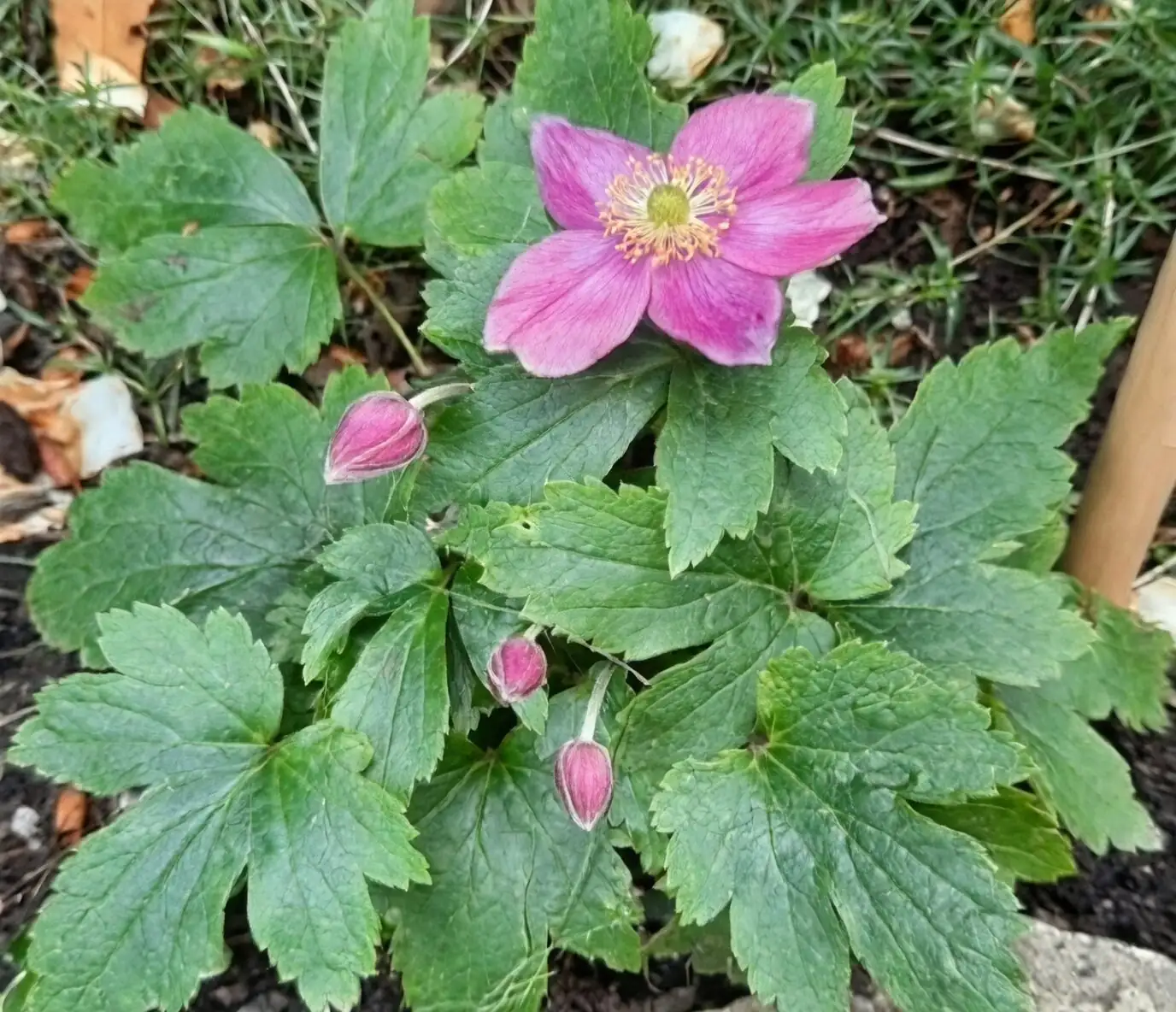
Cut timing determines vase life more than any other step.
- Cut at “just opening”:
- Bud shows full color
- Outer green sepals are reflexing
- 1–2 petals are lifting, but the flower isn’t flat open
- Central disk visible but not dusting pollen
- Stem has elongated and the neck has mostly straightened
- Avoid:
- Very tight “bullet” buds (they may stall)
- Fully open, pollen-shedding flowers (shorter vase life)
- Technique:
- Harvest in the cool of morning
- Use a clean, sharp tool; cut low enough to gain length but leave some foliage to recharge the tuber
Conditioning without wetting petals
Anemone petals wear water spots like sequin stains—once they’re on, the magic is gone. Hydrate smart and keep the blooms dry.
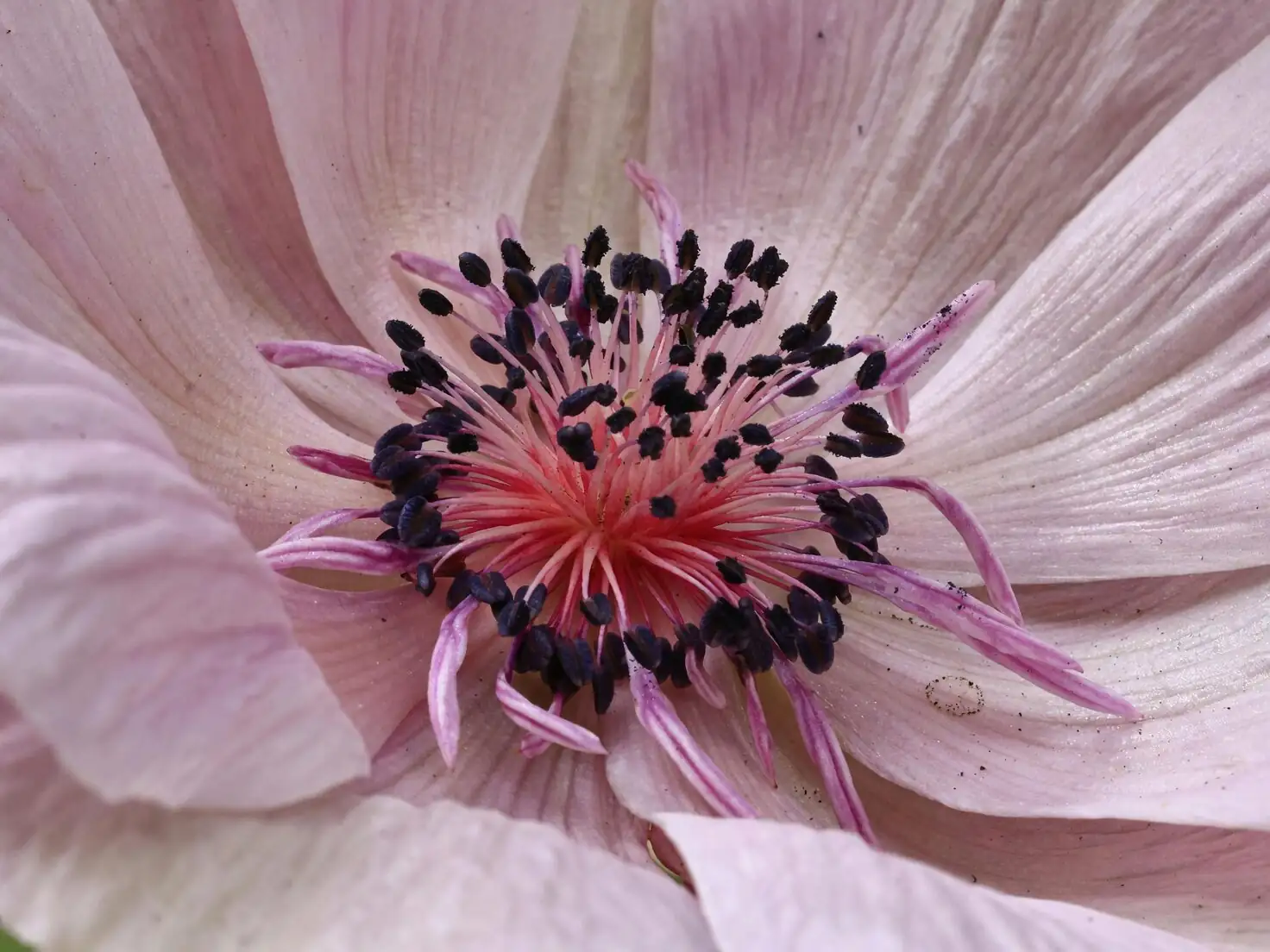
1) Sanitize everything
- Clean buckets, shears, and benches. Rinse buckets with a sanitizing solution and air-dry.
2) Prep the stems
- Remove foliage that would sit below the waterline.
- Recut 1–2 cm off stems at an angle with a clean knife or snips.
3) Hydrate quietly
- Place stems upright in a clean solution of slightly lukewarm to room-temperature water plus a clear commercial flower food.
- Sleeve or loosely paper-collar heads if splashing is a risk.
- Set in a cool, airy, low-light spot for 2–4 hours to “drink up.”
- Do not mist the open blooms. If air is very dry, you may lightly mist foliage only.
4) If using floral foam
- Pre-soak foam with the same flower-food solution; seat stems gently to avoid kinks.
Pro-level vase-life boosters
- Use fresh, clear flower food from start to finish. It both feeds and acidifies, slowing bacterial growth.
- Keep it cool. Display away from heaters, strong sun, and drafts; overnight cool is your friend.
- Recut stems every 1–2 days and refresh solution. Strip new underwater foliage each time.
- Space the stems. Crowding encourages Botrytis and petal scuffing.
- Keep blooms away from ripening fruit and exhaust fumes.
- Expectation setting: Anemones are spring sprinters, not marathoners—5–8 days is common with good handling.
Insider tip: Anemones close in low light or at night (a normal “sleep” response), then reopen with morning brightness. Don’t confuse this with wilting.
Aphid defense: spotless, show-stopping stems
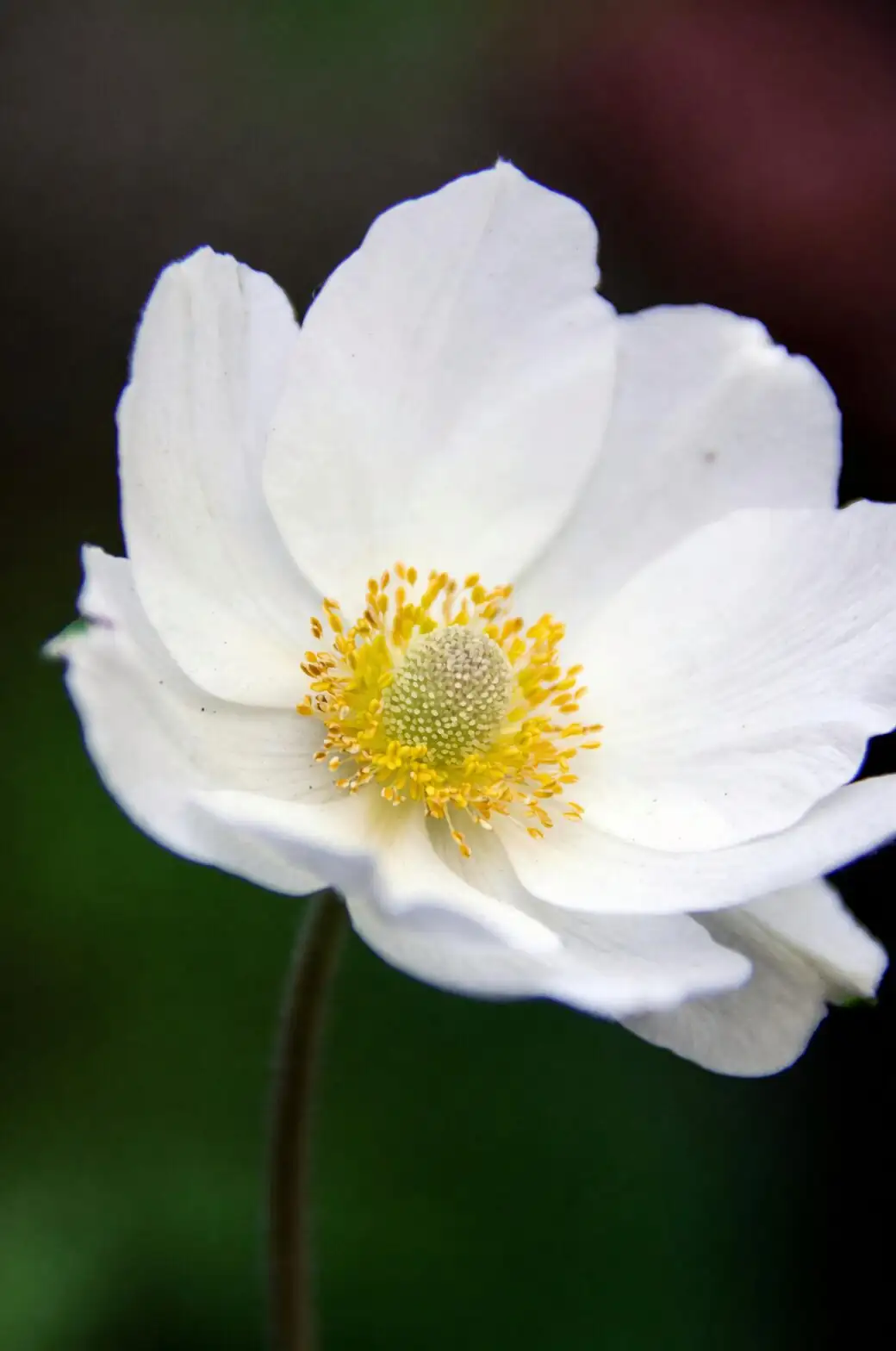
Aphids love tender anemone growth, especially in tunnels and on flowering stems. Aim for prevention first, then precision.
- Prevention and monitoring
- Ventilation and spacing reduce outbreaks.
- Avoid excessive nitrogen; it creates extra-tasty shoots.
- Weed control around beds and benches removes aphid bridges.
- Yellow sticky cards help you spot early activity.
- Non-chemical tactics
- Strong, targeted water blasts on stems and leaves (not blooms) dislodge colonies.
- Pinch or cut off heavily infested tips early.
- Encourage or introduce beneficials (lady beetles, lacewings, parasitoid wasps) in protected culture.
- Use insecticidal soap or horticultural oil as spot-treatments—test on a few stems first and avoid spraying open flowers.
- Chemical option if pressure is high
- A labeled systemic such as imidacloprid can be effective; apply early in the crop cycle (pre-bud) and strictly follow the label. Avoid spraying open blooms and consider pollinator safety and local regulations.
- Studio triage for incoming stems
- Quarantine suspect bunches, wipe aphids off stems/foliage with a damp cloth, or dip stems (not petals) in a mild insecticidal-soap rinse, then gently rinse stems with clean water.
Troubleshooting quick hits
- Droopy necks after cutting
- Recut, hydrate in flower-food solution in a cool spot for several hours. Ensure you didn’t cut too tight; allow that early petal lift before harvest.
- Botrytis flecks on petals
- Usually from moisture + crowding. Increase airflow, space stems, and keep petals dry at all times.
- Spindly stems, fewer flowers
- Not enough light or too warm. Move to brighter conditions; cool to 15–20°C for sturdier growth and better bloom.
- Tubers not sprouting in pots
- Early overwatering is a classic culprit. After planting, water lightly until growth appears, then increase gradually.
Sourcing tubers and plant material: what to look for
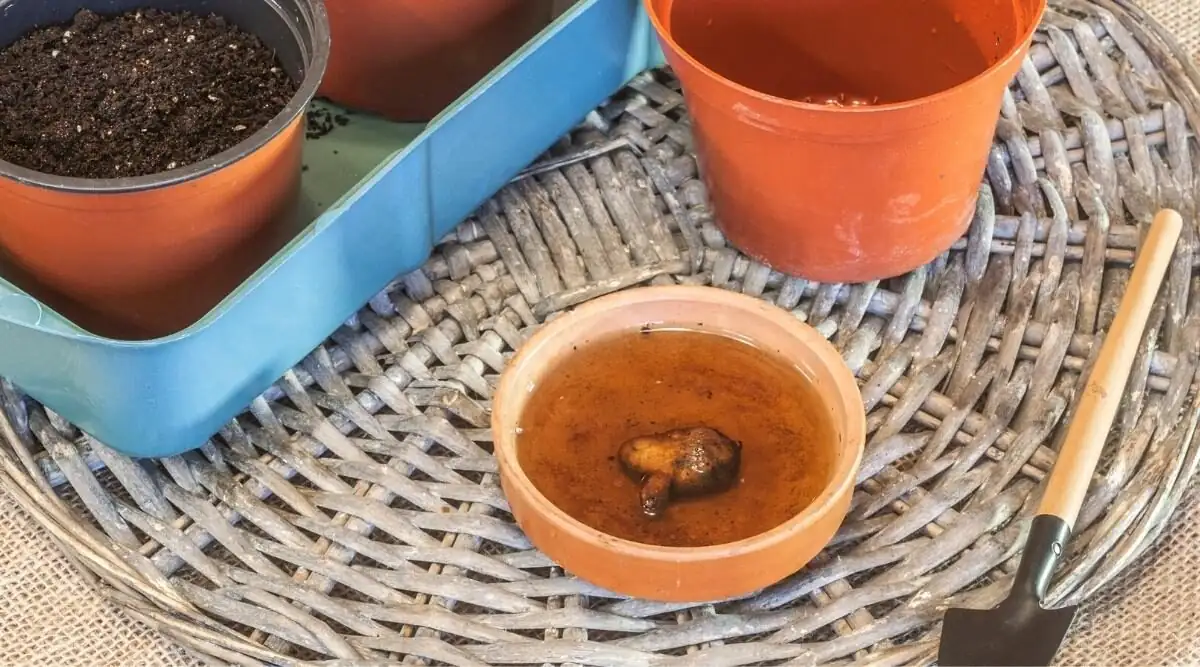
- Tubers: Choose firm, plump, fresh tubers with a circumference of at least 6 cm (2.4 in). Pre-soaking in moist sand or water before planting helps even sprouting.
- Potted plants: Go for sturdy plants no taller than 40 cm (16 in) with thick stems, many buds (plus a few open), saturated flower color, and deep green leaves.
- Seed: Buy fresh, well-sealed packets from reputable suppliers. Be patient—seedlings often need 2–3 years to flower.
The windflower’s whisper: meaning and mood
Called “windflower” because its blooms seem to arrive with the changing spring breezes, anemone has long been linked with anticipation and protection. In European garden tradition, it’s a classic sign that winter’s hold is loosening. Florists lean into that message: an anemone in a bouquet signals “the moment is arriving”—a poised breath before celebration.
Quick cut-flower checklist
- Choose the right strain for stem length and color (Galilee, Mistral, Marianne; St. Brigid for doubles).
- Harvest at just-opening stage; stems elongated, no pollen dusting.
- Keep petals dry—always.
- Condition in clean, slightly lukewarm flower-food solution; cool, airy rest for 2–4 hours.
- Refresh solution and recut every 1–2 days; avoid crowding.
- Keep away from heat and fruit; give cool nights.
- Prevent aphids with airflow and balanced feeding; spot-treat carefully and avoid spraying open blooms.
Handled this way, Anemone coronaria delivers pure spring theater—sleek stems, vivid faces, and that irresistible sense that something wonderful is about to happen.