

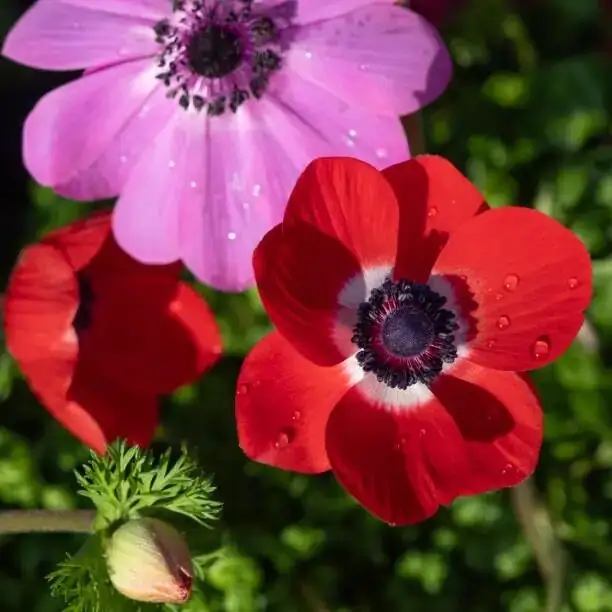
Poppy anemones (Anemone coronaria) are the spring confetti every garden deserves—sleek, poppy-like blooms hovering over feathery green foliage, lighting up beds, borders, and rock pockets just when everything else is yawning awake. Design-wise, think of them as the cool-season color engine in Mediterranean-style plantings: they thrive in bright, airy conditions, insist on impeccable drainage, and pair brilliantly with tulips, narcissus, muscari, thyme, and artemisia.
Here’s how to turn that vision into a garden you can’t stop photographing.
Start With the Non-Negotiable: Drainage-First Planting
These tuberous perennials adore cool, bright weather and even moisture—but never soggy soil. Their tubers are prone to rot if winter-wet or waterlogged, and they naturally go dormant in summer heat. Design your planting to suit that rhythm.
Choose the right site
- Sun: Full sun makes the sturdiest stems and strongest color; partial shade is fine, especially with hot afternoons. In heat spikes, aim for 50–60% shade.
- Airflow: A breezy, open spot reduces foliar diseases.
- Slope: Slightly raised beds, berms, or the shoulder of a rock garden shed water quickly—perfect for anemones.
Build a sharply draining soil
- Mix for beds/borders: Blend rich garden loam + leaf mold/compost + coarse sand or grit. The goal: fertile but free-draining.
- For pots: Use a fertile, airy mix with coarse mineral grit. Ensure wide drainage holes.
Planting tubers, step by step
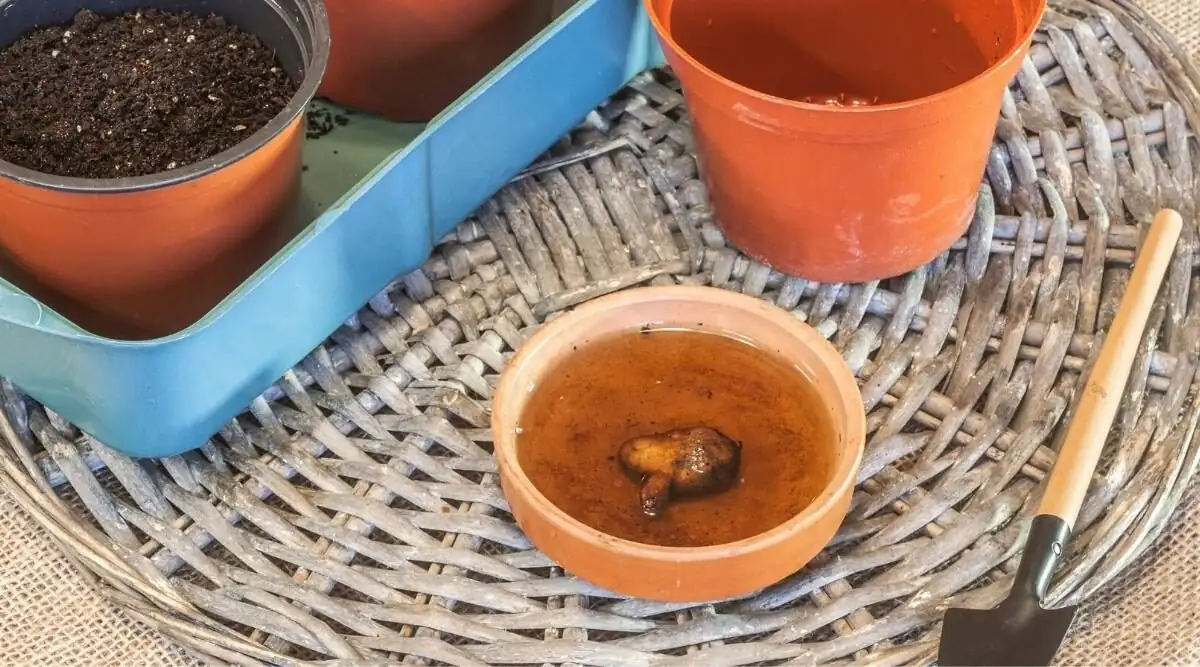
- Pre-hydrate: Before planting (early autumn is ideal in many regions), rehydrate tubers by soaking in water or nestling in moist sand so they plump evenly.
- Depth:
- In ground: 5–7 cm (2.0–2.8 in)
- In pots: about 1.5 cm (0.6 in)
- Spacing: Drift them a palm-width apart for color carpets.
- Watering the first week: Go lightly. Overwatering during the first one or two waterings is a common cause of rot. Increase as shoots appear and growth takes off.
- Mulch: Use a gravel or grit mulch to keep crowns dry, deter splash-borne disease, and visually “finish” the planting.
Pro tip: In regions with cold, wet winters, pots under a bright, covered area can spare tubers from constant saturation. In-ground, prioritize raised beds or slopes.
Mediterranean-Style Mixes that Sing
Anemone coronaria is native to the Mediterranean region—designing with that in mind creates plantings that feel both natural and chic. The trick is pairing spring-loving anemones with silver, aromatic, and drought-tolerant companions that enjoy summer-dry soil once the anemones go dormant.
Living tapestry with thyme
- Use creeping thymes as a living mulch around anemone clumps. They provide evergreen texture and fragrance, knit the soil surface to prevent erosion, and appreciate the same sharp drainage.
- Irrigation note: During anemone’s cool-season growth, keep the soil evenly moist without waterlogging; thyme tolerates this well in cool weather. In summer, let it go drier—right when anemones naturally rest.
Silvery foils with artemisia
- Low, silky Artemisia (think silver cushions or filigree mounds) makes the anemone colors glow—especially saturated reds, magentas, and blues.
- Artemisia also signals “dry-summer Mediterranean” and helps the composition look intentional once anemone foliage fades.
Bulb partners for a long spring show
- Tulips: Pair taller, elegant tulips behind or among anemones to stagger height and create a layered, “painterly” field. Classic red/white anemones with lipstick-red or inky purple tulips are timeless.
- Narcissus (daffodils): Buttercream or pale lemon narcissus with white or blush anemones gives a soft, luminous effect—very spring-morning.
- Muscari: Use grape hyacinths as a neat, low front edge. Their cobalt spikes make jewel-toned anemones pop and create a satisfying color echo with blue forms.
Palette ideas
- Riviera Brights: Scarlet and indigo anemones + dark purple tulips + silver artemisia, all stitched together with creeping thyme.
- Mist & Lemon: White anemones + pale narcissus + soft-gray Artemisia and a haze of blue muscari at the edge.
- Jewel Drift: Magenta and royal blue anemones with beet-purple tulips, grounded by thyme and a thin gravel mulch.
Beds and Borders: Height, Rhythm, and Repeats
Anemone coronaria typically tops out around 25–40 cm (10–16 in)—a perfect mid-to-front-of-border height with a light, airy texture.
- Structure: Place taller tulips and mid-height narcissus slightly behind anemone drifts; add low muscari at the lip of the bed.
- Repetition: Repeat 3–5-tuber clumps of the same color at intervals to “lead the eye” through the border.
- Texture play: The finely cut anemone foliage softens bolder leaves—great between chunkier tulip stems and tighter muscari clumps.
Rock Gardens and Gravel Ribbons
This is home turf for poppy anemones: sun, drainage, and drama.
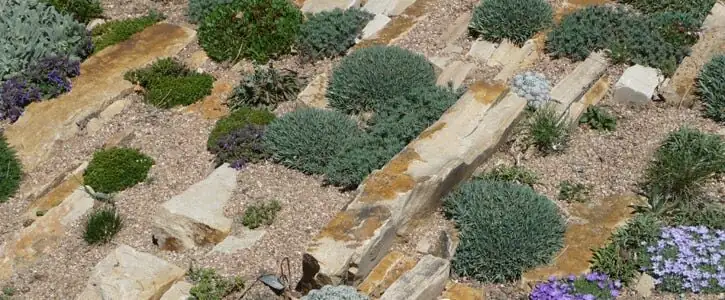
- Site: Tuck tubers into pockets between stones where grit-rich soil sheds water quickly.
- Mulch: Grit or pea gravel keeps stems clean and crowns dry.
- Companions: Thread muscari through as a cobalt ribbon; use low thyme to weave everything together. Silver artemisia cushions create a shimmering counterpoint.
Containers and Courtyard Bowls
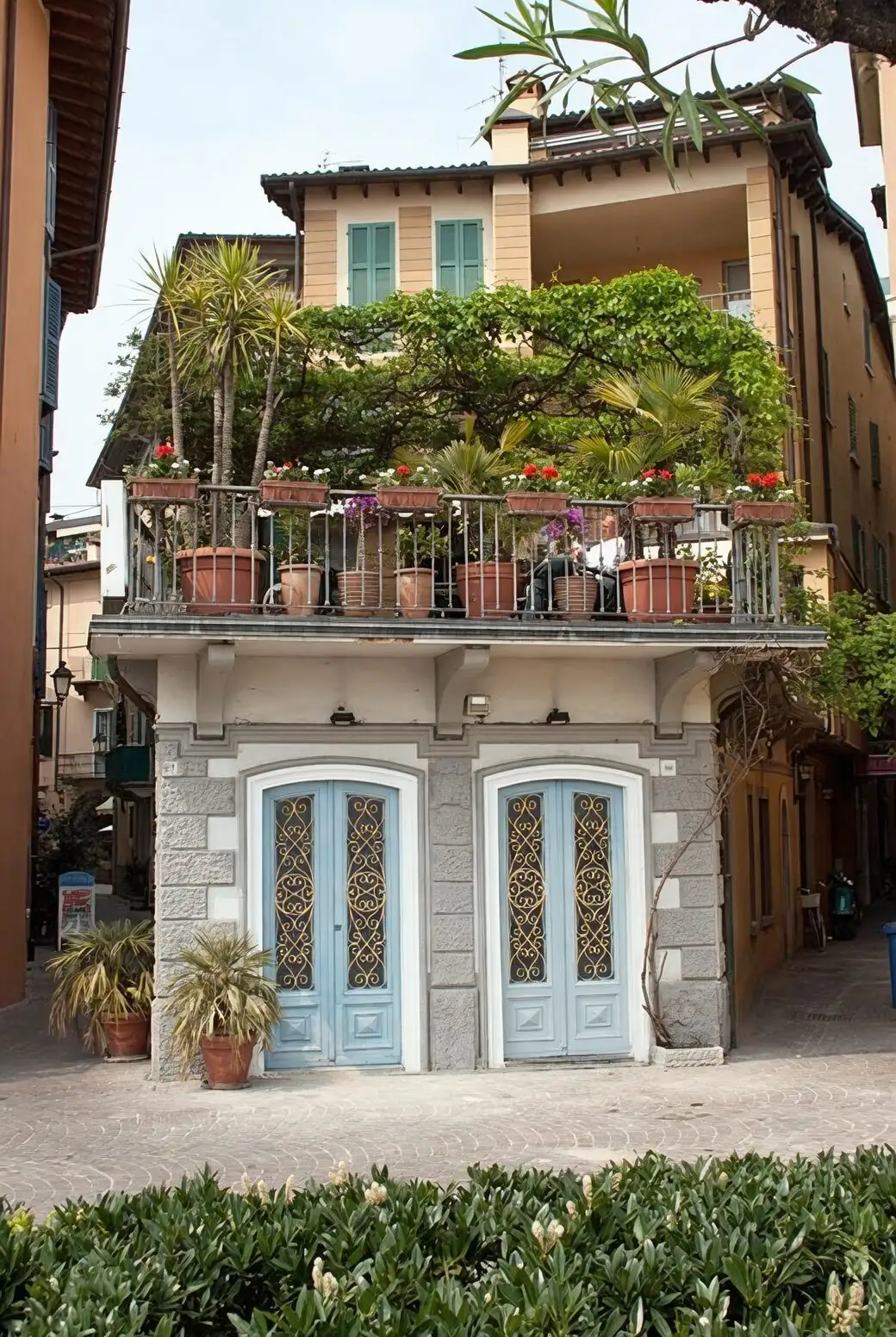
Pots make color mobile—and protect tubers from winter-wet ground.
- Pot size: 12–15 cm (4.7–5.9 in) is commonly used for anemones; plant 3 tubers per pot. For mixed displays, scale up to larger bowls and group several 3-tuber pots inside for easy swaps.
- Placement: Sunny doorstep, terrace, or balcony with good airflow. Bright east or south exposure is ideal.
- Watering: Keep evenly moist while growing and flowering, never sodden. Avoid wetting open blooms to keep petals pristine.
A Designer’s Care Calendar (to Support the Look)
- Active growth (cool, bright months):
- Light: Full sun to bright light for sturdy stems.
- Water: Evenly moist, not soggy; allow the surface to dry slightly between waterings.
- Feeding: Monthly with a dilute, well-rotted organic liquid feed. When buds first appear, give one bloom-boosting feed higher in phosphorus and potassium (for example, a 15-15-30 style formula).
- Flowering:
- Deadhead promptly if you’re not saving seed; this tidies displays and helps tubers recharge.
- Don’t spray open flowers; mist foliage only if air is very dry.
- Early summer:
- Expect dieback as heat sets in; tubers naturally rest. In borders, let thyme and artemisia carry the scene.
- For division or storage, lift after foliage fades (around June) and store tubers in dry sand in a cool, shaded place.
- Autumn:
- Rehydrate stored tubers in moist sand or brief water soak before replanting for even sprouting.
- Winter:
- In cold, wet spells, err on the dry side in containers. Cold + wet invites rot.
Watering, the Make-or-Break Detail
Two golden rules keep your design lush instead of mush:
- At planting: Water sparingly at first. Early overwatering is the most common reason tubers don’t sprout.
- During growth: Keep the soil evenly moist. In rainy periods, ensure excess water drains—raised beds, slopes, and grit mulches pay for themselves here.
Pests, Weather, and Real-World Hiccups
- Disease watch: Rust, gray mold (Botrytis), and Sclerotinia thrive in stagnant, wet conditions. Good airflow, clean gravel mulch, and careful watering are your best defenses. If needed, treat with a suitable fungicide per label.
- Aphids: They love tender flowering stems. Rinse off, invite beneficials, or use a labeled control such as imidacloprid where appropriate.
- Heat management: In hot spells, provide temporary 50–60% shade to prevent stress and keep displays tidy.
Cutting Garden Notes
Many cultivars have long stems and some are double-flowered—made for vases.
- Harvest just as blooms open in the cool of morning.
- Strip lower foliage and keep blooms dry for longest vase life.
Buying Smart
- Potted plants: Choose sturdy, well-budded plants no taller than 40 cm (16 in) with thick stems and deep green leaves.
- Tubers: Pick firm, plump, fresh tubers at least 6 cm (2.4 in) in circumference.
- Seeds: Fresh, well-packaged seed from reputable sources is key; seedlings often take 2–3 years to flower.
Symbolism, Flower Language, and Why It Resonates
Called “windflower,” Anemone coronaria is often linked with anticipation and a protective charm—blooms that seem to arrive on spring breezes, then close or pause when weather turns rough, only to reopen in kinder light. This stop–start dance in response to the season likely seeded its reputation for watchfulness and hope. In Mediterranean gardens and European traditions, its early flush of color made it a talisman of spring’s safe return—beauty that arrives, recedes, and returns again.
Quick Safety Note
Like many buttercup family plants, poppy anemone can irritate skin and is potentially toxic if eaten. Keep away from pets and children; wear gloves if you have sensitive skin.
—
Design takeaway: Treat Anemone coronaria as your cool-season color engine in a drainage-first, Mediterranean-leaning palette. Let thyme knit the ground, artemisia add silver sheen, and spring bulbs cue up height and hue. Keep water moving through the soil, feed lightly, deadhead promptly—and your beds, borders, and rock pockets will look like spring was painted on with a fine brush.