

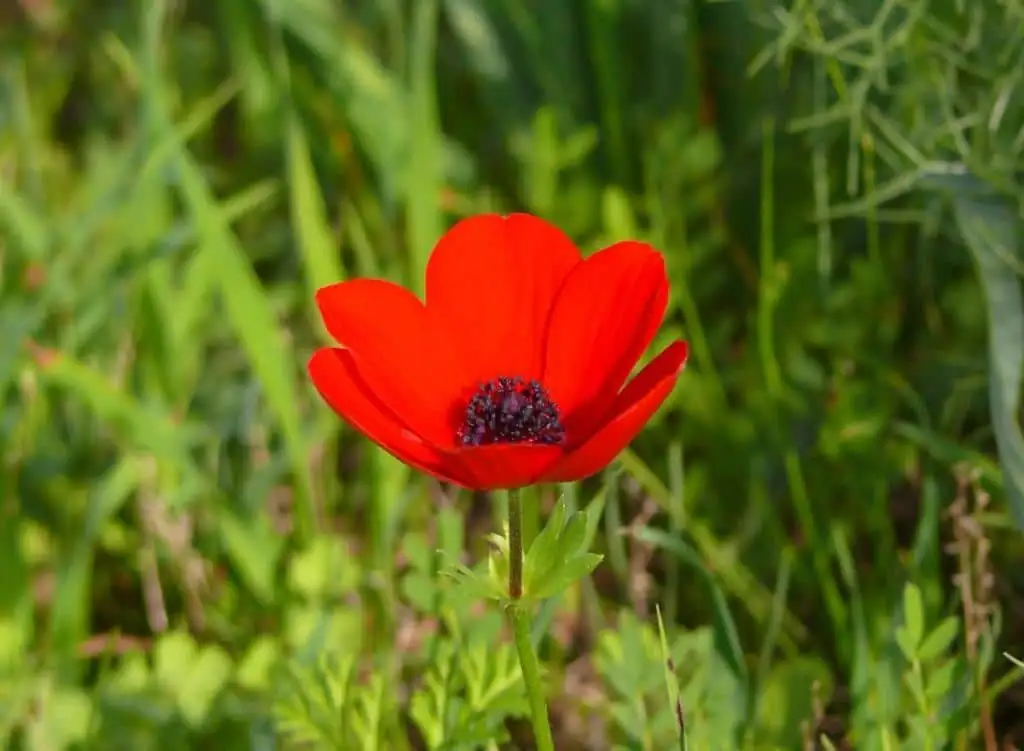
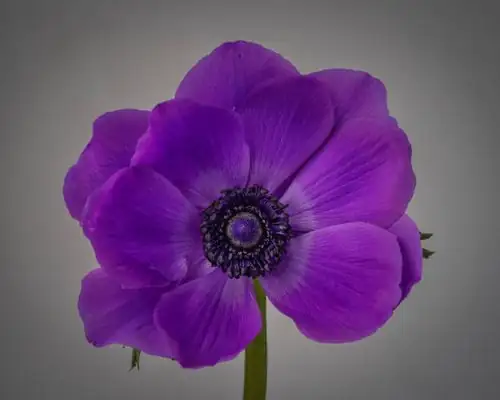
Think of Poppy Anemone (Anemone coronaria) as your chic, cool‑season stylist: refined, poppy‑like blooms on elegant stems, lacy green leaves that read as “air,” and a rhythm that peaks in bright, mild weather. The secret to flawless pots and photo‑ready flowers? A container‑first plan that gets the details right—pot size, a three‑tuber layout, breezy companions, perfect window light, and gentle handling for immaculate petals and long stems.
Meet the plant, set the brief
- What it is: A Mediterranean, tuberous perennial in the buttercup family (Ranunculaceae); also called Crown Anemone or Windflower.
- The look: Fresh, finely cut green foliage and big, vividly colored, poppy‑like flowers (single to double forms; many with long stems).
- Growth rhythm: Thrives in cool, bright, evenly moist conditions; tolerates partial shade. Tubers naturally go dormant in hot summer weather and may also rest during unfavorable winter cold, then return when it’s mild again.
- Best roles: Containers, small garden spaces, and cut flowers—especially long‑stemmed or double cultivars.
The container‑first playbook
1) Pot, mix, and layout (the “three‑tuber triangle”)
- Pot size: 12–15 cm (4.7–5.9 in) wide per planting—gold standard for compact, high‑impact displays.
- Drainage: Essential. One unobstructed hole, plus a thin drainage layer only if your mix tends to compact.
- Potting mix: Fertile and fast‑draining. Blend leaf mold/compost + rich garden loam + coarse sand. Aim for springy texture that holds moisture without staying wet.
- Planting depth in pots: About 1.5 cm (0.6 in).
- Layout: Plant 3 tubers per pot in a tight triangle. Position each tuber roughly equidistant, 3–4 cm in from the rim for an even “ring” of bloom. If unsure which side is up, lay the tuber on its side; shoots will orient themselves.
- Top dress: A thin sprinkle of fine grit or decorative gravel keeps splash off buds and petals and sharpens the look.
Pro tip: For a photo‑ready patio set, repeat three identical 12–15 cm pots, each with a three‑tuber triangle. Repetition = rhythm.
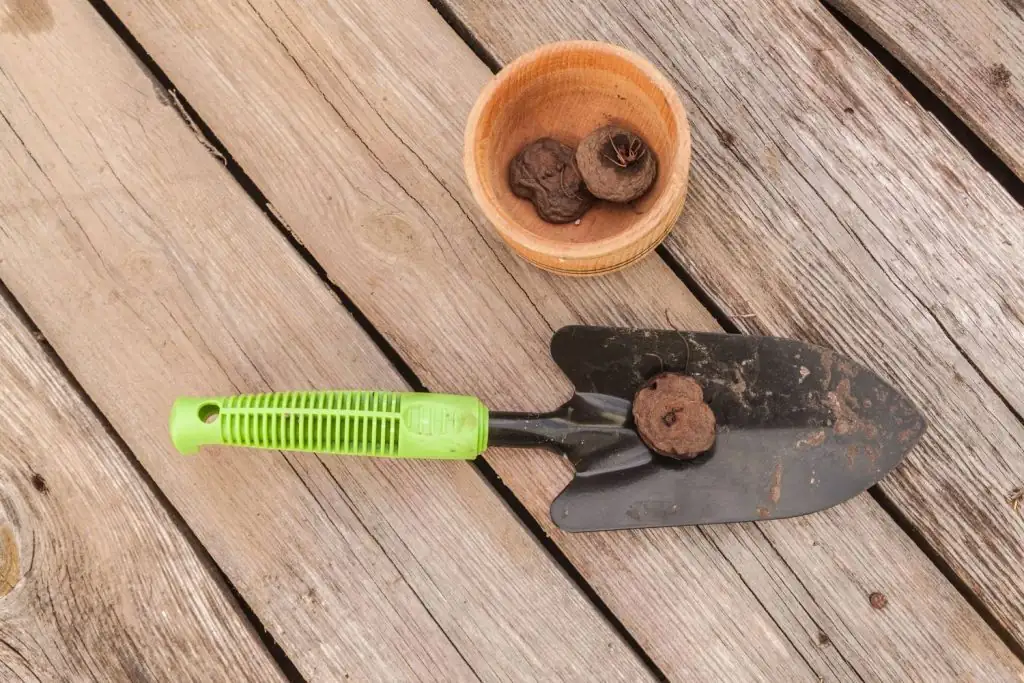
2) Step‑by‑step planting success
- Pre‑hydrate: Soak tubers in water or nestle them in moist sand before planting for more even sprouting.
- Set tubers: 1.5 cm deep, triangle pattern, then water lightly to settle.
- Ease into moisture: After potting, keep the mix just barely moist. Overwatering in the first one or two waterings is a common reason tubers fail to sprout.
- As growth starts: Increase watering gradually to keep the mix evenly moist—never soggy.
Optional hygiene step: Many growers disinfect tubers before planting (e.g., a labeled fungicide around 1:1000 dilution when appropriate). Always follow label directions.
3) Light like a pro: window aspects and outdoor placement
- Indoors: Place by a bright east‑ or south‑facing windowsill or balcony with fresh air.
- East window: Gentle morning sun that promotes sturdy stems without heat stress.
- South window: Abundant light; use sheer mid‑day curtain if heat builds.
- Outdoors: Choose a sunny, well‑lit, well‑drained spot. Full sun is best for sturdy growth and strong flowering; partial shade is tolerated.
- In hot spells: Provide about 50–60% shade to keep plants cool and prevent stress. Too little light leads to stretched, weak stems and fewer flowers.
- Airflow: Bright, airy, well‑ventilated placements help prevent foliar diseases and keep petals pristine.
4) Watering and feeding rhythm
- Watering:
- While budding and flowering, keep the mix evenly moist—not soggy.
- In winter rest or chilly spells, let the top layer dry a bit and never allow cold, wet soil to linger.
- Fertilizing:
- During active growth, feed monthly with a dilute, well‑rotted organic liquid (e.g., compost‑ or oilcake‑based).
- At first buds/flowers, give a one‑time phosphorus‑potassium boost (e.g., a bloom formula like 15‑15‑30) to support flower power and tuber building.
5) Temperature and timing
- Sweet spot: 15–20°C (59–68°F) for strong, compact stems and saturated color.
- Seasonal truth: Hot, humid weather and drought stress are disliked; tubers may go dormant in summer heat and during low winter temperatures. That’s normal.
Airy foliage pairings that flatter anemones
Think “light, lacy, and breathy” to echo and frame the ferny leaves and poppy‑like blooms. Keep your anemones solo in their 12–15 cm pots for best control, and style them with companion pots nearby:
- Feather‑soft foils
- Fine fescues (compact blue fescue forms): cool‑season texture that won’t fight the flowers.
- Dill or bronze fennel in a separate pot: wispy screens that spotlight the blooms from behind.
- Soft mounds and trailers
- Small heuchera (coral bells) cultivars: rounded leaves as an understated pedestal.
- Trailing ivy‑leaf forms with restrained vigor: drape a rim without swamping the stars.
- Spring calyx chorus
- Love‑in‑a‑mist (Nigella) in its own pot: airy foliage and seedpods that harmonize visually.
Design note: Group pots so that the anemone flowers sit just above the companion foliage line. You’re creating a negative‑space halo that makes each bloom read crisply in photos.
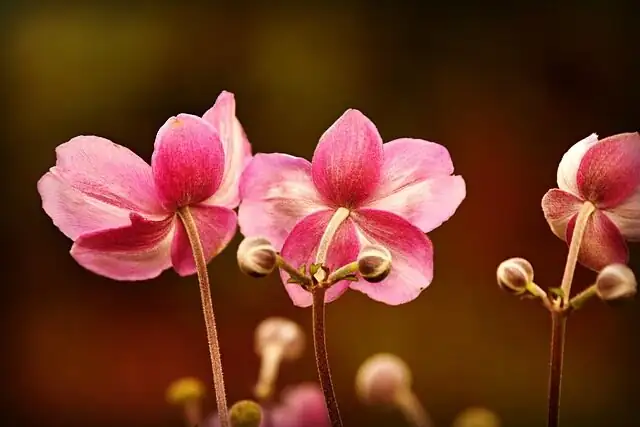
Photo‑friendly tricks for pristine petals and long stems
Keep petals immaculate
- Water smart: Water the mix, not the blossoms. Avoid wetting open flowers to keep petals unblemished.
- Grit guard: A thin gravel top keeps soil splash away from buds and blooms.
- Morning prep: Brush away dew on petals gently before shooting; let foliage dry naturally.
Grow stems that stand and pose
- Give bright light: Strong light prevents stretching; rotate pots a quarter turn every couple of days for straight, photo‑true stems.
- Cool and even: 15–20°C is the runway temp for upright growth and saturated colors.
- Feed for flowers, not flop: Steady monthly organics + a single bloom‑time P–K boost; avoid lush, soft growth from heavy nitrogen.
- Discreet supports: A low, nearly invisible hoop or grid can corral stems on very tall, double cultivars without showing in frame.
On‑camera staging
- Backgrounds: Use a matte black or soft gray board for contrast—or a sheer white for that editorial glow.
- Natural bounce: A white card opposite the window acts as a reflector to fill shadows.
- Angle of light: East‑window morning light gives luminous petals without glare; south‑window light with a sheer makes color pop.
Cut‑flower know‑how (if you’re harvesting)
- Choose long‑stemmed or double cultivars for best vase presence.
- Harvest in the cool of morning when a bloom first opens and looks tidy.
- Recut stems, place in clean, cool water, keep arrangements in bright, indirect light and away from heat.
- Keep water off open flowers when misting leaves.
After the show: pruning, rest, and next season
- Deadhead: Remove spent blooms promptly (unless saving seed) to help tubers recharge and extend display.
- Summer rest: When foliage dies back around June, lift and store tubers in dry sand, cool and shaded. In hot periods, they may go fully dormant—normal behavior.
- Replanting: Before planting again (by early autumn), pre‑soak or rehydrate tubers in moist sand or water for even sprouting.
Troubleshooting quick guide
- Weak, stretched stems and few flowers: Light is too low. Move to a sunnier position (east/south indoors; sunny site outdoors) and ensure good airflow.
- Newly potted tubers not sprouting: Early overwatering is a common cause. Keep the mix barely moist until growth appears.
- Petal spotting or blight: Avoid wetting blooms; improve ventilation. Watch for gray mold and other rots in cold, wet conditions.
- Pests and diseases: Aphids can target flowering stems—rinse off, encourage beneficial insects, or use a labeled control such as imidacloprid if appropriate. Rust, gray mold (Botrytis), and Sclerotinia can occur; prevent with airflow and prompt sanitation, and treat with a suitable fungicide if needed.
Safety note
Like many Ranunculaceae, sap can irritate sensitive skin, and the plant is potentially toxic if ingested. Keep away from pets and children; wear gloves if you’re sensitive.
A brief lore moment: symbolism with substance
Poppy anemone is often linked with anticipation and protection. Its “windflower” moniker hints at the way blooms seem to arrive on shifting spring breezes—appearing in that in‑between season when we wait for warmer days and guard tender growth from late chills. In other words, it celebrates the watchful optimism of spring: ready, alert, and beautifully alive to what’s next.
Quick checklist (print this!)
- Pot size: 12–15 cm; 3 tubers per pot in a triangle, 1.5 cm deep.
- Light: Bright; east‑ or south‑facing indoors; sunny, airy site outdoors. Give 50–60% shade in hot spells.
- Water: Evenly moist while growing; go lighter right after planting and during cold rest.
- Feed: Monthly dilute organics; one extra P–K boost at bud.
- Air: Fresh and breezy—great ventilation keeps foliage clean and petals pristine.
- Don’t: Wet open flowers or let pots sit in cold, soggy soil.
- Do: Deadhead promptly, lift and store tubers after dieback, rehydrate before replanting.
Follow this playbook and Anemone coronaria will reward you with crisp petals, dignified stems, and a camera‑ready performance right when the garden (or windowsill) needs a burst of cool‑season glamour.