

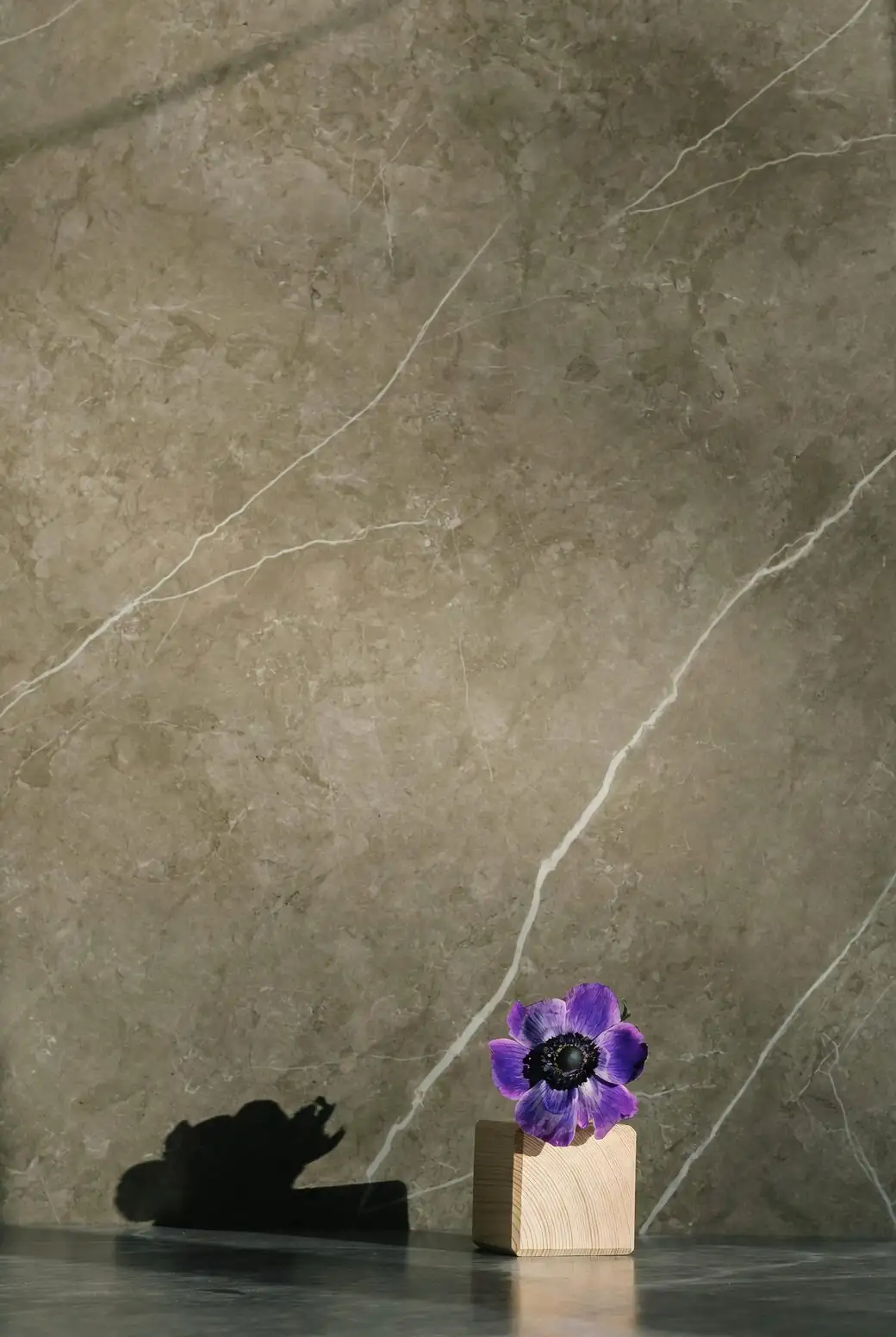
On a breezy March morning along a limestone slope above the Mediterranean, a shock of color catches the eye: silken petals, ink-dark centers, and foliage as finely cut as lace. This is Anemone coronaria—the poppy anemone, crown anemone, windflower—waking with the cool season to paint the rocks with spring. From these stony origins, it wandered into cottage borders and grand European parterres, then on into the hands of modern florists who prize its impeccable stems and sumptuous doubles. Its journey is a story of wind and light, patient tubers and brilliant breeding.
From wind-scattered wildling to garden classic
In its native Mediterranean, Anemone coronaria behaves like a seasoned traveler. It grows when days are mild and bright, then retreats when extremes arrive.
- Tuberous rhythm: The plant is a cool-season grower, surging in fall-to-spring light, then slipping into summer dormancy. In winter cold snaps, it may briefly pause again—waiting, windflower-like, for gentler weather to return.
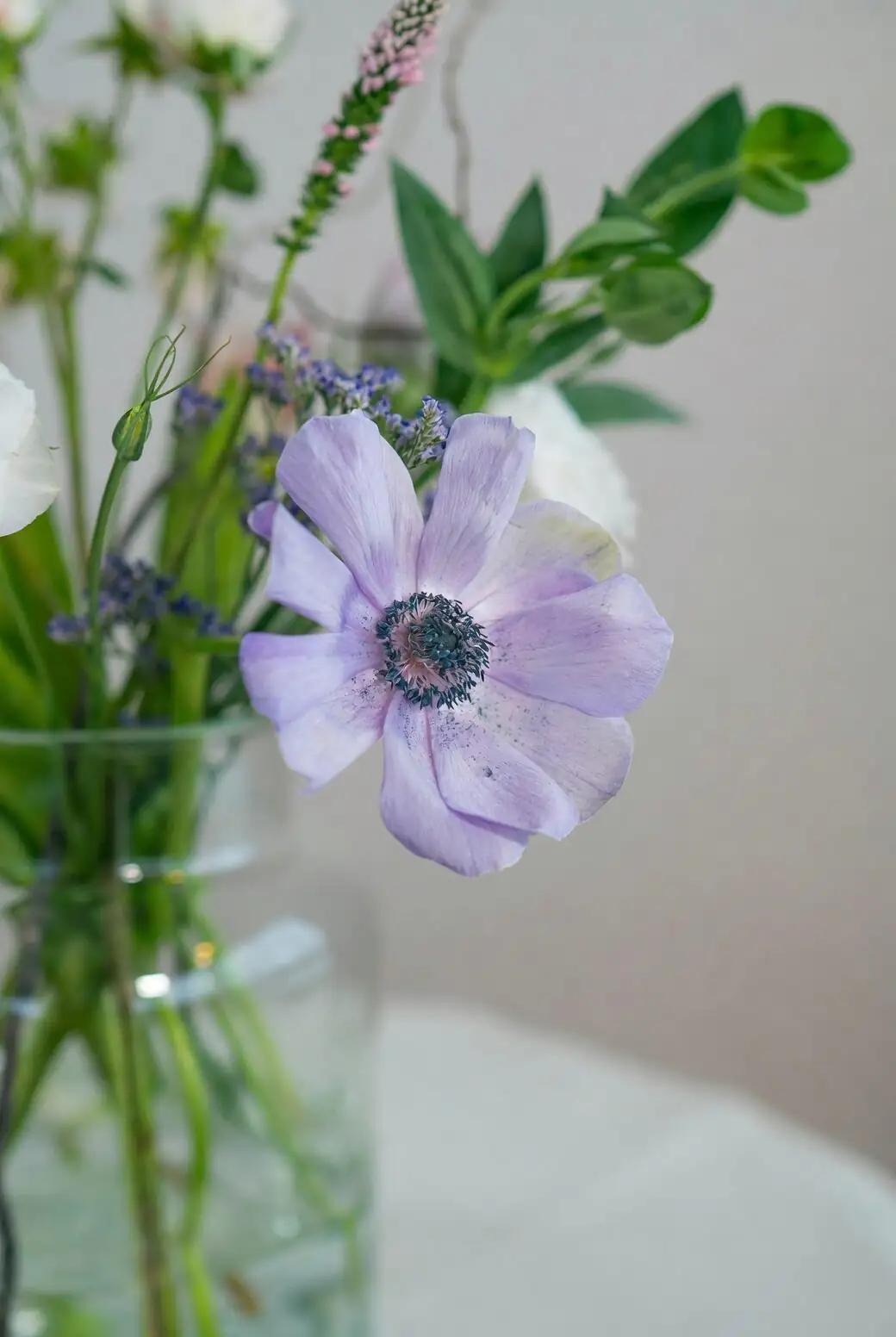
- Fine-textured grace: Fresh green leaves hover on slender stems, giving a soft, airy foil to bolder neighbors. The blooms—bold, poppy-like discs—gleam in saturated reds, blues, whites, purples, and pinks, with glossy black or inky-violet centers.
- Why “windflower”? Watch a clump on a bright day: the flowers seem to nod to every passing breeze, as if spring itself is breathing through them.
The European spring border adopts a star
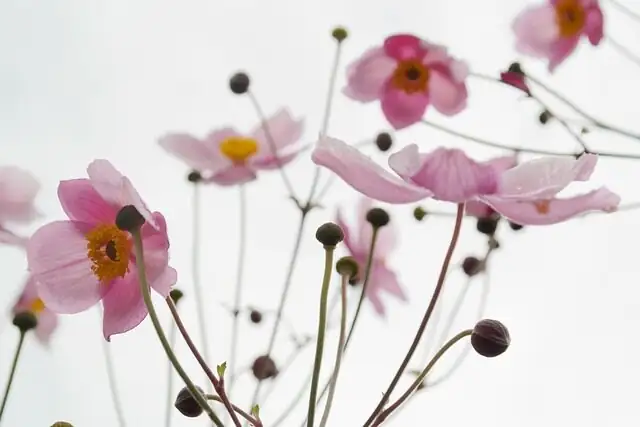
By the 18th and 19th centuries, European gardeners had fully embraced this Mediterranean charmer, planting it with tulips, narcissus, and ranunculus for a riot of early color. As tastes evolved, breeders did too—nudging the species from simple beauty into a palette and form library.
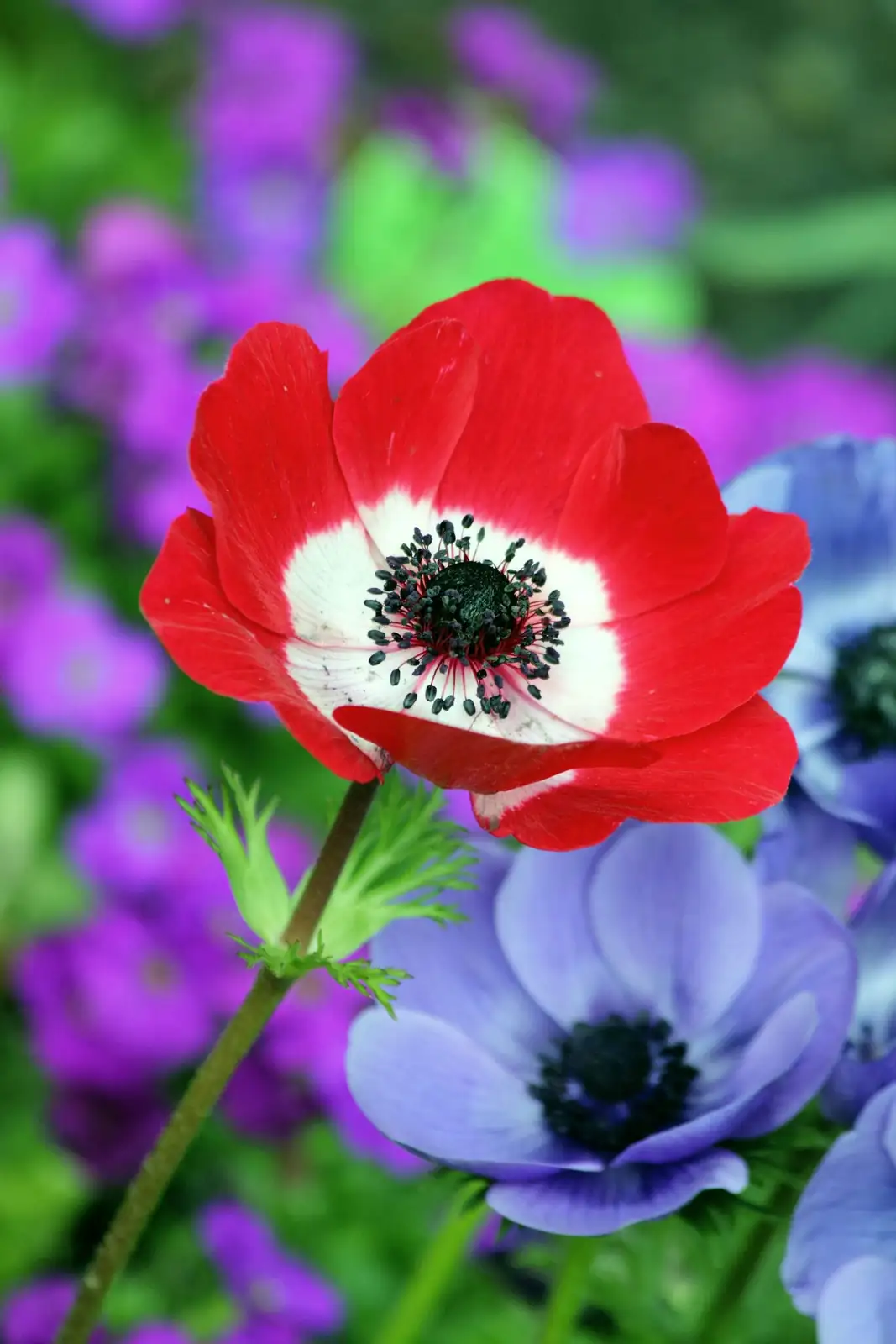
- De Caen strains: Celebrated singles in a rainbow of jewel tones; a staple for beds and cutting.
- St. Brigid strains: Semi-double to fully double, their ruffled skirts read as exuberant as any peony, yet they keep that signature anemone “eye.”
- Modern florist lines: Contemporary breeding emphasizes long, straight stems, generous blooms, and refined texture—perfect for the hand-tied bouquet. Many selections also shine in containers.
Today, the poppy anemone is equally at home edging a lawn, brightening a rock garden, or starring in a minimalist vase on a kitchen table.
How breeders shaped stems and petals
If the wild species whispers spring, the bred forms chorus it. Selection has focused on:
- Longer, stronger stems for cutting and arranging
- Uniform flowering windows
- Saturated and nuanced color ranges
- Petal count—from clean singles to lush, layered doubles
The result is a plant that keeps its wild heart—cool-season rhythm, silvery light in its petals—yet performs like a professional, both in the border and in the bucket.
Grow it like a pro: light, temperature, and air
Think “bright, cool, and breathing.”
- Sunlight: Full sun produces sturdier stems and more flowers; partial shade is tolerated. In hot spells, provide about 50–60% shade.
- Temperature: Sweet spot is 15–20°C (59–68°F). Heat and humidity dampen performance; tubers will often rest in summer. In winter chill, growth can pause until mild weather returns.
- Airflow: Fresh air is essential—stagnant, humid conditions invite disease. Indoors, choose an east- or south-facing window or balcony; outdoors, a sunny, open, well-drained site.
Soil and planting: think “fertile but free-draining”
Poppy anemones adore a friable, nutritious mix that never stays soggy.
- Mix for pots: Leaf mold or compost + rich loam + coarse sand for sharp drainage.
- Planting depth:
- Pots: about 1.5 cm (0.6 in) deep
- Ground: 5–7 cm (2.0–2.8 in) deep
- Spacing for beds: Give them room to breathe; good light and airflow keep stems sturdy.
- Containers: A 12–15 cm (4.7–5.9 in) pot suits a trio—plant 3 tubers per pot for a full, elegant display.
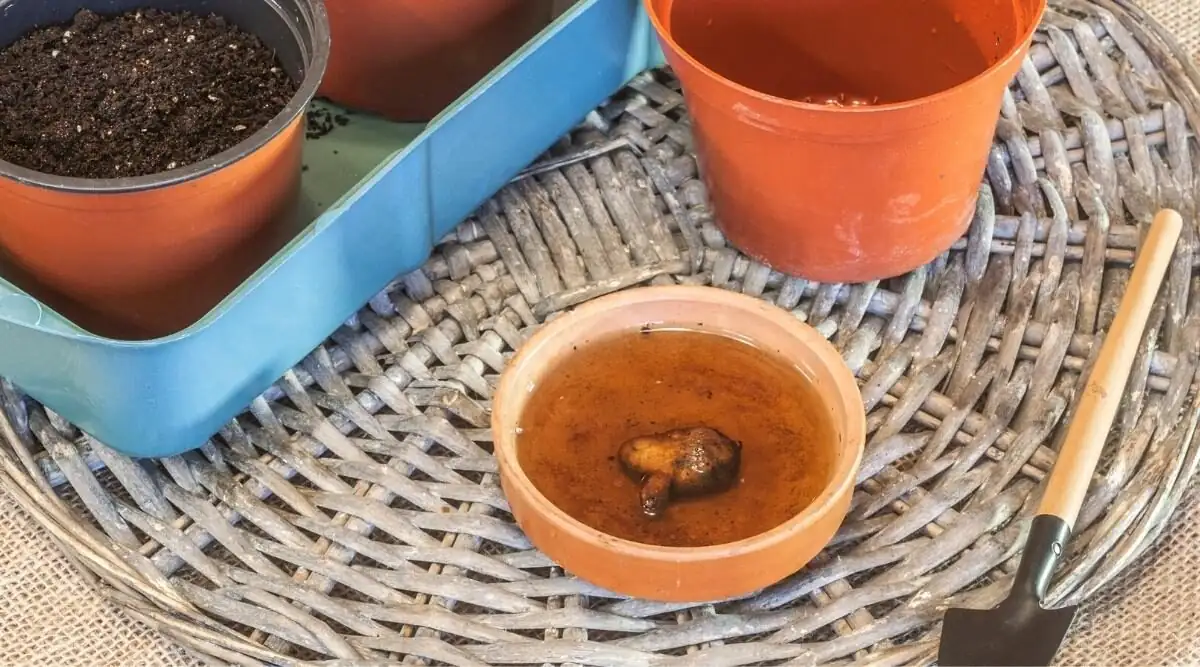
Tip for new tubers: They’re hard, dimpled little “buttons.” Pre-soak in moist sand or water before planting for more even sprouting.
Watering and feeding: the gentle, steady approach
- Watering:
- After potting dry tubers, water lightly at first—overwatering early is a common cause of rot.
- As shoots appear and stems elongate, keep the mix evenly moist but never sodden.
- In rainy spells outdoors, prioritize drainage and avoid standing water.
- In winter, keep pots on the dry side of moist; cold + wet can doom tubers.
- Feeding:
- During active growth, feed monthly with a dilute, well-rotted organic liquid fertilizer.
- At the first sign of buds/flowers, give a one-time phosphorus-and-potassium boost (for example, a bloom-type feed) to support flowering and future tuber strength.
A gardener’s calendar
- Autumn to early spring: Active growth—steady moisture, bright light, monthly feeding.
- Spring: Main flowering season; deadhead to prolong bloom and help tubers store energy.
- June: Foliage dies back; lift and divide if desired. Store tubers in dry sand in a cool, shaded place. Seeds ripen now—sow fresh if you plan to raise your own line.
- Summer: Tubers naturally rest. Provide shade and excellent drainage; don’t force water or fertilizer.
- Winter: In cold snaps, growth may pause; keep potted soil barely moist and never waterlogged.
Propagation pathways: division or the slow art of seed
- Division (tuber splitting): After dieback around June, lift, separate, and store in dry sand in a cool shade. Rehydrate tubers before replanting for smoother sprouting.
- Seed:
- Best sown fresh in a fine-textured medium; cover very lightly.
- Seeds are slightly hairy and can clump—mix with sand to sow evenly.
- Germination typically takes 3–6 weeks at 15–20°C (59–68°F).
- Seedlings dislike high heat and usually need 2–3 years to reach flowering size.
Indoors, balconies, and small spaces
Short on ground? Poppy anemones are naturals for pots.
- Choose bright, airy placements (east- or south-facing).
- Mist foliage when the air is very dry—but avoid wetting open blooms, which can spot or age faster.
- For the prettiest container compositions, lean into contrast: feathery anemone leaves against broad-leaved primroses or the vertical spikes of early snapdragons.
Cut-flower charisma
Long-stemmed and double-flowered cultivars move beautifully from garden to vase.
- Harvest on cool mornings when the first petals have opened and the “eye” is visible.
- Strip lower foliage, recut stems, and place into clean, cool water.
- Keep arrangements in bright, indirect light and avoid dripping water onto the open blooms to preserve petal sheen.
Troubleshooting: keep it clean, cool, and moving
- Diseases: Rust, gray mold (Botrytis), and Sclerotinia can mar foliage and flowers—excellent airflow and avoiding soggy conditions are your strongest defenses.
- Many growers disinfect tubers pre-plant with a labeled fungicide soak (often used around 1:1000 when specified). If problems occur, treat with an appropriate broad-spectrum fungicide as directed.
- Pests: Aphids may cluster on buds and stems; encourage beneficials, rinse off with water, or use a labeled insecticide such as imidacloprid where appropriate.
- The non-sprouting mystery: If healthy tubers sit tight, early overwatering is a common culprit. Keep the mix just barely moist until you see growth—then water more generously.
Safety note
Like many Ranunculaceae, poppy anemone can be irritating or toxic if eaten. The sap may bother sensitive skin—wear gloves if needed, and keep plants away from pets and children.
Buying guide: pick with a florist’s eye
- Potted plants: Choose sturdy specimens no taller than 40 cm (16 in), with thick flower stems, deep green foliage, rich color, and plenty of buds (some just opening).
- Tubers: Select firm, plump tubers with a circumference of at least 6 cm (2.4 in).
- Seed: Look for fresh seed from a reputable supplier, ideally in intact, well-sealed packaging.
Flower language and meaning: anticipation on the wind
Anemone coronaria is often associated with anticipation and protection. The “windflower” nickname hints at blossoms that seem to arrive with shifting spring breezes, open fast under bright skies, and fold again at dusk or on gray days. In literature and legend around the Mediterranean, the plant’s cool-season awakening—followed by a summer rest—reads like a parable of return: hope held safely through hardship, then released when conditions are right. That rhythm is the soul of the windflower mythos: not fragile, but watchful; not fleeting, but wisely timed.
Why we still love it
- It bridges wild charm and couture polish: a plant as comfortable on a crag as in a wedding bouquet.
- It offers real horticultural interest: a true cool-season performer with a tidy footprint and luminous color.
- It rewards gentle, thoughtful care: bright light, even moisture, sweet air—then summer rest. Honor that cadence, and you get a spring show that feels both timeless and fresh.
From Mediterranean winds to florist’s hands, Anemone coronaria has learned every language of spring—rock garden whisper, border chorus, and vase-song alike. Plant a few, and you’ll hear it too.