

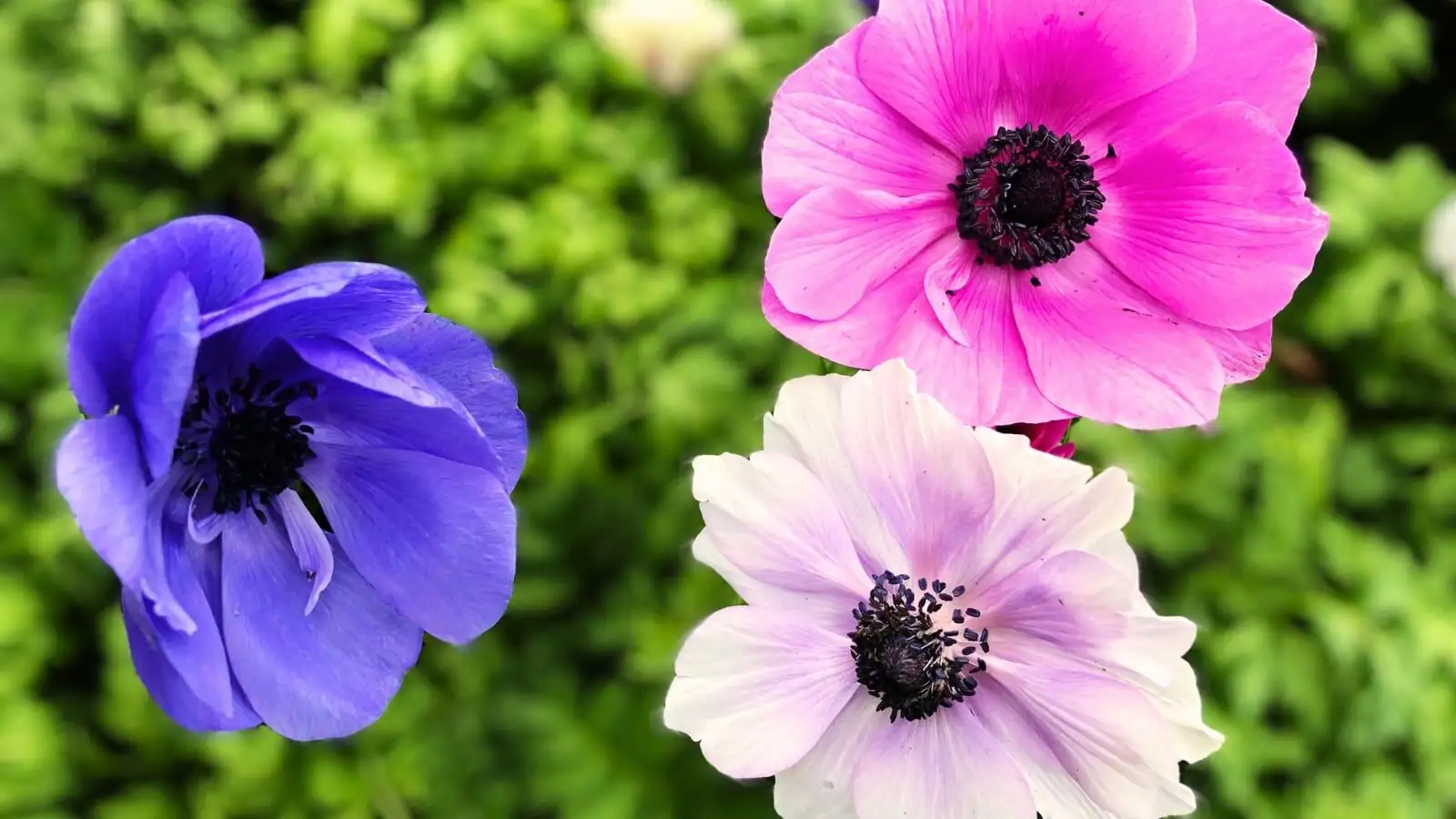
Think of Anemone coronaria—also called poppy anemone, crown anemone, or windflower—as your sparkling co-star for the cool season. Give it bright light, steady moisture, and fresh air, then watch those poppy-like blooms erupt in vivid color when most plants are still yawning awake. Even better, there’s no need to panic when it dozes off in heat or deep cold—dormancy is part of its Mediterranean rhythm. Here’s exactly how to nail the care, season by season.
Meet the poppy anemone (Anemone coronaria)
- Origin: Mediterranean region
- Habit: Herbaceous, tuberous perennial with elegant, finely cut green foliage
- Best season: Thrives and flowers in cool, bright weather (spring is peak)
- Quirk to love: Tubers naturally rest in summer heat, and they may also pause during unfavorable winter cold—then re-sprout when conditions turn mild again
- Great uses: Beds, borders, rock gardens, lawn edges, containers, and dreamy cut flowers
Light: how much sun, and when to add shade
Outdoors
- Full sun is best for sturdy stems and abundant flowers.
- Tolerates partial shade, especially helpful where spring heats up fast.
- In hot spells, provide 50–60% shade (shade cloth or dappled afternoon shade) to keep plants from stressing into an early summer nap.
- Too little light = stretched, weak stems and fewer blooms.
Indoors and on balconies
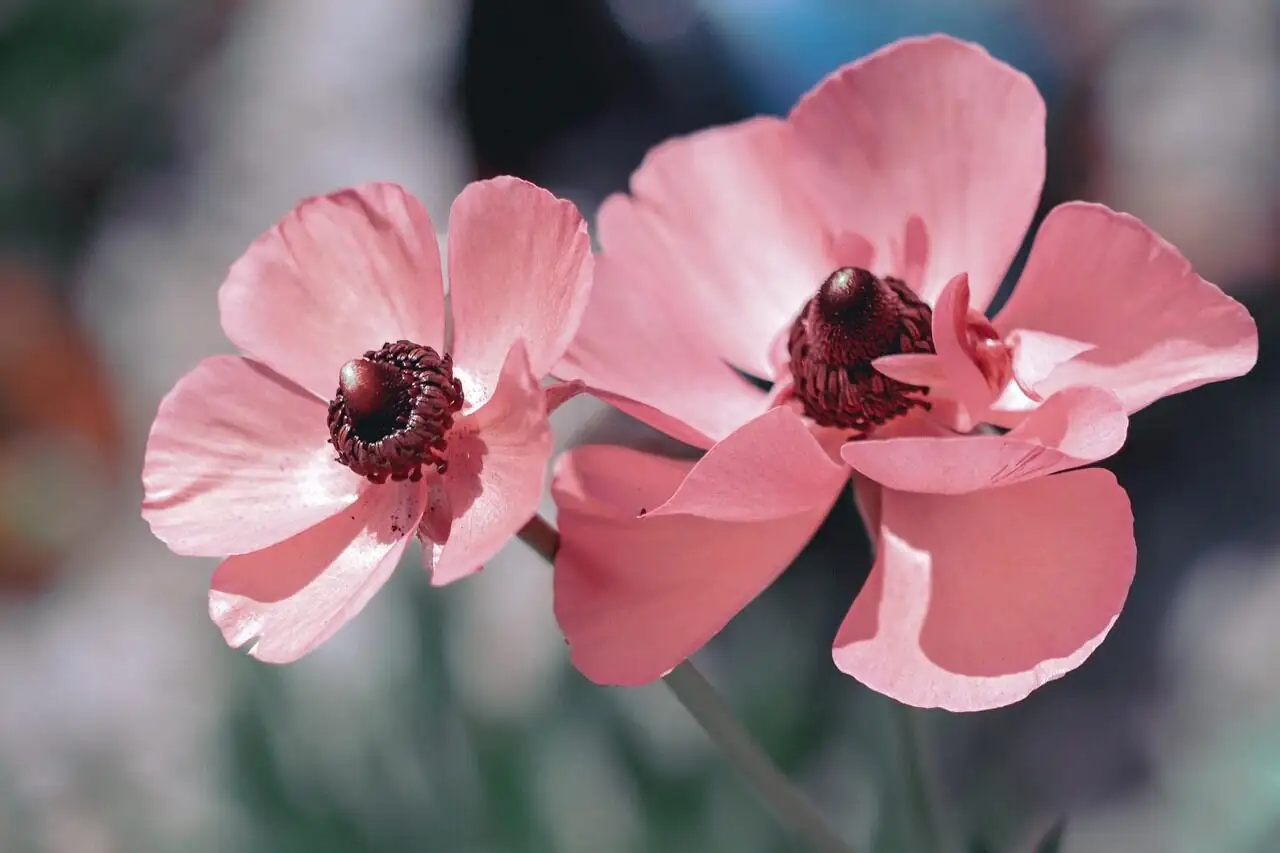
- Aim for an east- or south-facing windowsill or balcony with bright light.
- Rotate pots every week so growth stays even and upright.
- If light is limited, keep plants extra airy and avoid overwatering; lower light plus wetness invites disease.
Temperature sweet spot
- Ideal range: 15–20°C (59–68°F).
- Dislikes hot, humid weather and drought; summer heat often triggers dormancy.
- In cold snaps, growth can pause; wait for milder weather and light to return.
Watering: the no-soggy-feet rule
Think “evenly moist, never waterlogged”—especially in active growth and bloom.
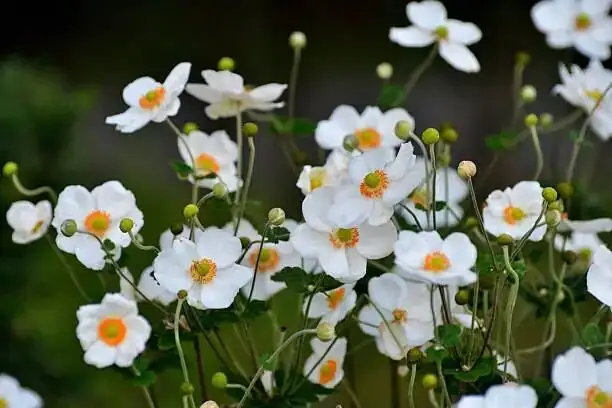
- Baseline: Water when the surface of the mix has just dried slightly.
- During stem extension and flowering: Keep moisture steady and even.
- Rainy spells (in-ground plants): Prioritize drainage; avoid standing water.
- Winter: Keep pots on the dry side (cold + wet is a rot magnet).
- Do not wet open flowers; water the mix, not the blooms.
Pro tip for newly potted, dry tubers:
- After planting, water only lightly the first one or two times to settle the medium.
- As shoots appear and leaf out, gradually increase watering.
- Overwatering before growth begins is a common reason tubers fail to sprout.
Quick cues:
- Leaves perky and medium green = good hydration.
- Wilting at midday that recovers by evening = heat or light stress, not always thirst.
- Saucers: Empty after watering so tubers never sit in collected water.
Airflow musts
Fresh air is your first line of defense against rust, gray mold (Botrytis), and Sclerotinia.
- Space plants so leaves can dry quickly after watering or dew.
- Choose bright, breezy placements—open a window or run a gentle fan indoors.
- Water early in the day; avoid overhead watering when buds/flowers are open.
- If air is very dry, you can mist foliage lightly (never open blooms).
- Keep foliage clean; remove yellowing leaves promptly.
Soil and planting: set the stage for strong roots
- Use a fertile, free-draining medium—think leaf mold or compost + rich loam + coarse sand.
- Containers: A 12–15 cm (4.7–5.9 in) pot suits three tubers.
- Planting depth:
- Pots: about 1.5 cm (0.6 in) deep
- Ground: 5–7 cm (2.0–2.8 in) deep
- Beds: Choose sunny, well-drained spots (raised beds and rock gardens are excellent).
- Indoors: Use pots with ample drainage holes; lift pots on feet so bases dry well.
Feeding for flowers (and future tubers)
- During active growth, feed monthly with a dilute, well-rotted organic liquid fertilizer (compost- or oilcake-based).
- When buds first show, give one bloom-boost with higher phosphorus and potassium (for instance, a 15-15-30 formula) to support flowering and tuber development.
The dormancy playbook—summer and winter, without panic
Dormancy is not disaster. It’s a built-in rest.
Recognizing dormancy
- Foliage yellows and collapses as heat rises, or growth simply pauses in cold snaps.
- Water needs drop sharply; continued heavy watering risks rot.
Summer rest (heat-triggered)
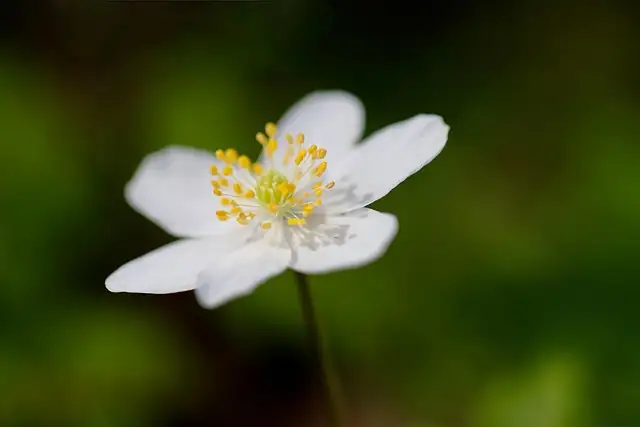
- Expect a natural dieback as weather turns hot.
- If in the ground and summers are hot:
- Provide 50–60% shade as heat builds to ease the transition.
- Once foliage has fully died down (often around June), lift tubers.
- Brush off soil and store in dry sand in a cool, shaded, airy place.
- If in containers:
- Reduce watering, let the mix dry out more between sips, then stop once foliage is down.
- You may store the tubers in their pots dry, or lift and store as above.
- Through summer, keep stored tubers dry—never damp.
Winter rest (cold-triggered)
- In cold or very wet winters, growth may pause. That’s normal.
- For pots: keep the mix on the dry side and never soggy. Protect from persistent rain.
- For in-ground plants: drainage is everything. Wet, cold soils increase rot risk; consider raised beds or a rain-sheltered spot.
- Resume regular watering and feeding when mild, bright weather returns and growth restarts.
Re-starting the cycle (early autumn is prime)
- Before planting, rehydrate stored tubers: pre-soak in water or in moist sand to encourage even sprouting.
- Plant at the recommended depths. After potting, water lightly once or twice, then increase as shoots emerge.
- Aim for the ideal 15–20°C (59–68°F) for strong, steady growth and spring bloom.
A simple seasonal calendar
- Early autumn: Pre-soak and plant tubers; place in bright light with good airflow.
- Cool-season growth: Water when the surface dries slightly; feed monthly.
- Buds/flowers: Add one bloom-boost higher in P and K; deadhead promptly.
- Spring: Main flowering season—avoid wetting open blooms to keep petals pristine.
- June (post-bloom): Lift, divide if needed, and store tubers dry in cool shade.
- Summer: Provide 50–60% shade if any foliage remains; most tubers rest.
- Winter: Some clumps rest in cold; keep pots on the dry side and well drained.
Containers vs. in-ground: which to choose?
- Containers: Great control over drainage and airflow; easy to shelter from downpours; perfect for long-stemmed and double cultivars on display.
- In-ground: Choose sunny, well-drained beds; avoid low spots where water lingers; add grit or coarse sand if soil is heavy.
Troubleshooting and plant health
- Soft or rotting tubers: Usually from overwatering (especially before sprouting) or poor drainage. Adjust watering and improve aeration.
- Rust, gray mold (Botrytis), Sclerotinia: Increase airflow, avoid wet, stagnant conditions, and remove affected foliage. Where appropriate and labeled, many growers disinfect tubers pre-plant in a fungicide solution (often used around 1:1000 dilution). If disease appears, use a suitable broad-spectrum fungicide per label directions.
- Aphids on stems or buds: Rinse off with water, encourage beneficial insects, or use a labeled insecticide such as imidacloprid where appropriate.
Cut-flower smarts
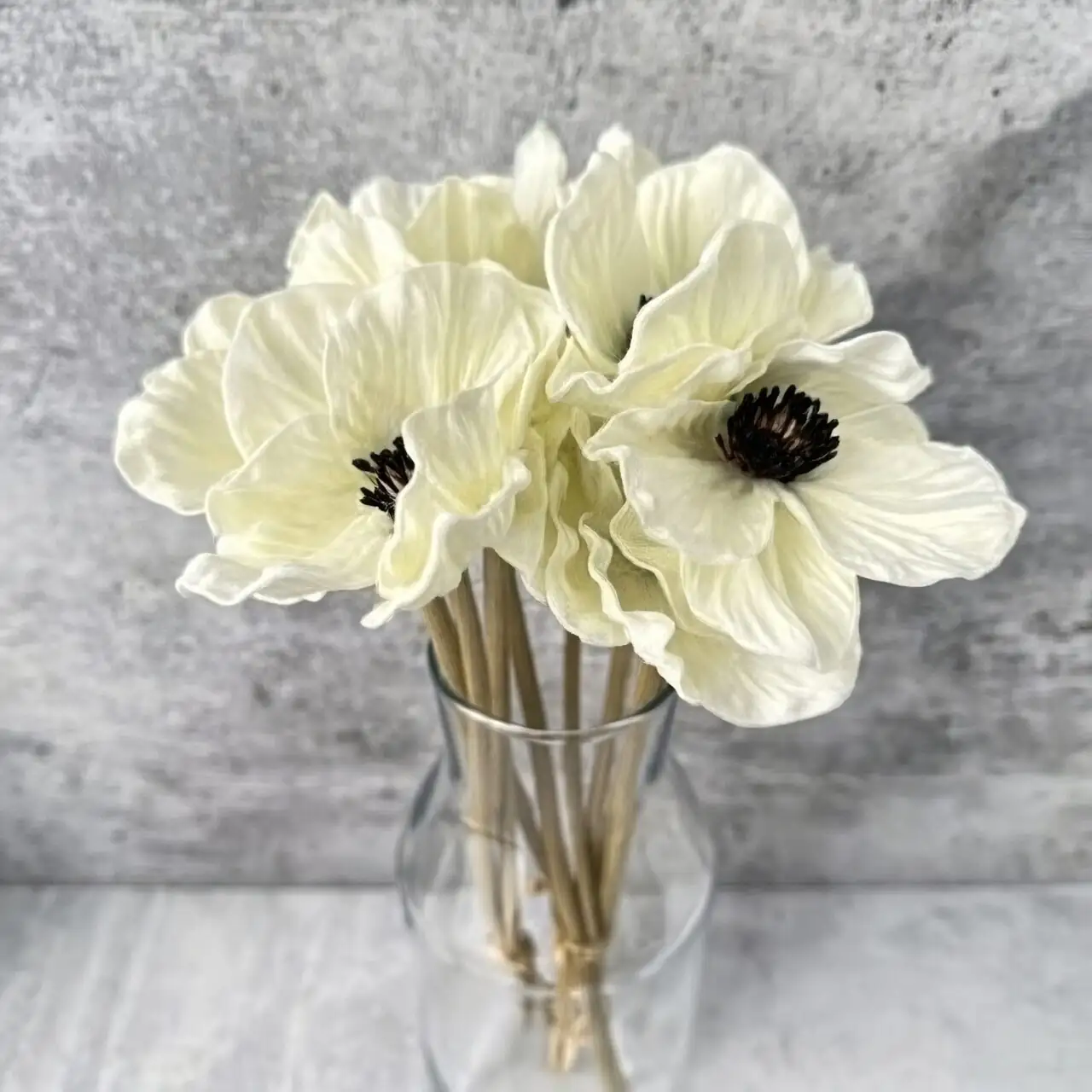
- Harvest in the cool of morning or evening.
- Cut when the bloom has a bit of stem showing between the little “collar” leaf and the flower, and petals are just opening.
- Keep petals dry—wetting open flowers shortens vase life.
- Recut stems and place into clean, cool water promptly.
Safety note
Like many Ranunculaceae, poppy anemone can be irritating or toxic if ingested; sap may irritate sensitive skin. Keep away from pets and children, and wear gloves if you are prone to skin irritation.
Symbolism: why “windflower” feels so right
Anemone coronaria is often associated with anticipation and protection. The nickname “windflower” hints at blooms that seem to arrive with shifting spring breezes and quiver with the lightest wind. Historically across Europe and the Mediterranean, gifting anemones could signal care and watchfulness—as if to say, “I’m here for you, through changing weather.” The modern take: it’s the flower of bright beginnings that knows when to rest and gather strength.
Quick answers to common questions
- How much sun? Full sun for best bloom; partial shade is fine in warming weather. Add 50–60% shade during hot spells.
- When do I water? When the surface of the mix dries slightly; keep evenly moist during growth and bloom, drier in winter cold and during dormancy.
- Why won’t my tubers sprout? Early overwatering is the usual culprit. Water lightly right after planting; increase once growth starts.
- Best place for a new plant? Bright, airy spot—east or south exposure is perfect. Water well, then keep evenly moist through bloom; don’t wet open flowers.
- Potting recipe? Fertile, free-draining mix (leaf mold/compost + rich loam + coarse sand). Three tubers per 12–15 cm pot; plant 1.5 cm deep in pots, 5–7 cm in ground.
Give Anemone coronaria cool, bright days, steady moisture, and a gentle breeze, and it will repay you with brilliant spring color. Then let it nap—because a well-timed rest is how windflowers wake up dazzling all over again.