

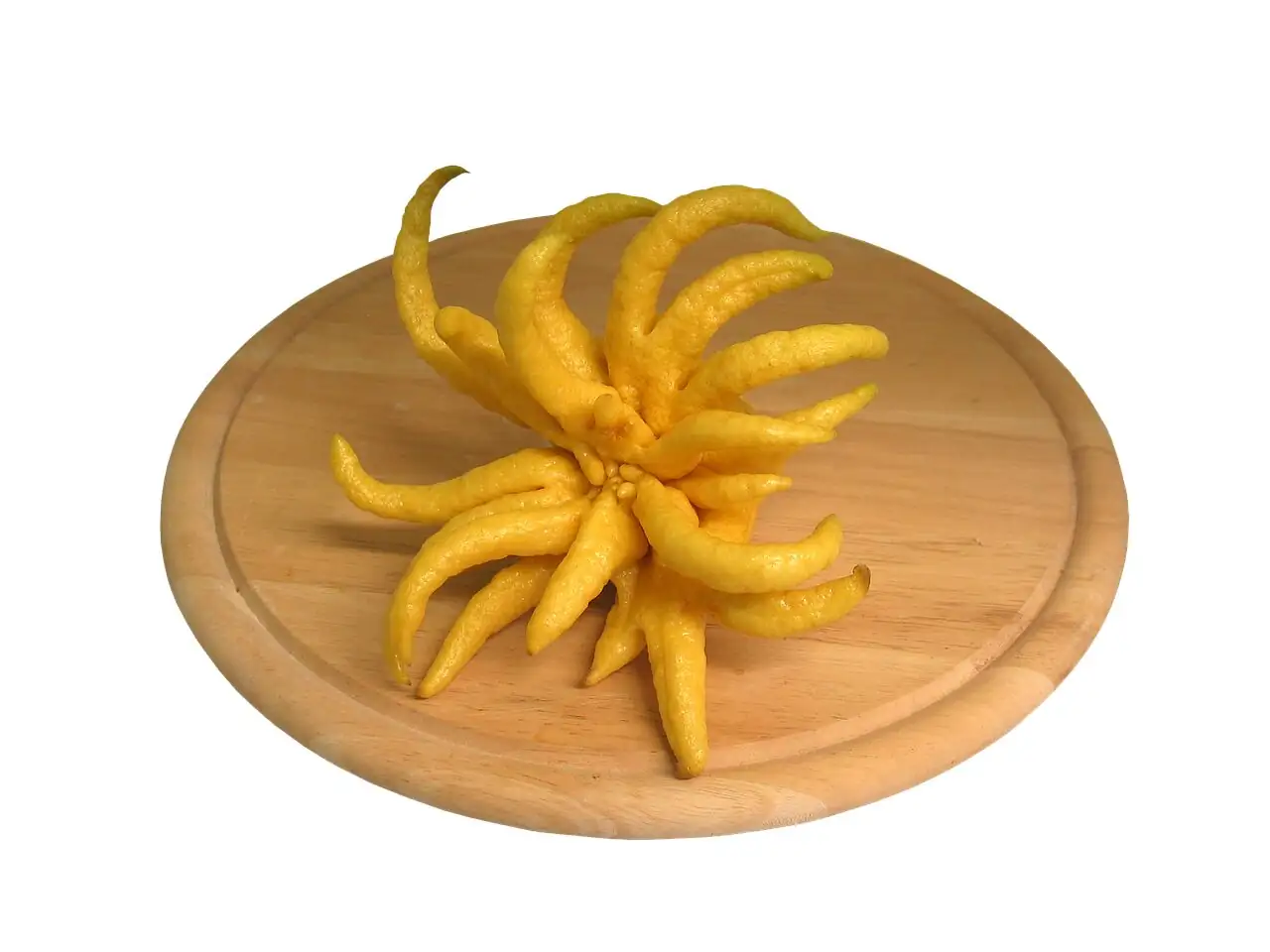
Imagine a fruit that perfumes the room before you even slice it, a sunny sculpture of “fingers” begging to be zested, candied, or slipped into a jar of vodka. That’s Buddha’s Hand citron (Citrus medica var. sarcodactylis): a warmth-loving, evergreen citrus whose intensely aromatic rind is the star of the kitchen. With virtually no pulp or juice, this fruit flips the usual citrus script—the peel is the ingredient. Here’s how to prep, candy, and infuse it safely and deliciously for desserts, teas, and cocktails.
Meet Buddha’s Hand (and why cooks adore it)
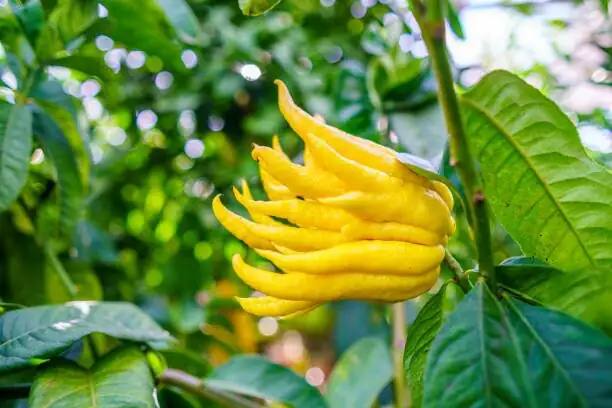
- What it is: An ancient citron cultivar in the Citrus genus (family Rutaceae), originating from tropical regions of China and India. Fruits ripen to glowing yellow, with multiple “fingers.”
- What it tastes/smells like: Exuberantly lemony, floral, and sweet-fragrant—think lemon blossom meets yuzu perfume.
- How it’s used: The aromatic rind is prized for candying, preserves, infusion, and for scenting rooms. There’s little to no pulp, which makes it perfect for peels, syrups, and liqueurs.
A note on symbolism
In East Asian culture, Buddha’s Hand is a traditional symbol of good fortune, longevity, and blessings—often displayed through winter and at Lunar New Year. Those upright “fingers” evoke a gesture of offering or prayer. While it’s not part of Western Victorian “flower language,” the cultural symbolism is longstanding and tied to household ritual and seasonal display rather than formal floriography.
Sourcing and edible-skin safety (read this first)
Because you’ll be eating the rind, choose and handle fruit like you would an herb you plan to steep:
- Choose food-grade fruit:
- Buy from produce vendors (not ornamental-only sources), or from growers who confirm food-safe practices.
- Select fruits that are evenly yellow, firm, and powerfully fragrant; avoid bruises or mold.
- If you grow your own:
- Use citrus-safe controls (horticultural oils/soaps) early and exactly as labeled. Copper products are sometimes used for fungal issues; follow label directions closely if the rind will be eaten.
- Avoid systemic pesticides on plants destined for culinary use.
- Wash like a pro:
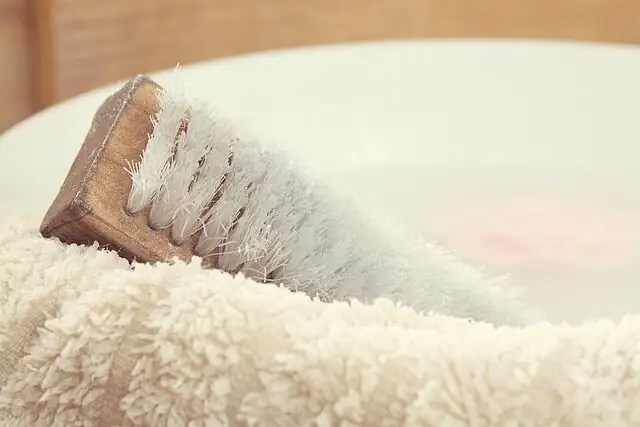
- Rinse under warm running water and scrub with a soft produce brush.
- Optional: Soak 10–15 minutes in a mild baking-soda solution (about 1 teaspoon per 2 cups/500 ml water), then rinse and dry.
- If your fruit looks heavily waxed and you can’t verify it’s food-grade, blanch 15–30 seconds in just-boiled water, then scrub and rinse.
- Skin sensitivity:
- Citrus essential oils can irritate sensitive skin. If you’re zesting a lot, consider thin gloves.
- Keep pets from nibbling; citrus can upset their stomachs.
Prepping the fruit: slices, zest, and julienne
Buddha’s Hand is solid rind and pith (with minimal bitterness compared to many lemons), so you can use generous cuts:
- For zest: Use a microplane for a fine, perfumy zest that dissolves into batters and sugar.
- For strips: Use a Y-peeler to take wide, thin sheets; then julienne for cocktails, teas, and candying.
- For candy: Dice or cut the “fingers” into 1 cm (about 3/8 in) cubes, or into slender matchsticks for elegant confit.
Tip: The pith here is more mellow than other citrus, which is why Buddha’s Hand candy becomes soft, floral, and luxurious.
Candying masterclass: translucent, fragrant jewels
Candying concentrates the aroma and turns the rind into tender-chewy candy—and the leftover syrup is cocktail gold.

Classic soft-chewy candied Buddha’s Hand
1) Prep the peel
- Dice or julienne 3 cups of Buddha’s Hand.
- Optional blanch to temper intensity and remove surface residues: Cover with cold water, bring to a simmer, cook 20–30 minutes until just tender; drain.
2) Make the candy syrup
- Combine 2 cups water and 2½–3 cups sugar in a pot with the peel.
- Simmer gently, stirring occasionally, until the syrup reaches about 230°F (110°C). The peel should look glossy and lightly translucent.
3) Soak, dry, and sugar
- Remove from heat and let the peel soak in the hot syrup until cooled to room temperature for deeper infusion.
- Drain (reserve the syrup for cocktails or cakes).
- Spread peel on a rack to dry until just tacky, 12–24 hours depending on humidity.
- Toss in granulated sugar to coat; dry a couple more hours.
Uses:
- Fold into biscotti, panettone, fruitcakes, scones, or citrusy pound cake.
- Chop and sprinkle over ice cream, rice pudding, or lemon tart.
- Garnish cocktails; rim glasses by pulsing some with sugar for a perfumed rimming mix.
Storage:
- Airtight at cool room temp up to 2–3 weeks; for longer, refrigerate or freeze. Keep syrup in the fridge up to a month.
Crisp sugared chips (a lighter crunch)
- Slice paper-thin cross-sections of the “fingers.”
- Poach 5–10 minutes in light syrup (1:1 sugar:water).
- Lay on a rack, dust lightly with sugar, and dehydrate at low oven temp (about 175°F/80°C) until dry and crisp. Use as dramatic edible garnishes.
Quick confit for last-minute desserts
- Simmer matchsticks in a 1:1 syrup 15–20 minutes until tender.
- Cool in the syrup; use warm over crepes or citrus sorbet, or tuck into whipped cream.
Infusions and syrups (for teas and mixology)
Harness the essential oils with these approaches, each capturing a different facet of the aroma.
Buddha’s Hand simple syrup (heat method)
- Combine 1 cup sugar + 1 cup water; bring just to a simmer.
- Add 1 cup loosely packed wide zest strips; cover and steep off heat 30–60 minutes.
- Strain and chill.
- Use in:
- Sparkling water for a fragrant soda.
- A French 75 riff with gin and lemon juice.
- Whiskey sours, gimlets, or zero-proof lemonade (even though the fruit is low-juice, the syrup brings citrus character).
Oleo-saccharum (cold-extracted citrus oil syrup)
- Toss 1 cup sugar with zest from 1 large fruit in a nonreactive bowl.
- Massage until the sugar looks wet; cover and rest 4–12 hours.
- Strain off the aromatic syrup (add a splash of hot water if you want it pourable).
- The result is intensely perfumy—ideal for punches, highballs, and tea lattes.
“Buddhacello” (citroncello-style liqueur)
- Use a vegetable peeler to take wide strips, minimizing pith if you want a brilliantly clear liqueur.
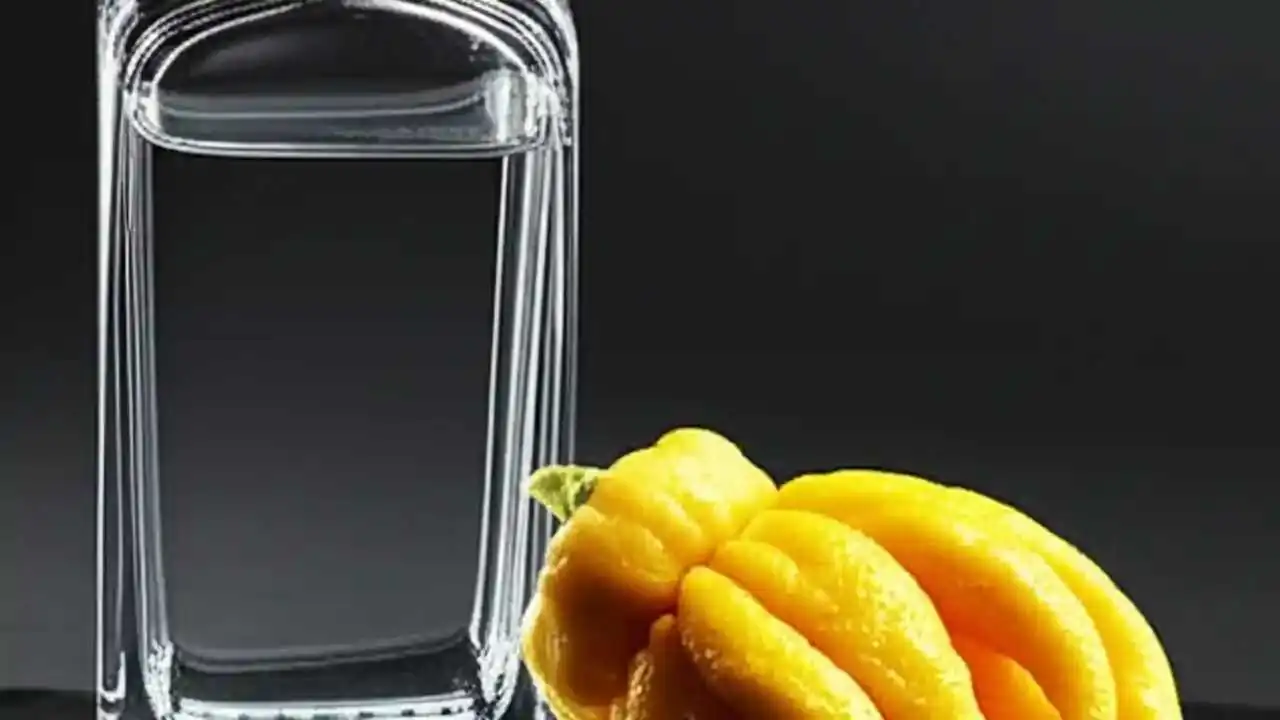
- Infuse in good vodka or neutral spirit (about 6 cups per zest of 1–2 fruits) in a covered jar for 4–6 weeks in a cool, dark place; shake occasionally.
- Strain and sweeten to taste with simple syrup (start around 1/2–1 cup per 2 cups infused spirit). Rest 1 week, then chill.
- Serve icy-cold neat, with soda, or add a spoonful to a hot toddy.
Pro move: Sweeten with some of your candying syrup for flavor continuity.
Teas, toddies, and warm comfort
- Fresh zest tea: Add a strip or two of zest to black or green tea as it steeps; remove before bitterness develops.
- Candied-peel tea: Steep a few cubes in boiling water 5 minutes for gentle sweetness and aroma—ideal before bed.
- Winter toddy: 2 oz whiskey, 1 oz Buddhacello or Buddha’s Hand syrup, hot water, and a lemon wheel. Garnish with a candied “finger.”
Dessert upgrades that love this rind
- Butter/sugar rub: Before creaming butter and sugar for cakes or cookies, rub in 1–2 teaspoons of microplaned zest to bloom oils.
- Ice cream and custards: Chill zest in cream overnight, strain, then churn. Fold in chopped candied peel before freezing.
- Citrus whipped cream: Infuse zest in warm cream, chill, strain, and whip. Spoon over citrus tart, roasted pears, or olive-oil cake.
Cocktail cheat sheet
- Buddha’s Hand 75
- 1 oz gin, 1/2 oz Buddha’s Hand syrup, 1/2 oz fresh lemon juice; shake and top with dry sparkling wine. Garnish with a slender “finger.”
- Citron Old Fashioned
- 2 oz bourbon, 1/4 oz Buddha’s Hand syrup, 2 dashes bitters. Stir over ice; express a strip of zest.
- Garden Highball (zero-proof)
- 1 oz Buddha’s Hand syrup, tonic or soda, squeeze of lime. Build over ice; garnish with candied peel.
Storing your aromatic treasure
- Zest: Freeze in a thin layer and keep in an airtight container for quick pinches.
- Candied peel: Airtight and cool for 2–3 weeks, longer if refrigerated; freeze for months.
- Syrup: Refrigerate up to 4 weeks. If it ever looks cloudy or ferments, discard.
- Liqueur: Store tightly sealed; keep one bottle in the freezer for instant sipping.
A quick grower’s note for cooks
Buddha’s Hand is often grown as a container citrus. It’s an evergreen shrub that loves bright light and warmth but is frost-tender—bring it indoors for winter display. Consistent moisture without waterlogging is key; cool, bright winter conditions help fruits hold. If you intend to cook with the rind, be cautious with any plant treatments and always follow product labels, especially on edible parts.
—
With Buddha’s Hand, you’re not waiting for juice—you’re cooking with perfume. Candy it into jeweled bites, coax its oils into syrup and spirits, and let its scent wander from your teacup to your nightcap. One fruit can sweeten a season.