

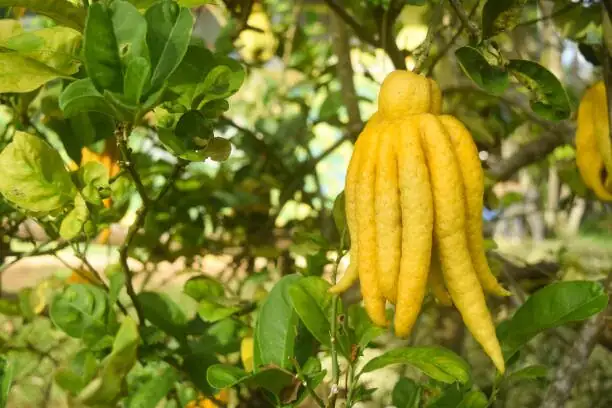
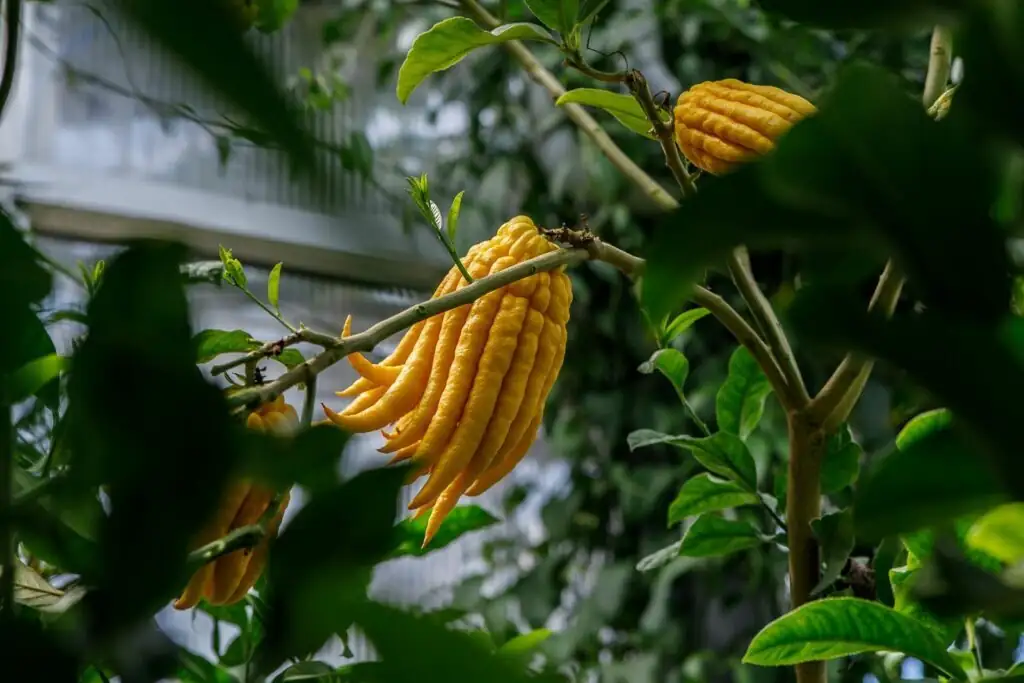
Buddha’s hand citron is the citrus that stops people in their tracks: a sculptural, evergreen shrub whose wildly fragrant, fingered fruits glow like lanterns in winter. If your goal is one radiant fruit per branch and top-tier display, the secret isn’t luck—it’s timing, light-handed pruning, and disciplined thinning. Here’s how to shape an elegant framework, thin the spring bloom, favor summer fruit, and preserve autumn shoots so your plant performs like a show champion.
Meet Citrus medica var. sarcodactylis (Buddha’s Hand Citron)
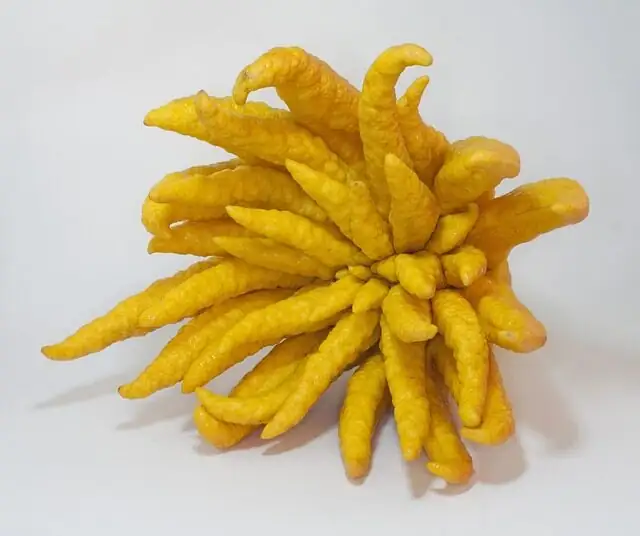
- Evergreen citrus shrub, treasured for bright yellow, hand-shaped fruits and sweetly fragrant blossoms.
- Grown mostly as a container plant for its perfume and sculptural winter display; rind is edible and superb for candying and flavoring.
- Originates from tropical regions of China and India; a classic symbol of good fortune and longevity across East Asia.
The Display-Grower’s Mindset
- Shape first, fruit second: a balanced framework shows fruit beautifully and reduces pest and drop issues.
- Bloom management matters: thin spring blossoms; keep more summer bloom for better-shaped, better-colored fruit.
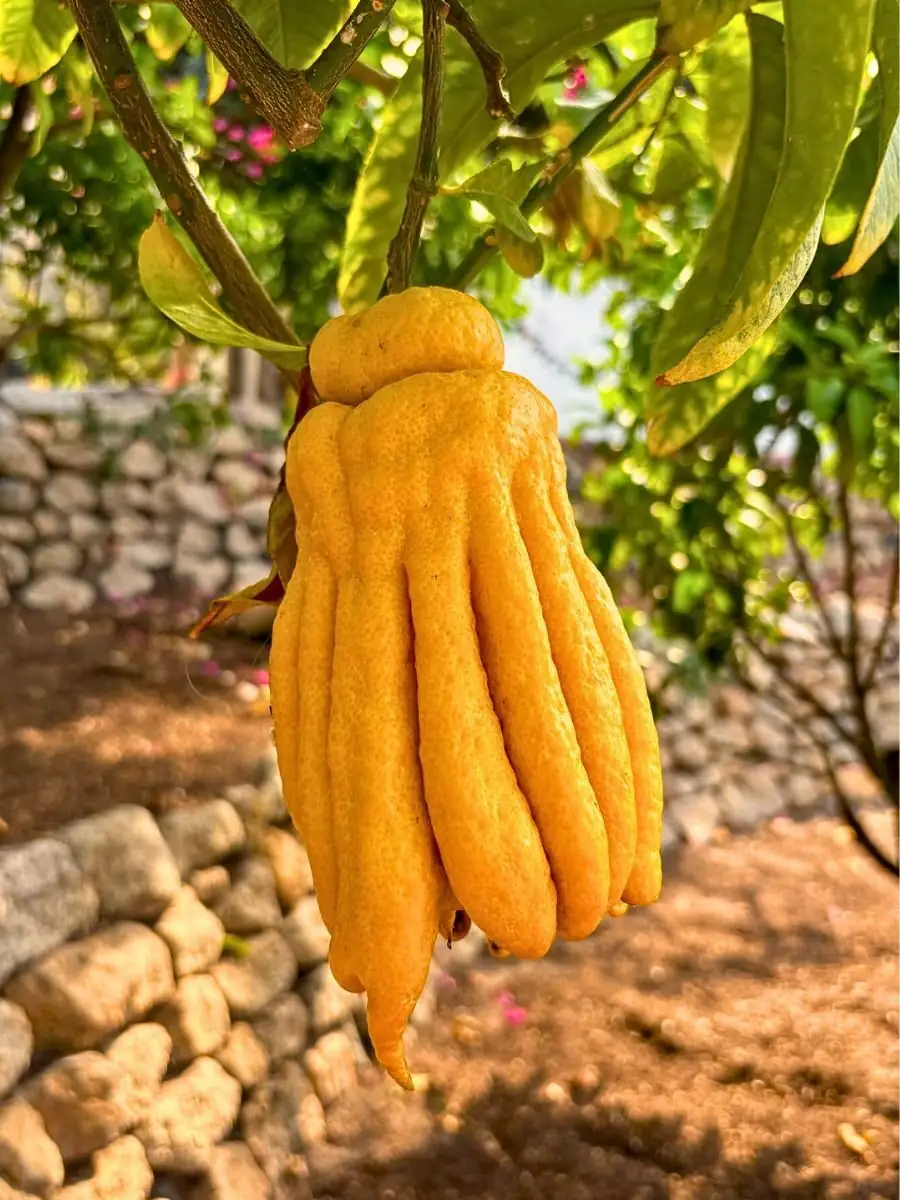
- Less is more: one fruit per branch is the golden rule for large, symmetrical “hands.”
- Preserve tomorrow’s crop: healthy autumn shoots are next year’s fruiting wood—keep them.
Build an Elegant Framework
Choose a shape that flatters fruit
- Open fan or low, tiered goblet: 3–5 main scaffold branches radiating at 45–60° from a short trunk.
- Aim for an airy outline that lets light bathe fruit without exposing leaves to harsh midday scorch.
Year-by-year structure
- Year 1–2 (young plants):
- Early spring (before bud break): select 3–5 well-spaced shoots as scaffolds; remove weak, crossing, or congested growth.
- Gently tie young scaffolds to 45–60° if they’re too upright; this encourages short, fruitful spurs.
- Tip only overly vigorous whips to encourage side branching; avoid heavy cuts.
- Year 3+ (shaping while fruiting):
- Early spring: remove crowded interior twigs and any spindly, shaded wood; keep short fruiting spurs.
- Summer: light touch only—clip water shoots, tidy tangles, and improve airflow.
- Autumn: do not cut healthy, robust new shoots; these are next year’s fruiting wood.
Pro tip: Make cuts just above an outward-facing leaf or side shoot. Keep the canopy open enough that a small bird could fly through—good airflow, no dense mats.
Master Bloom and Fruit Management
The spring-thin, summer-keep rule
- Spring bloom can be profuse but yields many small or misshapen fruits; thin ruthlessly.
- Favor the summer bloom: it typically sets fewer but better fruits with stronger pedicels and clearer “finger” definition.
How to thin for one jewel per branch
- During spring bloom:
- Remove clusters so that buds are spaced and light can reach interior leaves.
- After fruit set, thin to 1 developing fruit per branch; on thick branches you might keep two briefly, then reduce to one as they size up.
- During summer bloom:
- Keep more of the set, then thin to one keeper fruit per branch once fruits reach marble size.
Choosing the keeper fruit
- Pick the one that’s:
- Centrally placed on the branch, with a sturdy stem.
- Symmetrical, with evenly forming “fingers.”
- Sun-kissed but not exposed to scorch (dappled light is ideal).
- Remove scarred, fused, or oddly pinched fruits early to channel energy into your star.
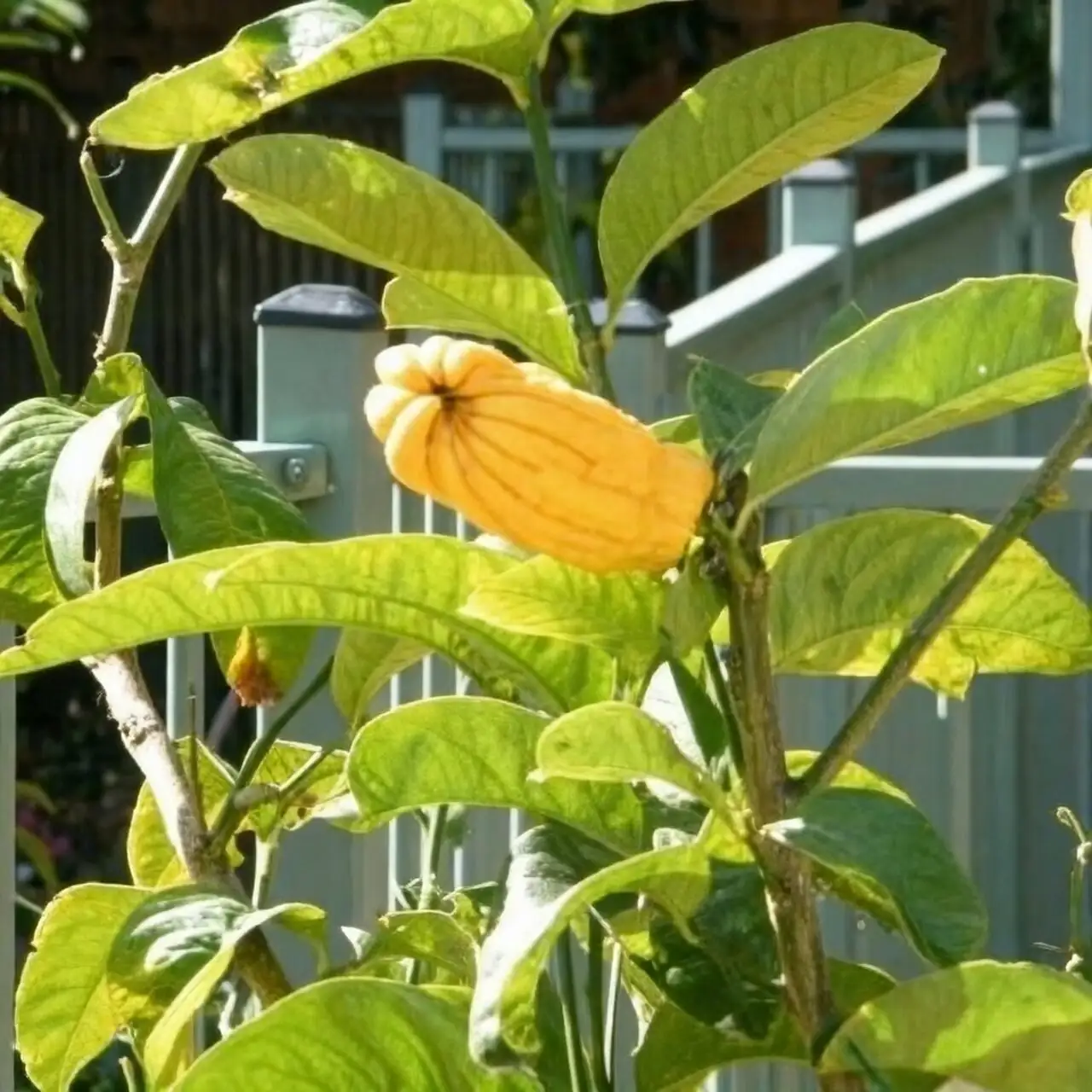
If flowering indoors, a gentle shake of branches or a soft brush transfer between blossoms can improve set.
Preserve Autumn Shoots—They’re Next Year’s Fruiting Wood
- Identify: late-season growth that hardens by early winter, often straight and strong.
- Keep: don’t head them back in autumn; let them mature fully.
- Support: stake if heavy fruit elsewhere is tugging on the canopy.
- Protect: maintain bright light and stable conditions so they don’t stall or drop.
Seasonal Calendar For Top-Tier Display
Spring
- Repot about every 2 years in early spring with a free-draining, slightly acidic mix; lightly prune top growth to rebalance after any root work.
- Structural pruning before bud break: remove overly vigorous shoots, crowded interiors, and weak twigs; preserve short fruiting spurs.
- Begin feeding (see “Feeding” section). Strong light is essential.
Summer
- Light with some direct sun; provide midday shade in extreme heat to prevent leaf scorch.
- Keep evenly moist; never let the mix go bone-dry in hot spells.
- Light shape-up pruning only; thin to one fruit per branch as fruitlets enlarge.
- Maintain airflow to deter pests.
Autumn
- Preserve healthy autumn shoots as next year’s fruiting wood.
- Keep bright light and steady moisture (not soggy). Begin easing watering as nights cool.
Winter (peak display)
- Move indoors to a bright, cool spot around 5–12°C (41–54°F). This holds color and reduces stress.
- Water sparingly; absolutely no standing water. Slightly drier is safer while fruit is on the plant.
- Rotate the pot weekly for even coloring; gently wipe leaves to keep them glossy.
Light, Temperature, Humidity
- Sunlight: bright light with some direct sun; not shade-tolerant. Provide noon shade in harsh midsummer sun.
- Temperature: thrives at 22–28°C (72–82°F) in active growth. Cold damage below about 4°C (39°F). Avoid prolonged indoor lows under 8°C (46°F) or highs above 35°C (95°F).
- Humidity: moderate; typical household levels are fine, but a touch of extra humidity in heated rooms helps reduce leaf drop.
Watering: The Make-or-Break Skill
- Rule of thumb: water when nearly dry, then water deeply.
- Growing season: keep lightly and consistently moist; avoid drought in summer heat.
- Fruiting and winter: water more cautiously. Never let water accumulate in the saucer—waterlogging triggers leaf and fruit drop.
Soil and Repotting
- Medium: fertile, free-draining, slightly acidic mix. A practical blend is loam-based soil + leaf mold/compost + coarse sand.
- Pot: often around 30 cm (12 in) diameter for display specimens; upsize cautiously to prevent soggy mix.
- Repot: about every 2 years in early spring; refresh mix and lightly trim the canopy to match any root reduction.
Feeding For Form and Fruit
- Year 1 after potting: skip fertilizer—let roots establish.
- Year 2: feed every ~2 weeks during active growth.
- Year 3 onward:
- Pause feeding when flower buds appear.
- Resume once fruit has set; feed about weekly with a citrus fertilizer or balanced formula including micronutrients.
- Optional pro tip: at bud stage, some growers use 1–2 light foliar sprays of monopotassium phosphate to support bud and fruit development; follow label directions precisely.
Avoid excess nitrogen, which pushes lanky shoots and shading foliage—enemy of elegant frameworks.
Pest And Disease Readiness
- Usual suspects: aphids and scale; their honeydew can invite sooty mold.
- Tactics:
- Improve airflow and prune dense pockets.
- Treat early with horticultural oil or insecticidal soap; follow labels, especially if you’ll use the rind.
- Copper-based products are sometimes used for appropriate fungal issues.
- Hygiene helps: remove spent blooms and sticky residues; keep the canopy tidy.
Styling Tricks For Show-Worthy Fruit
- Support: discreetly sling or stake heavy fruits to prevent twig strain and present them forward.
- Backdrop: a plain wall or dark foliage makes the yellow “hands” pop.
- Rotation: quarter-turn the pot weekly for even color and balanced growth.
- Sun management: bright mornings, filtered noons; a lacy shade cloth can save leaves and preserve gloss.
- Scent and storage: ripe fruits can perfume a room for days; they can remain on the plant for an extended winter display.
For a 60–150 cm (2–5 ft) specimen, expect your best results with a modest load: often 6–10 keeper fruits total—one radiant fruit per branch.
Propagation Windows (For When You Want More)
- Cuttings (June–July): 10–12 cm semi-firm shoots from last spring/autumn growth; root in a sandy medium. Roots in ~30–35 days; shoots in ~60–70 days; then pot on.
- Grafting (March–April): citron or lemon rootstocks; 6–8 cm scions from 1–2-year shoots with 2–3 buds; keep humid; new growth in ~40–50 days.
- Air layering (May–July): on vigorous branches; roots in ~30–40 days; detach and pot after ~50–60 days.
Safety Notes
- Generally non-toxic; rind is widely used in food. Citrus oils may irritate sensitive skin. Keep pets that like to chew plants away to prevent mild stomach upset.
Culture, Meaning, and “Flower Language”
- Symbolism: Buddha’s hand embodies good fortune, longevity, and blessings. In temples and homes, its closed, praying-hand form is traditionally offered for auspicious beginnings.
- Deeper meaning: the fruit’s many “fingers” suggest generosity—blessings that reach in all directions—while its enduring winter fragrance evokes steadfastness through the cold season. Unlike invented “flower-language” lists, this symbolism grew from centuries of devotional use and household ritual, making it a living cultural emblem rather than a mere Victorian code.
Quick Recap: Your Four-Part Formula
- Shape an elegant framework in early spring; keep 3–5 main scaffolds and airy interiors.
- Thin the spring bloom and fruitlets; favor summer set for better quality.
- Aim for one fruit per branch; support and spotlight each “hand.”
- Preserve autumn shoots intact—they’re next year’s fruiting wood.
With the right cuts at the right time—and a steady hand on water, light, and feed—Citrus medica var. sarcodactylis will repay you with a winter show that looks curated by a museum and scented by the gods.